A pen you make beats store-bought. In Montreal, this workshop turns wood and patience into a real keepsake, with hands-on lathe time led by the woodworker Jonathan. You start with the lathe’s parts and a practical safety briefing, then you learn the steps from turning to sanding, polishing, and assembly.
I also like how the session gives you real choice in what you’re making: you pick from exotic and local woods, so your finished pen doesn’t look generic. The one thing to consider is timing: in about 3 hours, you’ll make one pen, so it’s not the kind of class where you can test multiple designs or spend extra time experimenting beyond the planned process.
In This Review
- Key Highlights You’ll Feel (Not Just Read About)
- Meet at 4710 Rue Saint-Ambroise and Get Oriented Fast
- The Lathe Basics: History and Parts Without the Lecture Spiral
- Safety Briefing That Helps You Craft, Not Just Obey Rules
- Watch the Full Pen-Making Flow, Then Try It Yourself
- Choosing Your Wood: Exotic or Local, Your Call
- Turning and Profiling: The Steps That Make It Feel Like Real Woodworking
- Sanding and Polishing: Making It Smooth Enough to Want to Use
- Assembly: The Moment It Becomes a Pen You Can Take Home
- What This Experience Is Really Like (Based on the Teaching Style)
- Duration and Pacing: 3 Hours for One Pen, Not a DIY Marathon
- Value for Money: $161.10 for a Custom Wooden Keepsake
- Best Fit: Who Should Book This Pen-Making Class?
- Practical Tips Before You Go
- Should You Book Pen Making With The Woodworker Himself?
- FAQ
- How long is the pen-making workshop in Montreal?
- How much does it cost per person?
- Is the workshop offered in English?
- How many people are in the group?
- Where does the experience start?
- What will I learn and make during the session?
- What is the cancellation policy?
Key Highlights You’ll Feel (Not Just Read About)
- Small group size (up to 9): you get more attention while you learn the lathe basics
- Jonathan’s teaching style: relaxed, fun, and guided without rushing
- From demo to doing: watch the full pen process, then operate the lathe yourself
- Wood choice matters: you select from exotic and local options before shaping anything
- One clear goal: you finish with an assembled wooden pen you can take home
Meet at 4710 Rue Saint-Ambroise and Get Oriented Fast
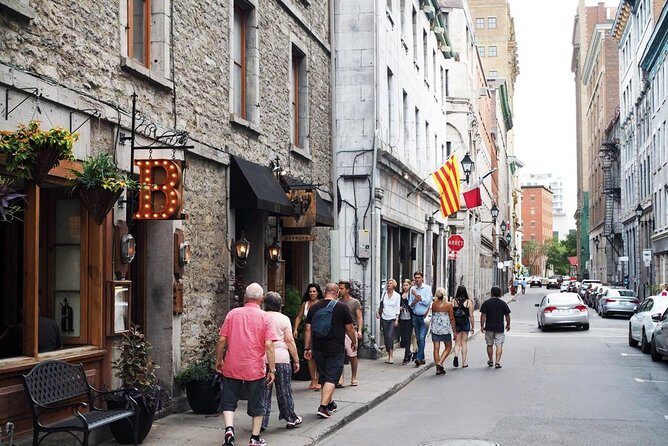
This experience starts at 4710 Rue Saint-Ambroise, Montréal, and it ends back at the same meeting point. That “start and finish in one place” setup sounds simple, but it matters when you’re taking a hands-on class: you can focus on learning instead of navigating a moving schedule around town.
When you arrive, you’ll get your bearings quickly. You’ll also get a sense of the tools and layout, which helps a lot when you’re about to work with a lathe. If you’re visiting Montreal for a short trip, this is also a nice fit because the session is short—about 3 hours—so it won’t eat an entire day.
If you're still narrowing it down, here are other tours in Montreal we've reviewed.



The Lathe Basics: History and Parts Without the Lecture Spiral
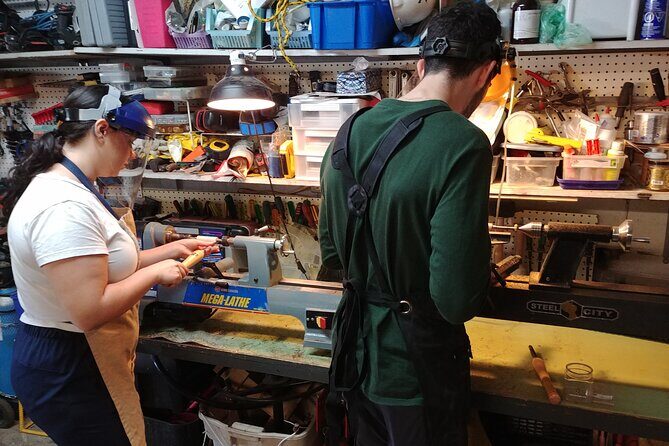
Before anyone hands you tools, you’ll get a short intro to the lathe’s history and an overview of its parts. The point here isn’t to turn you into a machinist. It’s to help you understand what you’re looking at so you can operate with confidence.
That matters because a lathe can feel intimidating if you don’t know what each part does. Learning the purpose of the different components first makes it easier to follow instructions later, especially when you’re asked to adjust your approach while turning wood. For most first-timers, this up-front orientation is the difference between feeling lost and feeling in control.
Safety Briefing That Helps You Craft, Not Just Obey Rules
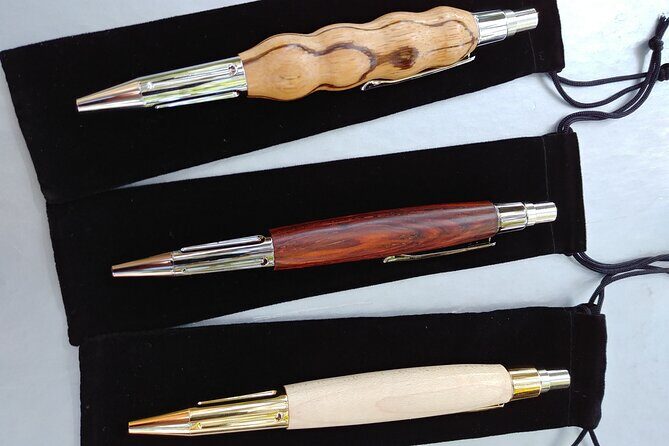
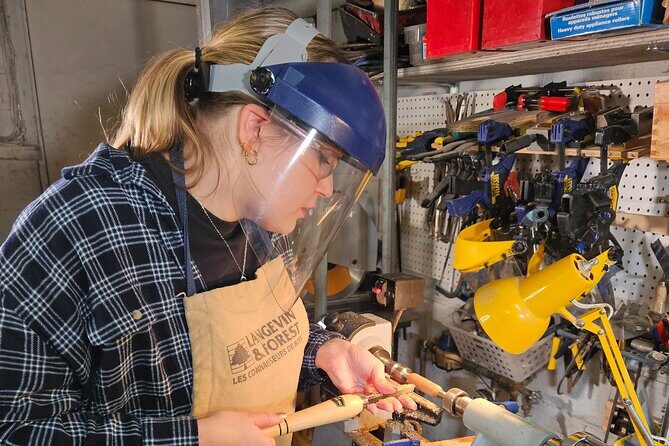
You’ll also get a thorough safety briefing, which is exactly what you want to hear before any cutting or rotating work begins. Safety here isn’t just a checklist—it’s practical. It’s about how to stand, how to pay attention, and how to handle the turning process safely so you can enjoy the craft.
You’ll likely rely on this guidance during the session when you’re learning the rhythm of turning and profiling. If you tend to worry about “messing up,” a real safety talk also calms you down because you know what to avoid and what you’re allowed to do.
Watch the Full Pen-Making Flow, Then Try It Yourself
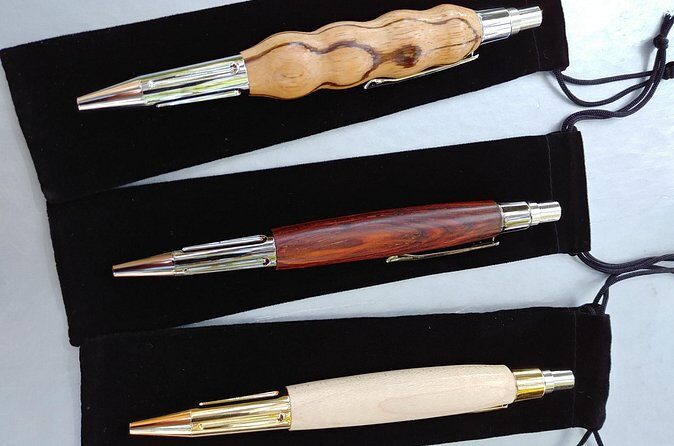
After the safety setup, you’ll see a detailed demonstration from start to finish. You’ll get a clear picture of the workflow: turning the wood, profiling, sanding, polishing, and then assembling the pen.
What I like about this kind of structure is that it doesn’t leave you with vague steps. You’re not guessing what comes next. You watch the process, understand the end goal, and then you try it with guidance.
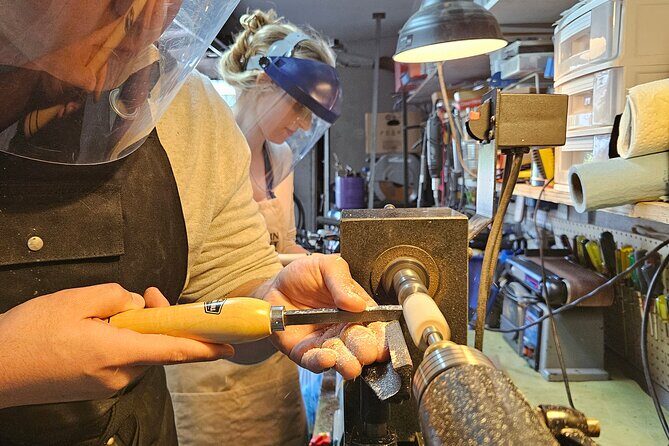
Then comes the key part: you get hands-on time operating the lathe. That’s where your confidence grows fast. Even if you’ve never done turning before, working along with an instructor makes the learning curve manageable. This is the moment when the project stops feeling like a class and starts feeling like building something.
Choosing Your Wood: Exotic or Local, Your Call
One of the biggest emotional wins in this workshop is the wood selection. You choose from a variety of exotic and local woods, which means your pen reflects your taste rather than someone else’s.
That choice affects more than just appearance. Different woods can look and behave differently as you shape and sand them. So choosing carefully makes the whole project feel more personal—and it helps your finished pen feel like it belongs to you.
If you’re the type who likes souvenirs that aren’t mass-produced, this is one of the most satisfying parts. You’re not just collecting an item; you’re collecting a decision you made.




Turning and Profiling: The Steps That Make It Feel Like Real Woodworking
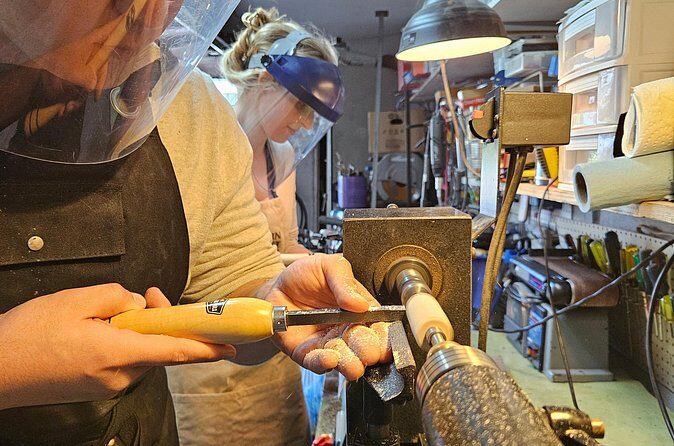
Once the demo is done and your wood is picked, you get into the core craft. You’ll work through turning and profiling, shaping the wood into the form that fits the pen design.
Turning is the stage where you’ll see the material change quickly. That’s also the stage where good guidance matters. You’ll want to focus on steady technique and consistent follow-through, because that’s what leads to an even shape before sanding and finishing.
Profiling is where the pen really starts to look like a pen. It’s also where you begin to understand how small adjustments can affect the final feel in your hand—something you’ll appreciate later when you test the finished pen.
Sanding and Polishing: Making It Smooth Enough to Want to Use
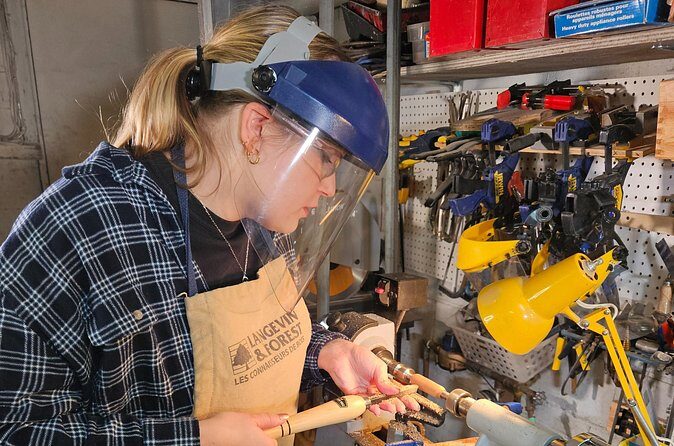
After shaping comes the slow-but-satisfying part: sanding and polishing. This is where your pen stops looking like a workpiece and starts looking like an object you’d proudly pull out at a dinner table.
I find sanding and polishing are often the steps people underestimate in crafts. They’re not filler time. They control how the surface feels and how the wood shows off its grain. With this workshop, you get instruction for these stages as part of the full process, so you’re not just running the finishing steps blindly.
When polishing happens correctly, you end up with a finish that looks good in photos and feels good in the hand. That’s important for a practical souvenir, not just a display piece.
Assembly: The Moment It Becomes a Pen You Can Take Home
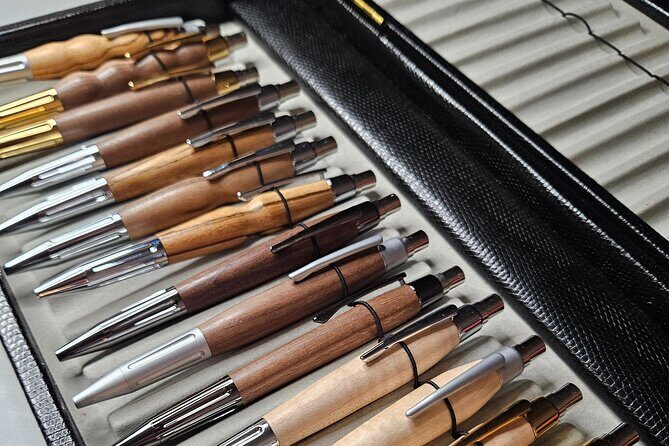
Once the turning and finishing are done, you’ll move into assembling your very own wooden pen. This step is crucial because it turns all your work into something functional.
Assembly also gives you a clear endpoint. After a few hours, you’ll be able to use the pen immediately or wrap it up as a gift. Either way, the project stops being an activity and becomes a keepsake you can keep pulling out.
What This Experience Is Really Like (Based on the Teaching Style)
The standout here is the instructor dynamic. The woodworker Jonathan is described as a wonderful teacher who keeps the atmosphere relaxed and fun, with plenty of laughs. That teaching tone matters more than it sounds.
When you’re learning a lathe for the first time, you’ll have moments where you want to ask questions or slow down. A relaxed style helps you do that without feeling flustered. You get to focus on learning the steps—turning, profiling, sanding, polishing, assembly—rather than worrying about whether you’re doing it wrong.
Duration and Pacing: 3 Hours for One Pen, Not a DIY Marathon
The experience runs for about 3 hours. In that timeframe, the pacing is designed to take you from blank wood to finished pen. That means you should expect a structured schedule and a clear flow of tasks.
The trade-off is that you’re making one pen. If you want a session where you design, remake, and produce multiple pieces, this setup may feel a bit fixed. But if your goal is learning the basics and leaving with one finished item, this duration is a smart fit.
Value for Money: $161.10 for a Custom Wooden Keepsake
At $161.10 per person, you’re paying for three things: instruction, time on the equipment, and a finished result you made yourself. This isn’t just watching someone else work, and that’s why the price can feel reasonable.
You get:
- a small-group learning environment (up to 9 people)
- step-by-step guidance through the full pen-making process
- the chance to choose from exotic and local woods
- a take-home wooden pen that’s specific to your choices and your work
Also, the date booking timing suggests demand is steady, with many people reserving around two months in advance. If you’re planning a tight Montreal itinerary, booking early is a smart move so you can lock in a slot that matches your day.
Best Fit: Who Should Book This Pen-Making Class?
You’ll probably enjoy this most if:
- you like crafts that end in something functional
- you want a souvenir with a personal story and visible effort
- you’re curious about woodworking but want guided support
- you appreciate classes where the mood is relaxed rather than strict
It can also work well as a break from museum-heavy days. Montreal has a lot to see, and this gives you a different kind of local experience—one tied to skill, tools, and making.
Practical Tips Before You Go
Since you’ll be working with woodworking tools, show up mentally ready for hands-on learning. Wear clothing that you don’t mind getting a little dusty, because sanding and polishing can leave residue on surfaces and fabric.
Also, plan your day around the session. Because it ends back at the meeting point, you can build a plan for before and after that doesn’t require long, stressful travel. If you want to pair this with a restaurant or walk afterward, schedule extra time so you can enjoy the rest of your day without rushing.
If you have questions about timing, the format is flexible: if there’s not a date or time that works, reaching out is part of the plan and the host will try to accommodate your schedule.
Should You Book Pen Making With The Woodworker Himself?
If you want a Montreal experience that’s hands-on, creative, and actually ends with an item you can use, I’d book it. The mix of lathe orientation, safety, a full demo, and guided practice makes it beginner-friendly without feeling dumbed down. And the fact that the instructor Jonathan runs it in a relaxed, funny, encouraging way is a big plus—learning goes smoother when the room feels comfortable.
Skip it only if you’re mainly looking for a short look-at-a-craft experience. This is about making, not just observing. If that’s your goal, you’ll likely have a great time with a one-of-a-kind wooden pen you helped create.
FAQ
How long is the pen-making workshop in Montreal?
The experience runs for approximately 3 hours.
How much does it cost per person?
It costs $161.10 per person.
Is the workshop offered in English?
Yes, it is offered in English.
How many people are in the group?
The maximum group size is 9 travelers.
Where does the experience start?
It starts at 4710 Rue Saint-Ambroise, Montréal, QC H4C 2C7, Canada, and ends back at the meeting point.
What will I learn and make during the session?
You’ll learn the pen-making process, including turning, profiling, sanding, polishing, and assembling your own wooden pen. You’ll also choose from a variety of exotic and local woods.
What is the cancellation policy?
Free cancellation is available. You can cancel up to 24 hours in advance of the experience start time for a full refund; changes made less than 24 hours before the start time aren’t accepted. Service animals are allowed, and the meeting point is near public transportation.