REVIEW · MONTREAL
Montreal: Guided Bus Tour
Book on GetYourGuide →Operated by Gray Line Montreal · Bookable on GetYourGuide
Montreal moves fast; this tour keeps up. In 210 minutes, you get 200+ points of interest explained by a bilingual guide as the bus threads through neighborhoods you’d miss on foot. It’s a smart way to learn the city quickly, without feeling like you’re rushing alone.
I love two things most. First, the panoramic payoff at St. Joseph’s Oratory on Mont Royal lets you see Montreal and the St. Lawrence River in one glance. Second, the short walking moment in Old Montreal around Place Jacques Cartier gives your eyes something real and historic to focus on, not just scenery from the window.
One drawback to plan for: you’ll see a lot, but time on each stop is limited. If you want to linger for long museum hours or big photo sessions, you’ll likely need a second day to go deeper.
In This Review
- Key moments worth planning around
- Why This 3.5-Hour Bus Loop Works for First-Time Montrealers
- Meeting at 1001 Rue du Square Dorchester (and the Closest Metro Stops)
- Old Montreal and Place Jacques Cartier: Short Walk, Big Feeling
- Old Port to St. Lawrence River Views: How the City Breathes
- Bonsecours Market, Former City Hall, and Montreal City Hall: Civic Landmarks in Motion
- McGill University and Université de Montréal: Campus Culture as Neighborhood Geography
- Mont Royal Park and St. Joseph’s Oratory: The Panoramic Payoff
- Chinatown, Place des Arts, and Place Ville Marie: Culture and City Energy
- Olympic Park and the Bell Centre: Sports Montreal Up Close
- How to Get the Most From Limited Stops (Without Missing the Point)
- Price and Value: What You’re Really Paying For
- Guide and Driver Style: Why It Shows Up in Reviews
- Should You Book This Montreal Guided Bus Tour?
- FAQ
- How long is the Montreal guided bus tour?
- What does the tour cost?
- Is the tour guided, or is it just a bus ride?
- What languages are offered?
- Where do I meet the tour?
- What is included in the price?
- Can I cancel and get a refund?
- Is there a reserve option that doesn’t require full payment right away?
Key moments worth planning around
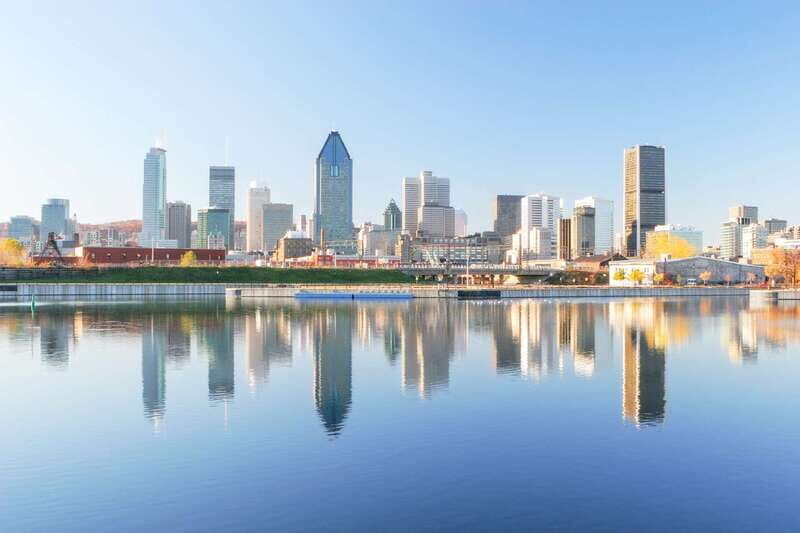
Mont Royal’s summit view: The oratory area turns into your best “big picture” moment of the whole day.
Old Montreal walking zone: Place Jacques Cartier keeps the pace friendly and photo-friendly.
Architecture-focused city center stops: You’ll pass old and new civic landmarks and learn what you’re looking at.
Campus views from the bus: McGill and Université de Montréal show up as landmarks tied to neighborhood energy.
Sports and skyline highlights: Olympic Park and the Bell Centre bring Montreal’s passion into the route.
Why This 3.5-Hour Bus Loop Works for First-Time Montrealers
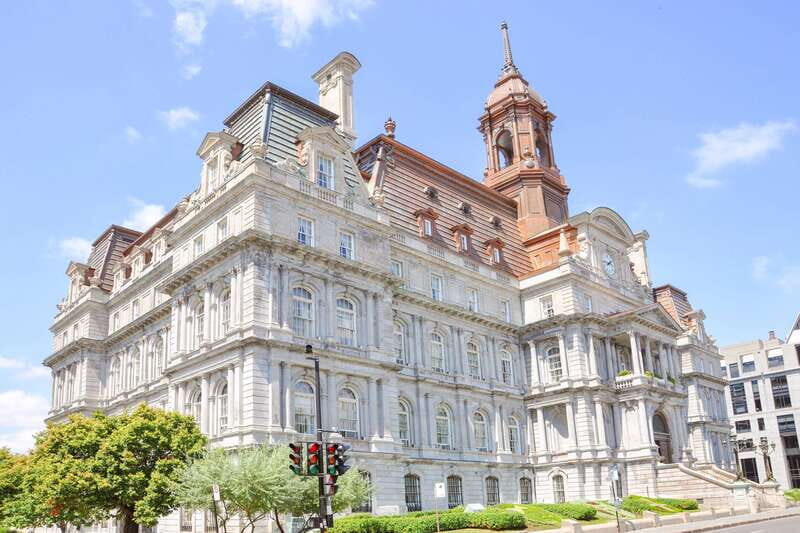
For $26, this is one of the faster ways to get oriented in Montreal. The big win is the structure: you’re not wandering, you’re moving with a guide who explains what you’re seeing as you go.
You spend about 3.5 hours covering a wide swath of the city, which matters if you only have one day. You’ll hit both sides of “old vs. new” Montreal: Old Montreal and the port areas, then later the civic center and modern districts.
The other quiet benefit is comfort. Instead of climbing hills between attractions, you get guided views from the bus, plus a few deliberate stops when it’s worth stepping out. On cold or snowy days, that bus time can feel like a lifesaver.
Other guided tours in Montreal



Meeting at 1001 Rue du Square Dorchester (and the Closest Metro Stops)
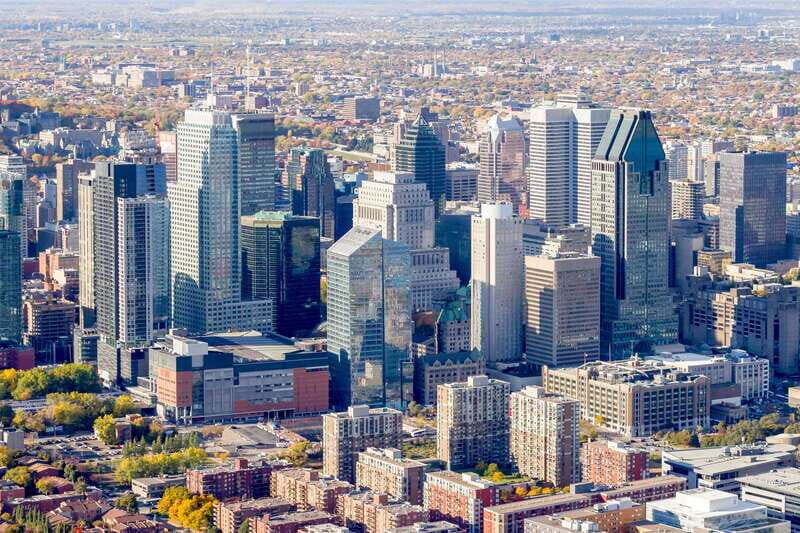
The tour departs from 1001 Rue du Square Dorchester. If you’re using the metro, the closest stations listed are Peel on the green line and Bonaventure on the orange line.
Do yourself a favor and show up at least 30 minutes early. It gives you time to find the right group, get oriented, and avoid the last-minute scramble that always happens around major departure points.
If you’re arriving by transit, look at the station exits before you go. Montreal intersections can be busy, and it’s easier to stay calm when you’re not hunting for your meeting point under time pressure.
Old Montreal and Place Jacques Cartier: Short Walk, Big Feeling

When the bus reaches Old Montreal, the vibe changes right away. The streets here are all about history you can point at, and the air feels more “city-core” than residential.
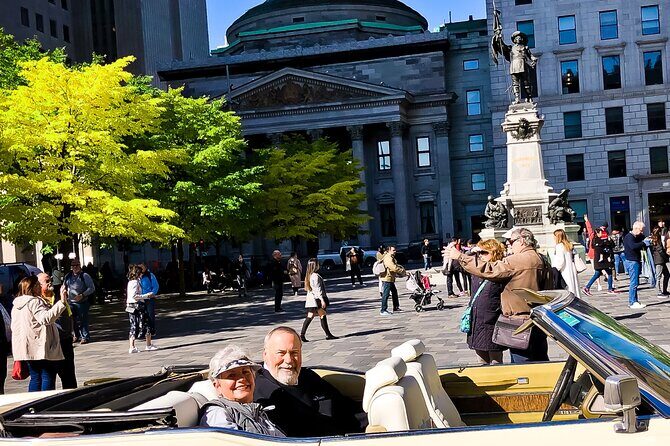
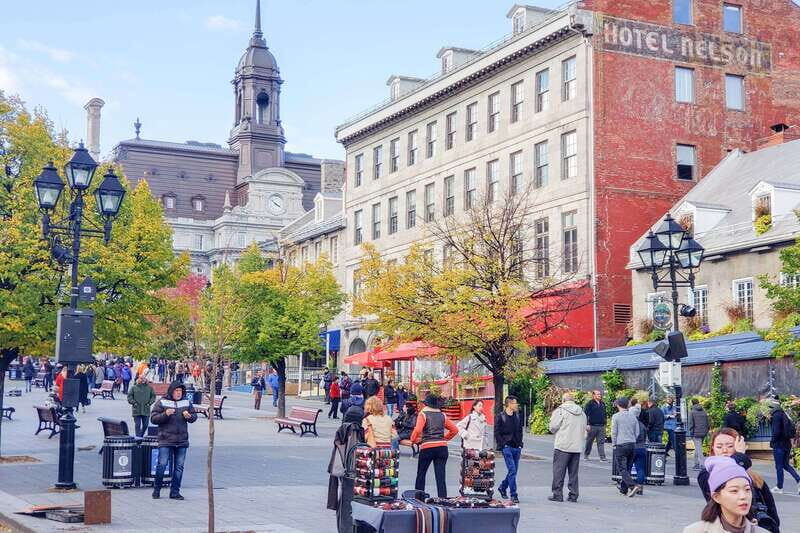
One of the best moments is the stroll around Place Jacques Cartier. It’s a central plaza area where you can step away from the bus and take in the architecture and layout that make Old Montreal feel like a place frozen in time.
You also get the chance to take in the Old Port area from the route and nearby viewpoints. If you like photography, this is where your phone will earn its keep—cobblestone-adjacent streets, river-facing angles, and scenes that look good even without fancy settings.
If you’re traveling with kids or anyone who doesn’t want long walks, this is a nice balance. You get a real feel for the area without spending hours on foot.
Old Port to St. Lawrence River Views: How the City Breathes

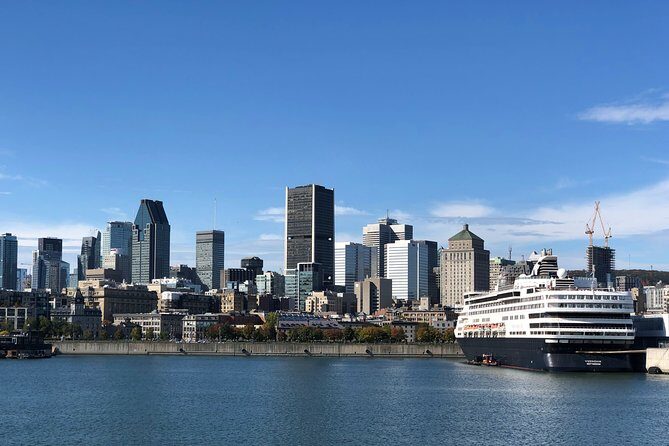
After the Old Montreal walking segment, you’ll move toward the Old Port and the St. Lawrence River zone. The point isn’t only photos. It’s understanding Montreal’s geography: the river is a shaping force for neighborhoods, trade, and where the city grew.
You’ll get window and nearby viewing opportunities that help you connect the dots between downtown and the waterfront. Later, when you hit other districts, you’ll start to see how far the city’s built form reaches.
This is also a good time to notice how Montreal mixes old river energy with modern city structure. The contrast is easier when you’re seeing it in sequence rather than as random stops spread across days.
Bonsecours Market, Former City Hall, and Montreal City Hall: Civic Landmarks in Motion
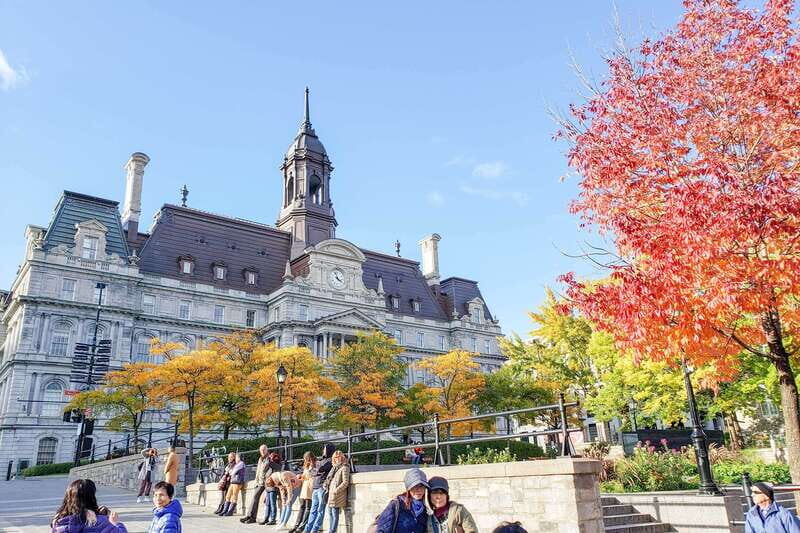
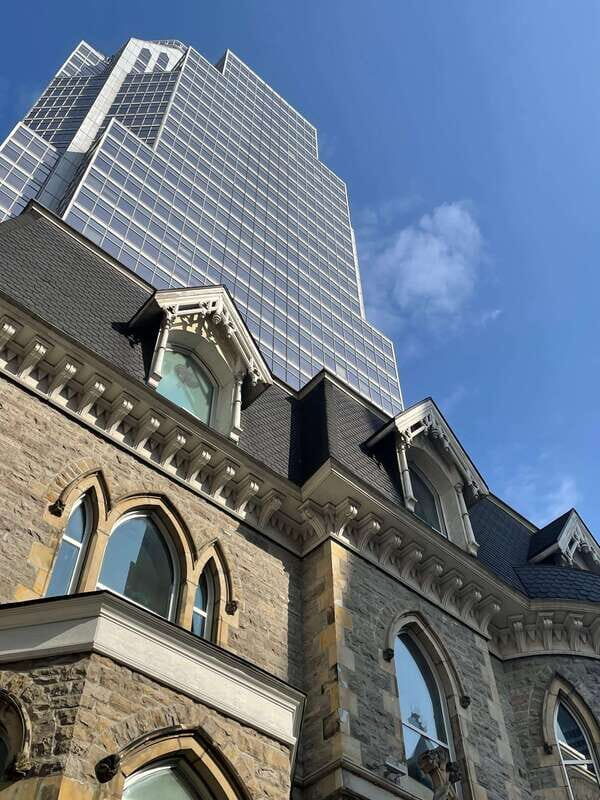
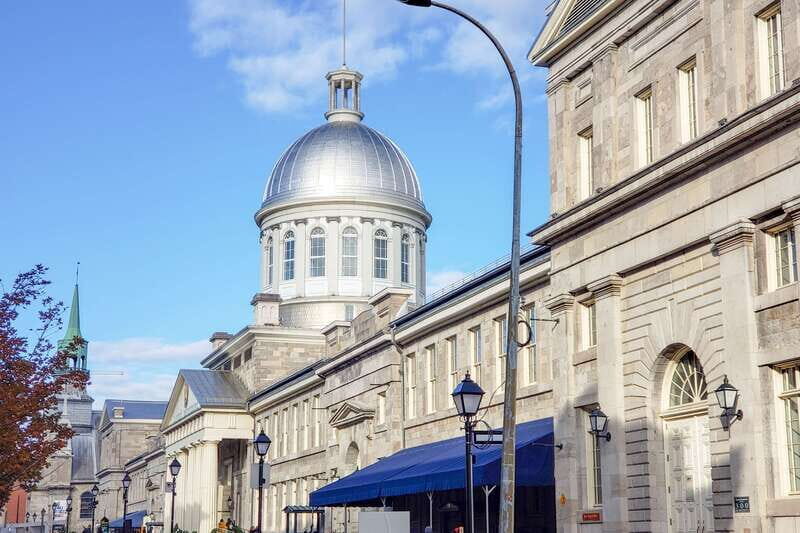
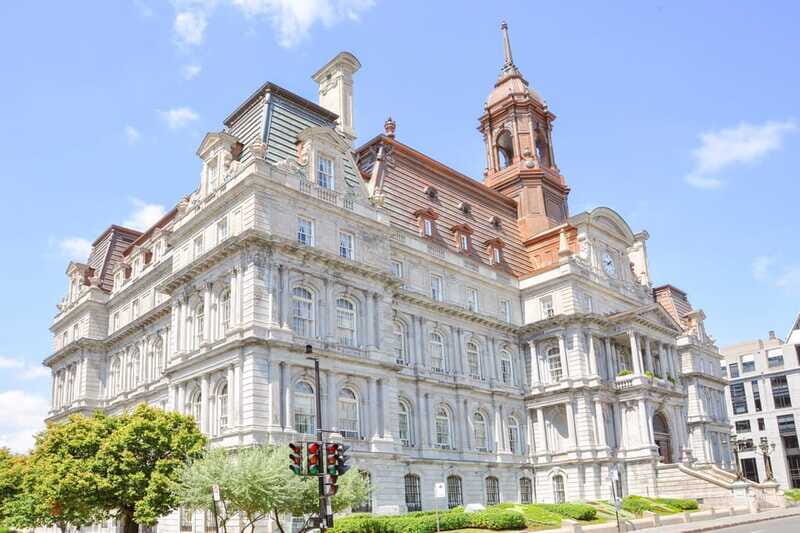
A highlight for people who like architecture is how the tour handles civic landmarks. You pass the former city hall building at modern-day Bonsecours Market, then you move on to see the current city hall.
Even if you don’t read every plaque, you’ll learn why these buildings matter. The guide’s commentary helps you connect function to style—how a city communicates with stone, symmetry, and scale.
This part of the route is valuable because it teaches you to look up. From the bus, you’ll notice how facades line up and how main civic spaces sit at the center of daily city movement.
If you’ve ever walked past a building without knowing why it was important, this is the fix. You get the context at driving speed, so the landmarks actually stick.


McGill University and Université de Montréal: Campus Culture as Neighborhood Geography
Next come the education landmarks: McGill University and the hilltop presence of Université de Montréal. You’re not just seeing campuses; you’re seeing how major institutions shape the surrounding streets and skyline.
McGill is a recognizable name globally, but what you really gain on a guided bus route is the local “where it sits” feeling. You’ll pick up the sense of campus boundaries, nearby districts, and how the city funnels people toward these places.
Université de Montréal’s hilltop location is a reminder that Montreal isn’t only flat downtown. Even from the bus, the elevation changes help you understand why views and vantage points matter later—especially at Mont Royal.
If you like travel days that are part sightseeing and part learning, this section earns its time.
Mont Royal Park and St. Joseph’s Oratory: The Panoramic Payoff
Now for the big payoff: Mont Royal Park and St. Joseph’s Oratory. Standing near the massive basilica at the summit gives you the best “whole-city” moment.
This is where you see Montreal and the St. Lawrence River together. It’s the kind of view that makes your map make sense. Streets you saw earlier suddenly connect to neighborhoods you only glimpsed before.
Bring your camera, but also bring patience for weather. The summit area can be windy and cold, especially outside warmer months. Plan to dress for that moment rather than for the rest of the day.
For me, this is the stop that turns the tour from a collection of sights into a real understanding of the city’s shape.
Chinatown, Place des Arts, and Place Ville Marie: Culture and City Energy
After the classic landmarks, the route shifts into areas that show Montreal’s arts and everyday life.
You’ll go through Chinatown, which is a strong reminder that Montreal is multi-ethnic and not just one “French-only” story. Seeing it by bus helps you understand how neighborhoods sit next to each other without long travel time.
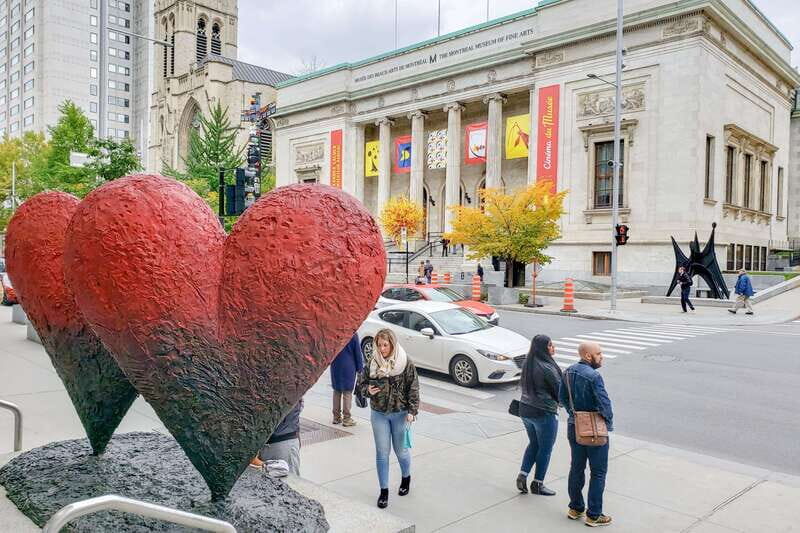
Next, you’ll pass Place des Arts, the performing arts center. Even if you don’t catch a show, it’s a good marker of Montreal’s cultural institutions and how they anchor downtown.
Finally, you’ll also be guided near Place Ville Marie, including the underground shopping concept. This is one of those practical Montreal realities: underground walking and transit-connected spaces help the city function smoothly across seasons.
If you’re the type who likes to plan where to return later, these are the districts that give you next-step ideas.
Olympic Park and the Bell Centre: Sports Montreal Up Close
Sport in Montreal isn’t a side note. The tour leans into that with Montreal Olympic Park and the Bell Centre.
At Olympic Park, you’ll see the tallest inclined building in the world, a structure that grabs your attention immediately. It’s the kind of landmark that’s easier to understand once you’ve watched it grow from the bus to the viewing point.
Then you’ll head toward the Bell Centre, described as the current home of the Montreal Canadiens. Even if hockey isn’t your obsession, Montreal treats this team like something bigger than a game.
This section works because it gives the city a pulse. You’re not only learning history; you’re also seeing what Montreal still cares about loudly.
How to Get the Most From Limited Stops (Without Missing the Point)
The tour is designed for breadth, so your main strategy is simple: treat the walk time as “look and learn,” then use your photos as a shopping list for later.
When the guide stops the bus, step out quickly. Check for the best angles right away, then decide if you want extra walking. Don’t over-aim for the perfect shot, because you have multiple stops and limited time.
If you like going beyond the basics, keep an open mind about what your guide might do with timing. In past departures, some groups have enjoyed extra moments like a market stroll for refreshments and even a fun bus route that passes near the Formula One racetrack area. If that’s offered on your day, it can add a tasty, local-feeling break to the schedule.
For comfort, dress like you’ll step outside a few times in real weather. The tour includes bus travel with time at viewpoints, and Montreal weather always has an opinion.
Price and Value: What You’re Really Paying For
At $26 per person for 210 minutes, the value is the combination of coverage and interpretation. The bus carries you between key zones, but the guide makes the stops legible.
You’re also not just listening to generic talking points. You’ll hear live commentary in English and French as you pass over 200 points of interest, which turns “seeing” into “understanding.”
The included basics matter: transportation by bus, a driver/guide, and local taxes. In practice, that means fewer decisions on your end. You show up, ride, and learn.
If you’re trying to stretch time in Montreal, this format helps you do it without renting a car or planning a moving checklist all by yourself.
Guide and Driver Style: Why It Shows Up in Reviews
What consistently comes through is that the guide and driver pair well. You hear names like Yang and Julian credited for energetic storytelling, while drivers such as Angelo, Norman, Dominic, and Salle are mentioned for careful driving and handling tricky conditions.
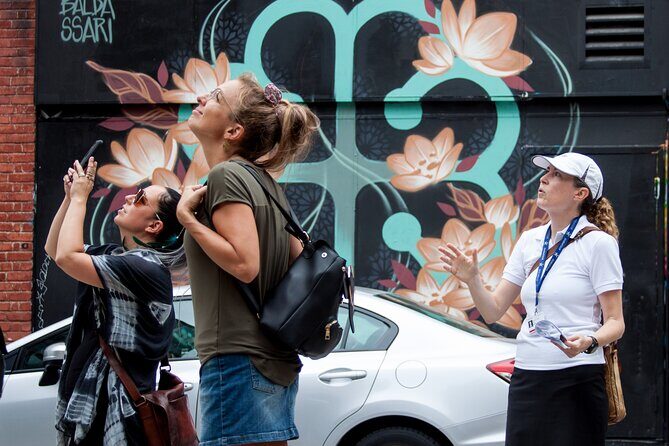
You’ll likely notice how commentary changes based on what’s outside the bus. Humor and quick context are part of the package, and that keeps long routes from feeling like a lecture.
This also matters for safety and flow. Some reviews highlight smooth handling through narrow Montreal streets and even snow-filled roads, plus calm problem-solving when things don’t go perfectly. That sort of professional confidence makes a guided bus day feel less stressful.
If you value a human touch—someone who can answer questions on the spot—this tour format is built for it.
Should You Book This Montreal Guided Bus Tour?
Yes—if you want a fast, organized overview and you’re okay with shorter stops. This is a strong pick for first-timers, for couples who want a shared “see the city” day, and for anyone who wants their bearings after arriving.
I’d especially recommend it if you:
- have only a day or two in Montreal
- want big views (like Mont Royal and the river) without planning around them
- care about understanding what you’re looking at while you’re looking at it
- prefer bus comfort over long walking routes between distant neighborhoods
Skip it if your travel style is deep-dive and slow, with long museum hours and extended time in one place. In that case, you’d be better pairing a few key neighborhoods on foot with a guided walking tour or a separate museum-focused plan.
If you’re on the fence, book it as your day-one orientation. It pays off the moment you start choosing where to spend real time later.
FAQ
How long is the Montreal guided bus tour?
The duration is 210 minutes (about 3.5 hours).
What does the tour cost?
The price is $26 per person.
Is the tour guided, or is it just a bus ride?
It includes live commentary from a driver/guide.
What languages are offered?
Live commentary is available in English and French.
Where do I meet the tour?
All tours depart from 1001 Rue du Square Dorchester. The closest metro stations listed are Peel (green line) and Bonaventure (orange line).
What is included in the price?
You get bus transportation, driver/guide commentary, and local taxes.
Can I cancel and get a refund?
Yes. Free cancellation is available up to 24 hours in advance for a full refund.
Is there a reserve option that doesn’t require full payment right away?
Yes. You can reserve now & pay later, keeping your travel plans flexible by booking your spot and paying nothing today.