REVIEW · MONTREAL
1 Hour Downtown Montreal Tour
Book on Viator →Operated by Tours Montréal · Bookable on Viator
A one-hour walk can reroute how you see Montreal. This Downtown Montreal tour is built for speed and context, using a small group and a live guide to connect major landmarks like Underground City and Rue Ste-Catherine in one evening loop. You get the city’s layout explained, not just the postcard names.
I also like the way the tour treats Montreal like a puzzle you can understand on foot. Stops around Dorchester Square and Place Ville-Marie come with practical, story-based meaning, so you walk away with mental maps and photo-worthy angles. One possible drawback: it’s only about an hour, so it’s more orientation than deep dive.
In This Review
- Quick Hits You’ll Appreciate
- A 1-Hour Taste of Downtown Montreal, Without Getting Lost
- Meeting at Rue Metcalfe and Ending Near Place des Arts
- Dorchester Square: Where the Surface and the Underground Meet
- The Historical Train Station and the Tunnels’ Story
- The Cathedral and Basilica Lesson You’ll Actually Remember
- Place Ville-Marie: A “Modern Era” Marker and Underground City Origin
- Underground City: How the World’s Largest Network Fits Together
- Rue Ste-Catherine: The Famous Stretch With Past, Present, Future
- Phillips Square and the New Downtown Shift
- A Church Turned Entertainment Venue: The Hidden-Beauty Story
- Place des Arts: Where Montreal Culture Clumps Together
- What You Get From a Live Guide (Beyond Facts)
- Price and Time: Is $24.67 Worth It?
- Who This Tour Is Best For
- Should You Book This 1-Hour Downtown Montreal Tour?
- FAQ
- How long is the 1 Hour Downtown Montreal Tour?
- How much does the tour cost?
- What is the group size limit?
- Where do I meet and where does the tour end?
- Is pick-up included?
- Is the tour offered in English, and do I get a mobile ticket?
- Are service animals allowed, and what if the tour is canceled due to poor weather?
Quick Hits You’ll Appreciate
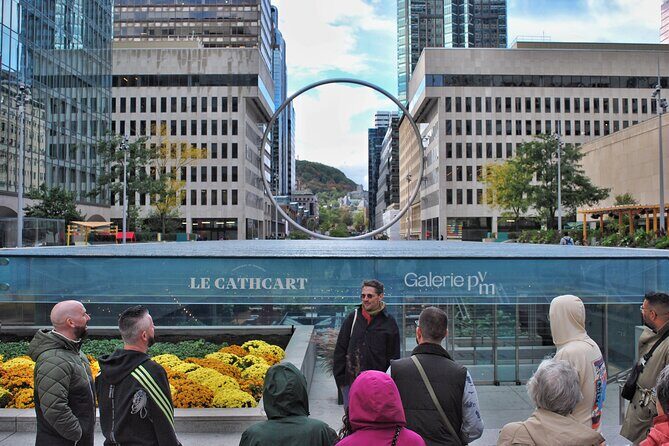
- Max 12 people keeps the pace human and the questions manageable.
- Underground City explained clearly so you understand how a massive pedestrian network fits together.
- Dorchester Square stories give you a reason to look up at the architecture and down at what’s underneath.
- Catholic cathedral vs basilica is explained in plain language, with Rome-style inspiration tied to symbolism.
- Rue Ste-Catherine photo time helps you capture the street that’s been doing its thing for generations.
- Place des Arts as a culture hub shows how Montreal’s performing arts live close to everything else downtown.
A 1-Hour Taste of Downtown Montreal, Without Getting Lost
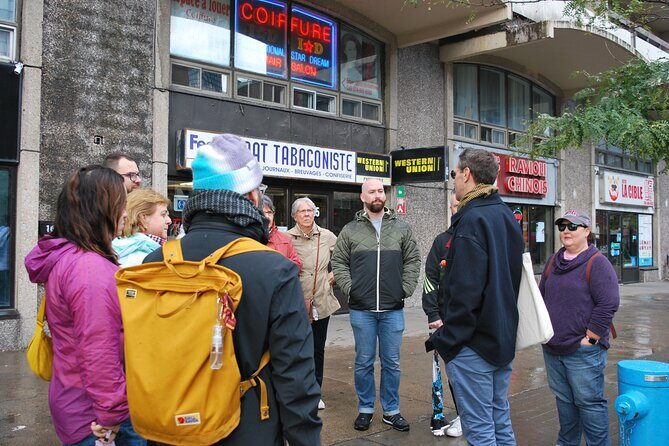
This is the kind of tour that works when you only have a short window in the city or you want to orient fast before you start wandering on your own. The route is walking-focused, and the timing is tight enough that you’ll feel like you covered downtown, even if you’re not trying to see everything.
What makes it especially useful is the way the guide connects buildings to how Montreal functions. You’re not just ticking off names; you’re learning why these places matter and what changed over time.
A few more Montreal tours and experiences worth a look


Meeting at Rue Metcalfe and Ending Near Place des Arts
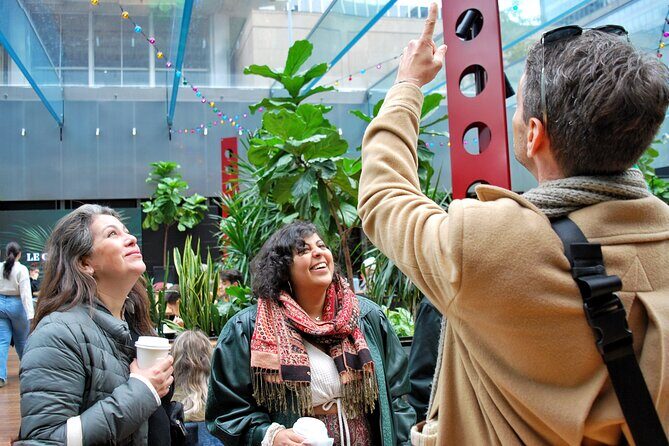
The tour starts at 1155 Rue Metcalfe and finishes at Place des Arts, 175 Rue Sainte-Catherine. The start time is 6:00 pm, which is a great hour for photographs and people-watching without burning daylight.
Because it ends at Place des Arts, plan your next step around that area. If you’re heading to dinner or an evening show, the location is convenient; if not, make sure you know how you’ll get back where you’re staying.
Dorchester Square: Where the Surface and the Underground Meet
Dorchester Square is more than a pretty downtown pause. You get historical context around the square’s surrounding architecture, plus the chance to learn what lies beneath it and under the Sun Life building.
This stop is valuable because it trains your eyes for Montreal’s layers. You start noticing how the city stacks old and new, and that makes every later stop easier to understand. Even if you only spend a few minutes here, you’ll leave with a stronger sense of how space is organized downtown.
Practical tip: bring your phone and snap a couple of overview shots before the group moves on. The square is the kind of place where a wide-angle view helps you remember the layout later.
The Historical Train Station and the Tunnels’ Story
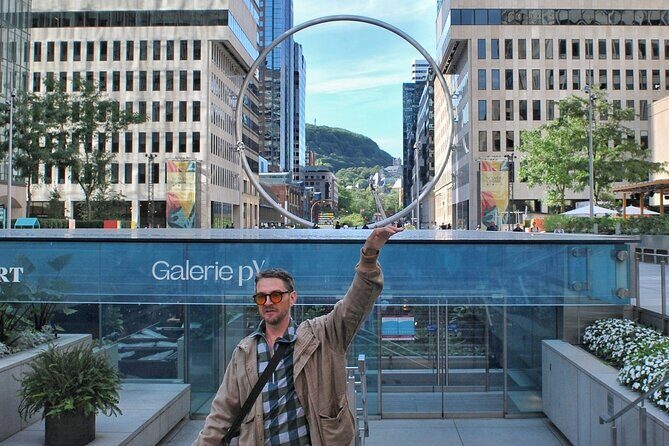
Next comes an important slice of Montreal’s transportation history: a historical train station known for amazing architecture and past scale. You learn how it used to be the biggest train station in the city, and how it connects today through the underground system.
The best part here is understanding the links. Instead of treating the underground network like a fun bonus, the tour explains how it connects buildings and even ties into a new commuter rail station through tunnels.
This stop is a reminder that Montreal isn’t just streets and signage. It’s also systems—routes people use when they want to move efficiently through the downtown core.
The Cathedral and Basilica Lesson You’ll Actually Remember
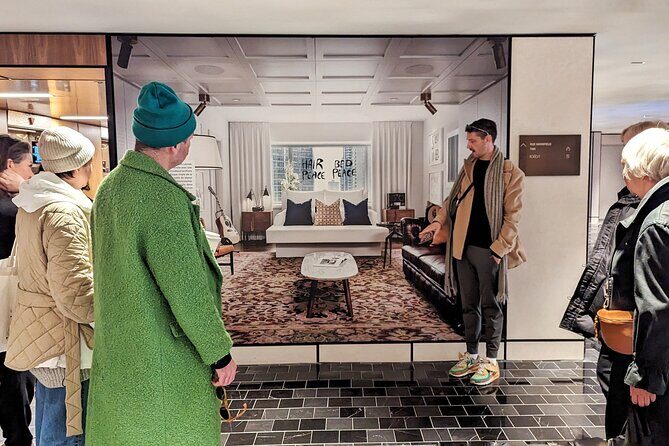
Then you get one of the tour’s most educational moments: a stop at Montreal’s Catholic cathedral and also a basilica. You’ll hear the definitions and distinctions between what those terms mean, which helps you read churches without getting lost in labels.
You’ll also learn how the architecture takes inspiration from St. Peter’s of Rome. More importantly, the guide explains why the cathedral’s location was a symbolic statement—something that makes the building feel intentional, not accidental.
Why this works for you: it turns a landmark into a story you can tell. When you understand the meaning behind the site, you’re more likely to notice details—shape, placement, and design choices—when you walk past it later on your own.





Place Ville-Marie: A “Modern Era” Marker and Underground City Origin
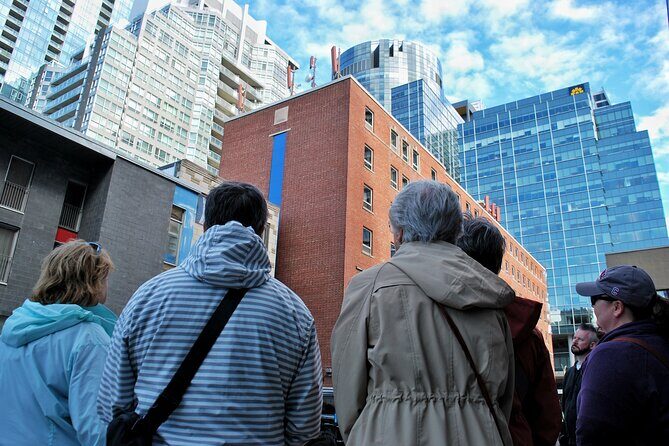
Place Ville-Marie is described as ushering in Montreal’s modern era, and it also holds the key detail that it’s considered the birthplace of the Underground City. The tour explains that the construction plans took decades to accomplish and why this building is considered one of the city’s major landmarks.
This stop is worth your attention because it connects two Montreal worlds: landmark downtown architecture above ground, and the web of paths below. Once you get that connection, the underground network stops feeling like random corridors and starts feeling like planned city infrastructure.
If you’re the type who likes to understand how cities grow, you’ll appreciate this one. It gives you a timeline feel—even in a short walk.
Underground City: How the World’s Largest Network Fits Together
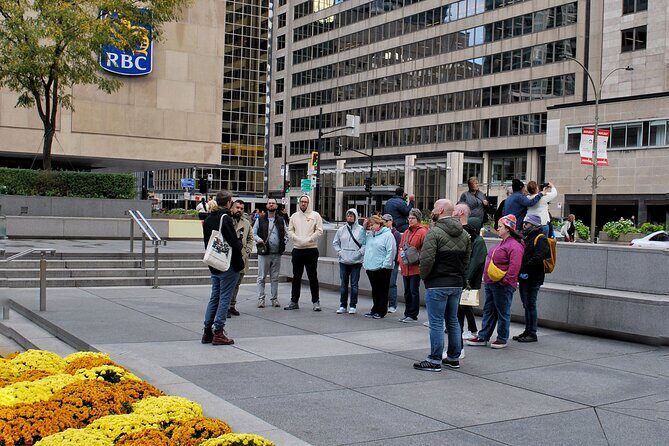
The Underground City stop is one of the biggest draws. You’re introduced to the idea of the world’s largest indoor pedestrian network, linking places through tunnels, overhead sky bridges, passageways, and more.
The point isn’t just that it exists. It’s how the guide helps you see how engineering and city planning come together to make movement possible across downtown. You’ll learn what to look for and how connections work, so you can navigate better later.
Photo note: the tour specifically includes time to take pictures of the Underground City. I’d treat that like your checkpoint—get one quick wide shot, then grab a couple of details where you can see the wayfinding or ceiling angles. Those are the kinds of photos that help future-you remember what you saw.
Rue Ste-Catherine: The Famous Stretch With Past, Present, Future
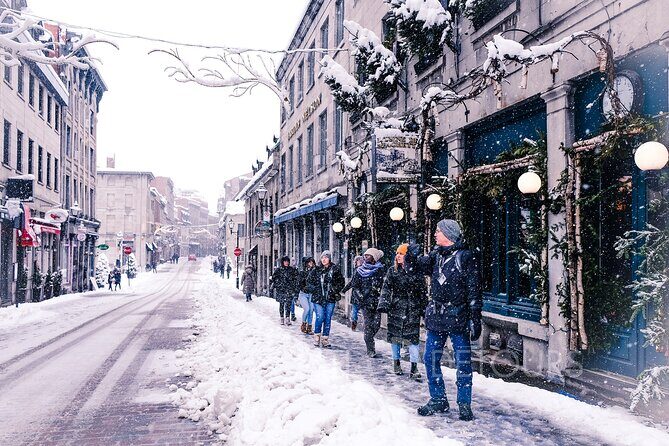
Rue Ste-Catherine is downtown Montreal’s headline street. The tour frames it as Canada’s longest commercial stretch and explains why its name pulls up images of both the past and what’s happening now.
You get a practical way to think about a street like this: not as a single attraction, but as a timeline of commerce and culture. That perspective is handy when you start walking on your own afterward, because you’ll notice patterns—where activity shifts, where foot traffic funnels, and where the street’s character changes.
Photo note: Rue Ste-Catherine is another included photography moment. Take a couple shots that show the street depth, not only storefronts. A “vanishing point” photo makes the scale feel real.
Phillips Square and the New Downtown Shift
Phillips Square is tied to Montreal’s downtown shift uphill into what’s often described as the New downtown. This stop is about how the city center moved and how that shift helped create a zone of department stores, grand theatres, and cabaret nightlife.
The key value here is the cause-and-effect framing. You’re shown how a specific place became a growth engine once the center of town relocated. In a short tour, that kind of explanation is gold because it stops the story from feeling like a list of buildings.
If you like theatre districts and historic shopping streets, this stop will feel especially satisfying. Even if you don’t go inside anywhere, the context makes the outside look purposeful.
A Church Turned Entertainment Venue: The Hidden-Beauty Story
One stop you won’t forget for its oddness: a historical church that was turned into an entertainment venue. You’ll hear the strange story about how it was hidden away for decades so that nobody could see its beauty.
This is the kind of detail you can’t easily Google while standing in the street. It changes how you look at the building in front of you, and it adds a little mystery to an otherwise straightforward walk.
Practical expectation: the group time here is short, so focus on the biggest visual cues. Look for what’s different between church architecture and entertainment use—shape, openness, and how space is repurposed.
Place des Arts: Where Montreal Culture Clumps Together
Place des Arts is presented as a performing arts complex that changed Montreal. You’ll see how it includes theatres, performance venues, art galleries, and a museum, all interconnected indoors.
This stop also reinforces the tour’s theme: Montreal is not just scattered sights. It’s a system of cultural spaces that cluster, and the guide helps you understand how that affects where people spend their evenings.
Why I like this as a closing stop: it gives you a natural next step. Once you’ve learned what’s here and why it matters, it’s easier to decide whether you want music, a show, or just a wander through cultural venues.
The surrounding area is described as Canada’s biggest concentration of arts and culture, with music, dance, theatre, art, festivals, and plenty of places to eat and drink. The tour doesn’t try to sell you every option; it gives you the orientation so your own choices feel smarter.
What You Get From a Live Guide (Beyond Facts)
A big part of the value is the way the certified guide provides recommendations for the rest of your trip. That matters because one of the hardest things in a new city is choosing what to do next once you’ve seen the main highlights.
This tour also aims for stories you won’t find in guidebooks in the same way. The underground connection details, the cathedral terminology, and the Dorchester Square beneath-the-surface framing are exactly the kind of human context that makes a short experience feel longer.
And because the group is capped at 12, you’re less likely to feel like you’re stuck watching someone else’s pace. The experience is built to stay conversational enough that you can ask questions when something clicks.
Price and Time: Is $24.67 Worth It?
At $24.67 per person for about an hour, you’re paying for structure plus a live guide. You’re not just buying access to landmarks; you’re buying a route that tells you how downtown works and what to look for while you walk.
For your money, the best value is the mix: major architectural stops, the underground network, and the cultural center at Place des Arts. If you’re short on time, that’s the sweet spot—one guide-led walk that sets you up for better independent wandering.
If you’re in Montreal for longer and you already know the underground basics, you might choose a longer, more specialized walking tour instead. But if you’re new to downtown or want quick orientation, this price-to-time ratio is hard to beat.
Who This Tour Is Best For
This fits best if you:
- Want a fast downtown overview in the evening
- Like architecture, city planning, and how places connect
- Prefer an intimate group size over large bus-style sightseeing
- Want photo opportunities at Underground City and Rue Ste-Catherine
- Appreciate practical recommendations so your next plans feel easier
If you hate walking or need long stops at each site, the short format may feel too quick. The route is designed to keep momentum, so you’ll get a sense of everything rather than one deep stop.
Should You Book This 1-Hour Downtown Montreal Tour?
I’d book it if you’re trying to understand Montreal downtown as a living system, not just a collection of famous spots. The Underground City explanation, the cathedral/basilica terminology, and the cultural ending at Place des Arts make it a strong “first taste” tour.
Skip it if you’re looking for long museum-style time at a single attraction. This is a walk-and-learn format, and its power is in the short, connected route.
If good weather is on your side, this one-hour plan is a smart, efficient way to leave downtown with a clearer mental map.
FAQ
How long is the 1 Hour Downtown Montreal Tour?
It runs for about 1 hour.
How much does the tour cost?
The price is $24.67 per person.
What is the group size limit?
The tour has a maximum of 12 travelers.
Where do I meet and where does the tour end?
You meet at 1155 Rue Metcalfe, Montréal, QC H3B 2V6, Canada, and the tour ends at Place des Arts, 175 Rue Sainte-Catherine, Montréal, QC H2X 3X5, Canada.
Is pick-up included?
No pick-up is included.
Is the tour offered in English, and do I get a mobile ticket?
Yes, it is offered in English, and it uses a mobile ticket.
Are service animals allowed, and what if the tour is canceled due to poor weather?
Service animals are allowed. If poor weather cancels the tour, you’ll be offered a different date or a full refund.