REVIEW · MONTREAL
From Montreal: Omega Park Wildlife Safari Calling Sounds
Book on GetYourGuide →Operated by North Adventures · Bookable on GetYourGuide
Who knew a car ride could lead to wolves. This private Parc Omega safari from Montreal uses special sound devices so animals react right in front of you, while a guide keeps everything responsible and educational.
I love the combination of close encounters and real animal respect. You get a private wildlife guide, binoculars, and the chance to feed selected animals with approved treats, all while learning how species actually behave.
The main thing to consider is time and weather. This is a long day out of Montreal (about 7 to 9 hours), and you’ll want closed-toe shoes and clothing that works outdoors in changing conditions.
In This Review
- Key points to know before you go
- The smart setup: Parc Omega + sound devices
- A full day out of Montreal, without the hassle
- Entering Parc Omega: guided wildlife viewing in blocks
- How the guide turns reactions into real understanding
- The ethical feeding moment: treat, distance, and rules
- Break time, photo stops, and Montebello Lodge time
- What animals look like when you’re actually ready
- The conservation angle you’ll appreciate later
- Price and value: what you’re paying for at $264 per person
- Who this safari fits best (and who might not love it)
- Practical tips for a smoother, better wildlife day
- Should you book the Omega Park sound safari from Montreal?
- FAQ
- How long is the Omega Park safari from Montreal?
- What’s included in the tour price?
- Do I need to bring food or snacks?
- What languages is the live guide offered in?
- Where does pickup happen in Montreal?
- Are there age rules for children?
Key points to know before you go
- Animal-attracting sound devices help you spot reactions faster, from curious stares to playful approaches
- Private guide with behavior insights (and explanations of what the sounds mean)
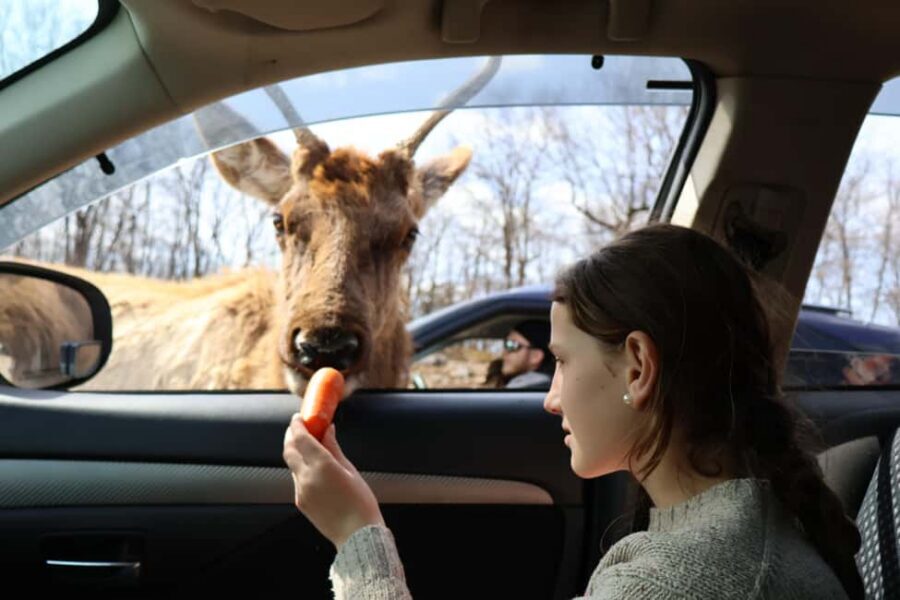
- Ethical feeding with approved treats for selected animals, guided to keep it respectful
- Binoculars included so you can watch from a safe distance when animals hang back
- Conservation donation to Omega Park, so your day supports the work behind the scenes
The smart setup: Parc Omega + sound devices
Parc Omega is the kind of place where you stop thinking of wildlife as scenery and start treating it like, well, wildlife. The big twist on this safari is that your guide uses animal-attracting sound devices to catch attention in a controlled way. The goal isn’t magic. It’s pattern and behavior. A guide can read the animals’ body language, and the sounds give them a reason to notice you.
What I like about this approach is that it turns a wildlife park visit into an actual learning experience. You’re not just waiting for animals to wander by. Your guide shares what different sounds signal and how species tend to respond. That means when an animal pauses, looks your way, or changes pace, you have a better idea of why.
And yes, you may see a range of reactions. Based on the experience style here, think curious stares first, then increasingly bold interest if the animals feel comfortable. You’ll still be watching from outside the animals’ normal space, and the guide keeps the pace calm so you don’t stress anyone out.
Other Parc Omega & wildlife tours from Montreal
A full day out of Montreal, without the hassle
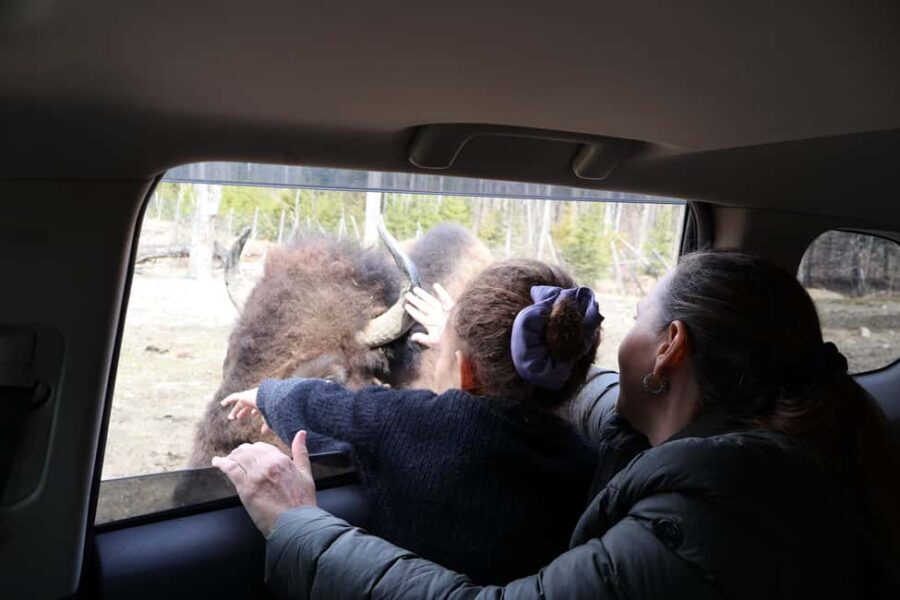
You start with a private round-trip setup from Montreal. Pickup is offered at your hotel or other downtown accommodation, so you’re not playing transit Tetris before you even get to the park. If you didn’t set a pickup location in advance, the default departure point is Namur Metro Station (Orange line). Either way, it’s built to make the day easy.
Once everyone’s in the vehicle, you’re looking at a scenic drive through Quebec countryside. That matters more than you might think. Long days are easier when the travel time isn’t wasted. The tour schedule also includes break time (around 15 minutes early on), so you’re not stuck rigidly from door to door.
Over 7 to 9 hours, the day feels structured rather than rushed. There are multiple guided wildlife viewing blocks, plus a photo stop and a free-time window. Translation: you can actually enjoy what you’re seeing instead of just sprinting from one photo opportunity to the next.
Entering Parc Omega: guided wildlife viewing in blocks
After the drive, you arrive at Parc Omega near Montebello. Then you get into the main event: guided wildlife viewing with a private wildlife guide. Your time inside includes a longer viewing block (about 2 hours) plus additional shorter guided periods later in the day. This pacing is a big deal.
Why? Because wildlife doesn’t follow a timetable. Animals move, rest, and decide when they want to interact. Multiple viewing windows give you repeat chances when conditions change—light, sound, animal mood, and just plain luck.
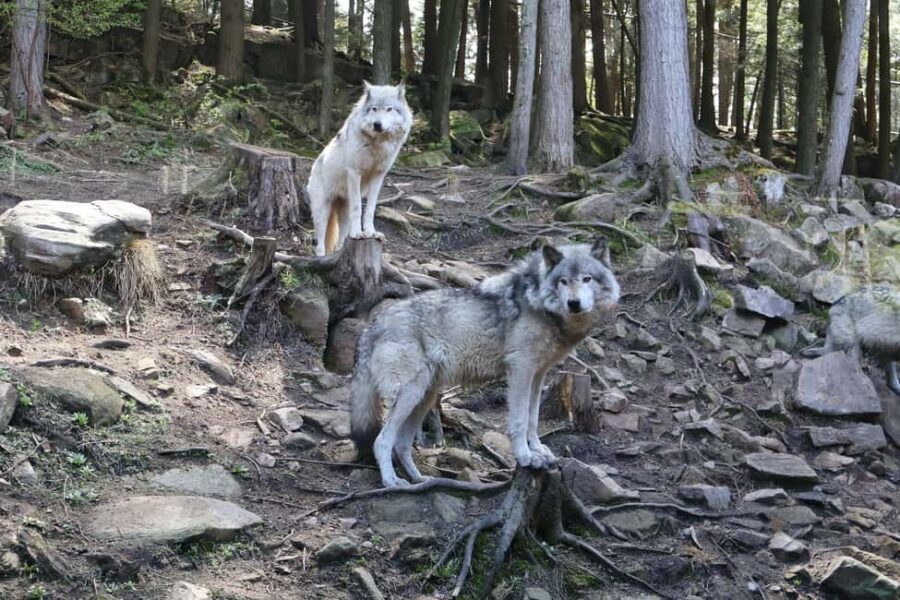
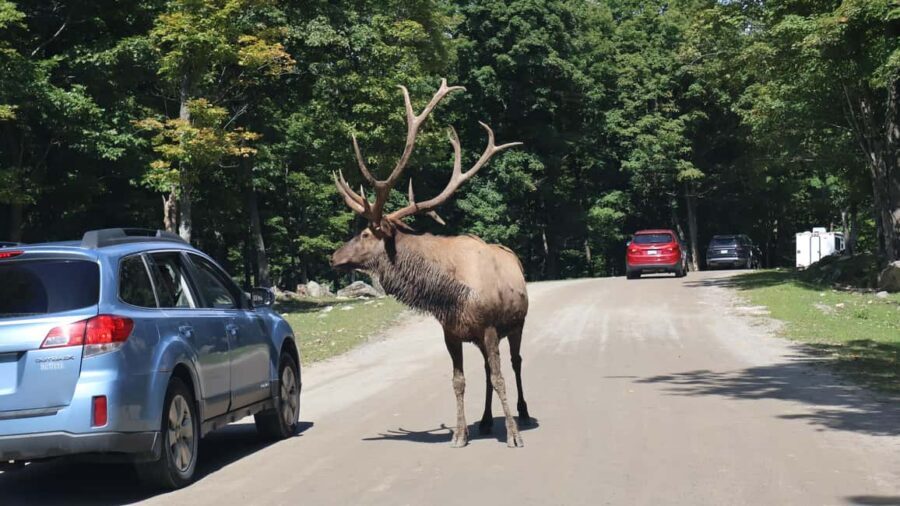
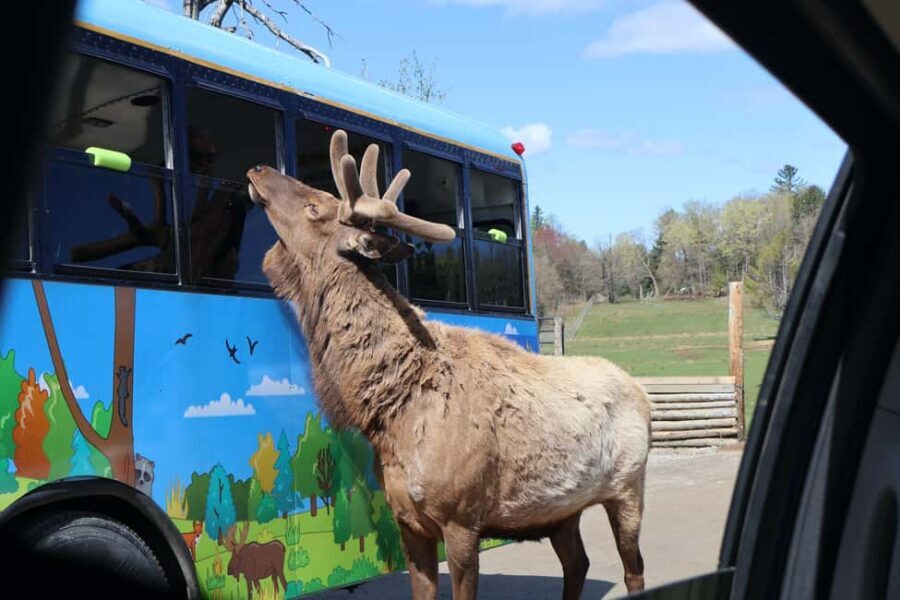
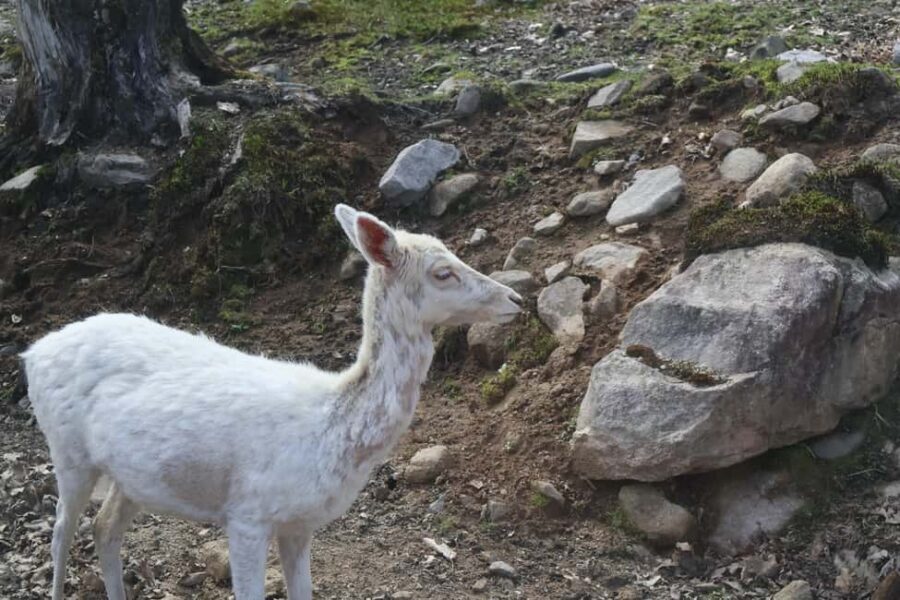
You can expect to see Canada’s native species in areas designed for them to roam freely. The animals mentioned for this experience include deer, elk, wild boars, bison, and even wolves. Seeing that mix is part of why Parc Omega is famous, and why the sound-device setup helps—more animals pay attention when the guide triggers the right cues.
You’ll also have binoculars included. That’s a practical gift. Not every animal will come close, and some may choose to stay farther away. With binoculars, you can still get real detail without pushing your luck. It’s the difference between blurry hope and an actually good view.
How the guide turns reactions into real understanding
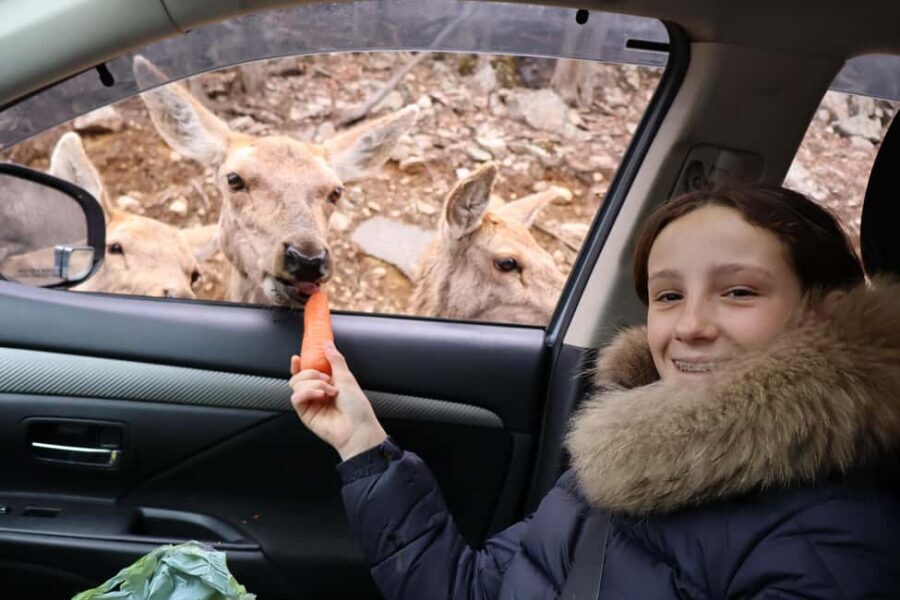
The private guide is the heart of this experience. A good guide doesn’t just point and name animals. They explain behavior in a way you can connect to what you’re seeing right now.
Here’s what this tour specifically leans into: the guide uses sound devices and then translates the animals’ reactions. You’ll learn what each sound seems to trigger and how different species respond to attention cues. That’s how “cool moment” becomes “I understand what I’m watching.”
One detail that really stood out in the feedback I gathered: guides are often described as friendly and attentive, and one guide name came up clearly—Andres Felipe. The point isn’t the name. The value is the vibe: you get a guide who’s paying attention to your group and making sure you understand what’s happening, not just shepherding you along.
This is especially helpful if you’re not a hardcore wildlife person. If you want the experience to feel like nature school with good views, this is built for that.
The ethical feeding moment: treat, distance, and rules
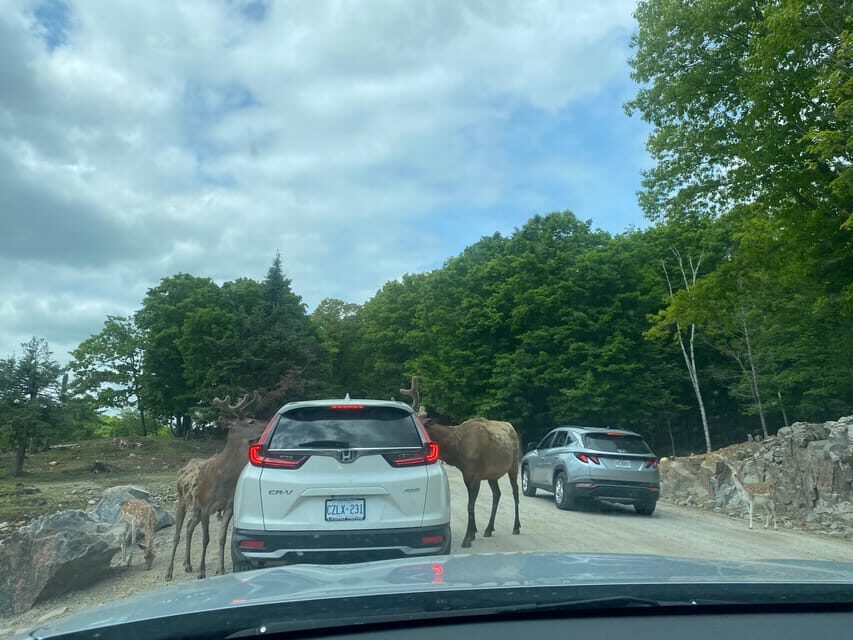
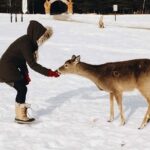
Feeding wildlife is where this safari becomes more than viewing. The experience includes ethical animal treats for feeding selected animals with approved items. That word “selected” matters. It implies the park chooses which animals are set up for controlled interaction, and your guide manages the process.
In a setting like this, feeding isn’t about getting your best selfie. It’s about doing something that fits the park’s wildlife standards. Your guide’s instructions are the non-negotiable part of the feeding segment.
You’ll also want to respect animal space even when feeding is permitted. Expect the guide to keep you positioned responsibly, and don’t assume animals will act the same way twice. Some animals are curious; others are cautious. The sound devices can shift the mood, but they don’t remove the need for calm and patience.
Practical tip: bring a mental checklist for the feeding moment. Watch first. Listen for the guide’s cues. Then feed only when you’re told it’s your turn. That’s how you keep the experience safe and respectful.
A few more Montreal tours and experiences worth a look
Break time, photo stops, and Montebello Lodge time
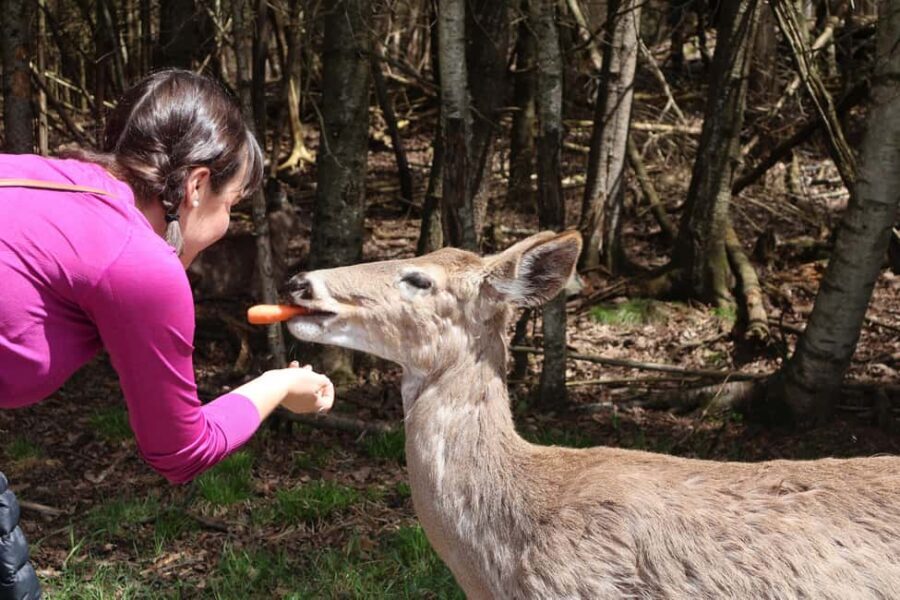
There’s a break in the middle of the day, including a photo stop and about 45 minutes of free time. The tour also includes entrance to Montebello Lodge, so this is likely where you can stretch your legs and enjoy the area at a slower pace.
This is the portion of the day that helps families and anyone traveling with mixed energy. After a long wildlife viewing stretch, it’s nice to take a breath and reset. Use the time for photos, quiet viewing, or just a snack you brought (meals aren’t included in the tour).
Weather check matters here. If skies are dramatic, you’ll see it in the wildlife rhythm too—some animals move more, some less. The good news is your day has enough structure that one change in weather doesn’t ruin the entire plan.
What animals look like when you’re actually ready
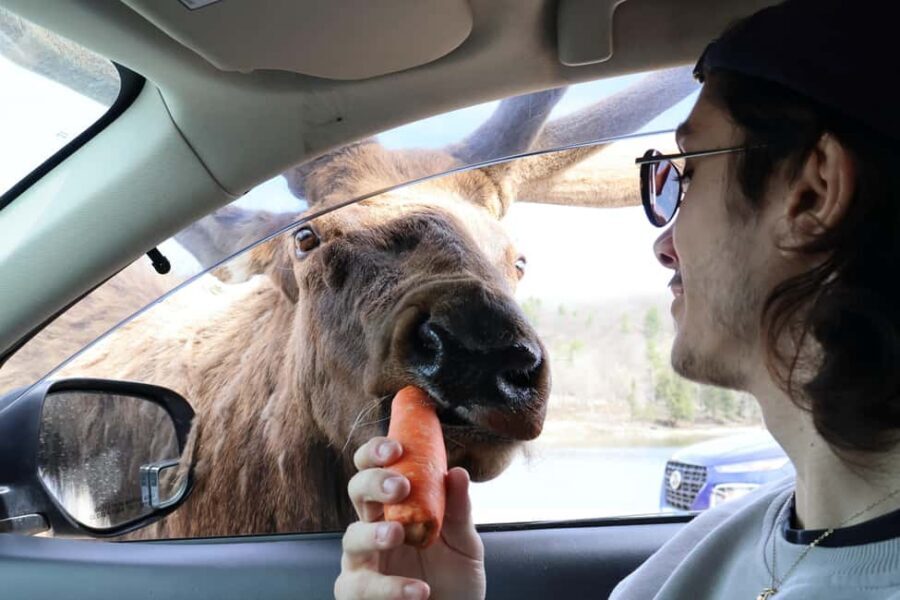
The real thrill of this safari isn’t only that you might see wolves or bison. It’s that your viewing improves because the tour actively supports spotting and noticing behavior.
With the guide’s sound device cues, animals are more likely to look your way. That can mean:
- Curious stares that let you observe body language
- Playful approaches when animals decide curiosity wins
- Opportunities to watch how species react differently to the same attention triggers
And if you don’t get the closest interactions? You still get value from the binoculars and multiple viewing windows. Close-up wildlife moments can’t be guaranteed, because animals control their own distance. What the tour can control is your ability to observe well, and that’s exactly what it does.
The conservation angle you’ll appreciate later
One line item here can feel abstract until you picture the real cost of wildlife care: the tour includes a conservation donation to Omega Park. That means part of what you pay goes back into the systems that keep animals protected and habitats managed.
This matters for two reasons. First, wildlife viewing works best when parks invest in ongoing animal welfare. Second, giving a donation doesn’t replace regulations or responsible behavior. But it does support the infrastructure behind the experience—staff, habitat management, and conservation work.
If you care about seeing wildlife today and still having it around tomorrow, it’s a reassuring detail that this safari doesn’t pretend observation is the whole story.
Price and value: what you’re paying for at $264 per person
At $264 per person, this isn’t the cheapest “wildlife day trip.” But it’s also not just a ticket. You’re buying a full service day out of Montreal: private transportation, hotel pickup and drop-off, a private guide, entrance fees, binoculars, sound devices, ethical treats, and a conservation donation.
The value calculation is simpler if you compare what’s included against what you’d likely pay on your own:
- Getting to Omega Park and back is usually the biggest hassle without a car.
- A private guide is what turns wildlife viewing into understanding.
- The sound devices and ethical feeding components are specific to this kind of guided experience.
If your goal is a passive walk where you hope animals show up, you might find cheaper options. If your goal is a managed, informative wildlife day where you’re actively learning and observing, the pricing starts to make sense. Especially for small groups that share the cost of private transport.
Who this safari fits best (and who might not love it)
This experience is built for families, couples, or small groups who want an educational day close to Montreal. The private guide format helps kids and adults stay engaged, because the guide can adapt explanations in real time.
Children under 12 must be accompanied by an adult, so plan as a family group rather than expecting a kid-friendly drop-off vibe.
It may be less ideal if you:
- Hate long car rides
- Want strictly guaranteed “animals at arm’s length” experiences (wildlife doesn’t work that way)
- Prefer short half-day activities
On the other hand, if you like nature and you enjoy understanding behavior—not just taking photos—this is one of the more thoughtful ways to spend a full day outside the city.
Practical tips for a smoother, better wildlife day
- Wear comfortable clothing and closed-toe shoes. Some walking is involved.
- Dress for changing weather. The tour operates in various conditions, so layers help.
- Bring a small day snack if you get hungry between viewing blocks. Meals and drinks aren’t included.
- Listen to your guide during sound-device moments and especially during feeding. Follow instructions—always.
- Use binoculars even when animals come close. You’ll catch details other people miss.
Also, keep your pace calm. A wildlife safari goes better when you move like a guest in the animals’ world, not like you’re chasing a theme park ride.
Should you book the Omega Park sound safari from Montreal?
If you want a wildlife day trip that feels organized, respectful, and educational, I’d say it’s a strong yes. You’re not only visiting Parc Omega—you’re getting a private guide, guided wildlife viewing in multiple blocks, binoculars, and sound-device cues that make it easier to observe animal behavior.
I’d especially recommend it if your group includes kids, or if you’d like to turn a “sightseeing” visit into something you remember for the lessons. The ethical feeding piece, done with approved treats and guide instructions, adds a meaningful interaction without turning the animals into entertainment.
Skip it only if your group can’t handle a full 7 to 9 hour day outdoors, or if you’re hoping for guaranteed close contact. Wildlife sets the terms. The tour just helps you notice the right things at the right time.
FAQ
How long is the Omega Park safari from Montreal?
The experience lasts about 7 to 9 hours, depending on the starting time and schedule for the day.
What’s included in the tour price?
It includes private round-trip transportation from Montreal, a private guide, hotel pickup and drop-off, entrance to Omega Park and Montebello Lodge, animal-attracting sound devices, binoculars, ethical animal treats for feeding, and a conservation donation to Omega Park.
Do I need to bring food or snacks?
Meals and drinks are not included, so you may want to bring a snack for breaks during the day.
What languages is the live guide offered in?
The live tour guide is available in English, French, Russian, and Spanish.
Where does pickup happen in Montreal?
Pickup is available at any hotel, motel, Airbnb, or other accommodation in downtown Montreal. If you didn’t specify a pickup location, the default departure point is Namur Metro Station (Orange line).
Are there age rules for children?
Yes. Children under 12 must be accompanied by an adult.