REVIEW · MONTREAL
Montreal: Half-Day City Tour
Book on GetYourGuide →Operated by N-tours · Bookable on GetYourGuide
Three hours, and Montreal starts making sense. This half-day city tour is built for fast orientation, mixing upscale streets, big-city neighborhoods, and classic photo spots into one smooth route. I especially like how it pairs Montreal’s most famous lookout moments with real landmark stops, so you leave knowing where everything fits.
Two things I’d highlight: the included visit to Saint Joseph’s Oratory (Canada’s largest basilica) and the Mount Royal views, from Beaver Lake to the Camillien Houde overlook. One drawback to keep in mind: the Oratory can take a larger share of the time than some people expect, so if you want constant motion and variety, this might feel a bit Oratory-heavy.
In This Review
- Key highlights you’ll feel on the ground
- A Fast, Guided Taste of Montreal’s Contrasts
- Morning Route: Oratory, Mount Royal Lookouts, and Old Montreal Photo Stops
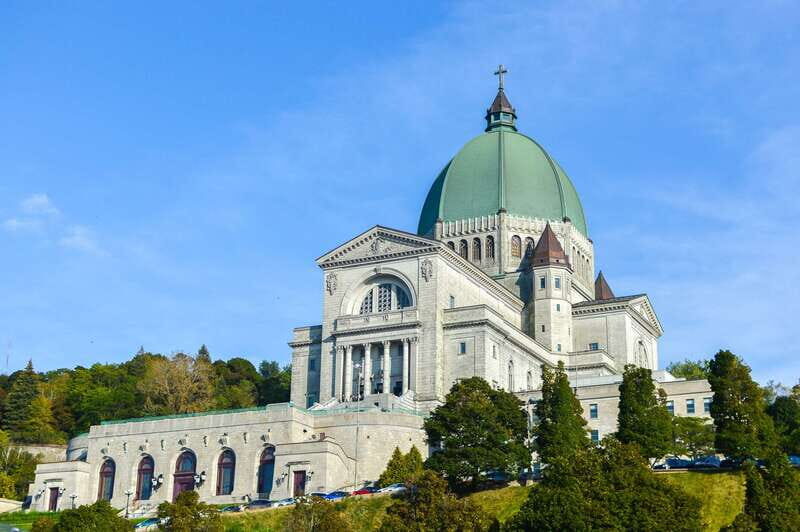
- Saint Joseph’s Oratory: the star stop
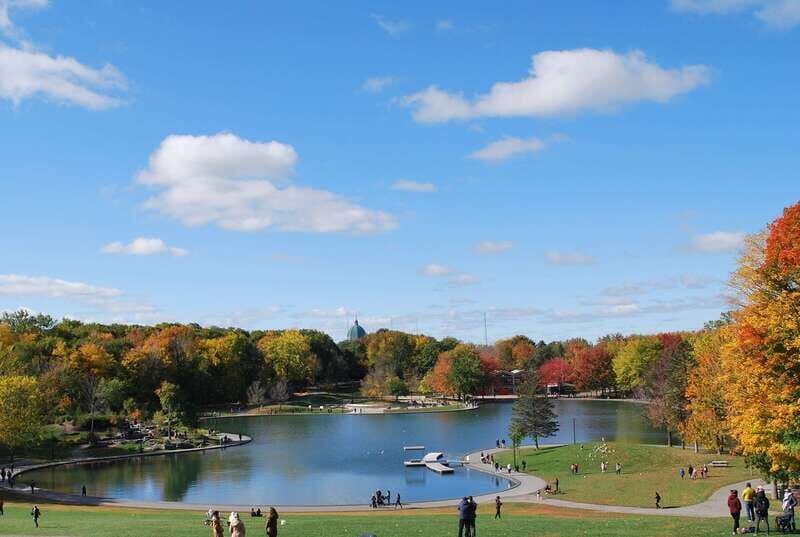
- Mount Royal Park: Beaver Lake and the view that sells the city
- Saint Helen’s Island and Expo 67-area photos
- Old Montreal finish: Notre-Dame Basilica for photos
- Afternoon Route: Old Montreal Start, Westmount, Chinatown, and Mount Royal from the Top
- Notre-Dame Basilica photo stop to kick things off
- Old Port area, Chinatown, and Quartier des Spectacles
- Westmount: the neighborhood where the architecture talks
- Saint Joseph’s Oratory again, then the mountain finale
- Drop-off back downtown
- Stops That Matter Most in 3 Hours (and What to Watch For)
- Saint Joseph’s Oratory is the centerpiece
- Mount Royal viewpoints are the best use of your walking time
- Old Montreal shows up differently depending on time slot
- Parc Jean-Drapeau and the Expo 67 connection
- Neighborhood driving: useful, not a substitute for walking
- Price and Value: What $98 Buys in a Short Tour
- Transportation, Comfort, and the Real Timing of a Half-Day Van Tour
- What to Bring and How to Prepare for a 3-Hour Sightseeing Sprint
- Should You Book This Montreal Half-Day City Tour?
- FAQ
- How long is the Montreal half-day city tour?
- Is hotel pickup available?
- What’s included with admission?
- Does the tour run in bad weather?
- What group size should I expect?
- What is the cancellation policy?
Key highlights you’ll feel on the ground
- Small-group size (8–16) means you’re not stuck in a huge bus crowd at each stop.
- Saint Joseph’s Oratory included gives you more time inside than a quick exterior glance.
- Mount Royal photo moments are practical, with viewpoints like Beaver Lake and the Camillien Houde outlook.
- Two route options let you do Old Montreal either at the beginning (afternoon) or near the end (morning).
- Expo 67 leftovers still matter, with Parc Jean-Drapeau and a photo stop at the Biosphere.
- English live guiding helps turn landmarks into a story you can repeat later.
A Fast, Guided Taste of Montreal’s Contrasts
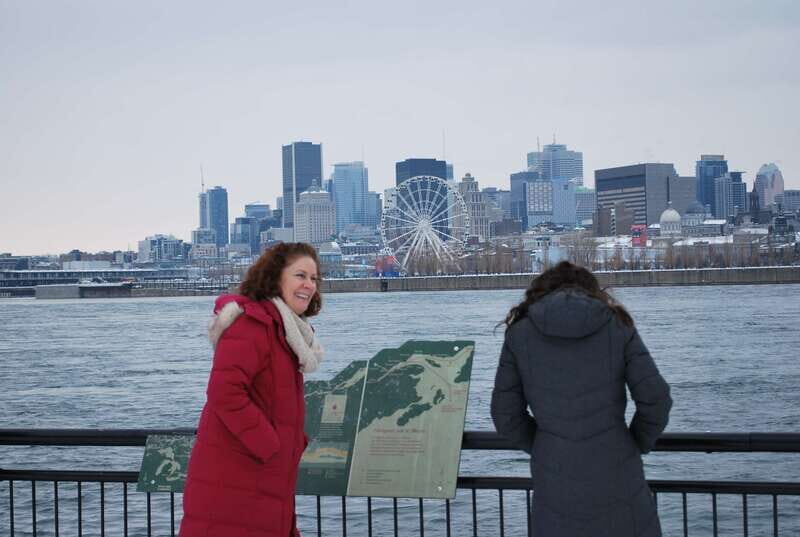
Montreal can feel like multiple cities stacked on top of each other: French-style boulevards, big church silhouettes, modern event spaces, and neighborhoods that look like they’ve been styled for postcards. This tour is a compact way to sort it all out.
You’ll ride in a van with a live English guide (small group: 8–16 people). The pacing matters here. Three hours sounds short, but the route is designed so you spend your best daylight—especially at scenic points—rather than just commuting.
The vibe is also less “checklist” and more “get your bearings fast.” Guides like Fran/Francoise and Mounir come up repeatedly in the feedback, praised for making architecture and local context easy to follow. One thing you can count on is that the guide isn’t just reading facts off a sign; they’re tying neighborhoods to why they look the way they do.
Other city tours we've reviewed in Montreal

Morning Route: Oratory, Mount Royal Lookouts, and Old Montreal Photo Stops
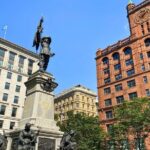
The morning option works well if you like starting early and getting the heavy sights out of the way before the rest of your day. If you choose pickup, it’s from selected downtown hotels; otherwise you meet at Place d’Armes by the Monument of Maisonneuve.
Saint Joseph’s Oratory: the star stop
The morning route typically begins with Saint Joseph’s Oratory, where admission is included. This is one of those places that can feel like a landmark and a destination at the same time. You’re not just photographing the big structure—you get time inside to take in the scale and details that make it famous.
Why it’s valuable: Oratory time gives you a “wow” anchor for the entire trip. Once you’ve seen it, other parts of Montreal—especially the city’s French and Catholic-influenced character—start to read more clearly.
One heads-up: some visitors feel there’s a lot of time at the Oratory. If you prefer a rapid-fire tour with many brief stops, this is the main pacing trade-off on the morning route.
Mount Royal Park: Beaver Lake and the view that sells the city
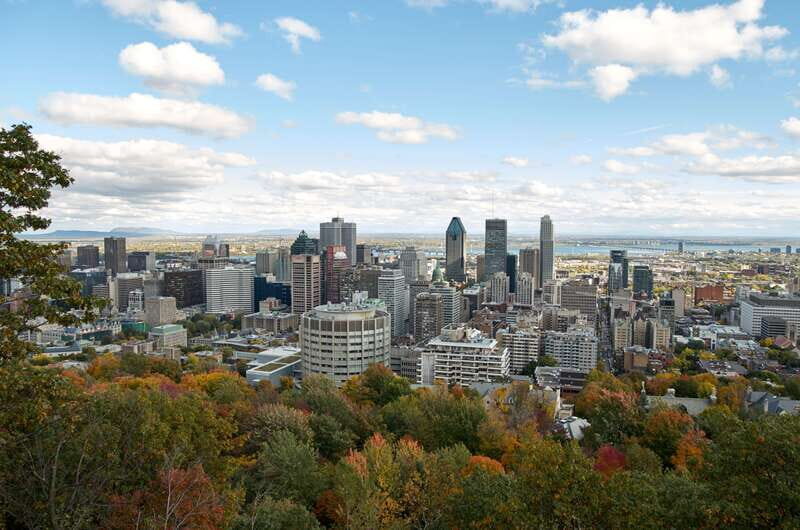
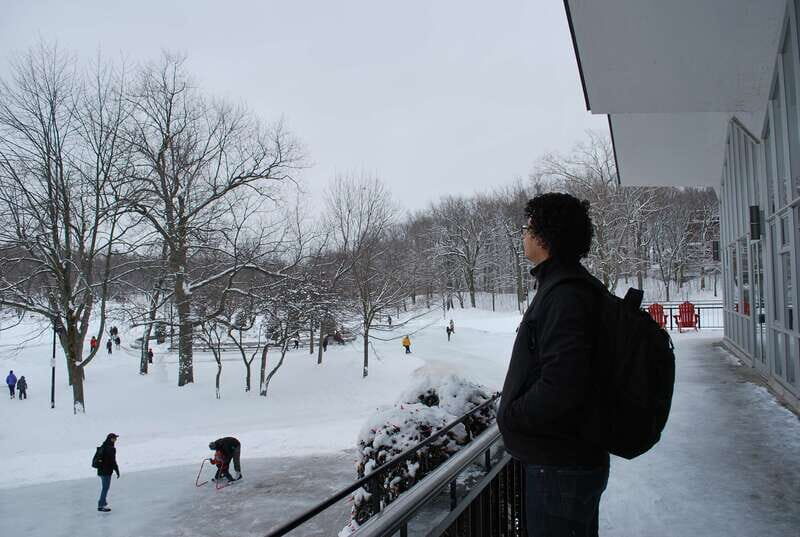
Next comes Mount Royal Park, where you’ll walk to Beaver Lake (Lac aux Castors). Even when the weather isn’t perfect, the park gives you something Montreal does well: combining walking paths with dramatic city framing.
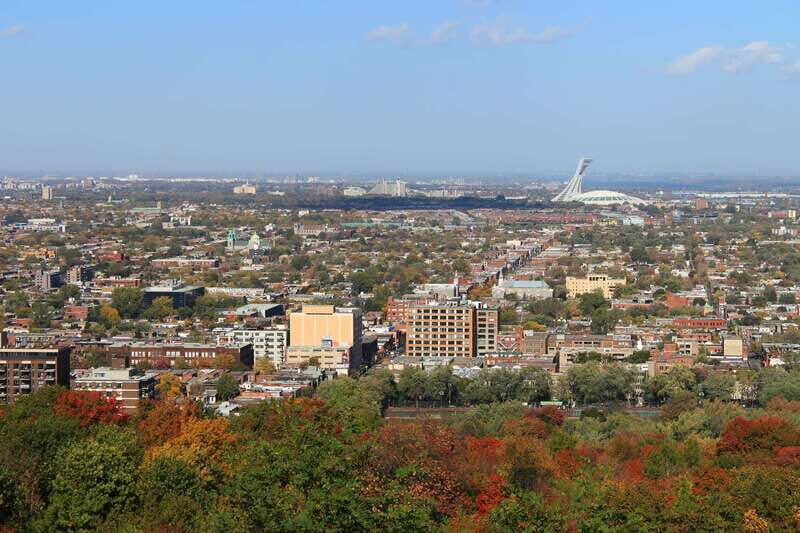
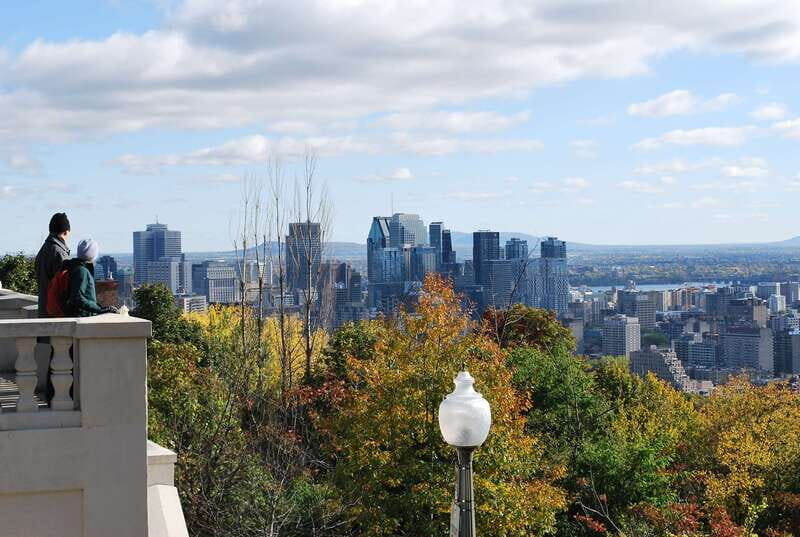
From there, you’ll hit Camillien Houde outlook for a picture of the city. This is the kind of viewpoint that helps you understand Montreal’s layout in minutes, especially how downtown sits against hills and neighborhoods.
Saint Helen’s Island and Expo 67-area photos
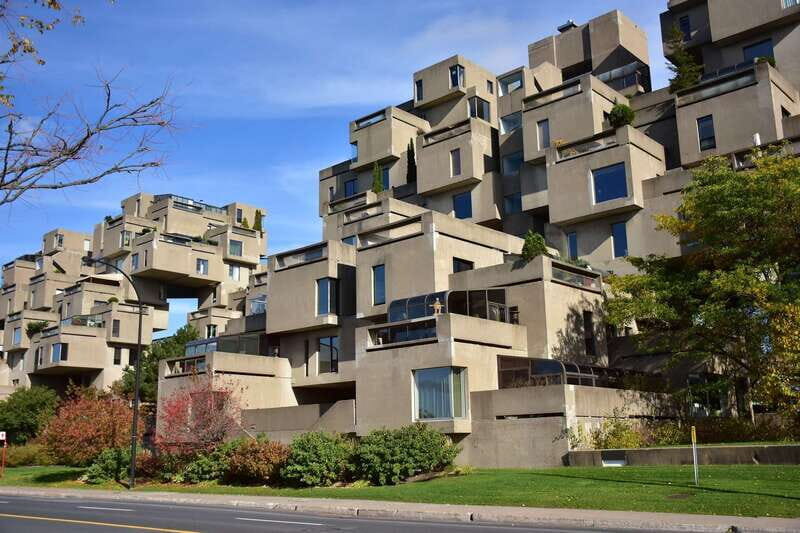
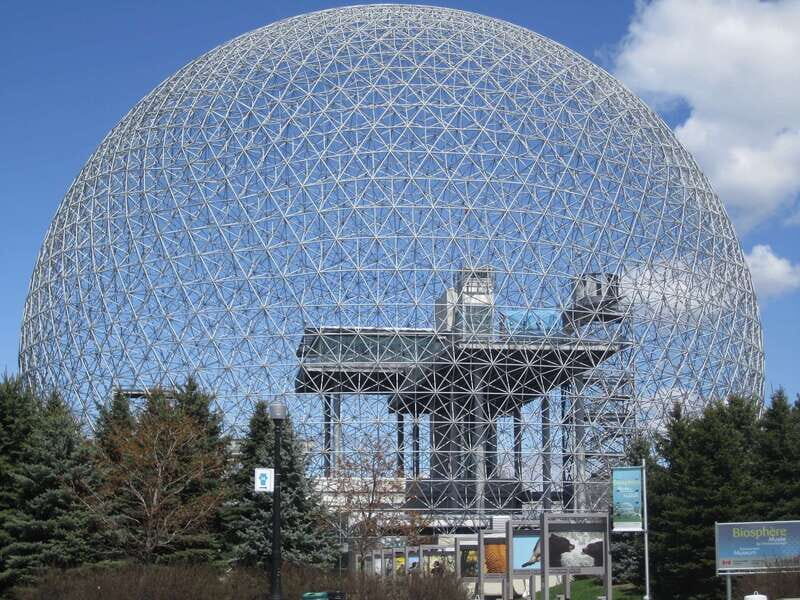
Then you cross via Jacques Cartier Bridge to Saint Helen’s Island, stopping at Parc Jean-Drapeau. This is where Expo 67 happened, and you’ll also get a photo stop at the Biosphere Environment Museum.
Why it’s valuable: Expo 67 is one of those events that shaped Montreal’s modern identity. Even if you don’t go deep into museum time, seeing the site helps you connect the dots between the city’s past ambitions and what you’re seeing today.
A few more Montreal tours and experiences worth a look

Old Montreal finish: Notre-Dame Basilica for photos
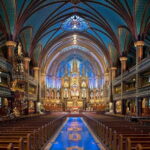
The morning tour ends with a photo stop at Notre-Dame Basilica in the Old Montreal area. Important detail: entry isn’t included here, so plan on photos from the outside unless you decide to return later on your own.
If you want Old Montreal to be your main “walk around” time, the afternoon tour can feel better. But as a morning closer, it gives you a solid visual payoff before you break for lunch.
Afternoon Route: Old Montreal Start, Westmount, Chinatown, and Mount Royal from the Top
The afternoon option is for you if you’d rather start in Old Montreal and then work outward toward viewpoints and neighborhoods. Your meeting point is the heart of Old Montreal at Place d’Armes, near the Monument of Maisonneuve by Notre-Dame Basilica.
Notre-Dame Basilica photo stop to kick things off
The afternoon begins with a photo stop at Notre-Dame Basilica. Again, this is about exterior views, not entry.
Why starting here works: you begin with one of the city’s most recognizable symbols. Then the rest of the route helps you understand what’s beyond the postcard.
Old Port area, Chinatown, and Quartier des Spectacles
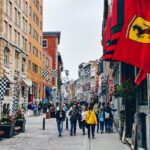
From there you’ll head toward the Old Port area, then drive through Chinatown and Quartier des Spectacles (the entertainment district). This is one of the route features I like for visitors who don’t want to spend their whole trip doing just museums or just churches.
These driving segments give you quick context: where Montreal concentrates nightlife, where you’ll find international food energy, and how the city’s different zones connect.
Westmount: the neighborhood where the architecture talks
Then you move to Westmount, an upscale area known for distinctive homes and mansions. You won’t spend hours wandering here, but the neighborhood itself is part of the lesson: Montreal has layers, and Westmount is one of the easiest ways to see another face of the city.
Saint Joseph’s Oratory again, then the mountain finale
The afternoon route typically loops back to Saint Joseph’s Oratory, then continues to Mont Royal Park, with time to stroll up toward the top for scenic city views.
This version often feels like a satisfying “climb and look” payoff, especially if you want a viewpoint moment as the final memory.
Drop-off back downtown
At the end, you’re dropped off at selected downtown hotels or back at the start point, based on preference. For planning your evening, that matters: you’re not stuck figuring out transit right when you’re tired.
Stops That Matter Most in 3 Hours (and What to Watch For)
The route is built around a set of anchors: one huge spiritual landmark, one major city park, one signature old-city zone, plus a few “connection points” across neighborhoods.
Saint Joseph’s Oratory is the centerpiece
The feedback is consistent: the Oratory stop is where most people feel the tour becomes memorable. It’s also where time gets heavy. One reviewer noted the Oratory took up a big chunk and the other stops felt a bit rushed.
My practical take: if your top priority is architecture, interior details, and big “wow” moments, you’ll likely enjoy this. If you’re more of a “quick hits, many neighborhoods” person, consider whether you’ll be satisfied with fewer short stops.
Mount Royal viewpoints are the best use of your walking time
The walking components are not long, but they’re placed where the reward is real: Beaver Lake, then viewpoints like Camillien Houde outlook, and on the afternoon route, a climb toward the top.
This is what turns “driving around” into “understanding Montreal.” You’ll see how downtown sits against the hill, and you’ll get photo angles you’d miss if you only stayed on the flat streets.
Old Montreal shows up differently depending on time slot
Both routes include Old Montreal. Morning does it near the end; afternoon starts there. If you want to turn that into a longer personal wander (cafés, side streets, extra church time), the afternoon start can be a better setup.
Also note the treatment of Notre-Dame Basilica: it’s a photo stop, not admission. That’s not a bad thing—it just means you should plan entry separately if it’s a must.
Parc Jean-Drapeau and the Expo 67 connection
A lot of Montreal history gets summarized without giving you places to point at. Here, you get a physical reference point: Parc Jean-Drapeau and the Biosphere photo stop. You may not spend museum time, but seeing the setting helps history feel less abstract.
Neighborhood driving: useful, not a substitute for walking
Driving through Chinatown and Quartier des Spectacles gives you quick context. Still, it can’t replace actually walking those districts. Treat these segments as orientation, then choose your favorite neighborhood later for a longer stroll.
Price and Value: What $98 Buys in a Short Tour
At $98 per person for a 3-hour guided small-group tour, you’re paying for three things: a trained guide, transportation, and a “time-saving” route that hits major sights without you mapping everything.
Here’s the value math that matters:
- Hotel pickup (morning, selected downtown hotels) reduces friction. You’re not paying time and energy to reach the meeting point.
- Van transportation matters in Montreal, where distances and neighborhoods stack up quickly.
- Admission to Saint Joseph’s Oratory is included, and that’s one of the more “worth it” costs to have handled for you.
On the other side, you’re not buying a long day of walking or restaurant time. Food and drinks are not included, and you’ll be mostly sightseeing rather than lingering.
My advice: if you’re visiting for a short stay and want a clear “first Montreal day” with the big anchors handled, this price can feel fair. If you already plan to rent a car or use transit and visit Oratory and Mount Royal on your own anyway, you might feel you could DIY parts more cheaply. The difference is what a guide buys you: speed plus a coherent story.
Transportation, Comfort, and the Real Timing of a Half-Day Van Tour
This is a shared small-group tour, not a private charter. The upside is social energy and quick questions to the guide. The trade-off is that you’re on the schedule of a shared route and a shared van.
The tour runs in rain or shine, so you’ll want weather-appropriate clothing. Also, you’ll be outside for photo stops and viewpoints, even if some sections are more driving than walking.
Comfort notes from feedback are mostly positive: many people praised the guide and the smoothness of the experience. A minority mentioned older or less ideal vehicle condition, so if comfort is your top priority, it’s smart to confirm what vehicle type you’ll receive when booking.
One more timing note: one reviewer said the tour ended later than expected, though it didn’t disrupt their plans. In real life, that can happen when groups linger at photo spots or when crowds change how long entries take.
What to Bring and How to Prepare for a 3-Hour Sightseeing Sprint
Keep your prep simple:
- Bring passport or ID (required).
- Wear weather-appropriate clothing.
- Plan on photos—the route is full of viewpoint moments.
Food is not included, and the tour does not allow food/drinks during the experience. So I’d plan a snack before you go or save your meal for after. If you’re doing the morning tour, you’ll likely want lunch ready. If you’re doing the afternoon tour, think about what you’ll do once you’re dropped downtown.
Also, the tour is not suitable for wheelchair users, so choose another format if mobility is an issue.
Finally, keep an eye on the itinerary day-of. It can change due to special events, road closures, or attraction closures. That’s normal city reality, but it’s good to know the route isn’t carved in stone.
Should You Book This Montreal Half-Day City Tour?
Book it if:
- You want a guided, efficient intro to Montreal in 3 hours.
- You care about Saint Joseph’s Oratory and want it handled with included admission.
- You want Mount Royal views with stops like Beaver Lake and Camillien Houde outlook.
- You like small groups and English commentary, with guides known for engaging people and explaining the city’s layout and architecture.
Skip it or choose a different plan if:
- You’re hoping for many ultra-short stops with minimal time at any single attraction.
- You need wheelchair accessibility.
- You want a long walking day with lots of independent wandering. This tour is more about orientation than lingering.
If you’re on a tight schedule, this tour is a strong “get your bearings” play. You’ll leave with clear landmarks, better neighborhood understanding, and photo angles that make it easier to plan the rest of your trip.
FAQ
How long is the Montreal half-day city tour?
It lasts about 3 hours.
Is hotel pickup available?
For the morning tour, pickup is available from selected downtown hotels. For the afternoon tour, you meet in Old Montreal at Place d’Armes.
What’s included with admission?
Admission to Saint Joseph’s Oratory is included. Notre-Dame Basilica is a photo stop only, so entry is not included.
Does the tour run in bad weather?
Yes. It operates rain or shine.
What group size should I expect?
It’s a small-group tour on a shared basis with 8–16 participants.
What is the cancellation policy?
You can cancel up to 24 hours in advance for a full refund.