REVIEW · MONTREAL
Montreal Queerstory Tour
Book on Viator →Operated by Tours Montréal · Bookable on Viator
Montreal’s queer past is still on the sidewalks. This Montreal Queerstory Tour threads LGBTQI+ history through real stories and places in the west-end and the older queer neighborhood area, with an emphasis on struggle, pride, and change. You also get a simple goal: understand the community history in Montreal, then connect it to wider LGBTQ rights.
Two things I really liked. First, Thom’s approach is personal and story-driven, not just a list of dates. Second, the tour’s focus on different queer communities—gay men, lesbians, trans people, and Two-Spirit voices—helps the history feel human instead of academic.
One drawback to plan around: it’s a walking tour that depends on good weather. If you’re hoping for lots of indoor stops or short pauses, this may feel a bit more active than you expect.
In This Review
- Key highlights at a glance
- A 2.5-Hour Walk Through Montreal’s Queer West-End
- Thom’s Storytelling and the Voices Behind the History
- Where You Start on Maisonneuve and How the Walk Gets Momentum
- West-End Streets and Old LGBTQ2+ Neighborhood Memories
- Ending Near Beaver Hall Hill and What to Do After
- Price and What You’re Really Getting for $54.33
- Who Should Book This Tour (and Who Might Not)
- Weather, Walking Comfort, and Smart Tour Prep
- Should You Book the Montreal Queerstory Tour?
- FAQ
- How long is the Montreal Queerstory Tour?
- Where does the tour start and end?
- What time does the tour begin?
- Is the tour offered in English?
- What’s the group size limit?
- How much does it cost?
- Is a mobile ticket provided?
- Is the tour suitable for most people?
- What happens if the weather is poor?
Key highlights at a glance
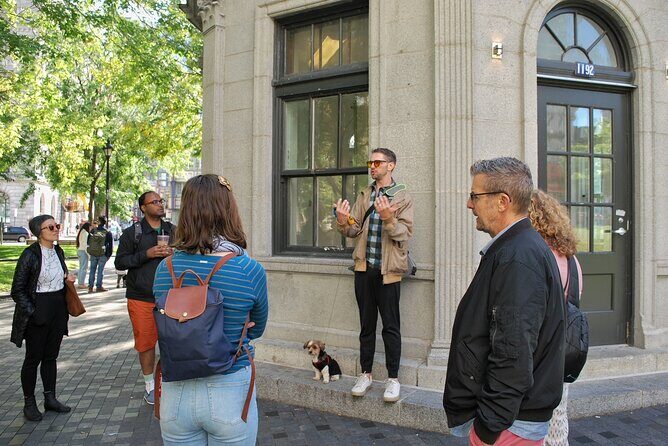
- Thom’s story-first guidance makes the history feel lived-in and real
- Multiple queer communities are woven into the narrative, including Two-Spirit perspectives
- True stories and memories bring long-gone locations back to life
- Support for local LGBTQI+ businesses is built into the experience
- Small group size (max 15) keeps things personal
- English tour with a mobile ticket for easy check-in
A 2.5-Hour Walk Through Montreal’s Queer West-End
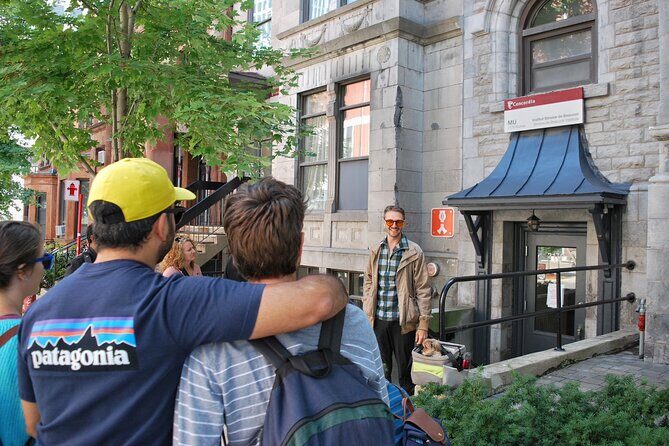
This is a compact tour at about 2 hours 30 minutes, timed for a walk-and-talk pace. It starts at 1801 Maisonneuve Blvd W (Suite/Unit 600) and ends near Beaver Hall Hill / Côte du Beaver Hall. That end point is helpful because it leaves you with an easy area to keep exploring downtown afterward.
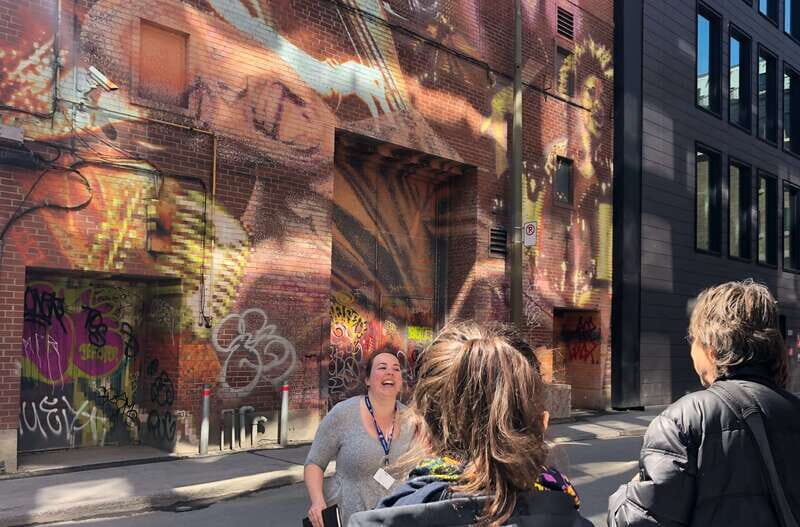
The route matters. This tour isn’t about taking the scenic route in the usual way. It’s about taking the right route—through the west-end of downtown and the older LGBTQI+ neighborhood area—so the stories line up with the streets you’re standing on. You’ll get a sense of how Montreal’s queer community carved out space, faced pushback, and kept moving forward.
Also, the group is small (max 15). That size is a sweet spot for questions. And because it’s a mobile-ticket experience, it tends to feel low-stress right from the start: you show up, meet your guide, and start walking.
If you're still narrowing it down, here are other tours in Montreal we've reviewed.

Thom’s Storytelling and the Voices Behind the History
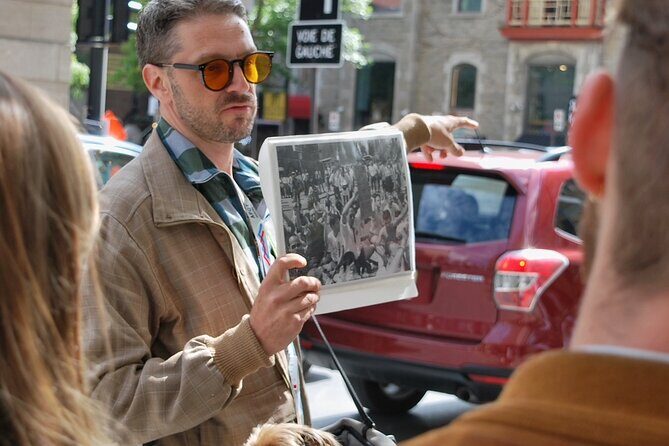
The heart of this tour is the guide: Thom. The standout theme is that the history is delivered through personal stories and real emotion, not just facts. I like this format because it makes you pay attention. Your brain keeps track of scenes, names, and moments when they’re tied to people.
One reason the tour lands so well is its range of perspectives. You’ll hear about queer communities including gay men, lesbians, the trans community, and Two-Spirit experiences. That mix helps you avoid the common trap of thinking queer history is one single storyline. Montreal’s story is multiple stories, overlapping and sometimes colliding.
The tour also brings in primary sources—so you’re not only hearing what someone remembers secondhand. That’s one way the guide keeps the material grounded. It can make you slow down and compare what you thought you knew with what you’re actually being shown through evidence and testimony.
If you care about LGBTQI+ history as more than a museum topic, this format will suit you. It’s framed as something that still matters nationally and internationally, and you’ll feel that connection in the way the guide explains progress and setbacks.
Where You Start on Maisonneuve and How the Walk Gets Momentum
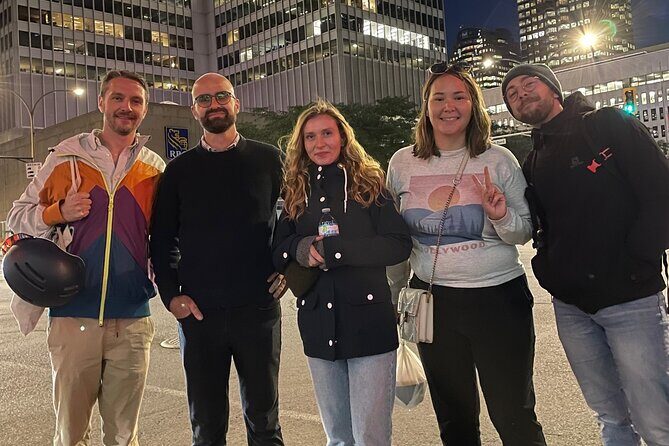
Starting at 1801 Maisonneuve Blvd W puts you near a major downtown artery. Practically, that’s a good thing. It’s easier to arrive by public transit than if the meeting point were tucked into the middle of nowhere. The tour is listed as being near public transportation, and I’d treat that as a real advantage.
The other practical benefit: this tour gives you a fast mental map of the area. You’ll begin with context, then build as you move. You can expect the guide to set the tone early with “back in time” storytelling that connects the streets to queer community memory.
Pace-wise, this is still a walking tour. You’ll want comfortable shoes. And since the tour is offered in English, it’s a good pick if you don’t want to hunt for translations while trying to track names and stories.
One small but important thing: because it’s max 15 people, you’ll likely get a more conversational feel than on big bus tours. That matters here because the subject is personal and human. When the guide invites engagement, there’s room for it.
West-End Streets and Old LGBTQ2+ Neighborhood Memories
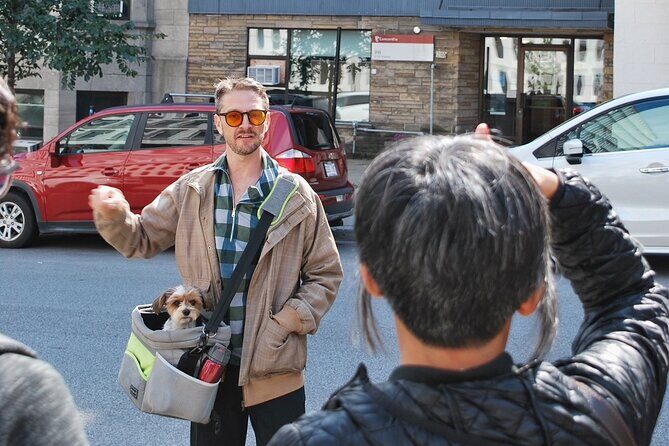
This is where the tour does its main work: walking through the west-end of downtown and the older LGBTQ2+ neighborhood area, with the guide describing long-gone places that still shaped the community. The aim is time travel, but grounded: you’re not just imagining what used to be there. You’re being guided through stories connected to specific locations.
What I think makes this section powerful is the way it treats place as evidence. You’ll hear about spots that marked each era—locations that mattered to queer people for social life, organizing, and survival. Even when a building is gone or changed, the story can put the neighborhood back together in your mind.
A key theme you’ll hear is struggle alongside triumph. This tour doesn’t just say history was difficult. It explains how people responded, how they created community, and how that energy pushed for rights. You’ll also get a sense of how local Montreal events connect to broader LGBTQ rights movement trends.
And yes, there’s a built-in value piece: the tour includes support for local LGBTQI+ businesses. That’s a smart way to turn learning into action. You’re not only looking backward. You’re also spending in the present.
Potential drawback here: because the tour relies on street-level storytelling, it can feel more intense than a casual stroll. If you want light, funny sightseeing with no heavy moments, you might find the emotional tone a lot. If you’re okay with that (and you are likely, since you’re reading this), it can be exactly what you’re looking for.
Ending Near Beaver Hall Hill and What to Do After
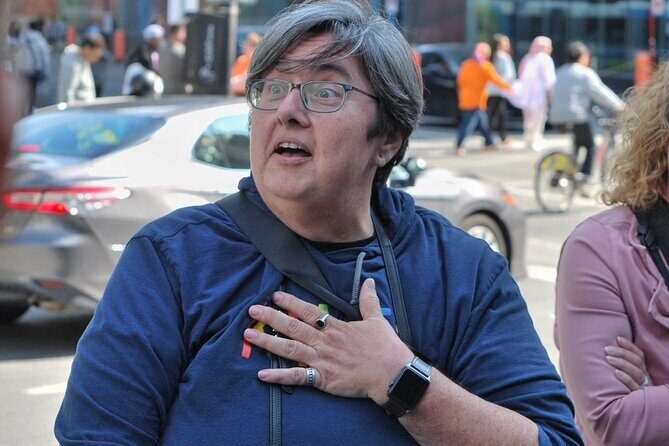
You’ll finish near Beaver Hall Hill / Côte du Beaver Hall. I like that because it keeps you from ending in a random place where you’re stuck figuring out your next move. Beaver Hall Hill sits in a central area, so it’s easy to transition into your own time.
The ending also helps you process what you just learned. The last stretch feels like a “turning point” moment in the overall narrative. Instead of just stopping at an arbitrary location, you leave with a sense of continuity: the community history isn’t sealed in the past. You can look around and recognize that today’s Montreal is layered with what came before.
After the tour, I’d suggest doing one simple thing: pick one nearby café, take a break, and reread the names and themes you remember most. This kind of tour benefits from a small quiet moment afterward. Otherwise, the emotional and historical detail can blur together.


Price and What You’re Really Getting for $54.33
At $54.33 per person for roughly 2.5 hours, the price is in the mid-range for a focused walking tour. What makes it feel like good value is the mix of factors you don’t always get together:
- A small group size (max 15), which supports conversation.
- A guide who brings true stories, memories, and primary sources into the walk.
- A clear mission: understanding Montreal’s LGBTQI+ history while also supporting local LGBTQI+ businesses.
If you’ve done generic “neighborhood history” tours before, you may be tempted to compare this by counting landmarks. Don’t. This isn’t about checking boxes. It’s about learning how queer communities lived, resisted, organized, and changed things—and doing it through the very neighborhoods where that happened.
Also, this is offered in English, so you’re not spending mental energy translating. For many visitors, that alone is a value driver.
Who Should Book This Tour (and Who Might Not)
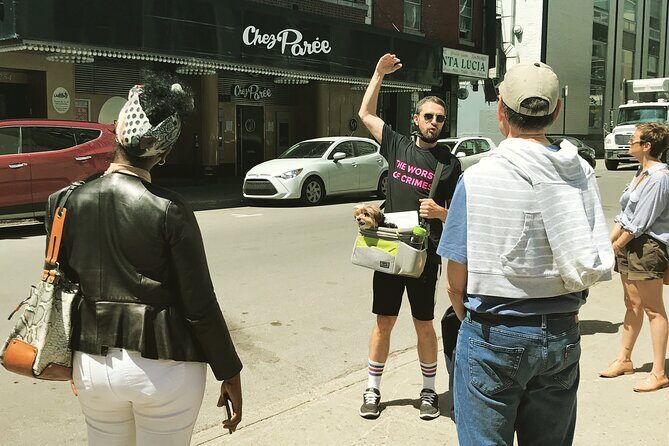
I’d tell you to book if you want a Montreal tour that feels personal and socially relevant, not just architectural. You’ll get the best experience if you’re comfortable walking, listening, and thinking about history as lived experience.
This tour is especially a good fit if:
- you care about LGBTQI+ and queer history beyond broad overviews
- you want to hear stories across multiple queer communities, including trans and Two-Spirit perspectives
- you like guides who use storytelling and human detail to make topics stick
You might hesitate if:
- you need a lighter, purely sightseeing style tour
- you strongly dislike walking-based itineraries or weather-dependent plans
- you prefer history that stays strictly factual with minimal emotion
Weather, Walking Comfort, and Smart Tour Prep
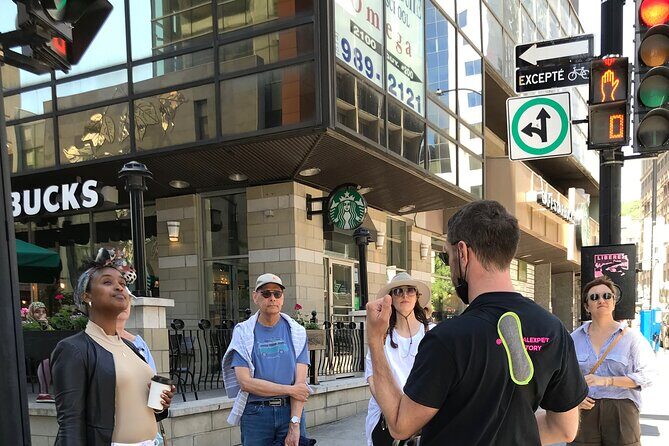
Because it requires good weather, plan to dress for Montreal street conditions. Bring layers. Wear shoes you can walk in comfortably for a sustained period.
If you’re thinking about logistics, keep it simple: start at 2:00 pm at Maisonneuve, and plan your evening around the end near Beaver Hall Hill. The tour is set up to be near public transportation, so if you’re arriving from elsewhere in the city, you likely won’t need a car.
One more practical note: if the experience is canceled due to poor weather, you’ll be offered a different date or a full refund. And if you want flexibility, it’s listed as having free cancellation with a window of up to 24 hours before the start time. That means you can book without feeling totally locked in—just keep an eye on the forecast.
Should You Book the Montreal Queerstory Tour?
Yes, I think you should book it if you want Montreal in a way that goes past the usual highlights. This tour gives you story-first queer history, guided by Thom, with attention to multiple communities and a clear connection between past struggle and present rights. It’s small-group, walking-based, and focused—so you’ll leave feeling like you saw the city with a different lens.
Skip it only if you want purely casual sightseeing or if walking in the weather is a hard no for you. If you’re open to a thoughtful, emotional, grounded tour, this one is a strong pick.
FAQ
How long is the Montreal Queerstory Tour?
It runs for about 2 hours 30 minutes.
Where does the tour start and end?
It starts at 1801 Maisonneuve Blvd W (bur. 600), Montreal, QC H3H 1J9. It ends near Beaver Hall Hill / Côte du Beaver Hall, Montréal, QC.
What time does the tour begin?
The start time listed is 2:00 pm.
Is the tour offered in English?
Yes, the tour is offered in English.
What’s the group size limit?
The tour has a maximum of 15 travelers.
How much does it cost?
The price is $54.33 per person.
Is a mobile ticket provided?
Yes, it uses a mobile ticket.
Is the tour suitable for most people?
It’s listed as most travelers can participate. Service animals are allowed.
What happens if the weather is poor?
The tour requires good weather, and if it’s canceled due to poor weather, you’ll be offered a different date or a full refund.