Some cities are easier to love in winter.
This tour shows you Montreal’s Underground City (the RESO) in a way that actually makes sense fast. I love the small group size (max 10) and the practical way the route teaches you where things connect. I also love the mix of surprising stops—from a Berlin Wall-style installation to the indoor skating rink. One possible drawback: you’ll do a moderate amount of walking, with stairs and escalators, so go in with that in mind.
You’ll meet with the guide, usually Misha, at 175 Boul. René-Lévesque O and finish back near the central underground zone at The Ring (1048). It’s a mobile-ticket experience that’s also near public transportation, which helps a lot if you’re juggling metro connections and weather.
In This Review
- Key highlights you’ll feel right away
- Why the RESO feels like a cruise ship (even when it’s cold out)
- Price and value: $30.04 for a real navigation shortcut
- Meeting point clarity: finding the start near Cathcart and Time Out Market
- The 2-hour pacing: what moderate fitness really means here
- Stop-by-stop: what you’ll see and why each piece matters
- 1) Berlin wall-style stop: history you can actually frame
- 2) Statue of Amphitrite (wife of Poseidon): art in the flow
- 3) Marché Saint Laurent + Lipstick Forest: a sensory pause
- 4) Indoor skating rink: cold-weather logic made visible
- 5) Montreal’s main train station: connecting underground to the larger city
- 6) Passage through the RESO: the system, not the stops
- 7) Landmark stop: turning the route into memory
- The guide factor: why Misha’s style changes the whole experience
- What you should do before you go underground
- Who this tour fits best
- Should you book Montreal’s Underground City – RESO?
- FAQ
- How long is the Underground City – RESO tour?
- How many people are in the group?
- Where is the tour meeting point?
- Is there a mobile ticket?
- Will I be walking a lot?
- Can I cancel for free?
Key highlights you’ll feel right away
- Small group (max 10): easier questions and less getting lost in the crowd.
- Practical navigation: you leave with a mental map of how to move between areas.
- Surprising sights: you pass art and themed spots like a Berlin Wall area and the Statue of Amphitrite.
- Winter-ready route logic: the RESO is built for cold days, and the tour shows you how to use it.
- Metro confidence boost: you’ll get tips that help you connect underground routes to the city above.
Why the RESO feels like a cruise ship (even when it’s cold out)
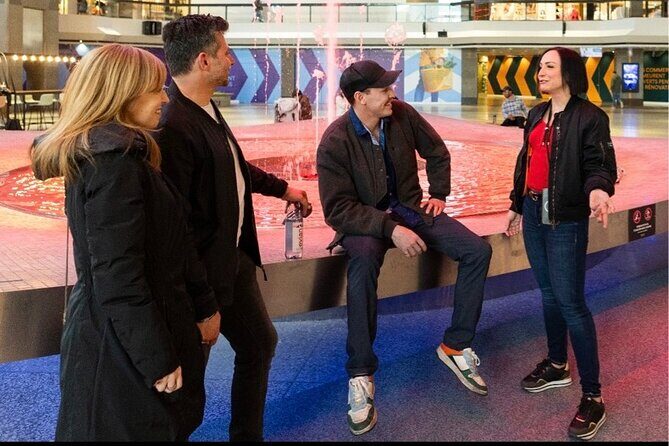
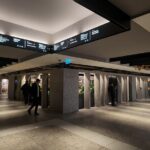
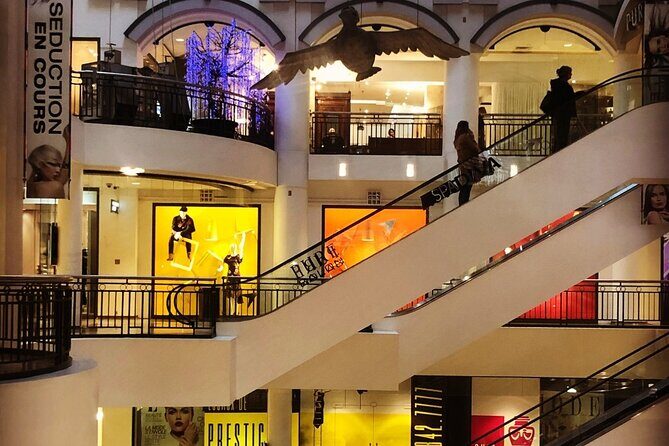
The RESO is the kind of place that can sound boring until you’re actually walking it. Then it clicks. The corridors feel designed for flow: lighting, signage, and the way malls and transit connect make it feel like you’re moving inside a working system, not wandering hallways.
That cruise ship vibe you hear about? It comes from long, continuous indoor stretches where you can shop, eat, and keep moving without stepping outside. Montreal still has snow and wind, but the Underground City gives you an alternate route through daily life. That’s why this tour works so well: it teaches you the logic of the place, not just the sights.
Other RESO Underground City tours in Montreal


Price and value: $30.04 for a real navigation shortcut
At $30.04 per person for about 2 hours, you’re paying for something simple and expensive in practice: time, clarity, and confidence. The RESO is huge, and if you try to figure it out alone, you can burn an afternoon without building a usable map in your head.
This tour is also booked fairly ahead (about 26 days on average), which is a clue that the timing slots fill up. With a small group, you’re getting more than a walk-and-point style experience; you’re getting a way to plan the rest of your Montreal days with less guesswork.
Meeting point clarity: finding the start near Cathcart and Time Out Market
Your start is easy to locate once you know the anchor. Meet at 175 Boul. René-Lévesque O, Montréal, QC H2X 3Y2, outside the Cathcart, right by the central downtown area. Time Out Market is right beside, so if you’re using the market area as your reference point, you’ll be in the right place.
The tour ends at The Ring (1048, Montreal, QC H7R 5Z3). That matters because the RESO connections are not all evenly spaced across downtown. Ending near the underground network helps you keep momentum rather than walking back to the main street in the cold.
The 2-hour pacing: what moderate fitness really means here
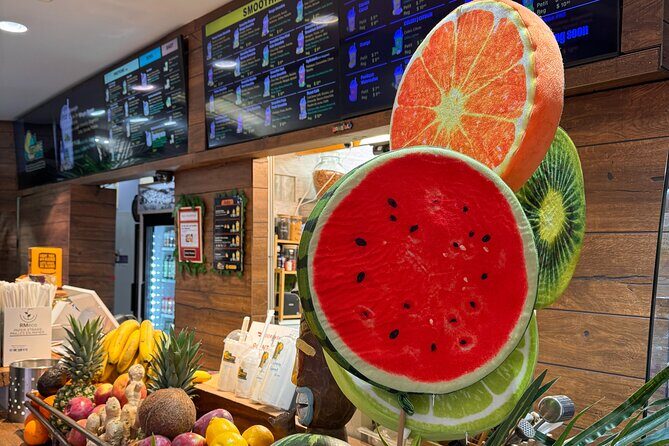
This isn’t a sit-down museum tour. It’s an urban walking circuit with indoor segments. The tour lists a moderate physical fitness level, and you should expect stairs and escalators as part of moving through different levels.
The upside is that the pace is designed for a short, productive visit. The tour also caps at 10 travelers, so the group stays together. That makes a big difference in underground systems where a single stop can turn into a waiting game.
Stop-by-stop: what you’ll see and why each piece matters
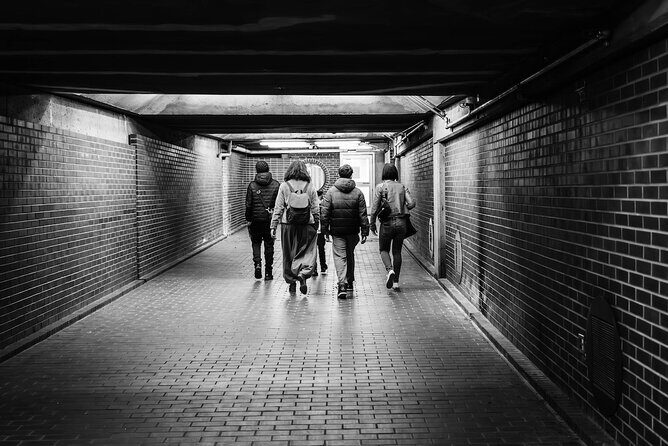
Here’s how the route tends to land, and what each part gives you.
Other city tours we've reviewed in Montreal





1) Berlin wall-style stop: history you can actually frame
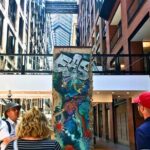
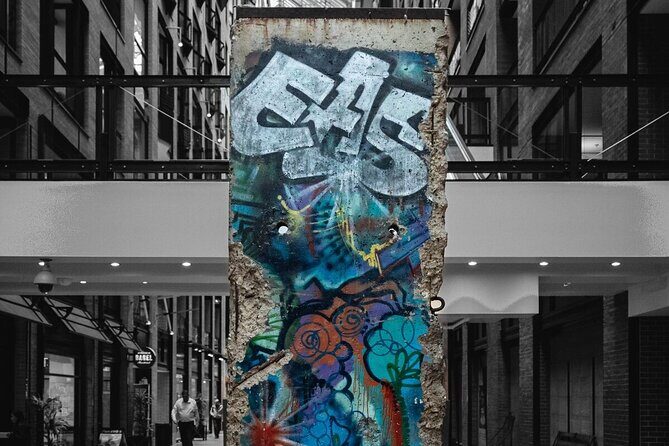
The tour starts with a stop featuring the Berlin wall. It’s the kind of installation that makes you stop and look, because you instantly get the reference—then you realize you’re in a Canadian underground corridor, not Germany.
Why it’s worth including: it reminds you the Underground City isn’t just utilitarian. It’s also a cultural space where the designers and city partners have inserted memorable landmarks. Once you see one strong themed moment like this, the rest of the route feels more intentional.
2) Statue of Amphitrite (wife of Poseidon): art in the flow
Next up is the STATUE OF AMPHITRITE, WIFE OF POSEIDON. This kind of stop is great because it breaks the “just corridors” feeling. It also helps you understand how the RESO uses vertical moments and visual anchors, so you don’t rely entirely on signs.
Practical takeaway: if you’re trying to navigate later on your own, you’ll remember landmark styles like statues more than you remember hallway directions. This stop gives you that memory cue.
3) Marché Saint Laurent + Lipstick Forest: a sensory pause
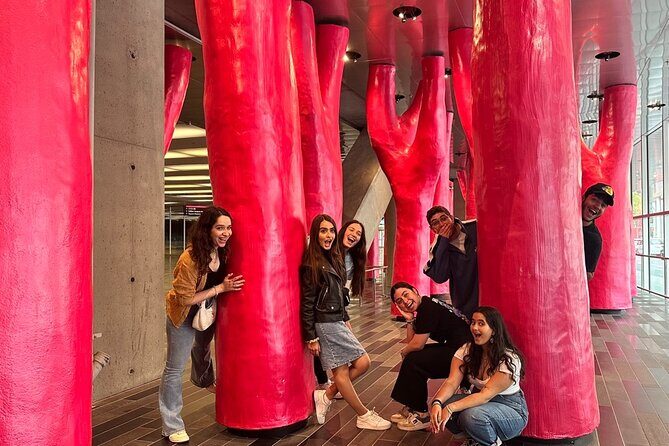
You then hit Marché Saint Laurent and the Lipstick Forest. This part matters because it makes the Underground City feel like a place to spend time, not just pass through.
Why you’ll appreciate it: you start to see how the RESO layers shopping, food, and playful design into the same indoor network. If you’ve ever thought of underground travel as purely efficient, this is the moment that shows the human side.
Possible drawback: food and shopping areas can tempt you to linger. If you’re trying to keep the tour’s pace in your head for later navigation, pay attention first, then take your time after.
4) Indoor skating rink: cold-weather logic made visible
An indoor skating rink stop follows, and it’s one of the strongest “only-in-Montreal” reminders of why this system exists. When you see winter recreation living comfortably indoors, it becomes obvious how the RESO supports everyday life during cold months.
For planning: even if you’re not skating, seeing the rink helps you map the network. Recreational anchors are often easier to remember than street-level intersections.
5) Montreal’s main train station: connecting underground to the larger city
Then you move through Montreal’s main train station. This is a key moment because it connects the RESO story to how visitors and locals move through transit.
Practical takeaway: stations are natural navigation hubs. If you learn how the underground route relates to the station areas, it becomes easier to plan day trips, airport plans, and “I need to get there fast” moments.
6) Passage through the RESO: the system, not the stops
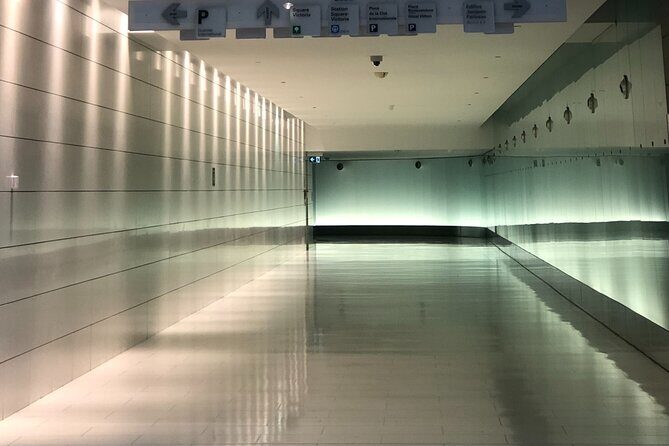
At this point, the tour leans into what you actually need: how the underground passages connect. The guided portion here is what makes the whole experience useful. You’re not just collecting photos; you’re learning a route logic.
I really like that this part is treated as a guided passage rather than a long scenic stroll. It’s built around helping you remember connections, not just seeing corridors.
7) Landmark stop: turning the route into memory
Finally, there’s a landmark stop near the end of the circuit. This is where the tour helps you turn what you saw into something you can recall later.
If you do one thing right after the tour, do this: look back at what the final landmark was and connect it to where you started. That simple mental link makes the Underground City less confusing the next time you go down.
The guide factor: why Misha’s style changes the whole experience
The reviews consistently point to the guide being a big reason this tour works. Misha is described as friendly, on time, and very engaged, with a teaching style that mixes history, culture, and practical tips.
Two things stand out in the way the guide delivers value:
1) Practical navigation, including how to handle the Underground City and the Metro after the tour.
2) Bilingual support, with mention of switching between English and French.
Even if you think you’ll manage alone, a guide makes a difference underground because you can’t easily read your environment like you do outdoors. You need an internal map, and that’s exactly what this tour helps build.
What you should do before you go underground
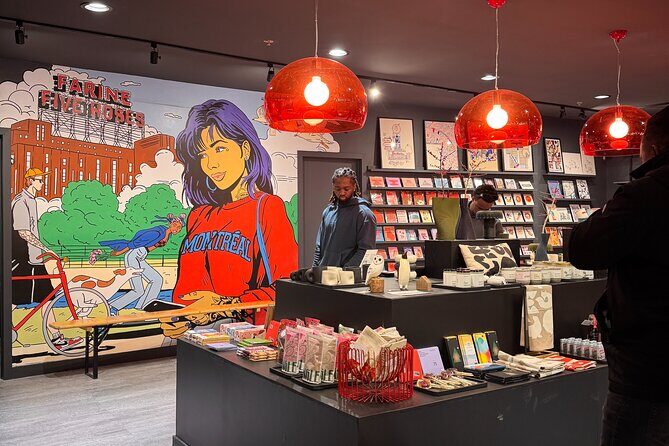
If you want this to pay off, arrive with a simple goal.
- Pick one or two areas you want to connect later (like a station area plus a shopping zone).
- During the walk, don’t just look forward. Glance at where you came from, so you build a return route in your head.
- If you’re visiting in winter, plan your main outdoor walking for the warmest part of the day. Then use the RESO as your cold-day skeleton.
The best part of this tour is that it doesn’t leave you with just photos. It leaves you with a route mindset.
Who this tour fits best
This is a strong choice for:
- First-time visitors who want an efficient way to understand Montreal’s underground network.
- People traveling in colder months who want a backup plan that doesn’t depend on weather.
- Anyone who finds the Metro confusing and wants a calmer introduction.
It may not be ideal if:
- You dislike walking on stairs and escalators.
- You’re looking for a quiet, sit-down style tour. This is moving, connecting, and learning.
Should you book Montreal’s Underground City – RESO?
Yes, if you want to stop guessing and start navigating. The price is modest for what you get: a short route through the RESO with real connections to landmarks and transit, plus a guide who helps you turn the system into something you can use later.
Book it early in your trip if you can. Doing it day one or near the start gives you the biggest payoff because Montreal above-ground becomes easier to pair with routes below. Also, because the group is small (max 10), you’ll get more of that “ask a question and get an answer that helps” feel.
If the idea of stairs and escalators stresses you out, you can still consider it—just set expectations for a moderate walking circuit and wear shoes you trust.
FAQ
How long is the Underground City – RESO tour?
It runs for about 2 hours.
How many people are in the group?
The tour has a maximum of 10 travelers.
Where is the tour meeting point?
Meet at 175 Boul. René-Lévesque O, Montréal, QC H2X 3Y2, outside the Cathcart. Time Out market is right beside.
Is there a mobile ticket?
Yes, the tour uses a mobile ticket.
Will I be walking a lot?
It’s listed as requiring moderate physical fitness, and the route includes moving through underground areas with stairs and escalators.
Can I cancel for free?
You can cancel for a full refund if you cancel up to 24 hours in advance of the experience’s start time.