REVIEW · MONTREAL
Montreal: RESO Underground City and Downtown Walking Tour
Book on GetYourGuide →Operated by MTL Detours · Bookable on GetYourGuide
Montréal has a second downtown, below your feet. What makes this tour work is how it teaches you the City of Montréal permit guide experience plus keeps things easy to follow with a small group of up to 10 guests. I also like that it’s not just a long hallway walk; you get real stories about how the RESO fits Montreal life, plus downtown sights above ground. One thing to plan for: it’s a two-hour mix of indoor and outdoor walking, including stair sections mostly going down.
The RESO is huge: 33 km (21 miles) of connected pedestrian space linking downtown towers, shopping, metro access, cafés, hotels, and older buildings. In other words, Montréal’s winter survival plan is also an architectural and cultural story you can walk through.
You’ll finish with a printed list of food and culture tips you can use immediately. It’s also English, and it’s designed for a minimum age of 12, so it’s a smarter pick for older kids and adults than for little ones.
In This Review
- Key things that make this RESO tour worth your time
- Entering Montréal’s RESO: why this feels different from a typical walking tour
- Meeting at Humble Lion: start location and the one logistics rule that matters
- The licensed guide and small-group format: how you get more out of 2 hours
- Walking the RESO: what the underground sections teach you (and what to watch for)
- Street-level highlights in downtown Montréal: why going up matters
- Metro connections and navigation confidence: the skill you’re buying
- Public art and hidden architecture: what you’ll notice once someone points it out
- The printed food and culture list: turning a guided tour into real plans
- Price and value: why $30 feels fair for what you gain
- Who should book this RESO tour with MTL Detours
- Who should skip it (or consider another option)
- Should you book this RESO Underground City and Downtown Walking Tour?
Key things that make this RESO tour worth your time
- Licensed, permit-holding guide: you’re not just following someone who likes the area; you’re with a guide who has the required City of Montréal permit.
- Up to 10 people: small enough that you can ask questions and still keep moving at a comfortable pace.
- RESO scale you can feel: the underground network stretches 33 km (21 miles) across downtown.
- Above-ground landmarks included: you’ll see recognizable downtown sites like Place Ville-Marie and Christ Church Cathedral while still learning the underground logic.
- Metro navigation taught, not guessed: the route explains how the Metro integrates with RESO so you don’t feel lost on your own afterward.
- Printed local recommendations: you leave with a takeaway list for eating and exploring.
Entering Montréal’s RESO: why this feels different from a typical walking tour
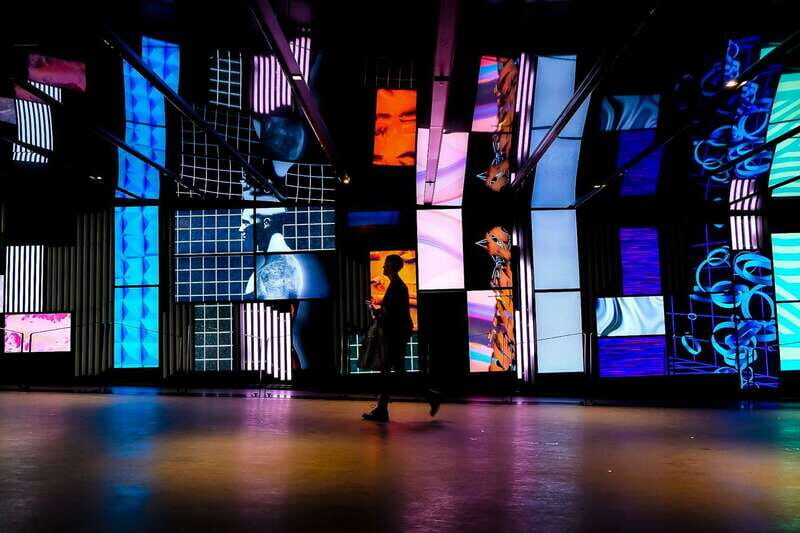
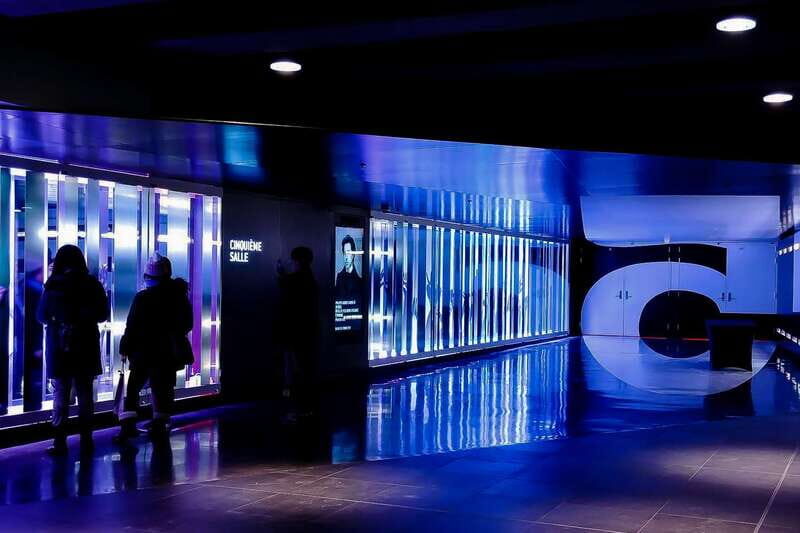
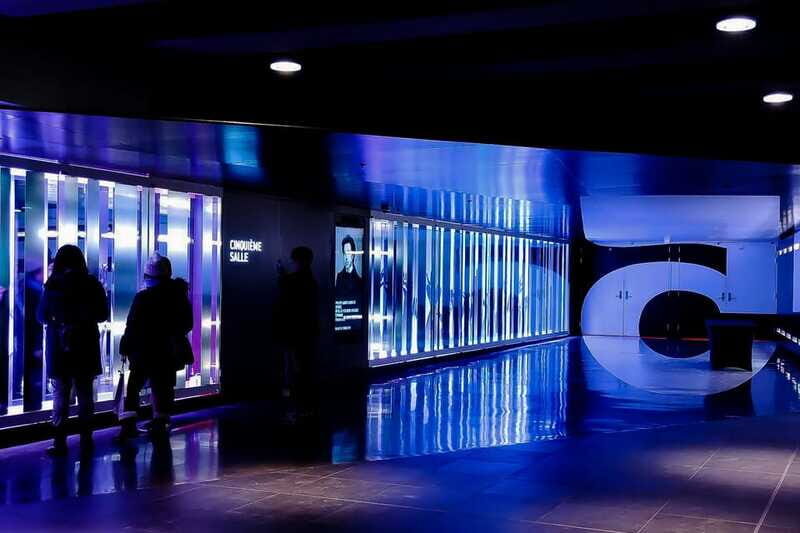
The first thing you notice about the RESO Underground City is that it doesn’t feel like one attraction. It feels like a second version of downtown. Streets still exist above you, but below, the city connects office towers, shopping centres, cafés, hotels, and metro stations through corridors and public spaces.
That’s why this tour works for real sightseeing. If all you do is wander, you’ll miss the patterns: where the connections are, how people use it day to day, and why it became such a practical part of Montréal life. Here, you get the city’s logic explained in a way you can actually remember while you’re standing in the network.
And the underground isn’t treated like a “fallback plan for bad weather.” The point is that Montréal’s identity is shaped both above and below the surface. The guide ties design choices to historical moments, including how the network grew from Expo 67-era energy and then kept evolving as downtown changed.
Other RESO Underground City tours in Montreal



Meeting at Humble Lion: start location and the one logistics rule that matters
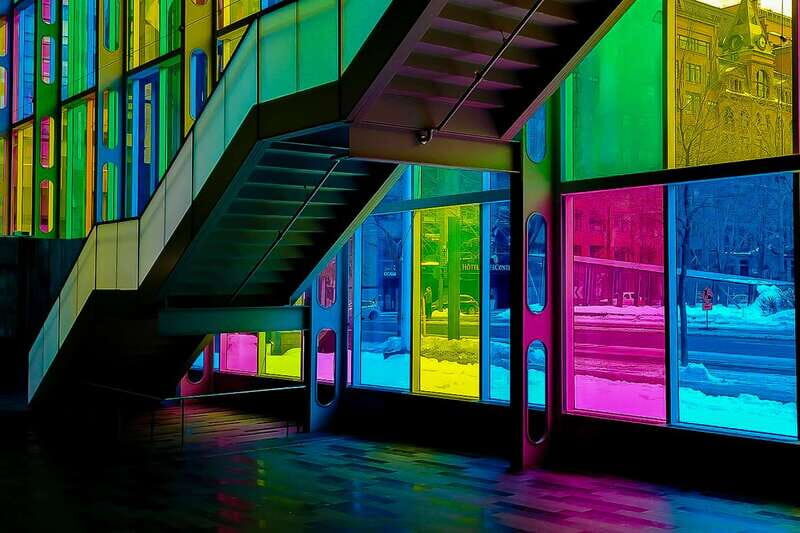
You meet on the sidewalk outside Humble Lion café at 1204 McGill College Avenue, between Sainte-Catherine Street and Cathcart Street. Plan to arrive 10 to 15 minutes early, because the tour does not wait for latecomers.
This matters more than you’d think. Montréal’s downtown has a lot of pedestrian flow, and the RESO entrances can be easy to miss if you show up right at the start time. If you want a calm start, treat this like a museum appointment: get there early, find your guide, and then enjoy the walk without stress.
Also note what you’re signing up for. This is a two-hour walking tour that’s part indoors and part outdoors, so you’ll want layers. Even if the underground feels warm, you’ll still have short outdoor segments as you move between above-ground landmarks and entrance points.
The licensed guide and small-group format: how you get more out of 2 hours
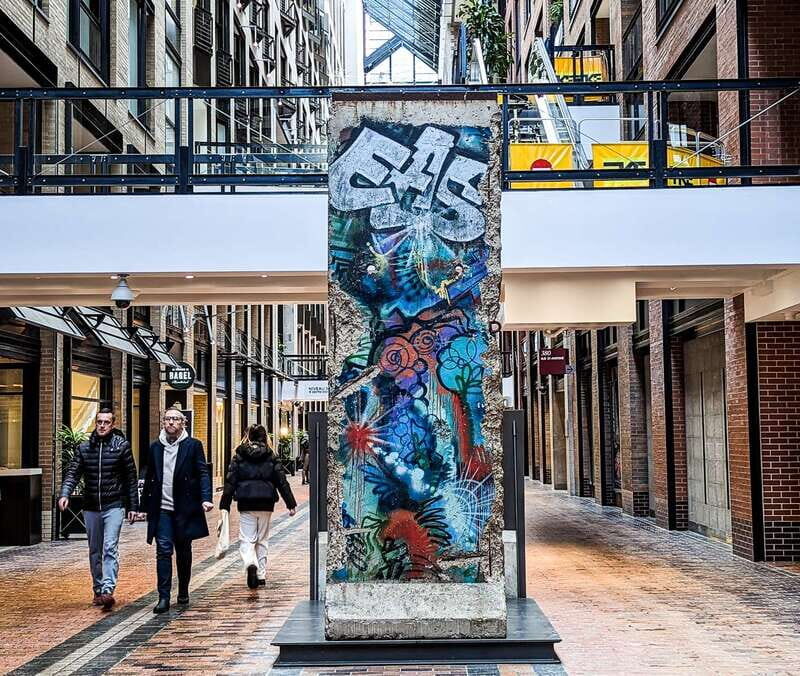
With a maximum group size of 10 guests, you’re not lost in a crowd. In a network as interconnected as the RESO, this personal pace helps a lot. You can hear the stories at each stop, and the guide can adjust when questions come up.
What I like most is the guide’s permit and professionalism. It’s a quiet quality, but it shows in how the tour flows: clear directions, practical navigation tips, and historical context that stays relevant to what you’re seeing. You’ll also get that “explain it so I can use it later” approach, which is crucial here.
From past tours, guides such as Martin, Catherine, and Caroline have been singled out for making the experience engaging and easy to follow, even when people ask multiple questions. Another recurring theme: guides tend to be patient, which helps if you’re stopping to look at public art or take photos.
Walking the RESO: what the underground sections teach you (and what to watch for)
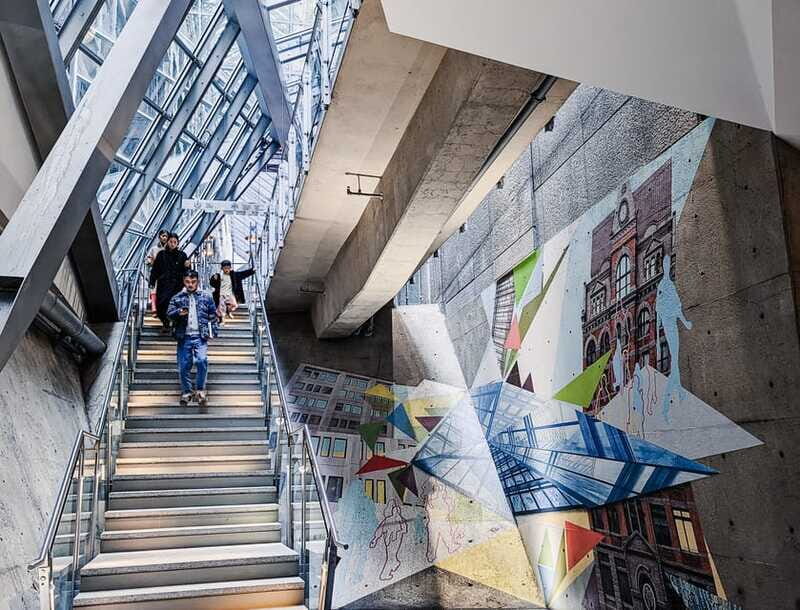
The RESO is the largest interior pedestrian network in the world, and this tour doesn’t try to cover everything. Instead, it focuses on selected underground sections that help you understand the system.
You’ll see how the network links:
- downtown office towers and hotels
- shopping areas and cafés
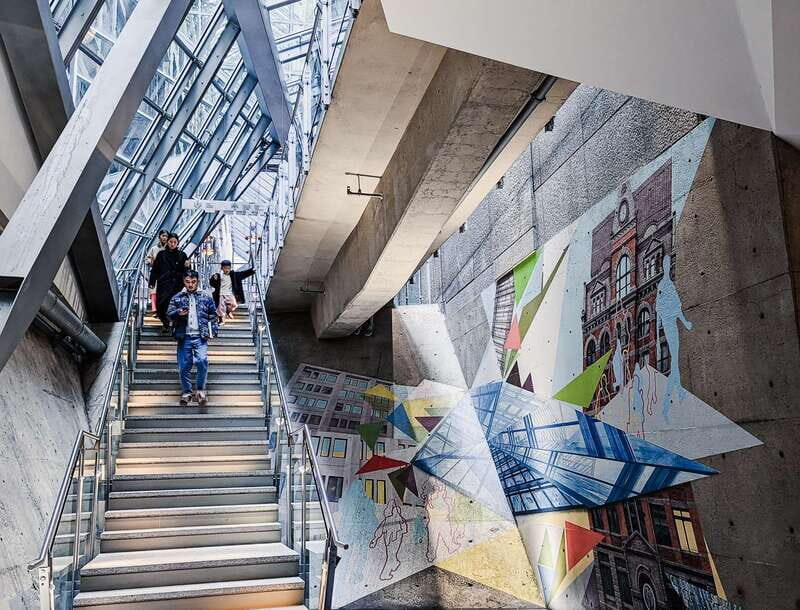
- public art and unique architectural spaces
- metro integration points
The most practical part is how the guide sets you up to navigate afterward. You don’t just get shown a route; you learn how the underground connects to landmarks and transit so you can choose your own path the next day without spiraling into confusing corridors.
Physical reality check: this tour includes walking, staircases (mostly going down), and escalators. The route is roughly 3 miles over 2 hours, so it’s not “just a stroll.” If you’re comfortable moving through stair sections and you dress for indoor-outdoor temperature swings, you’ll feel fine. If you’re not, this can turn into a frustrating experience fast.
Street-level highlights in downtown Montréal: why going up matters
A smart thing about this tour is that it keeps you from becoming a pure underground tourist. You’ll also explore key downtown landmarks above ground, including well-known sites like:
- Place Ville-Marie
- Christ Church Cathedral
- World Trade Centre Montreal
Those stops do two jobs. First, they ground your understanding of where the underground lives in the real city. Second, they give you visual anchors that help you remember the route later.
Above ground is also where Montréal shows you what the RESO is responding to: the shape of downtown blocks, how major buildings concentrate activity, and how pedestrians route around weather. Even short outdoor segments make the whole network feel more sensible.
You’re not just collecting postcards. You’re connecting architecture and urban design to everyday movement. That’s the difference between walking through a set of shops and understanding why the city built what it built.
Other walking tours we've reviewed in Montreal






Metro connections and navigation confidence: the skill you’re buying
Plenty of tours show you sites. This one teaches you a system.
Because the RESO connects to the Metro, you can use the network for more than just shopping. During the tour, you’ll get an intro to how the Metro integrates with the RESO, so you can confidently navigate on your own afterward. That’s valuable because downtown Montréal can be tricky at first, especially if you’re balancing your plans across multiple neighborhoods and transit stops.
Think of it like this: once you understand the underground logic, you stop treating each entrance like a mystery. You start predicting where you’ll come out, how buildings relate, and which connections are likely to save you time.
That’s also why the tour is a great “early trip” activity. A couple hours of orientation can make the rest of your stay feel smoother, especially in winter or when you’re just trying to keep your day moving.
Public art and hidden architecture: what you’ll notice once someone points it out

One of the most satisfying parts of the RESO is that it contains details you can easily miss when you’re self-guided. It’s not only corridors and doors. You’ll encounter intriguing public art, hidden architecture, and unique spaces along the route.
Your guide’s job here isn’t to name everything like a brochure. It’s to help you see how design choices create flow, comfort, and character. That includes explaining the purpose behind the network and giving context for how it developed over time.
This is where having a small group can help again. When you pause to look closely, you don’t feel rushed, and you can hear the story without competing with a big crowd. If you’re a photo person, you’ll likely appreciate the photogenic sections more than you expected to.
The printed food and culture list: turning a guided tour into real plans
The tour ends with a printed list of local recommendations for places to eat, drink, and explore like a Montrealer. This isn’t generic advice. It’s meant to help you continue your trip without guessing.
I like that the list is tangible. It’s easy to glance at later when you’re tired, hungry, or deciding between options on a rainy day. And because you’ll have just learned the downtown and underground layout, you can match recommendations to your walking and transit reality.
From examples shared by guests on the network, guides often point toward useful spots within RESO-adjacent areas, including places like the Time Out RESO upscale food court. Even if the exact suggestions vary by route, the purpose is the same: give you practical next steps without forcing you to research from scratch.
Price and value: why $30 feels fair for what you gain
This tour is priced at $30 per person for about 2 hours. On paper, that’s not cheap if you only care about seeing one attraction. But the value changes when you understand what you’re actually paying for.
You’re buying:
- a licensed, permit-holding guide (not an informal local)
- a small-group experience limited to around 10 people
- a guided walkthrough of selected RESO sections plus downtown landmarks
- navigation instruction for how the Metro connects to the underground
- a printed list of food and culture tips you can use immediately
For many visitors, the biggest benefit is reducing the “where do I go next” uncertainty. If you spend your first day wandering without context, you can waste time, make wrong turns, and lose daylight to weather. This tour compresses orientation into a short, structured window.
At $30, it’s a solid choice for anyone who wants to get confident quickly, especially on a cold, rainy, or very hot day when you don’t want to rely purely on outdoor wandering.
Who should book this RESO tour with MTL Detours
This is a great fit if you want:
- an orientation to downtown Montréal that includes both underground and above-ground highlights
- a practical way to navigate the RESO without feeling lost
- storytelling tied to design, history, and how people actually move through the city
- a small-group format where you can ask questions
It’s especially useful on days with bad weather since the network is designed for walking comfort in winter and for quick shelter in rain.
It’s also a smart pick if you like architecture and public art, because the tour is built to draw your attention to those details rather than rushing past them.
Who should skip it (or consider another option)
This tour isn’t the right match if you:
- need wheelchair access or have mobility issues (the route is not recommended for mobility impairments)
- have serious medical conditions or impairments
- are visually impaired (it’s not suitable for visually impaired people)
- are traveling with children under 12 (minimum age is 12)
It also involves staircases mostly going down and some escalators, plus about 3 miles of walking in two hours. If you want a very easy, flat stroll with no stairs, you may find this more demanding than expected.
Should you book this RESO Underground City and Downtown Walking Tour?
Yes, if your goal is to understand Montréal, not just skim it. I think it’s a strong value because it gives you orientation plus stories plus a usable takeaway plan in a short time. The RESO can feel like a maze if you’re alone, and this tour helps you learn the logic so you can move confidently later.
Book it early in your trip if you can. You’ll get the most out of the Metro and RESO navigation instruction when you still have days ahead to use it.
Skip it if you need full accessibility accommodations or you’re not comfortable with stairs. Also, dress for mixed indoor and outdoor conditions. In Montréal, that one detail can make or break the experience.
If you go in with the mindset of learning the city’s movement patterns, this becomes more than a rainy-day alternative. It turns underground space into a real part of your Montréal day plan.