Montreal’s underground feels like a second downtown. This 2-hour private tour guides you through the RÉSO (the city’s underground network), showing how it connects everyday life and downtown icons while keeping you warm and dry.
I love how the tour turns the underground from a maze into a story you can follow fast. And I especially liked learning from Gustavo Trindade, who’s engaging and flexible, with just the right amount of detail and even helpful photo stops.
One consideration: this is a lot of walking on indoor passageways, so it’s not suitable for wheelchair users or people with mobility impairments.
In This Review
- Key points to know before you go
- Montreal’s Underground City: What the RÉSO Really Means
- Your Guide Matters More Than You Think (Gustavo Trindade’s Approach)
- RÉSO 101: History, Purpose, and How It Became Part of Montreal Rhythm
- What You’ll Actually See in the Underground (It’s More Than Shopping)
- The 2-Hour Walk Through Downtown’s Connected Stops
- Starting point at 1508 Rue de Bleury
- Place Montreal Trust (passing through a major connection)
- Montreal Eaton Centre (where the underground meets shopping energy)
- Place Ville Marie (a downtown hub feel)
- Gare Centrale (transit connections you can feel)
- Place Bonaventure (another big downtown junction)
- Centre de commerce mondial and World Trade Centre Montréal
- Palais des congrès de Montréal and Place des Arts
- Complexe Desjardins (closing the loop on downtown connections)
- Practical Tips So You Enjoy Every Corridor
- Who This Tour Is Best For (And Who Should Skip It)
- Price and Value: Is $101 Per Person Worth It?
- Should You Book the Private RÉSO Hidden City Tour?
- FAQ
- How long is the tour?
- What is the meeting point address?
- Is hotel pickup or drop-off included?
- Are food and drinks included?
- What languages are available?
- Is the tour suitable for wheelchair users?
Key points to know before you go
- RÉSO explained in plain terms, not just a list of corridors
- Private, live guide (Gustavo Trindade) who adapts to your pace and interests
- Underground art and cultural spaces you might miss on your own
- Downtown landmarks connected by the network, perfect for rainy-day plans
- Bring comfy shoes and water since you’ll be on your feet for the full 2 hours
Montreal’s Underground City: What the RÉSO Really Means
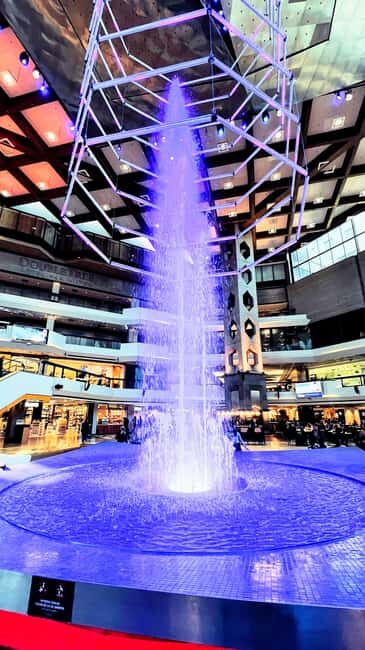
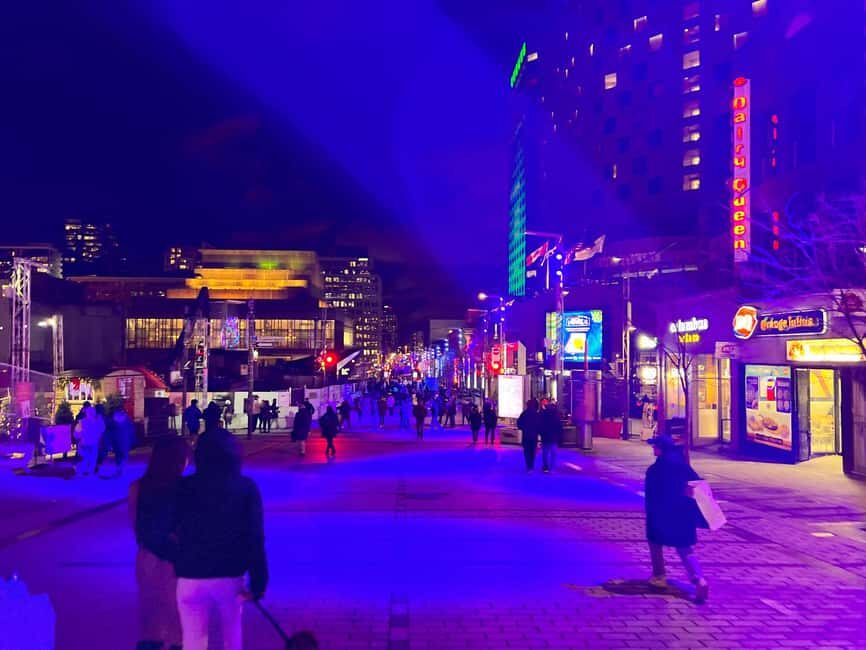
Montreal has a way of doing two things at once: it can be both classic and clever. Above ground you get the big downtown sights. Under ground, you get the city’s workhorse system—the RÉSO, a vast underground network that links buildings, transit, shops, offices, and everyday spots.
The best part is how normal it feels. This isn’t a theme park you pay to enter and then escape. It’s part of daily life—especially when the weather is not friendly. On a winter day, that practical idea becomes a comfort plan. On a rainy day, it becomes a convenience plan. Either way, the underground isn’t an escape hatch; it’s just Montreal doing Montreal.
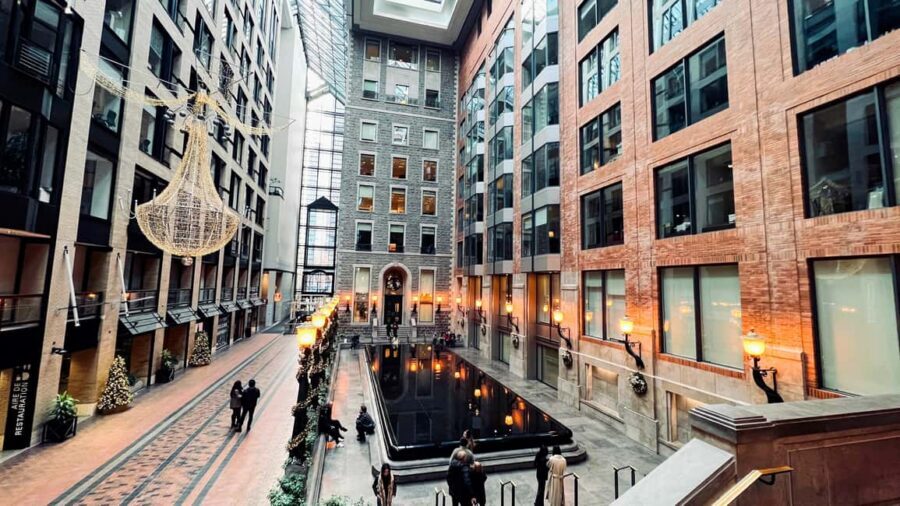
And when you take a guided walk, the underground stops being confusing. You start noticing patterns: where people move, how entrances line up with major downtown hubs, and how the space blends practical needs with public life. You’ll also see the RÉSO isn’t only about transit—it includes restaurants, hotels, offices, and direct access to public transportation, plus a lot of spaces that feel cultural rather than purely functional.
Other city tours we've reviewed in Montreal


Your Guide Matters More Than You Think (Gustavo Trindade’s Approach)
This is a private tour, and the guide role is the whole point. A route like this only works if someone helps you connect the dots. That’s where Gustavo Trindade makes a difference.
What I liked from the start is the human style: he’s described as engaging and friendly, and that shows in how the tour flows. He’s not a person who just recites facts. He seems to give information at the pace that keeps you moving and looking, without turning the whole experience into a lecture.
I also like that he’s flexible. If you’re the type who wants more time at a photo spot, or you have a specific interest in how the system connects to the street, a good guide can adjust. In the same spirit, he can help your group get photos in the right places—something that matters in a network where the best angles are rarely obvious.
RÉSO 101: History, Purpose, and How It Became Part of Montreal Rhythm
The RÉSO isn’t just a collection of corridors. On this tour, you get the idea of why it exists and how it changed day-to-day routines. You’ll hear about the history behind the network and how it was constructed, and you’ll also learn how it has held up over time.
The core takeaway is simple: the RÉSO is urban innovation made for real life. Instead of asking everyone to battle the elements, Montreal built a connected system that supports the way people actually move through the city. That’s why it feels both practical and surprisingly lively.
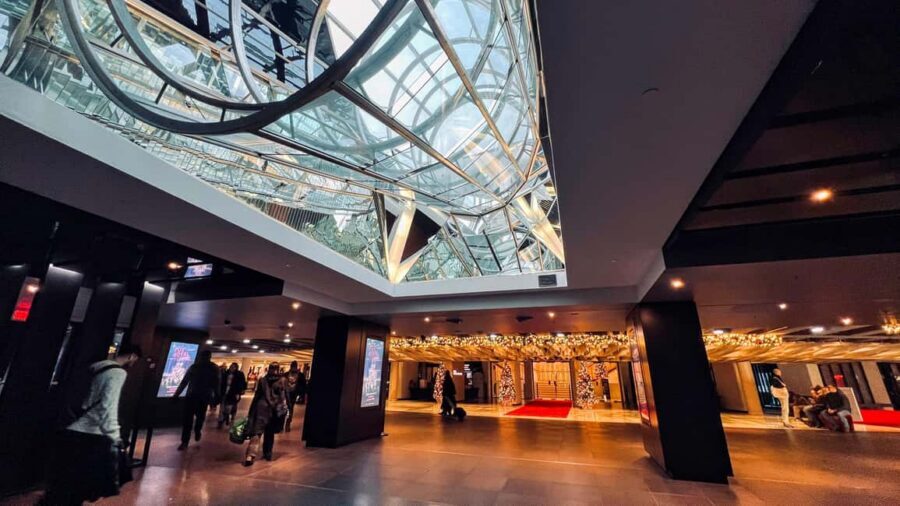
You’ll also notice how the network integrates into downtown rather than sitting off to the side. Key buildings and major public spaces connect through underground links, which means you can cross downtown without treating every transfer like a separate expedition. The guide helps you understand what you’re looking at, so the network starts to feel logical instead of random.
What You’ll Actually See in the Underground (It’s More Than Shopping)
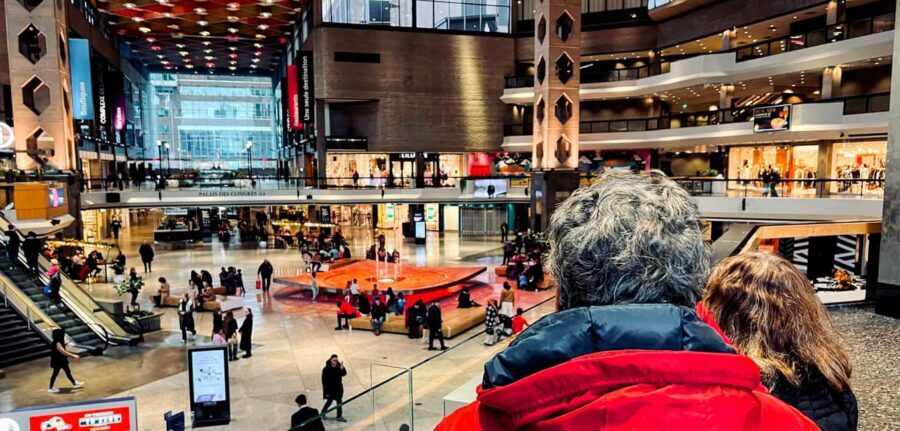
Yes, you’ll see shopping galleries. That’s a big part of the underground reputation. But what makes the tour feel worth your time is that it doesn’t treat those corridors like a dead mall loop.
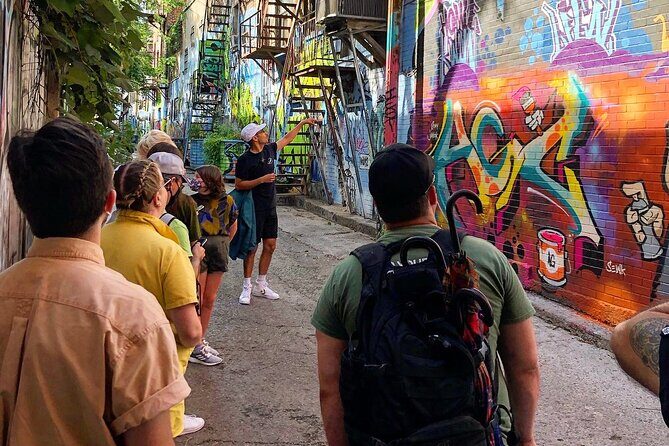
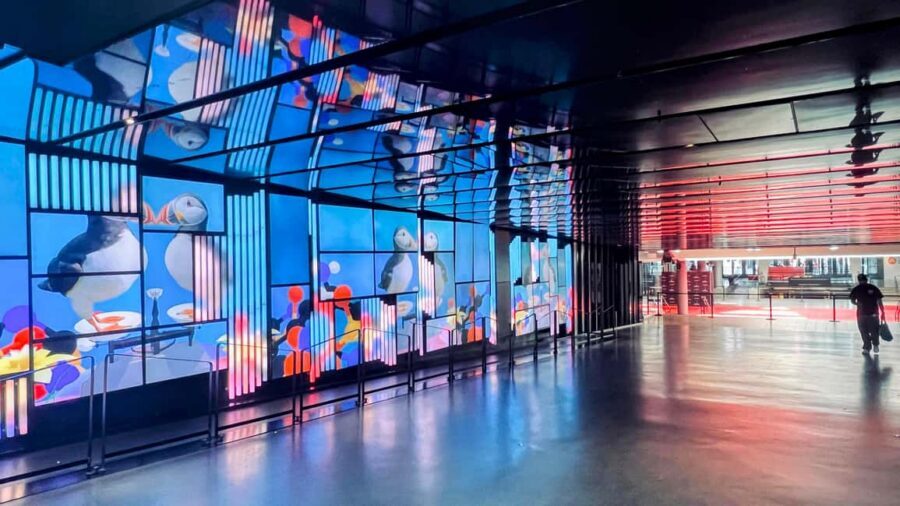
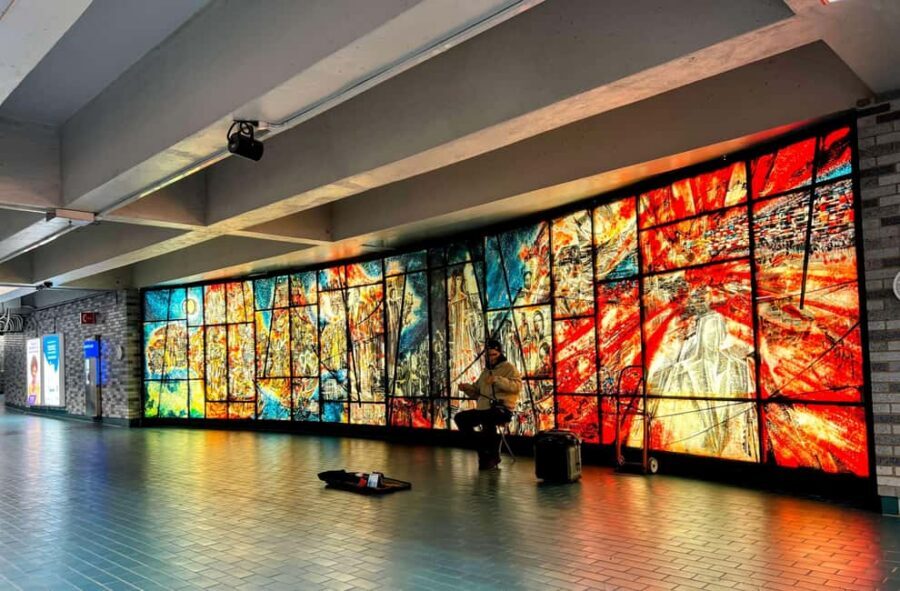
You’ll also find art and culture inside the network—hidden artworks, murals, installations, and other creative elements in spaces where you might not expect them. The result is that the underground doesn’t feel like a tunnel. It starts to feel like a layer of the city with its own personality.
And there’s a big difference between visiting a single attraction and touring a network. A network tour gives you context. You begin to see how galleries connect to cultural places, how passageways guide movement between major downtown points, and how the underground supports social life and work life together.
That’s why it’s such a strong pick for people who like structure. You’ll leave with a map in your head—even if your phone forgets its battery.
The 2-Hour Walk Through Downtown’s Connected Stops
This is designed as a compact tour with a clear flow through downtown connections. The timing works best if you wear comfortable shoes and plan to keep moving without expecting long sit-down breaks. You’ll start near downtown’s core and pass through a chain of major hubs that show how the RÉSO stitches the city together.
Other private tours in Montreal





Starting point at 1508 Rue de Bleury
You meet inside the Tim Hortons building at 1508 Rue de Bleury. It’s a straightforward meeting point and a helpful landmark if you’re arriving from elsewhere in the city.
Practical tip: use that first minute to get your water ready and confirm your camera settings. Underground light can be tricky, so being ready helps you grab photos without stopping the group too often.
Place Montreal Trust (passing through a major connection)
Next you’ll pass Place Montreal Trust. This stop is less about a single attraction and more about how the underground threads through downtown spaces. You’ll see how the network keeps routes efficient and how people use these connections as part of their normal day.
I like this part because it quickly proves the point: the RÉSO isn’t remote. It lives right in the downtown rhythm.
Montreal Eaton Centre (where the underground meets shopping energy)
You’ll then pass the Montreal Eaton Centre. For many people, shopping is the first thing they associate with the underground. Here, you get to see that shopping galleries and pedestrian links are connected into the larger movement system rather than standing alone.
If you like browsing but also like understanding what you’re seeing, this kind of stop is a good balance—enough energy to feel like downtown, but still part of the underground logic.
Place Ville Marie (a downtown hub feel)
After that comes Place Ville Marie. Again, the value is less about a single building fact and more about what it represents: a downtown anchor connected to other major points through underground passageways.
This is where the tour really helps you start mapping in your mind. You begin to notice transitions—how corridors relate to major entrances, and how the network guides you rather than leaving you guessing.
Gare Centrale (transit connections you can feel)
You’ll pass Gare Centrale. Public transit access is one of the biggest reasons the RÉSO matters. Even without a deep transit tutorial, you can feel why this works: the underground provides a smoother connection between moving parts of the city.
If you’re staying near downtown and want a better sense of how you’d move around in winter, this is a key moment. It’s practical city planning you can walk through in real time.
Place Bonaventure (another big downtown junction)
Then you pass Place Bonaventure. This is the type of stop that reinforces the scale of the network. The underground isn’t just for a short cut; it links multiple major anchors so your route can stay protected from weather while still moving you across town.
If you like photos, this is also the kind of location where the contrast between corridors and large downtown spaces can make interesting compositions.
Centre de commerce mondial and World Trade Centre Montréal
You’ll move through the area connecting the Centre de commerce mondial and World Trade Centre Montréal. These stops highlight how the underground serves work life and business districts, not only shopping.
What I like about this is the balance. You get both the public-facing side (movement, galleries, cultural spaces) and the practical, daily routine side (how people get from one major spot to another efficiently).
Palais des congrès de Montréal and Place des Arts
Next comes Palais des congrès de Montréal and Place des Arts. This is where the tour shifts toward culture. You’re shown how the underground connects major event and arts spaces, meaning the RÉSO supports more than daily errands.
This section helped me understand why the underground doesn’t feel purely utilitarian. When cultural spaces connect to transit and galleries, people can show up and move around without treating the city like a set of separate trips.
Complexe Desjardins (closing the loop on downtown connections)
Finally you pass Complexe Desjardins. It’s a good ending point because it brings together the tour’s theme: Montreal’s underground system is designed to keep downtown moving.
By the end, you’ll likely feel like you gained something beyond a walk. You’ll understand how the network connects iconic places and how it can shape the way you experience downtown—especially if your time in Montreal is short.
Practical Tips So You Enjoy Every Corridor
You don’t need special gear, but a few choices make the tour smoother.
- Wear comfortable walking shoes. You’ll be moving for the full 2 hours.
- Bring a camera. The underground has artworks, murals, and installations, and you’ll want to capture them.
- Bring water. Underground or not, you still get thirsty on a walking tour.
Also, note the simple rules: alcohol and drugs are not allowed. It’s the kind of setting where a group experience stays focused and respectful.
Language is another practical win. The guide offers English, French, Spanish, and Portuguese, so you can pick what’s easiest for your group.
And if you’re expecting to rest often: plan for a steady pace. This isn’t built like a slow museum tour. It’s a guided walk through connected spaces.
Who This Tour Is Best For (And Who Should Skip It)
This tour is ideal if you:
- Want a clear, guided route through Montreal’s underground without getting lost
- Like learning how a place works, not just seeing what it looks like
- Travel when the weather can mess up outdoor plans
- Appreciate public art and want to spot it in a real city setting
It’s also a good choice for groups who want a sense of downtown structure. The underground can feel like a puzzle if you go solo. With a private guide, you get the logic instead of the frustration.
Skip it if you have mobility limitations or use a wheelchair. The tour is not suitable for people with mobility impairments and isn’t offered in a wheelchair-friendly way.
Price and Value: Is $101 Per Person Worth It?
At $101 per person for a 2-hour private tour, you’re paying for two things: guided interpretation and access to a network you’d struggle to organize on your own.
If you go solo, you can walk around underground—but you might not understand the history, how it integrates into daily routines, or where the cultural elements are. The guide turns the system into a story, and that’s the value you’re buying.
This price also makes sense for people who want maximum efficiency. Two hours is long enough to feel like you learned something real, and short enough to fit into a busy day without eating your whole schedule.
If you enjoy guided tours and want to see more than just shops, the value holds up.
Should You Book the Private RÉSO Hidden City Tour?
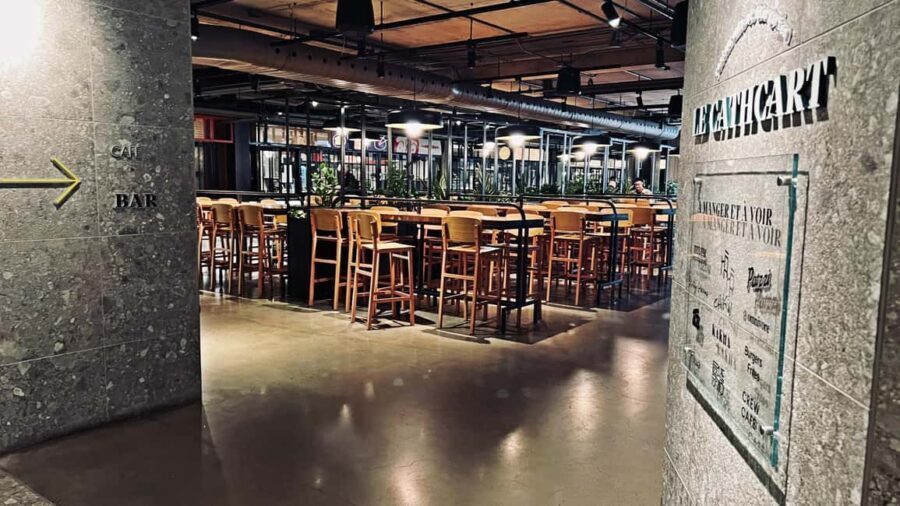
I’d book it if you want Montreal in a different layer. The RÉSO isn’t only a winter shortcut. With the right guide, it becomes a window into how the city functions—where daily life, work life, shopping, public transportation, and culture all connect under one roof.
Book it if you care about getting orientation fast, and you like the idea of seeing underground art and learning the story behind the network. The private format also helps if your group has questions or wants a pace that feels comfortable.
I wouldn’t book it if walking is a problem for your group, because this is a moving tour through passageways. And if you’re hoping for a sit-down, mostly indoor show, this one is built for walking and exploring.
If that sounds like your kind of plan, this is a smart way to understand Montreal’s underground city in just two hours.
FAQ
How long is the tour?
The tour lasts 2 hours.
What is the meeting point address?
You meet inside the Tim Hortons building at 1508 Rue de Bleury, Montréal, QC H3A 0B4.
Is hotel pickup or drop-off included?
No, hotel pickup and drop-off are not included.
Are food and drinks included?
No, food and drinks are not included.
What languages are available?
The live guide is available in English, French, Spanish, and Portuguese.
Is the tour suitable for wheelchair users?
No. It is not suitable for people with mobility impairments, including wheelchair users.