REVIEW · MONTREAL
Old Montreal Private Walking Tour
Book on Viator →Operated by Guidatour · Bookable on Viator
Old Montreal feels small with the right guide. This private walking tour packs Notre-Dame Basilica to the Old Port into about two hours, using tight storytelling and smart photo stops so you get your bearings fast. I like that it’s private and keeps time for questions, not just a scripted march.
One caution: it’s still a walking tour, so wear comfortable shoes and plan for weather. Food isn’t included, so you’ll want to eat before or after your tour (or ask your guide for stops).
In This Review
- Key Highlights You’ll Feel Immediately
- What Makes This Old Montreal Tour Worth the Money
- Starting at Notre-Dame Basilica: A Smooth Jump-In Point
- Old Montreal’s Narrow Streets: Learning the City’s Shape
- Place d’Armes and Place Royale: Your Orientation Shortcut
- Place Jacques-Cartier to Bonsecours Market: Architecture as a Story
- Notre-Dame-de-Bon-Secours Chapel, City Hall, and St-Jacques Street
- Hôtel-Dieu and the First Hospital Site: The Human Side of Old Montreal
- The Sulpician Seminary Photo Op: A Quick Hit of Age
- Old Port Finish at Place d’Armes: Now You Know Where to Go Next
- Examples of the kind of local tips you might get
- Picking Your Timing and Language (and Why It Matters)
- Private Group Size (Up to 15): When It Feels Personal
- Price Breakdown: When $168.98 Per Group Makes Sense
- Who This Tour Suits Best
- Should You Book This Old Montreal Private Walking Tour?
- FAQ
- Where do you meet for the Old Montreal Private Walking Tour?
- Where does the tour end?
- How long is the tour?
- Is this tour private?
- How many people can be in a booking?
- What’s included in the price?
- Is food included?
Key Highlights You’ll Feel Immediately
- Private Old Montreal routing: your guide can tweak what you see while keeping the core orientation intact
- Meet at Notre-Dame Basilica: easy landmark start for first-timers
- Old Montreal street-math: narrow lanes and historical buildings, explained so they make sense
- Architectural photo stops: including the Sulpician Seminary and key squares
- St-Jacques Street and Hôtel-Dieu site: commerce and early health care, in one walk
- A useful finish near Place d’Armes: it ends where you can keep exploring
What Makes This Old Montreal Tour Worth the Money
You’re paying $168.98 per group (up to 15 people) for roughly two hours with a professional guide. That price can feel different depending on who you’re traveling with. If it’s a couple, it’s pricey per person. If it’s a family or a small group, it can start to feel like good value because you’re buying guided time for the whole crew, not just one ticket.
The real payoff is the format. A private tour means your guide can pace for your questions, your interests, and your comfort level in a city where turning one corner can change everything. In the reviews, you’ll see guides like Sarah and Pierre praised for history that connects to daily choices—coffee spots, restaurant ideas, and what to do next.
The itinerary is also intentionally “orientation-first.” You’re not trying to see everything; you’re learning how Old Montreal is laid out and why certain streets and buildings matter.
Other Old Montreal tours we've reviewed in Montreal


Starting at Notre-Dame Basilica: A Smooth Jump-In Point
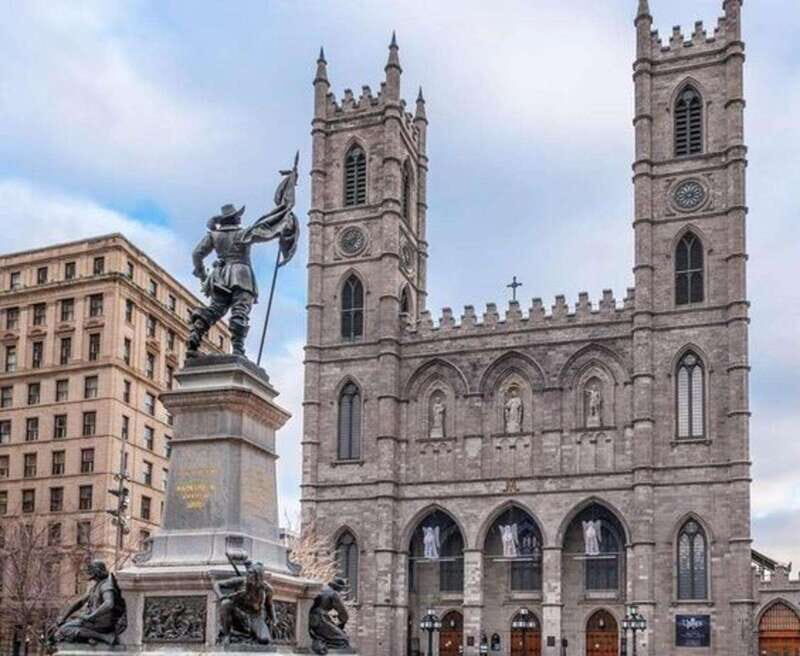
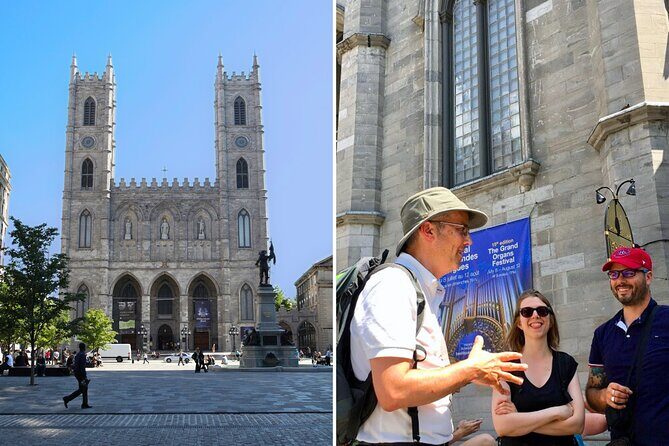
The tour meets at BMO Bank of Montreal, 119 Rue Saint-Jacques and then you’ll begin at Notre-Dame Basilica. I love starts like this because you don’t waste time hunting for a meeting point in a maze of small streets. Once you’re at the basilica area, the whole neighborhood starts to click.
This is also a practical start for photos. You get an iconic anchor point early, before the walk turns into lanes and side streets where it’s easy to lose orientation.
If you’re traveling with kids, this start can help. One family-style review called out a guide’s ability to keep a steady pace for younger travelers, which usually depends on not starting too late or too far from a clear landmark.
Old Montreal’s Narrow Streets: Learning the City’s Shape
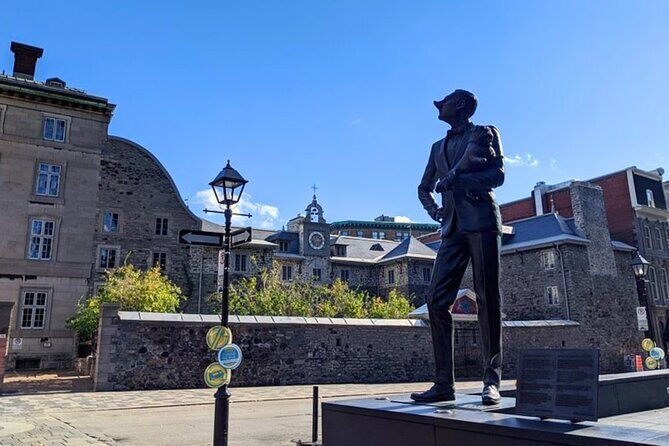
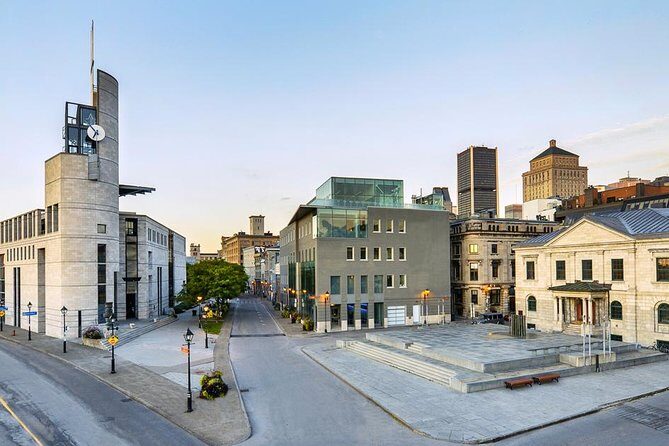
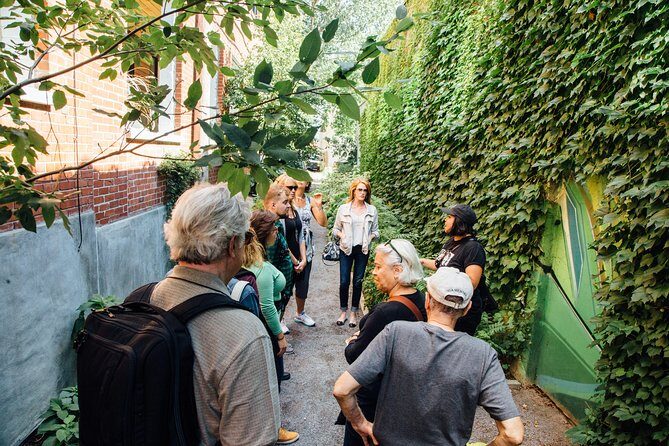
The core portion is a walk through Old Montreal, described as a maze of narrow streets where your guide leads you from one cluster of historical buildings to the next. This is exactly how the district should be experienced: slowly enough to notice details, fast enough to cover the highlights in time.
What you’ll likely gain here is context. Old Montreal isn’t just pretty stone. It’s a layered city—religion, trade, government, and daily life all stitched together in street patterns. When a guide points out why a building exists, or what a square used to mean, the architecture stops being random and starts being readable.
A couple of specific guide moments show up in the reviews: people mention guides who were patient with teenagers, like Joann and Sarah, and guides who kept the tour engaging for adults by mixing architecture with story. That mix matters because the district can feel like a “look and move” loop if the guide doesn’t connect the dots.
Place d’Armes and Place Royale: Your Orientation Shortcut
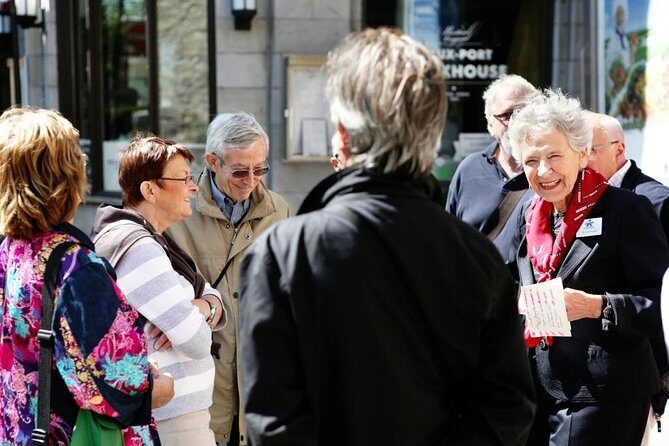
Typical stops include major public squares like Place d’Armes and Place Royale. Squares are the city’s way of giving you breathing room, and guides use them to reset your mental map.
Here’s what this does for you: after squares, you can trace routes more easily. You start understanding where streets lead and why certain intersections are important. If you plan to explore on your own later, this “map-building” is the part you’ll feel most.
Also, squares are good for photos without feeling like a theme park. They give you a scale check. You’ll see how close buildings are, where sightlines open up, and how the district’s layout creates that tight old-city feel.
Place Jacques-Cartier to Bonsecours Market: Architecture as a Story
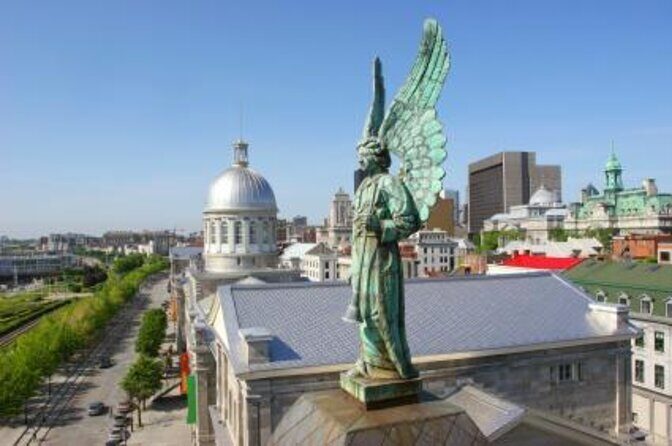
At Place Jacques-Cartier, your guide points out monuments and works of art on display. Then you’ll move through an area where the exterior architecture tells you a lot—especially with stops that include the three courthouses, Château Ramezay, and Bonsecours Market (Marché Bonsecours).
This is one of the best segments for anyone who likes to look closely. Even if you don’t know architectural terms, your guide can explain what you’re seeing in plain language: what roles these buildings played, and how that connects to the streets around them.
If you’re traveling in winter, this area can also offer practical value. One winter review mentioned indoor time when conditions turned rough. That isn’t guaranteed as a rule, but it’s a good reminder to dress for cold and bring a “flexible expectations” mindset.
Other walking tours we've reviewed in Montreal






Notre-Dame-de-Bon-Secours Chapel, City Hall, and St-Jacques Street
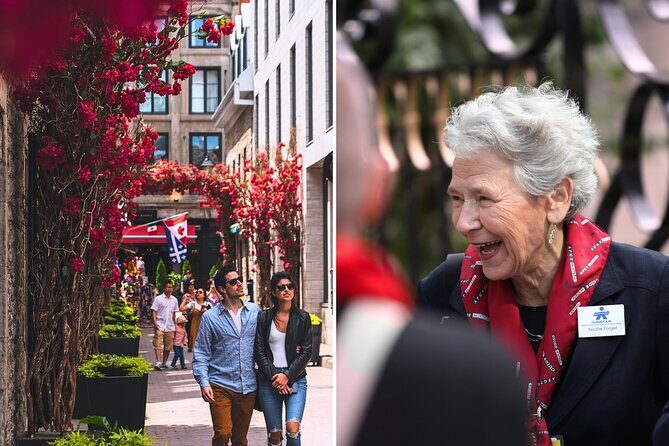
From there, you pass Notre-Dame-de-Bon-Secours Chapel and City Hall, then walk along St-Jacques Street, described as the former Wall Street of Canada. That phrase is useful because it pushes you to look beyond the surface.
St-Jacques Street isn’t just a pretty corridor. It’s a reminder that Old Montreal’s identity included finance and business. When your guide ties street activity to historical use, you’ll understand why certain buildings cluster where they do.
This segment is also a good moment to ask questions. A private format matters most when you’re curious, and reviews repeatedly praise guides for making room to talk. If you want to know what to visit next, or how the district changed over time, this is the time to ask.
Hôtel-Dieu and the First Hospital Site: The Human Side of Old Montreal
Just off St-Paul Street, you’ll discover the foundation site of the city’s first hospital, Hôtel-Dieu, in the Cours Le Royer. I really like when tours include places like this because it balances the “cathedral and courts” story with something more human.
Hospitals, even in their early forms, change how a city operates. They attract people, influence services, and shift priorities. When your guide points to a foundation site, you get a tangible reminder that Old Montreal wasn’t just administrative power—it was community life.
This stop can be especially meaningful if you’re traveling with older kids or anyone who likes practical history: how cities cared for people, not only how they ruled or traded.
The Sulpician Seminary Photo Op: A Quick Hit of Age
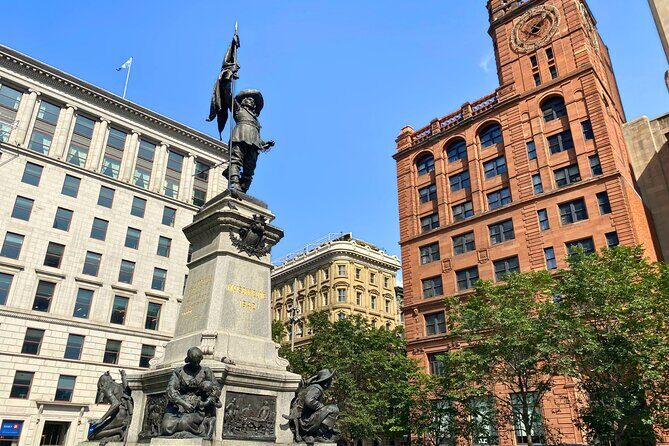
You’ll also get a photo op of the Sulpician Seminary, noted as the oldest building of the historic district. This is one of those moments that works whether you’re a serious architecture watcher or just want one “wow, that’s old” picture for your album.
The value isn’t only the photo—it’s the way your guide frames why the building mattered and how it fits into the bigger district story you’re hearing all morning or afternoon. When that narrative lands, the rest of the walk feels like a connected map instead of isolated stops.
Old Port Finish at Place d’Armes: Now You Know Where to Go Next
The tour ends near Place d’Armes (Le Vieux Montréal area at 500 Place-d’Armes). Along the way, your guide explains Old Port, and by the end you should have a new appreciation for Old Montreal’s long history and landmarks.
I like ending here because it’s walkable to lots of follow-up options without needing a bus or a taxi. If you’re the type who likes to keep momentum, you’ll be ready to continue on foot or choose an easy restaurant.
This “end with direction” piece shows up again and again in the reviews. Several people mention that their guides helped them plan the rest of their stay, including where to eat and what to try next.
Examples of the kind of local tips you might get
- Coffee and dessert stops suggested during a winter tour, like Crew (set in an old bank building)
- Food ideas mentioned after the walk, including Chez Suzette for crepes and Pastek for tapas
- One review highlighted a guide showing how to use the metro after the tour ended
Picking Your Timing and Language (and Why It Matters)
This tour is offered in English, and you can pick between two language options and start times. Even if you’re traveling with a group, timing matters because Old Montreal is compact but not flat. You’ll want a start time that matches your energy level and weather comfort.
The tour also uses a mobile ticket, which helps you avoid last-minute paper scrambling. The listing information notes this experience is often booked about 38 days in advance, so I’d treat it as a “don’t wait too long” option—especially if you’re visiting in peak seasons or planning around a specific schedule.
Private Group Size (Up to 15): When It Feels Personal
This is a private tour, and only your group participates. The maximum is 15 people per booking, which is what makes it workable as a walking experience. Too many people and you’d end up stuck behind someone’s camera. With a smaller max, your guide can still manage the pace and regroup everyone.
In the reviews, that private feel comes through. People single out guides like Frederic, Gaston, Luc, and Thomas for turning history into conversation, not just lectures. Some guides also adjust the route if you’ve visited before; one review specifically noted a guide working to avoid repeating a prior tour.
Price Breakdown: When $168.98 Per Group Makes Sense
Let’s do the math in real life terms. The tour costs $168.98 per group (up to 15) for about two hours.
- If you’re a couple, you’re paying more per person because the group price has fewer people to spread it across.
- If you’re a family of four or five, it can feel more reasonable because the guide experience is shared.
- If you’re a group up to 15, this pricing model can be a strong deal because you’re effectively buying one guided walk for your whole unit.
Where this price really becomes “worth it” is when you value time and clarity. If you want Old Montreal to make sense quickly—street layout, squares, major buildings, and what to do after—this is exactly the kind of tour that saves you hours of guessing.
Who This Tour Suits Best
This is a great fit for:
- First-time visitors who want orientation and a clear starting plan
- Families who want a guide who can keep kids engaged (multiple reviews call out teenagers and kids being handled well)
- Anyone who likes architecture and wants it explained without needing a degree
- Small groups who want a custom pace, not a one-size-fits-all group tour
If you’re the kind of traveler who loves total freedom and hates organized walking, this might feel structured. But if you’re trying to get value from two hours, the private format is the point.
Should You Book This Old Montreal Private Walking Tour?
Yes, I’d book it if you want Old Montreal to feel navigable fast. The best part is that you’re not just getting a list of sights—you’re getting a guided route through the district’s structure: basilica start, key squares, architectural stops like Bonsecours Market, the St-Jacques story, and the Hôtel-Dieu foundation site.
Skip it only if you already know Old Montreal well and you don’t need context. In that case, you might prefer a self-guided walk so you can linger longer in your favorite corners. But for most people, especially first-timers or anyone short on time, this is a smart, high-satisfaction way to hit the highlights and leave with a plan.
FAQ
Where do you meet for the Old Montreal Private Walking Tour?
The meeting point is BMO Bank of Montreal, 119 Rue Saint-Jacques, Montréal, QC H2Y 1L6.
Where does the tour end?
The tour ends at Le Vieux Montréal, 500 Place-d’Armes, Pl. d’Armes, Montréal, QC H2Y 2W2.
How long is the tour?
The tour lasts about 2 hours.
Is this tour private?
Yes. It’s a private tour, and only your group participates.
How many people can be in a booking?
A booking allows up to 15 people.
What’s included in the price?
You get a private tour and a professional guide.
Is food included?
No. Food and drinks are not included.