REVIEW · MONTREAL
Montreal: Essential Neighborhoods Walking Tour + Basilica
Book on GetYourGuide →Operated by Spade & Palacio Non-Touristy Tours · Bookable on GetYourGuide
Stepping into Montreal feels easier after this route. You start with skip-the-line access to the Notre-Dame Basilica, then shift into Old Montréal streets where the city’s mood changes block by block. I especially like how the tour keeps you moving with a practical sense of where things are, not just a list of landmarks.
One big plus is the guided pace: you get architectural context in the moments that matter, and you still have time to look around. The other standout is the way you bounce between classic sights and modern street art, including MURAL Festival work along Saint-Laurent Boulevard.
The only drawback: it’s a walking-focused experience with moderate walking and it’s not wheelchair accessible, so you’ll want comfy shoes and a steady pace.
Key things worth knowing before you go
- Skip-the-line Notre-Dame Basilica entry through a separate entrance
- A small group (max 10) so questions don’t get swallowed
- Lots of “in and out” stops, built for year-round weather
- You connect neighborhoods via the Montreal Underground City
- Chinatown stops include food time plus quick sightseeing
- You finish with street-level Montreal via MURAL Festival and Plateau energy
In This Review
- Start at Place d’Armes: the tour’s easy launch point
- Notre-Dame Basilica: the smart move before the streets
- Old Montréal streets: learning the district without getting stuck
- Montreal Underground City: a shortcut that also teaches you winter logic
- Chinatown: street food time plus quick cultural bearings
- The old Red Light District: history + how it became an entertainment hub
- MURAL Festival on Saint-Laurent: art you can read on the move
- Plateau-Mont-Royal and local coffee: finish with street-level Montreal
- Price and value for 150 minutes of “neighborhood linking”
- Who this tour fits best, and who should skip it
- Should you book this Montreal essential neighborhoods walk?
- FAQ
- How long is the Montreal walking tour?
- Where does the tour meet?
- How many people are in the group?
- Does the tour include entry to Notre-Dame Basilica?
- Is there food or drink included?
- Is this tour in English?
- Is the tour wheelchair accessible?
Start at Place d’Armes: the tour’s easy launch point
I like meeting points that are simple to find, and this one is. You gather by the monument to Paul de Chomedey, Sieur de Maisonneuve, at Place d’Armes Square, directly across from Notre-Dame Basilica.
From the start, you can orient yourself fast. Place d’Armes is right in the heart of downtown, so you’re not commuting around the city just to begin seeing it. And because the tour starts on time, you’ll want to arrive about 10 minutes early—late arrivals can’t join once the group is moving.
This is the kind of start that works well if you only have a day or two in Montreal. You’re set up for the most “first-timer” neighborhoods right away, and you’re not wasting energy on long transfers.
Notre-Dame Basilica: the smart move before the streets
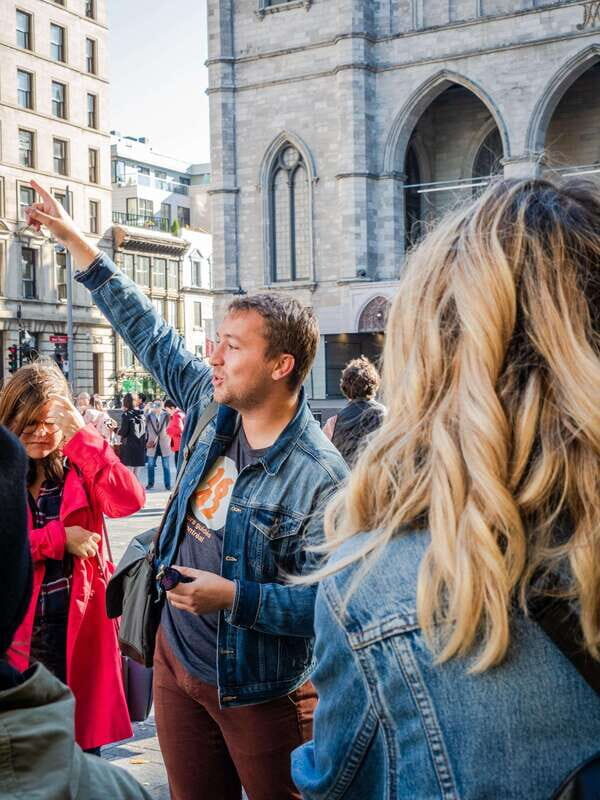
Notre-Dame Basilica is one of those places that feels like it deserves more time than you can give. That’s why the skip-the-line part matters. You’re getting entry efficiently, then you’re still doing your walking tour right after.
You’ll spend about 15 minutes inside. In that window, focus on what makes the basilica visually loud: the ornate detailing, the sense of scale, and the way the interior lighting changes how everything looks. Even if you’re not a religious architecture person, it’s hard not to appreciate the craftsmanship.
The tour includes basilica entry, but it can be closed on rare occasions due to events. If this happens, the rest of the tour still follows the same neighborhood flow, but you should expect that your plan could shift a bit.
Other Notre-Dame Basilica & AURA tours in Montreal


Old Montréal streets: learning the district without getting stuck
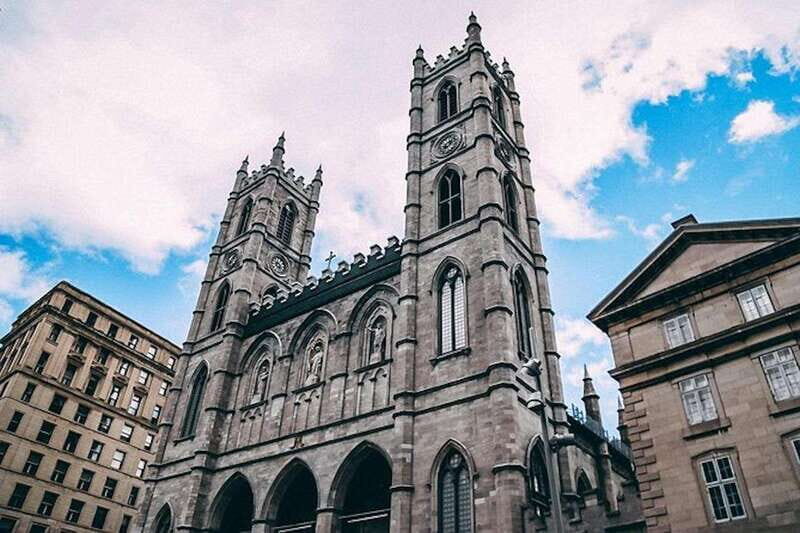
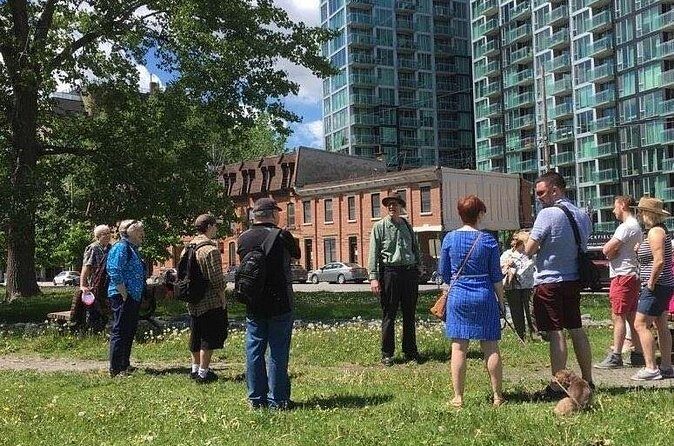
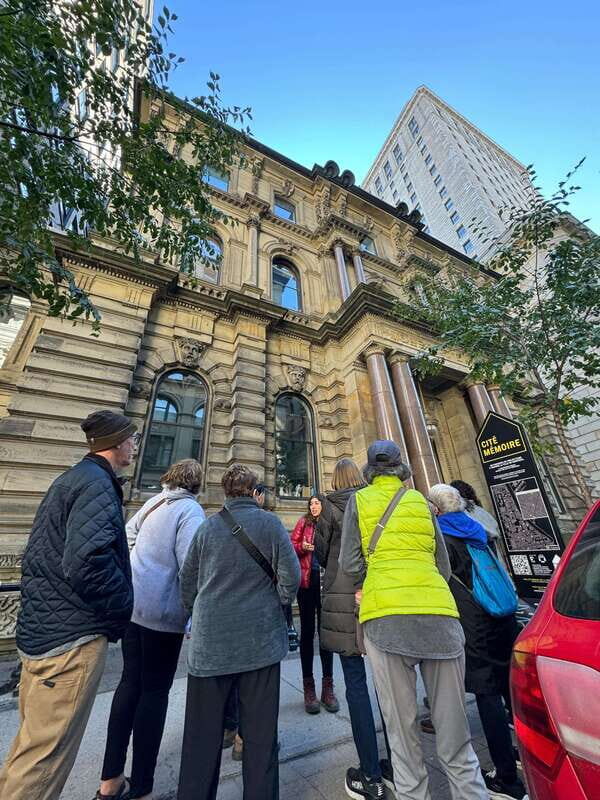
After the basilica, you head into Old Montréal for a guided walk (about 15 minutes). This is where the tour earns its “essential neighborhoods” label. You’re not just passing photos-ready spots. You’re learning how the district developed and what to notice as you go.
The practical value is that you’ll start recognizing patterns: where the streets narrow, where the architecture looks different by block, and which corners feel more “historic” versus more “living today.” That matters because Old Montréal can be visually overwhelming if you’re wandering alone.
You’ll also get time to peek into historic and architecturally impressive spots along the way. The tour does an in-and-out rhythm, so you’re not stuck outdoors the whole time. That keeps it workable even when the weather is doing its own thing.
Montreal Underground City: a shortcut that also teaches you winter logic
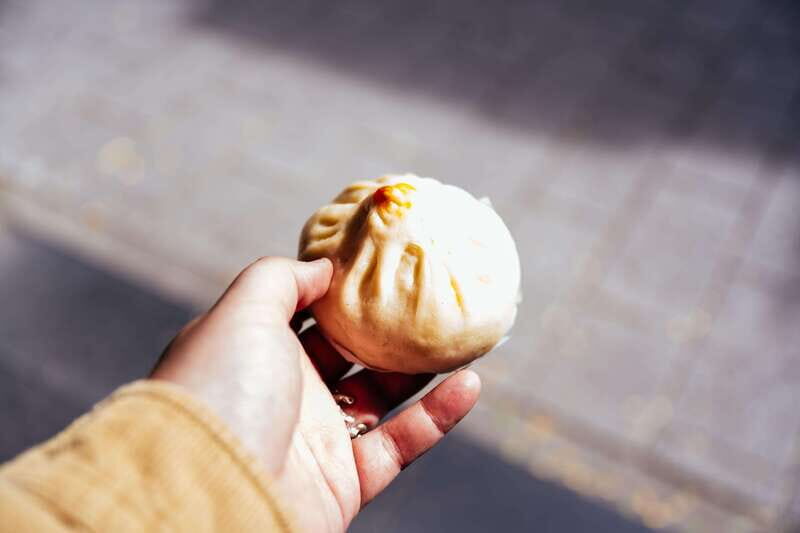
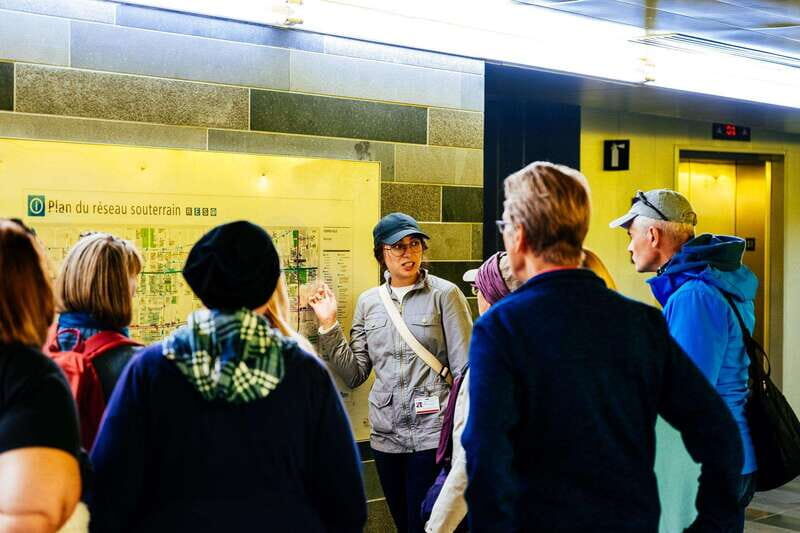
One of the reasons this tour feels unusually “local” is that it doesn’t treat the Underground City like a gimmick. You’ll spend around 20 minutes sightseeing inside a segment of it, and the tour frames it as the largest indoor network on the planet.
Why you’ll like this: it gives Montreal a second “layer” to understand. Instead of thinking of downtown as only what’s above ground, you start seeing how people move through it—especially in colder months.
And it’s not just indoor sightseeing. You use the underground connection to reach Chinatown. That makes the route feel efficient rather than like detours.
If you’re visiting in winter or shoulder seasons, the underground portion is a big upgrade to comfort. Even in fair weather, it helps you avoid unnecessary walking loops and keeps the tour on schedule.
Chinatown: street food time plus quick cultural bearings
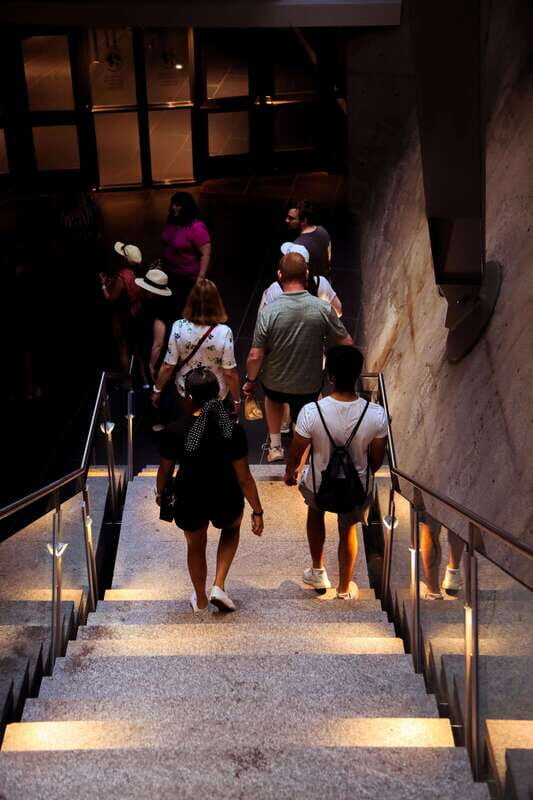
Chinatown is a highlight because the tour doesn’t keep it theoretical. You get a quick food moment (about 10 minutes for street food) and then another 10 minutes for sightseeing.
Here’s what I’d do to make this stop feel worth it: treat it like a sampling window, not a full meal. Grab something you can eat while you stand and watch what’s going on around you. Then use the sightseeing time to connect what you just tasted with what you’re seeing—signs, storefront energy, and neighborhood vibe.
Also, if you’ve heard the term bao bun tied to Chinatown in Montreal, you may see a snack like that included when possible. Since the tour includes one food and one beverage tasting when possible, your exact items can vary, but the intent stays the same: get a quick bite and move on with context.
Chinatown can be busy and visually intense. Having a guide’s framing helps you avoid just walking in circles. You’ll leave with better instincts for what area to return to later—whether for more snacks or just to re-experience the energy.
The old Red Light District: history + how it became an entertainment hub
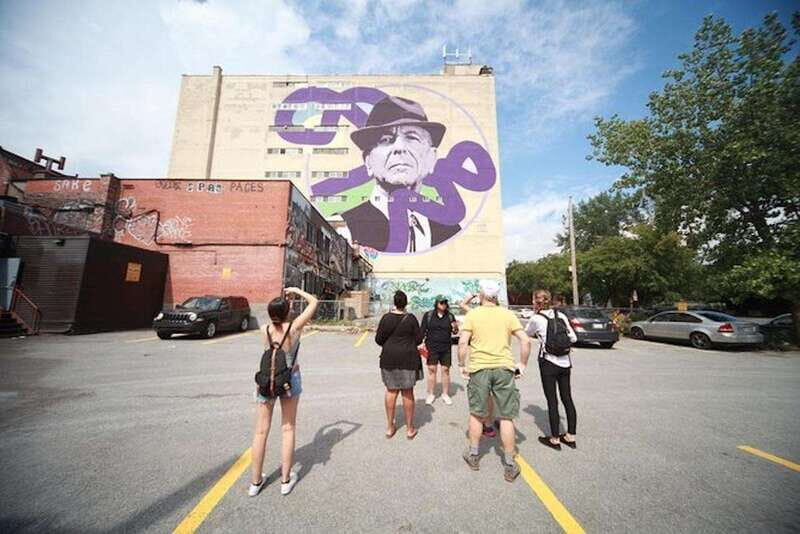
Then you shift to the area known for Montreal’s older Red Light District roots, which today functions as an entertainment mecca. The tour gives you about 10 minutes here, with guided context and sightseeing.
This stop feels different from the “pretty streets” moments. You’re learning how places change roles over time. The cultural angle matters because festivals and events tie this area to modern Montreal, not just its past.
You’ll also have a secret stop with a break (about 10 minutes). That’s smart pacing. When a walking tour keeps going without a pause, you start missing details. A break helps you stay present—especially after Chinatown and before the next art-and-coffee phase.
There’s also mention of popping into a whacky, often missed institution. I won’t guess the name (it can vary by stop), but the point is that you’re not only doing postcard Montreal—you’re seeing the odd corners that make a city feel real.
Other walking tours we've reviewed in Montreal





MURAL Festival on Saint-Laurent: art you can read on the move
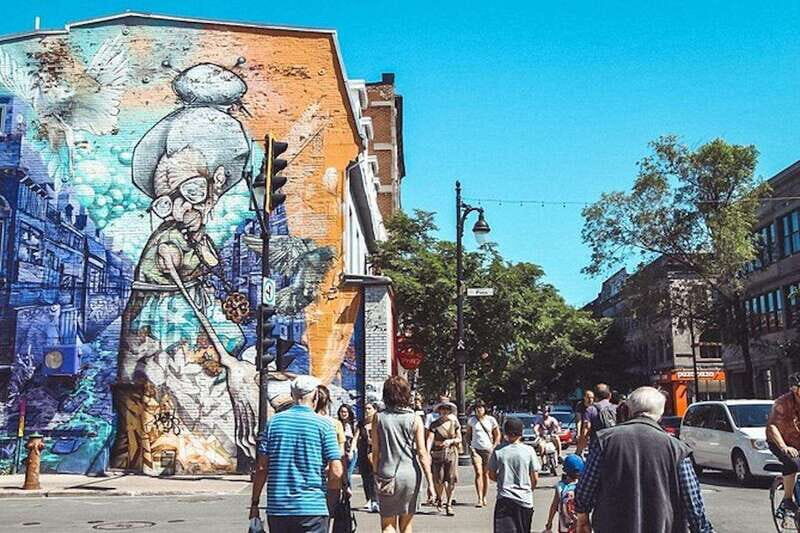
One of my favorite parts of the route is the Saint-Laurent Boulevard section featuring MURAL Festival works. You’ll spend about 15 minutes with a guided look at around half a dozen impressive murals.
This is where the tour turns into more than sightseeing. You’re learning how Montreal uses public art to communicate identity—what it celebrates, what it critiques, and how different neighborhoods project their creative voice.
I also like that this segment ties the art to place. The borough along Saint-Laurent is described as having the highest concentration of artists in Canada. You don’t need a long lecture to get the idea; you can feel it in the streetscape.
If you’re the kind of traveler who takes photos but also wants to understand the story behind them, this is your moment. The tour’s time here is long enough to notice details and short enough that you’re not stuck when your feet start complaining.
Plateau-Mont-Royal and local coffee: finish with street-level Montreal
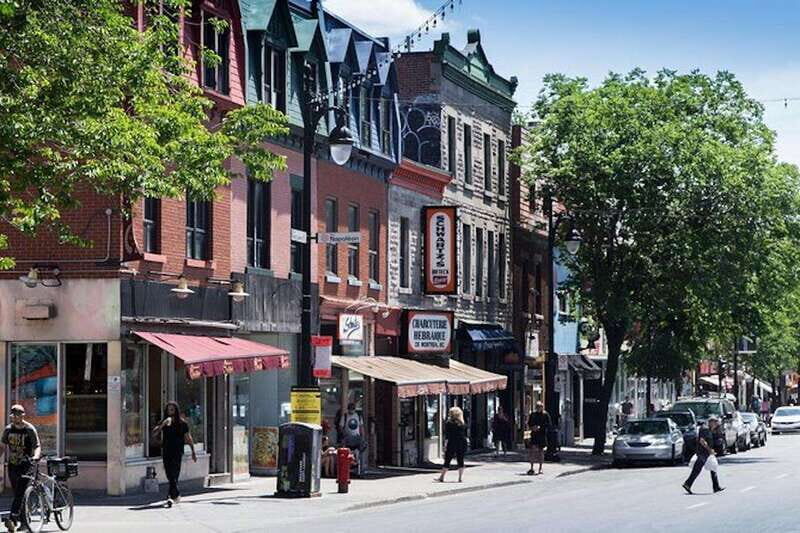
After the murals, you head into Plateau-Mont-Royal for about 10 minutes of sightseeing. This is the “modern Montreal” bridge—more attitude, more creative energy, more everyday life mixed into the sightseeing.
Then comes the local café stop (about 10 minutes). You grab coffee at a third-wave style shop, and that’s more than a perk. It’s a chance to reset while still being in the flow of the neighborhoods you just learned.
If you’ve been walking with a cold wind in your face or sun beating down, coffee time makes the whole tour feel human. It also helps you digest what you saw and heard, so the neighborhoods don’t blur together later.
The tour ends at Ave Duluth. You’ll also receive a custom list of personal recommendations for Montreal. That’s practical value—because the best neighborhood lesson isn’t the one you learn once. It’s the one you use to plan your next meal, your next walk, and your next evening.
Price and value for 150 minutes of “neighborhood linking”
At $57 per person for about 150 minutes, this tour isn’t the cheapest way to see Montreal. But it’s also not just a casual stroll. You’re paying for guide time, entry to the basilica, and the convenience of skipping the line through a separate entrance.
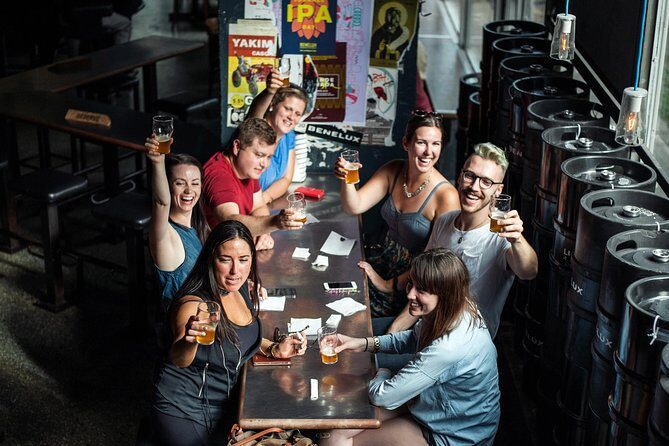
You’re also getting tastings when possible (one food and one beverage). Those small inclusions add up when you’re already planning snacks and coffee during your trip. And the underground connection plus Chinatown plus Red Light District plus murals mean you’re not spending your limited time bouncing between distant spots.
Most importantly, this is built as an orientation tour. If you’re doing Montreal for the first time, getting the city’s “layout” in your head beats collecting ten random photos. That’s why the small group format matters: limited to 10 participants, so you can ask real questions and get real answers rather than waiting for someone to finish a speech.
The operator behind this experience is Spade & Palacio Non-Touristy Tours. The overall rating shown for this tour is 4.9 out of 5 across 41 bookings, with strong notes around guides having fun energy and answering questions in a friendly, patient way. Names that show up with praise include Danny, Jeff, Melanie, Chris, Gabby, Rob, and Rodriguez—use those as a sign that the guiding quality tends to be a major part of the experience.
One last practical note: if you like slow travel, this may feel a bit packed. But if you want a fast “get oriented and taste the city” day, it’s a strong fit.
Who this tour fits best, and who should skip it
This is ideal for first-timers and for people who want a structured route across multiple Montreal personalities. It also suits you if you care about street art and want more than a single photo stop at a mural wall.
You’ll get the most out of it if you enjoy walking, asking questions, and moving at a steady pace. The tour operates in all weather conditions, so dress for the conditions you’ll face—then trust that the indoor segments help you stay comfortable.
It’s not suitable for wheelchair users, and it’s not recommended for children under 10 (even though the minimum age listed is 5). If you’re traveling with kids, make sure the pace and walking time work for your group. On the bright side, it is stroller accessible, and infant seats are available.
If your mobility is limited or you prefer fully seated experiences, look at other options. This one is built around seeing a lot in a small amount of time.
Should you book this Montreal essential neighborhoods walk?
Yes, if you want an efficient, neighborhood-by-neighborhood introduction that blends classic Montreal with the street-level stuff locals notice. The skip-the-line Basilica, the underground-to-Chinatown connection, the festival mural stop, and the coffee-and-recommendations finish make it feel like a complete day package rather than a disconnected checklist.
Book it early in your trip if you can. Getting your bearings fast helps you enjoy the rest of Montreal more, not less. If you’re traveling in cold weather, the Underground City segment is a strong reason to choose this tour over a purely outdoor route.
Skip it if you can’t handle moderate walking or if you need wheelchair accessibility. In that case, the pace will fight your plans rather than support them.
If you’re on the fence, one simple way to decide is this: if you want Montreal to feel like a set of linked neighborhoods you can navigate, this is the kind of tour that makes that happen.
FAQ
How long is the Montreal walking tour?
The tour runs for about 150 minutes.
Where does the tour meet?
You meet next to the engraving 1642 on the Maisonneuve Monument in Place d’Armes Square, directly across from Notre-Dame Basilica.
How many people are in the group?
The group is small, limited to a maximum of 10 participants.
Does the tour include entry to Notre-Dame Basilica?
Yes. Entry to the Basilica is included (though it may be closed for an event on rare occasions).
Is there food or drink included?
When possible, the tour includes one food tasting and one beverage tasting.
Is this tour in English?
Yes, the live tour guide is English.
Is the tour wheelchair accessible?
No, the tour is not wheelchair accessible. It is stroller accessible, and infant seats are available.