REVIEW · MONTREAL
Montréal: The Original Old Montréal Walking Tour
Book on GetYourGuide →Operated by Guidatour · Bookable on GetYourGuide
Old Montréal tells stories on every corner. In a 2-hour walk with a local guide and plenty of historic stops, you get the French-inspired feel of the city fast, and I especially love the architecture close-ups and the amusing, story-driven details. The main drawback is simple: it’s still a walking tour, so weather can matter a lot.
This tour is a great fit when Old Montréal feels like a blur of streets, churches, and photo-worthy corners. I like that the pace stays relaxed enough to keep you oriented, and guides such as Sébastien, Pierre, Thomas, Sarah, and Joanne bring humor and context that makes the neighborhood click. If you want a lot of museum time or a full-day deep dive, this isn’t that.
Before you start, know where to meet: at the obelisk in front of 206 place d’Youville. From there, you’ll stitch together how the area grew, how people lived, and why the streets look the way they do—above ground and, at times, below it.
In This Review
- Key things that make this tour worth your $25
- Meeting at the Obelisk by 206 place d’Youville: starting on the right foot
- Cobblestone streets and French-inspired Old Montréal culture
- Historic locations, architecture views, and smart photo timing
- Winter reality: interior stops and warming breaks that keep the tour enjoyable
- The underground angle: seeing how Montreal moves below street level
- Basilica area plus the observation wheel zone: pairing landmark mood with city context
- The Cold Room stop: a quirky pause that people remember
- How the guide turns 2 hours into real orientation
- Price and value: what $25 buys in Old Montréal
- Timing and who this tour suits best
- Should you book this tour?
- FAQ
- How long is the Montréal walking tour?
- How much does it cost?
- Where do I meet the guide?
- What languages are the guides?
- Is it wheelchair accessible?
- What’s included in the price?
- What isn’t included?
- Can I cancel for a refund?
- What should I bring?
- Can I reserve now and pay later?
Key things that make this tour worth your $25
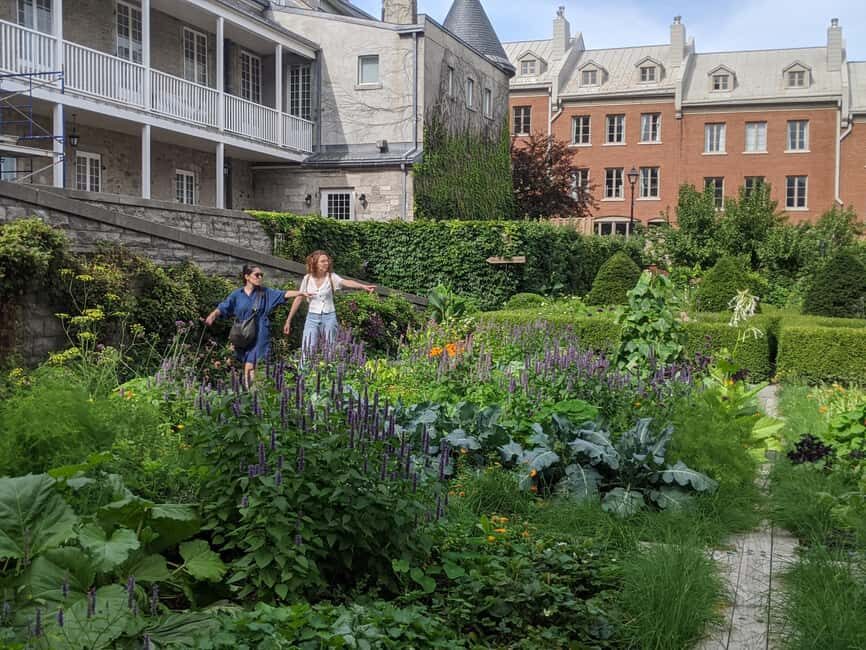
- Old Montréal, street-level: you walk cobblestones and see the real layout, not just a quick drive-by.
- Historic stops with stories: anecdotes explain the why behind the buildings and institutions.
- Guides keep it fun in real weather: you may get quick warmth breaks, including stops inside.
- A mix of above-ground and underground: expect a look at how Montreal handles winter movement.
- Surprise add-ons: the route can include the Basilica area, the observation wheel zone, and even the Cold Room.
Meeting at the Obelisk by 206 place d’Youville: starting on the right foot
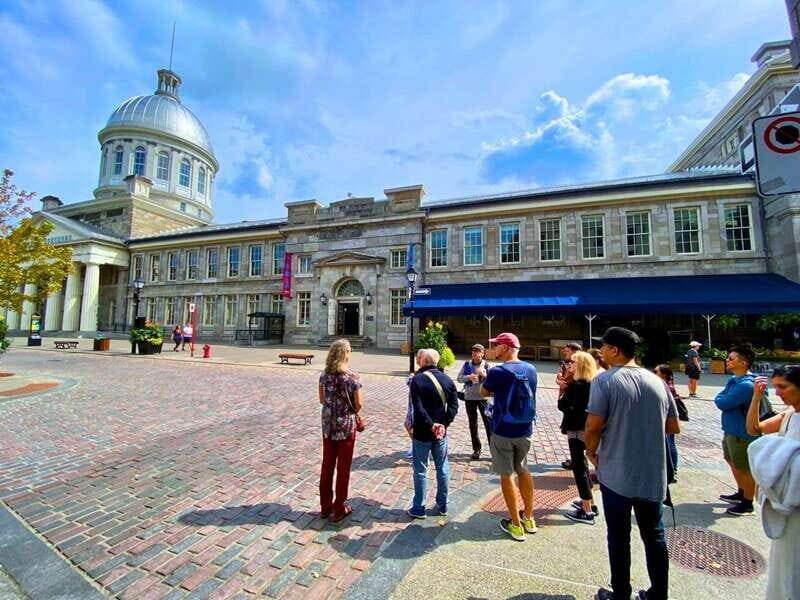
The whole experience starts at a clear, easy-to-find landmark: an obelisk in front of 206 place d’Youville. That matters because Old Montréal can be confusing your first day, and you don’t want to lose your first 20 minutes hunting for a group in the cold.
Once you’re there, the guide gets you organized quickly and sets expectations for the walk. Languages are French and English, and guides typically switch smoothly depending on the group. Several guides I’ve seen mentioned, like Frédérique and David, also adjust the pace when there are kids in the group—so the tour doesn’t turn into a brisk march.
Other Old Montreal tours we've reviewed in Montreal



Cobblestone streets and French-inspired Old Montréal culture
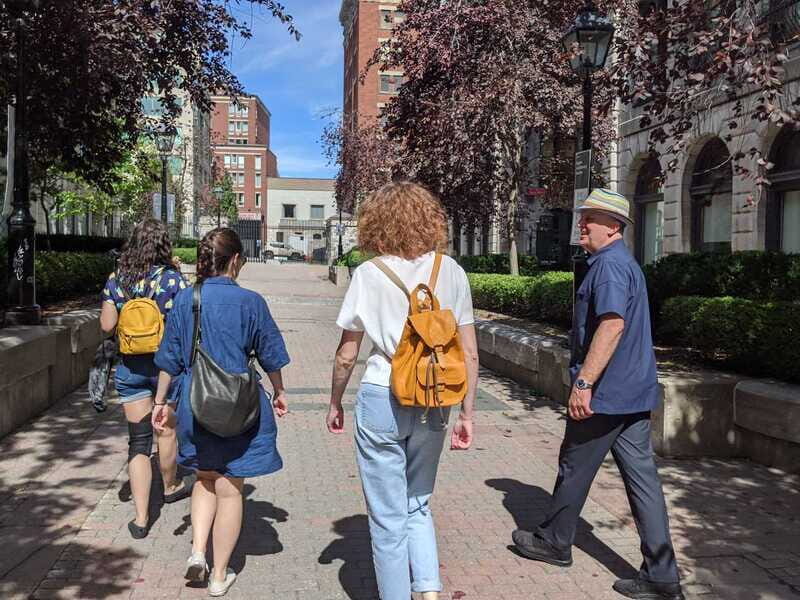
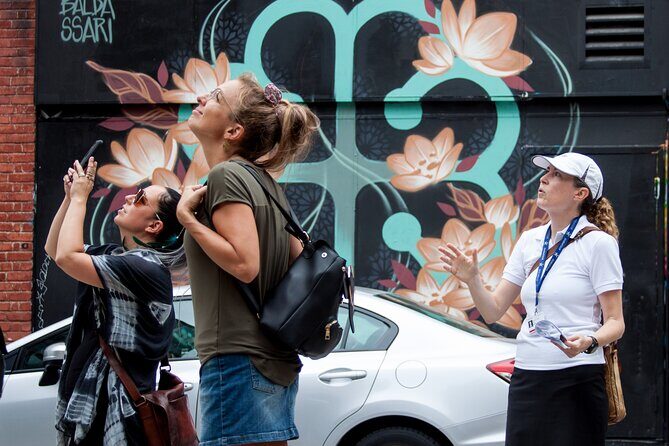
Old Montréal is famous for its look, but it’s the lived-in feeling that usually hooks you. On this tour, you spend your time on foot in the core streets, watching how buildings line up and how the neighborhood funnels people through squares and corridors.
You also get the French-inspired side of the city explained in plain language. Instead of treating the area like a set of postcards, the guide connects the architecture and street pattern to how the city functioned—where commerce happened, why certain institutions mattered, and how Montreal became what it is today.
The best part is how often the stories come with humor. Guides like Sébastien and Pierre are repeatedly described as funny and fast-moving with facts that feel like they belong in conversation, not a lecture. Thomas and Sarah show up in the same role, mixing historical context with a sense of fun that keeps the walk from dragging.
Historic locations, architecture views, and smart photo timing
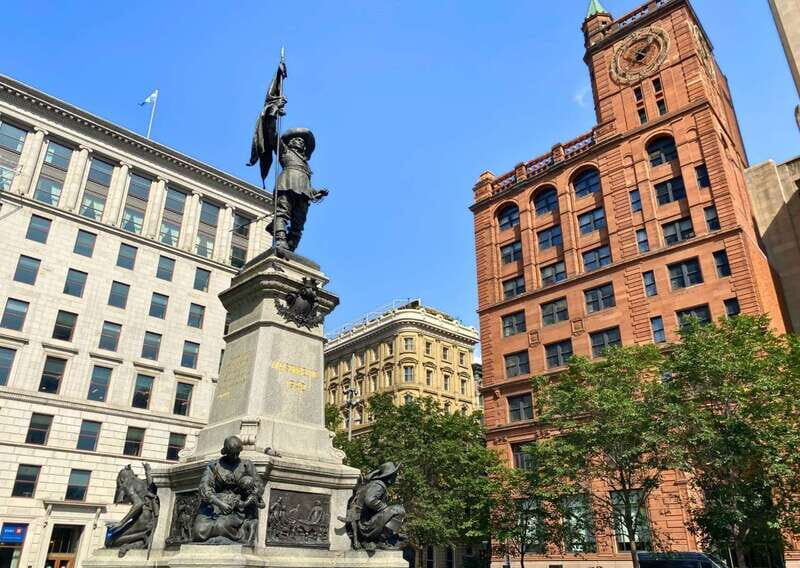
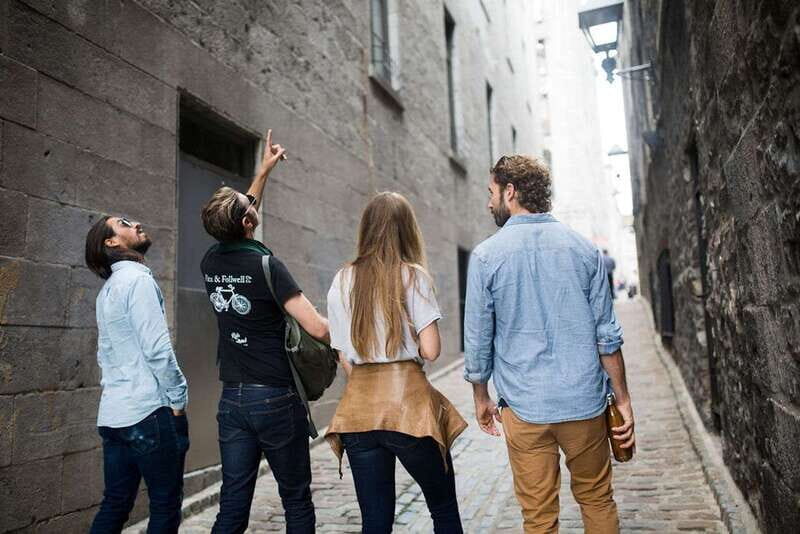
This tour is built around multiple historic locations, which means you’re not just walking past major landmarks at speed. You stop often enough to look closely, absorb details, and take photos with the right angles—especially in narrow streets where the perspective is everything.
The architecture is a big driver here. You’ll see how Old Montréal’s buildings and facades create a visual rhythm: stone and ironwork, church-adjacent design influences, and the look of institutions that shaped daily life. Guides often point out features you’d miss if you were just scanning for the next big view.
If your goal is to get oriented quickly, this is a good first-stop tour. One of the most useful things I’ve found about guided walks is that they tell you what to notice later. After a couple of stops with a guide, you start recognizing patterns on your own as you wander.
Winter reality: interior stops and warming breaks that keep the tour enjoyable
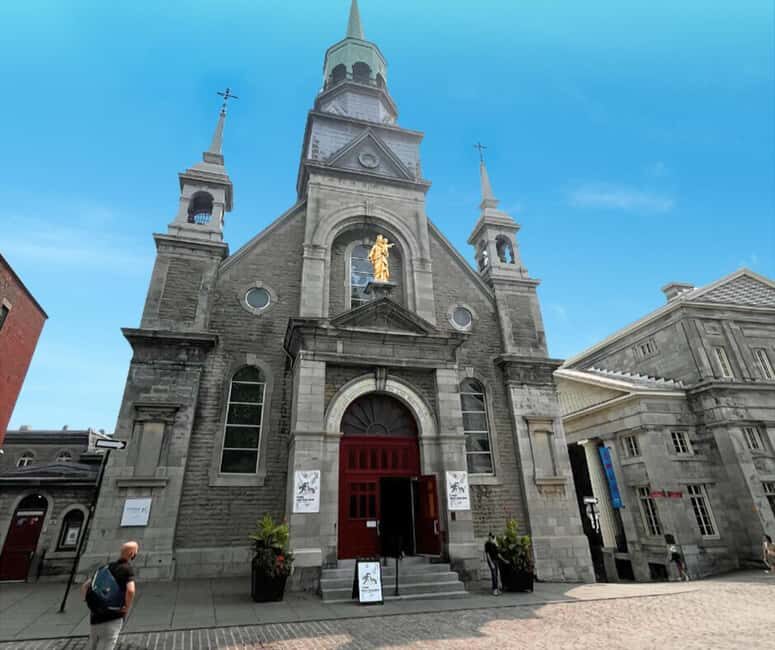
Old Montréal in winter can be brutal, and this tour seems to plan around that. More than one guide is described as taking breaks to get people out of the cold at intervals, including inside historic buildings. That isn’t a luxury add-on—it’s what keeps the two hours from feeling like survival.
Angie, in one account, is praised for planned indoor breaks during winter. Joy’s guide is also noted for being thoughtful about taking people out of the cold. Even at subzero temperatures, guides like Thomas are described as keeping the energy up without steamrolling the group.
Practical advice: wear layers you can manage, not just one heavy coat. Bring comfortable shoes, because the tour depends on walking cobblestones and uneven surfaces. If you get cold easily, consider going on a day with breaks you can warm up during—this tour already seems designed with that in mind.
The underground angle: seeing how Montreal moves below street level
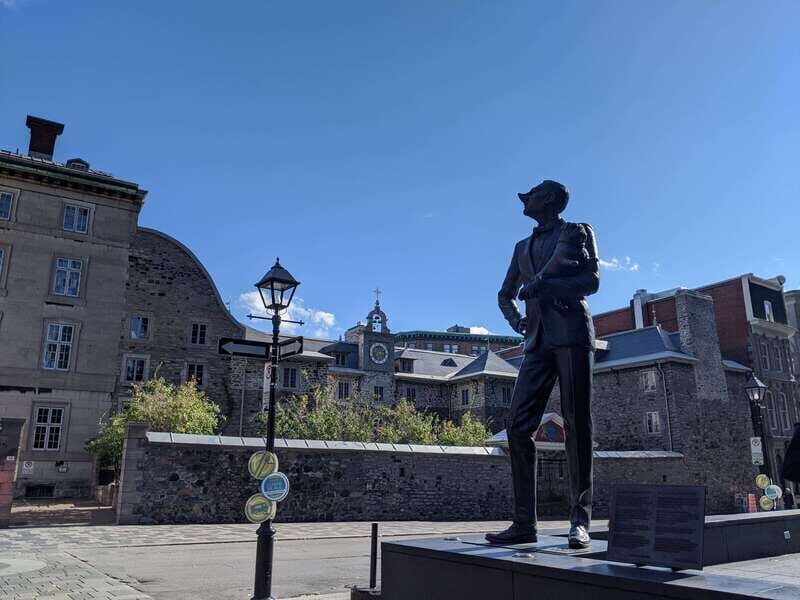
One of the more distinctive parts of the route is the underground. If you’ve never seen Montreal’s below-street world, it can feel like a secret city of its own.
You might encounter sections of the underground experience as part of the orientation, which is useful for two reasons. First, it shows how the city adapts to winter. Second, it helps you understand why some streets, entrances, and access points feel connected in ways you wouldn’t guess from surface-level walking.
Joanne’s description is a good example of why this matters: the tour included Old Montréal and also the underground and connections around major areas. Even if you plan to stay above ground later, having that context makes it easier to navigate and makes your maps and street signs make more sense.
Other walking tours we've reviewed in Montreal






Basilica area plus the observation wheel zone: pairing landmark mood with city context
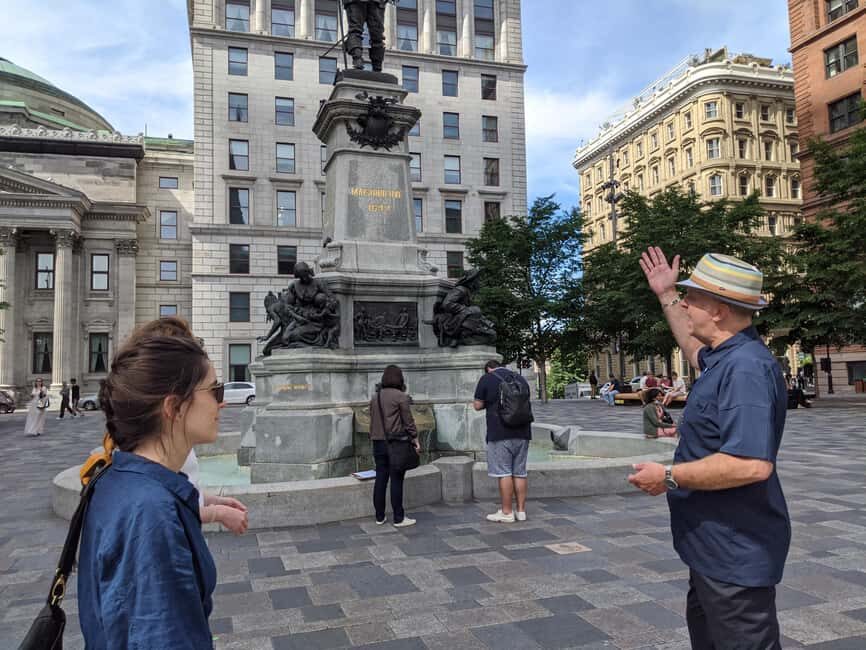
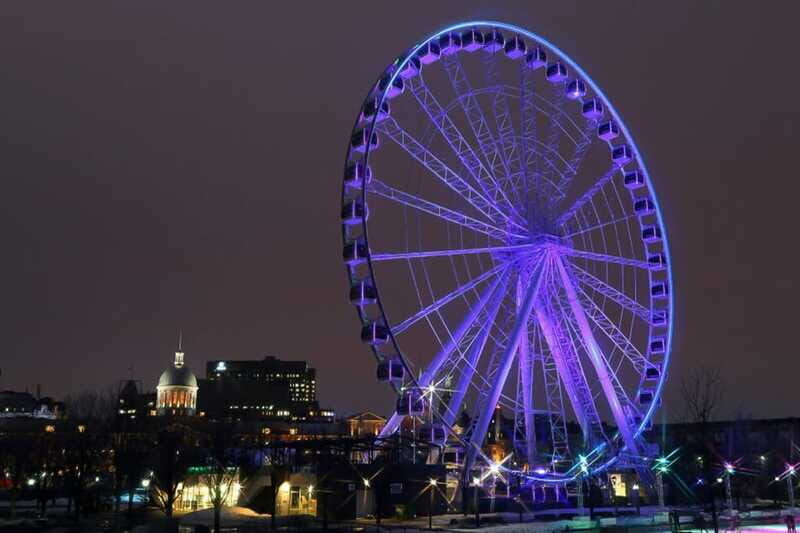
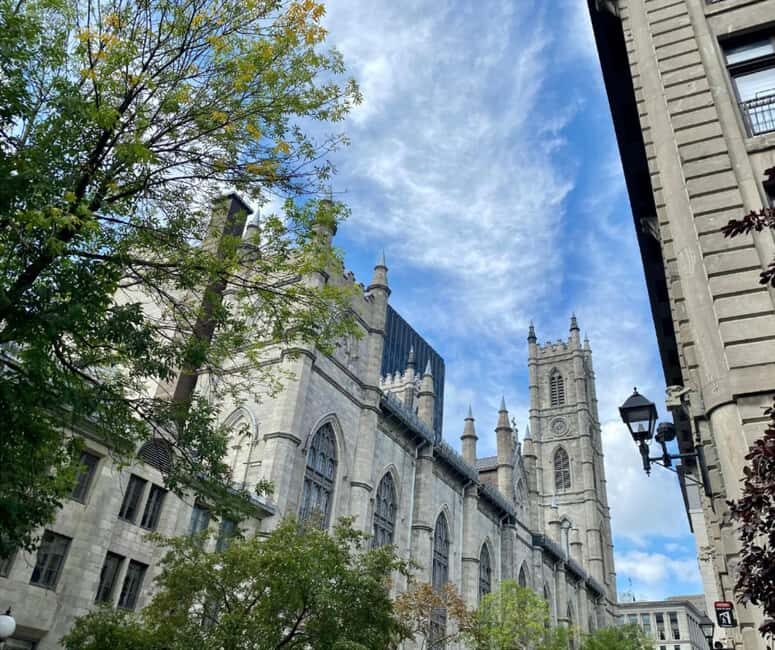
You’ll also pass through the Basilica area and reach the wheel area. Those are exactly the kinds of places where a guide can do real work, because you’re looking at a landmark and a setting that deserves context.
In the Basilica area, the guide can connect architectural choices and civic importance to Montreal’s identity. In the observation wheel zone, you get a different perspective—more of a view-and-atmosphere moment that helps you picture where the city opens up toward the waterfront and beyond.
Even if you don’t ride the wheel, just being in the zone makes the neighborhood feel less like a closed-off historic pocket and more like a living part of the city. That’s a key benefit of a guided orientation: it helps you connect the dots without doing extra planning.
The Cold Room stop: a quirky pause that people remember
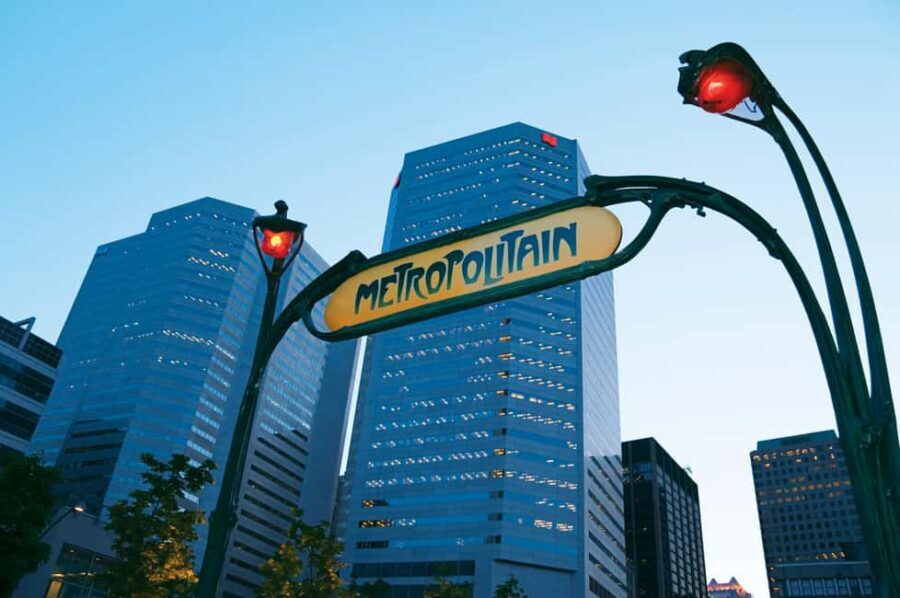
One stop that comes up in feedback is the Cold Room. It’s the kind of side highlight that’s hard to pick out from online photos alone, but once you’re there, it gives the tour a memorable angle that goes beyond monuments and facades.
A guide will likely frame it in a way that fits the city’s winter logic. That’s what makes it work as a walking-tour add-on: it’s short, it breaks the monotony, and it fits the theme of Montreal adapting to cold weather.
If you’re the type who likes a little surprise, this stop is part of the charm. If you hate anything unusual and prefer only classic landmarks, you might still appreciate it as a quick break that keeps the tour from being purely traditional.
How the guide turns 2 hours into real orientation
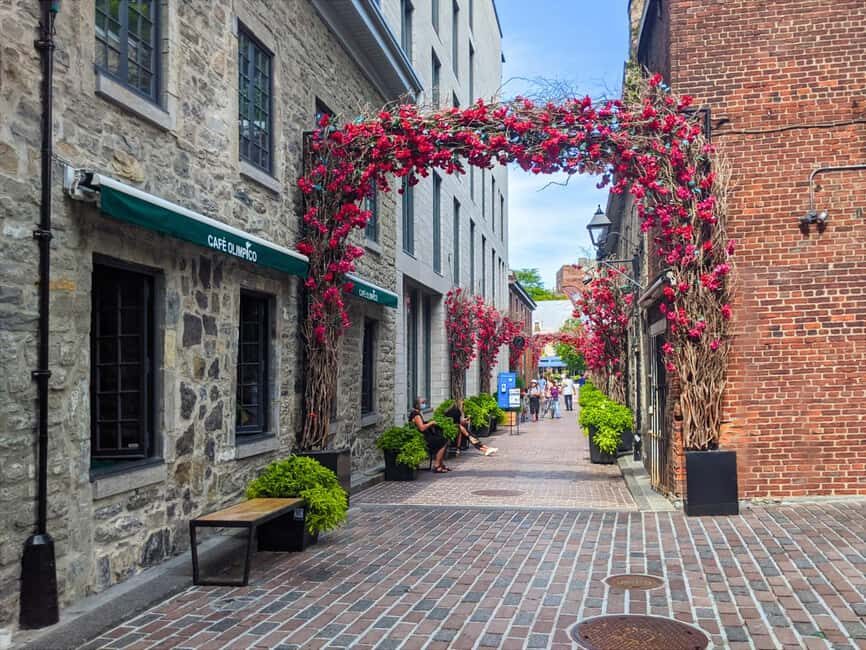
In a good tour, the guide doesn’t just recite dates. They help you see patterns. That’s why the guide experience comes up again and again—Sebastian, Frederique, Luc, Luv, and Sarah all get credit for mixing story, humor, and clear pacing.
Here’s what I think you’ll feel during the walk:
- You’ll get an overview that links the past to the present, so the architecture doesn’t feel random.
- The guide should answer questions and adapt when something is happening around you, so the tour feels alive.
- The pace stays friendly, with enough stops to rest your legs and enough movement to keep momentum.
Several guides are also praised for being patient with questions and for keeping the group engaged without turning it into chaos. That matters, especially if you’re traveling with family or you’re not trying to pack your day with nonstop activities.
Price and value: what $25 buys in Old Montréal
At $25 per person for a 2-hour guided walk, you’re buying orientation, not just entertainment. Old Montréal can swallow time quickly: you turn down a street, discover another angle, and suddenly you’re an hour away from where you planned to be.
This tour helps you avoid that. It gives you a structured route through the key parts of the neighborhood, plus interpretation so you know what you’re looking at. It’s also good value because your guide does the mental work: picking the stops, giving context, and keeping the walk moving at a pace that’s manageable.
If you’re visiting for only a couple of days, this is often one of the easiest ways to get your bearings fast. You can then return on your own to the places you care about most—rather than trying to guess which streets deserve your time.
Timing and who this tour suits best
This works best when you book it early in your visit to Old Montréal. Do it early, and the rest of your time becomes easier. You’ll know what you passed, what it means, and where to go back for longer looks.
It also suits families and groups because the tour can flex to the pace of the group. One guide is specifically noted for adjusting the pace for kids, and others are described as taking questions and keeping the atmosphere light.
If you want:
- a guided introduction to Old Montréal,
- a route that includes both above-ground sights and underground connections,
- and a story-led walk with humor,
this fits well.
If you only want a museum ticket experience, or you dislike walking in cold weather, you may prefer a different kind of tour. The route is designed for walking, with some interior relief, but it still starts with streets.
Should you book this tour?
I’d book it if you’re new to Montreal or if Old Montréal feels too big to plan. The combination of historic stops, French-speaking city storytelling, and winter-friendly pacing makes it a smart way to spend two hours without getting lost.
I would skip or rethink it if you want long indoor exhibits, a deep museum day, or you’re not willing to walk outdoors even with occasional warmth breaks. In that case, a more indoor-focused activity might match your comfort better.
If you’re aiming for a first-day win—something that sets you up for the rest of your trip—this is a strong choice.
FAQ
How long is the Montréal walking tour?
The tour lasts 2 hours.
How much does it cost?
It’s $25 per person.
Where do I meet the guide?
Meet your guide at the obelisk in front of 206 place d’Youville.
What languages are the guides?
The tour is offered in French and English.
Is it wheelchair accessible?
Yes, the tour is listed as wheelchair accessible.
What’s included in the price?
A walking tour and the guide.
What isn’t included?
Hotel transfer is not included.
Can I cancel for a refund?
Yes. Free cancellation is available up to 24 hours in advance for a full refund.
What should I bring?
Bring comfortable shoes and weather-appropriate clothing.
Can I reserve now and pay later?
Yes. You can reserve your spot and pay later.