REVIEW · MONTREAL
Montreal City Highlights 3 Hour Walking Tour | Gratuity-Based
Book on Viator →Operated by Vancouver Toonie Tours Ltd. · Bookable on Viator
Montreal rewards slow wandering, but this tour gives you a fast start. I like how the route strings together major highlights in about 3 hours, without feeling like a checklist from a bus window. I also like that you get a real guide who focuses on the city’s stories and why these buildings and places matter.
Two things make this especially useful for a first (or quick) trip. First, each stop is brief enough that you can keep moving and still get context. Second, the pace is pointed toward neighborhoods you’ll want to revisit on your own—places like Old Montreal squares, the museum at Pointe-à-Callière, and the Underground City connection that helps you keep going when weather gets annoying.
One drawback to plan for: this is a walking-forward tour at a pretty brisk rhythm. If you have trouble hearing outdoors, or you prefer longer explanations at fewer places, you may wish you had a slower, deeper option.
In This Review
- Key Things to Know Before You Go
- The 3-Hour Route That Links Downtown to Old Montreal
- Dorchester Square to Place Ville-Marie: Urban Green and a Giant Landmark
- Victoria Square, World Trade Centre, and Royal Bank Tower: Reading Montreal’s Architecture
- Pointe-à-Callière: Montreal’s Past Under Your Feet
- Old Montreal Squares: Place d’Youville to Place d’Armes
- Notre-Dame Basilica: A Church Stop That Isn’t Just a Look-Through
- Place Jacques-Cartier and City Hall: Where Old Montreal Turns Civic
- Place des Montréalaises to Chinatown: Stories, Public Art, and Food Stops
- The Underground City and Complexe Desjardins: A Smart Move for Weather
- Finishing at Place des Arts: The Right Ending for a Short Trip
- Price and Gratuities: Why This One Costs So Little
- Who Should Book It (and Who Might Want a Different Style)
- Should You Book Montreal City Highlights 3-Hour Walking Tour?
- FAQ
- How long is the Montreal City Highlights walking tour?
- How much does the tour cost?
- Where does the tour start and end?
- What languages are available?
- Is admission included for the stops?
- How big is the group?
- What meeting-time requirements are there?
- What happens if the weather is poor?
Key Things to Know Before You Go
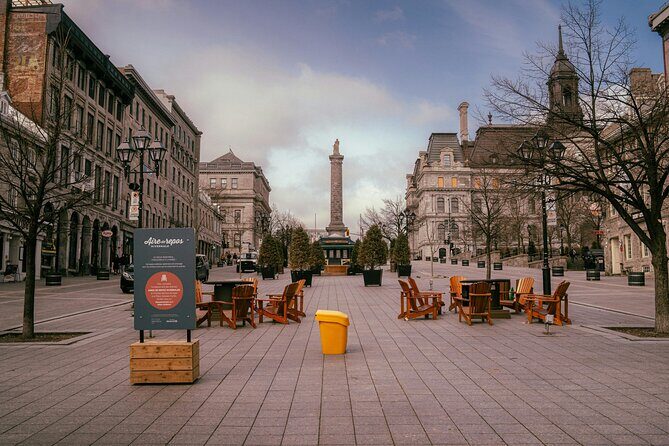
- You cover a lot in 3 hours: downtown icons, Old Montreal landmarks, and even a pass through the Underground City.
- The guide experience matters: reviews highlight friendly, story-driven guiding, but audio and pace can vary.
- Free admission is listed for every stop: you can often choose to pop in briefly if the venue is open.
- Small-to-medium group size: up to 32 people, which helps you move together without feeling swallowed.
- It’s designed for first-time orientation: you’ll leave knowing what to return to and what to skip next.
The 3-Hour Route That Links Downtown to Old Montreal
This tour is built for getting your bearings fast. You start at Dorchester Square near Peel Street and you finish at Place des Arts on Sainte-Catherine—so you’re moving through the city core and ending where Montreal’s arts scene lives. The route is designed to be easy to follow, and the stops are close enough that you’re mostly walking on foot for the full experience.
At $5 per person with gratuities encouraged, the big value is not a fancy add-on. It’s orientation plus story. You’ll pay a small booking fee up front, and then the guide is supported through gratuities. For many people, that turns the whole thing into a budget-friendly way to learn what to chase later.
The tour runs in English (with other languages available when selected), and it’s capped at a maximum of 32 travelers. That means you’ll generally feel like you’re on a guided walk rather than a crowd herded from stop to stop.
Other walking tours we've reviewed in Montreal


Dorchester Square to Place Ville-Marie: Urban Green and a Giant Landmark
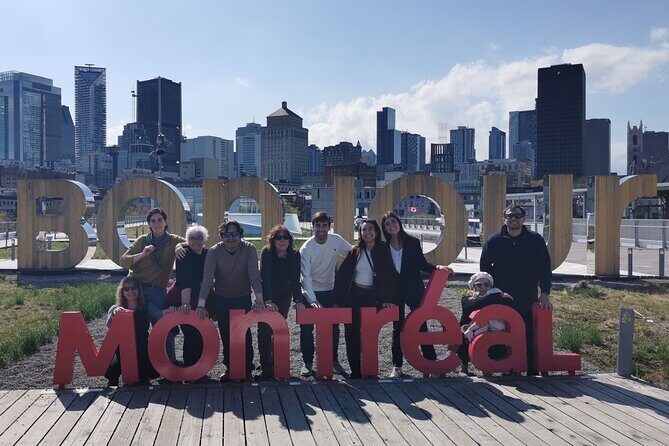
Dorchester Square (at 1555 Peel) is a smart first stop because it resets you. Right in the downtown grid, you get a historic park setting—quiet enough to notice details after the noise of the surrounding streets. It’s also a good moment for your guide to explain how this area used to function, since the square was developed on older grounds.
From there, you head to Place Ville-Marie, anchored by the cruciform tower that’s instantly recognizable on Montreal skylines. The value of this stop is less about standing around and more about training your eye. Once you know what you’re looking at, you start spotting the same architectural “language” around downtown as you walk.
One practical tip: since both stops are quick, wear comfortable shoes and keep your attention on what the guide points out. This is the kind of early context that makes the rest of the walk click.
Victoria Square, World Trade Centre, and Royal Bank Tower: Reading Montreal’s Architecture
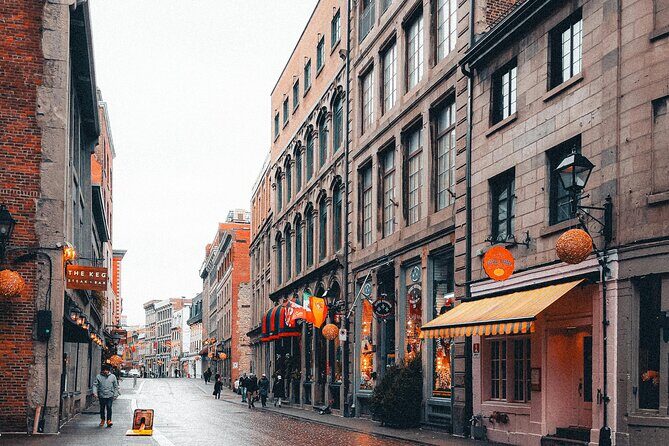
Victoria Square (in the downtown core) is another short pause that helps you slow down. You get a sense of how public space works in Montreal—green pockets, statues, and the kind of open air where you can take a breath without leaving the sightseeing stream.
Next comes the Montreal World Trade Centre. It’s a modern business hub, and your guide’s job is to connect it to what’s happening around it—where commerce sits in relation to civic space and historic districts. Even if you don’t go inside, it’s worth looking up and noticing how the building shapes street-level views.
Then you reach the Royal Bank Tower, known for its elegant Art Deco design and its role in Montreal’s financial story. This stop is a favorite type of highlight for architecture-minded visitors. You’ll see how Montreal keeps old style influences near the newest glass-and-steel structures.
If you like photos, this is one of your best stretches. The angles here make it easy to frame the buildings from the sidewalk without needing special access.
Pointe-à-Callière: Montreal’s Past Under Your Feet
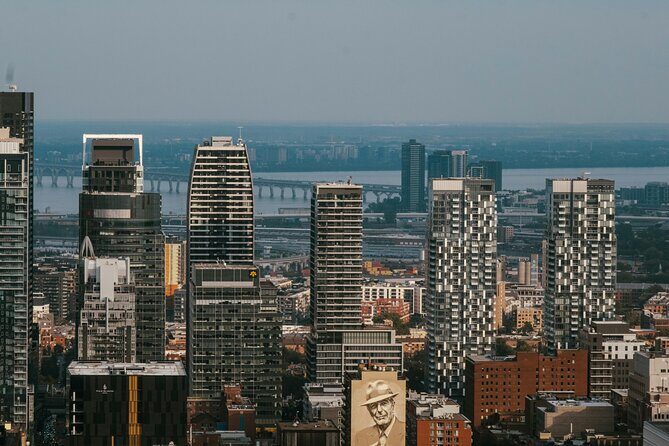
Pointe-à-Callière is the history stop that makes the whole tour feel grounded. This archaeology and history complex is tied to the birthplace of Montreal, which means you’re not just looking at old buildings—you’re learning how the city’s story was physically shaped.
This is also one of the most “worth lingering” stops, even though the tour time there is brief. The listing shows free admission for the stop, so you can plan to step in if you’re curious and the site is open. If you prefer a quick look, you can still absorb the big idea: Montreal doesn’t start with the downtown you see today; it starts much earlier, with layers beneath the ground.
I like this stop because it breaks up the skyline and street-squares rhythm. It gives your brain a different kind of “museum moment,” one that makes the rest of Old Montreal feel more intentional.
Old Montreal Squares: Place d’Youville to Place d’Armes
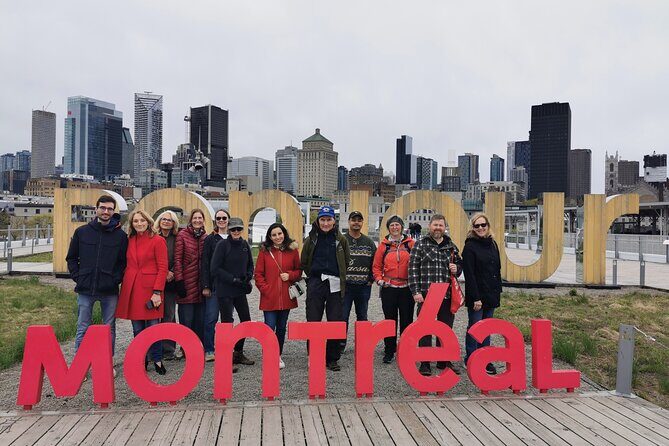
Once you shift into Old Montreal, you get a different walking feel. The tour moves from modern downtown form into stone streets and heritage landmarks—an easy transition because you’re being guided along the way rather than trying to navigate solo.
Place d’Youville is a compact, historic square that works well as a gentle entry into the district. It’s a good place to notice cobblestone textures and the surrounding heritage buildings without committing to a long detour.
Place d’Armes is the next big square moment. This is where the city goes ceremonial: architecture frames the open space, and the vibe turns more about observation than rushing. It’s also a natural lead-in to Notre-Dame Basilica, since the area around Place d’Armes helps you understand why the basilica is such a focal point.
The bonus here is that even short stops give you photo setups. If you time it right, light across the stone and facades can look great for both quick snaps and longer shots.
Other city tours we've reviewed in Montreal





Notre-Dame Basilica: A Church Stop That Isn’t Just a Look-Through
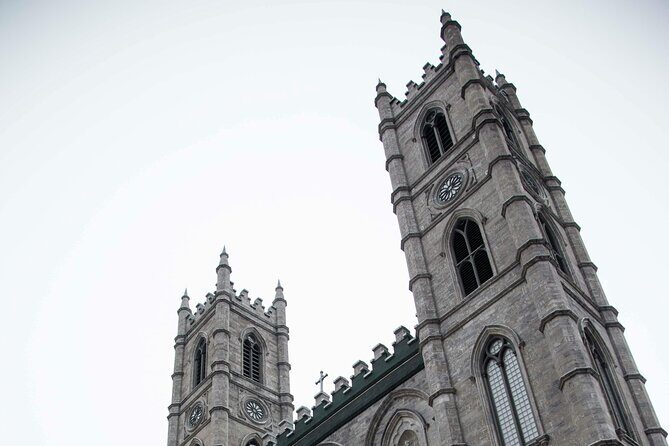
Notre-Dame Basilica is one of Montreal’s signature sights, and this tour treats it like a highlight for good reason. The church is famous for stained glass and intricate woodwork, which means it rewards you even if you only have a short window.
The biggest value is practical: you’ll know what to look for. With a guide pointing out key details, you can avoid wandering through a huge interior like a lost tourist. It’s easier to focus on the features that people travel here for.
If you’re the type who likes art and craftsmanship, this stop is one you’ll probably remember after the tour ends. Even if you don’t go deep into religious architecture, the visual design is the main draw.
Place Jacques-Cartier and City Hall: Where Old Montreal Turns Civic
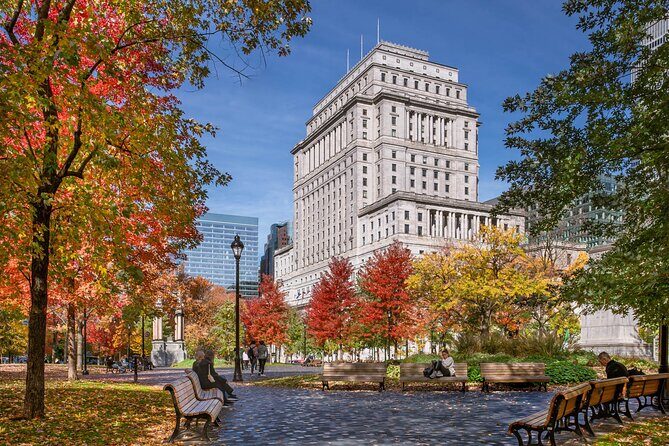
Place Jacques-Cartier adds a social layer to Old Montreal. You’re not just seeing buildings; you’re getting a sense of daily life in the historic district—cafes, street performances, and that open-space energy where people pause.
Then City Hall brings it back to a civic scale. Montreal City Hall is a Second Empire–style building, and this stop helps you connect municipal power with the city’s historic core. It’s the kind of architecture that makes you feel how long Montreal has been organized and governed, right in the middle of the tourist path.
I like pairing these two stops because they show two sides of the same district. One side is everyday public life; the other is the administrative heartbeat of the city. Together, you start seeing Old Montreal as more than a photo backdrop.
Place des Montréalaises to Chinatown: Stories, Public Art, and Food Stops
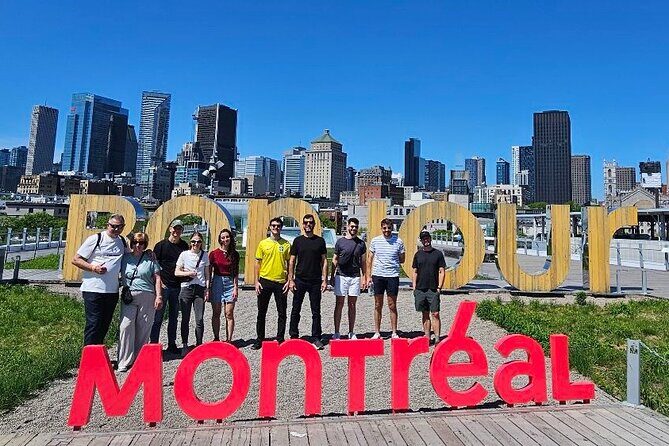
After Old Montreal, the tour keeps moving into downtown again, but with a different mood. Place des Montréalaises is a modern square that centers on women’s contributions to Montreal’s history and culture. It’s a smaller, calmer break that’s still meaningful, especially if you enjoy public art and the way cities choose what to remember.
Chinatown is the next stop, and this is where the walk becomes more sensory. You’ll get a feel for colorful streets, shops, and traditional cuisine—basically the kind of area you’ll want to wander on your own afterward. The tour doesn’t replace a meal plan, but it gives you a map in your head.
This is also one of the most “you’ll return” areas on many trips. After a guided intro, you’ll know where to aim when you’re hungry and want something authentic without spending 45 minutes figuring it out.
The Underground City and Complexe Desjardins: A Smart Move for Weather
One of the smartest parts of this itinerary is the Underground City. When the weather turns—cold rain, winter winds, or just that damp “why am I outside” feeling—this type of stop makes Montreal feel more practical.
You’ll pass through RÉSO, the interconnected network of tunnels and passageways under downtown. It links shopping, restaurants, and cultural spaces, so you understand why Montreal locals treat the underground as part of daily life, not a tourist gimmick.
Complexe Desjardins follows, adding a major commercial anchor to the picture. It’s a large mixed-use complex, and your guide helps connect it to how Montreal’s downtown functions as one big system. Even if you don’t shop, this stop teaches you where people move, gather, and wait for transit.
If you’re visiting in winter, I’d pay extra attention here. This is where your tour stops being just sightseeing and starts being survival strategy.
Finishing at Place des Arts: The Right Ending for a Short Trip
The tour ends at Place des Arts, and that’s a solid finish line. This performing arts complex is Montreal’s major cultural hub, and even a quick look around helps you understand how serious the city is about music, dance, and theatre.
What I like about ending here is momentum. After 3 hours of history and architecture, you get a modern cultural reference point. You can walk away knowing where to look if you want a show that night or a bigger arts plan for your remaining time.
It also works as a practical last step. If you’re heading elsewhere in the city, Place des Arts is a central place to reposition.
Price and Gratuities: Why This One Costs So Little
Let’s talk value, because the $5 price tag can look too good to be true. The tour is gratuity-based, and the booking fee you pay here supports reserving the spot. Your real contribution to the guide comes through gratuities, which is common for walking tours.
So what are you paying for?
- Coverage: you hit downtown landmarks and Old Montreal highlights in one route.
- Context: the guide brings in story and explanation so you understand what you’re seeing.
- Recommendations: you’ll get local tips on what to revisit later.
Is it perfect? Not always. Some reviews mention the guide could be more informative, and one person reported trouble hearing for part of the walk. There’s also feedback about walking speed and the tour feeling like it ended earlier than expected after places were rushed through.
Still, for the money, the tradeoff is reasonable if you keep your expectations aligned. This is an intro walk, not a museum-quality lecture.
Who Should Book It (and Who Might Want a Different Style)
This tour is ideal if you:
- Want a first-trip orientation to Montreal’s main districts.
- Like architecture stories and quick context at major landmarks.
- Enjoy meeting other people while walking, especially if you’re traveling solo.
It’s less ideal if you:
- Prefer slow pacing and lots of time at each site.
- Need clear audio or struggle in noisy outdoor environments.
- Want a deeply detailed history lesson for every stop.
If you’re the kind of traveler who likes to return for a longer look later, this tour supports that plan. You’ll come away knowing which places deserve a second visit.
Should You Book Montreal City Highlights 3-Hour Walking Tour?
If you want a cost-effective way to understand Montreal in a single afternoon, I’d say yes. The itinerary covers the kind of mix that helps you build a mental map: squares in Old Montreal, iconic church and civic sites, plus downtown structure and even the Underground City connection.
Book it when you have limited time and you want maximum “where should I go next” payoff. Skip it if you’re hoping for a slow, intimate tour where you’ll linger at each site for long explanations.
Either way, bring good walking shoes and your curiosity. Montreal’s details reward attention, and this route gives you a smart starting line.
FAQ
How long is the Montreal City Highlights walking tour?
It runs for about 3 hours.
How much does the tour cost?
The price listed is $5.00 per person and it is gratuity-based.
Where does the tour start and end?
It starts at Dorchester Square at 2903 Rue Peel, Montreal, and ends at Place des Arts at 175 Rue Sainte-Catherine O.
What languages are available?
The tour is offered in English, and a guide may be provided in Español or Français when selected.
Is admission included for the stops?
Each listed stop shows admission ticket free, so you can choose what to do at each location based on what is open.
How big is the group?
The tour has a maximum of 32 travelers.
What meeting-time requirements are there?
Confirmation is received at booking, and the experience notes you should arrive near public transportation options.
What happens if the weather is poor?
The tour requires good weather. If it is canceled due to poor weather, you’ll be offered a different date or a full refund.