Three galleries, one easy walk through art. I love how this tour gives you a fast taste of Montreal’s art scene without feeling rushed, plus the way it connects what you see to bigger ideas like collection-building and Canadian identity. I’m also a fan of the guide, with Nada taking her time, answering questions, and bringing friendly context to artists and galleries along the way.
You should know one thing up front: each stop is timed at about 20 minutes, so if you want to read every label slowly and linger at one painting for 45 minutes, you may feel a bit squeezed.
In This Review
- Key highlights at a glance
- A 2-hour private gallery walk that keeps you moving
- Where the tour starts and ends (so you don’t waste time)
- Stop 1: Galerie LeRoyer and the art-collector mindset
- Stop 2: Images Boréales and why Inuit art hits so hard
- Stop 3: Galerie d’art Blanche on Montreal’s oldest street
- How Nada keeps it engaging (and why the pacing works)
- Price and value: why $48.64 can make sense
- Best for: who should book this gallery tour
- Quick tips to get more from those 20-minute stops
- Should you book it?
- FAQ
- How long is the guided art gallery tour in Montreal?
- What is the price per person?
- Is this a private tour?
- Where does the tour start and where does it end?
- Is there a mobile ticket?
- Are admission tickets included?
- What happens if the weather isn’t good?
- Can service animals join the tour?
- Is there free cancellation?
Key highlights at a glance
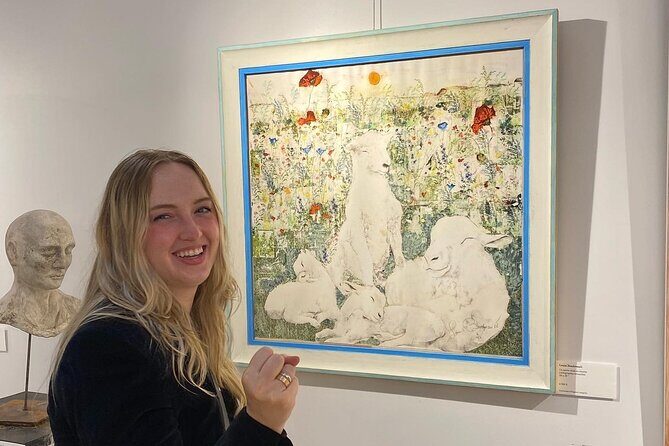
- Three distinct gallery types in about two hours: contemporary collecting, Inuit cultural work, and local Montreal artists
- Nada’s art-stories approach, with lots of room for questions and practical tips
- 20-minute stop pacing, great for orientation, not ideal for deep solo wandering
- One paid admission, two free entries, so you’re not paying again for every room
- Mobile ticket + private group feel easy and personal
- Good walking route between stops, near public transportation
A 2-hour private gallery walk that keeps you moving
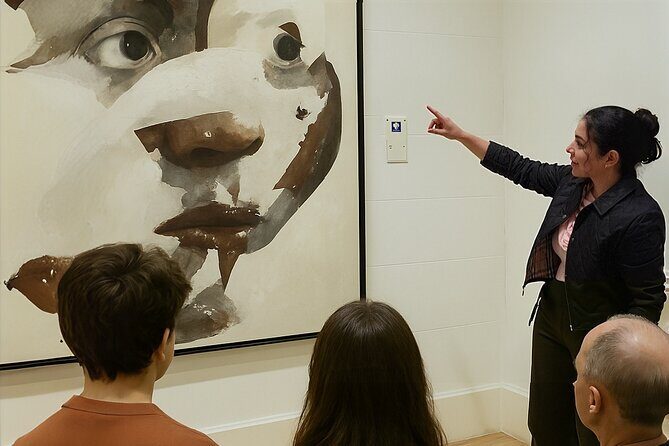
This is a private tour/activity, meaning only your group goes, and the schedule stays focused. The total time is about 2 hours, with short stops that are long enough to see what matters and short enough to keep energy high. It’s also guided, not a self-guided checklist. That matters because art can look random when you’re alone, and the guide helps you build a quick map of what you’re looking at.
Nada’s style (based on what people say) is calm, engaging, and flexible. She doesn’t just point at artworks; she talks about what’s going on inside the galleries—how the spaces think, how artists develop, and what to watch for if you want to understand the work instead of just skim it. If you’re new to gallery visits, that’s a real advantage. If you’re more experienced, it’s still useful because you get local context and purchasing hints without turning it into a sales pitch.
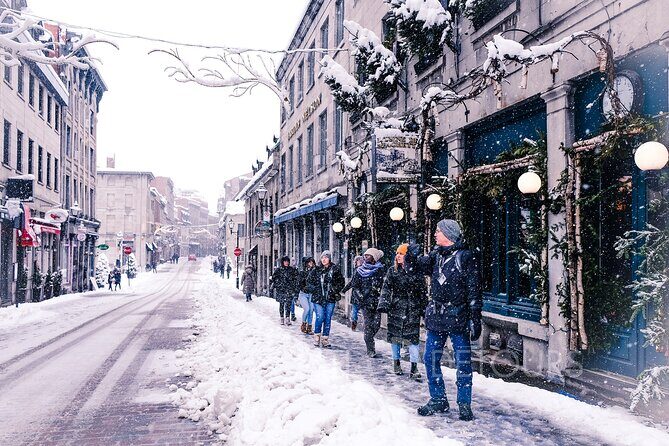
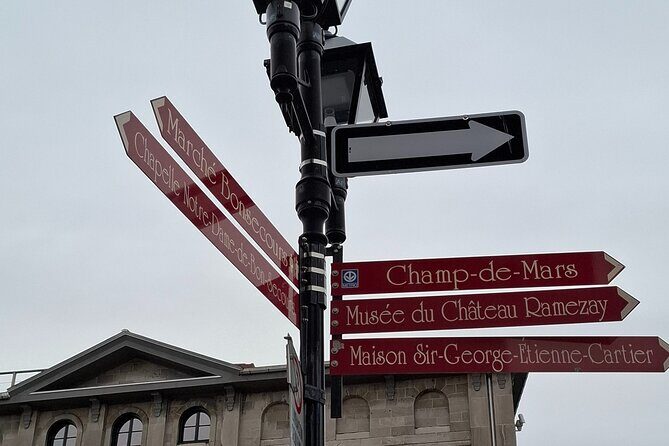
One more practical note: the route is in central Montreal streets, and it’s near public transportation, so you’re not stuck planning a whole day around taxis or parking. And since this uses a mobile ticket, you won’t be digging for paper tickets at the last minute.
Other guided tours in Montreal



Where the tour starts and ends (so you don’t waste time)
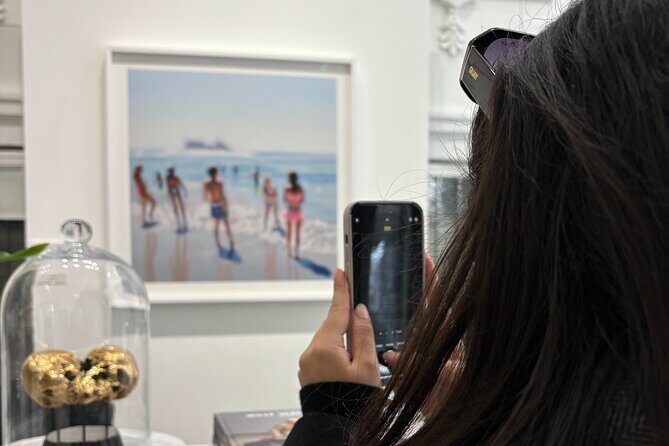
The meeting point is at 433 Rue Saint-Sulpice, Montréal, QC H2Y 1V5, and the tour ends at Images Boréales Inuit Art Gallery, 4 Rue Saint-Paul E, Montréal, QC H2Y 1G1.
That end point is helpful because it’s still in the same general area you’ll have been walking through. It can make it easier to continue on your own right after the tour. If you’re pairing this with lunch or a museum visit, plan around the fact that you’ll start near Rue Saint-Sulpice and finish near Rue Saint-Paul E.
Also, keep an eye on weather. The experience requires good weather, so if rain or storms happen, you’ll need to be ready for a reschedule or a refund option.
Stop 1: Galerie LeRoyer and the art-collector mindset
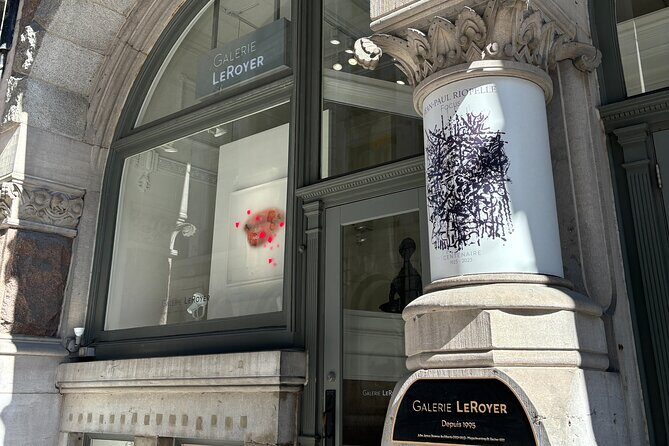
Your first stop is Galerie LeRoyer, where the focus leans more contemporary and collection-minded. This isn’t a gallery visit that feels like a quick photo stop. It’s set up for people who want to understand what separates one body of work from another—style, materials, themes, and how galleries present artists as serious career moves.
The tour includes admission here, and the time is about 20 minutes. That might sound short, but in a higher-end space, it works surprisingly well. You’ll typically be able to get the feel of the gallery quickly: what they show most often, what kind of buyers they serve, and what the gallery seems to want you to notice.
What I like about this first stop is that it sets a frame. After you’ve been in this kind of gallery, the later stops feel less like random rooms and more like different answers to the same question: what makes art matter, and how do galleries shape the conversation?
Possible drawback: because Galerie LeRoyer is more polished and collection-focused, if you only want casual browsing, you might feel slightly more pressure to pay attention. Still, Nada’s approach helps break that tension by giving you a simple way to look.
Stop 2: Images Boréales and why Inuit art hits so hard
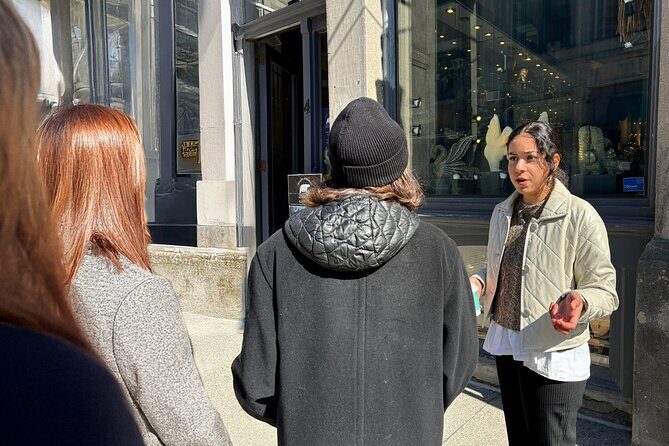
Next you go to Images Boréales Inuit Art Gallery. Admission is free, and the time is again about 20 minutes. This stop changes the tone in a good way. Instead of thinking first about collecting and contemporary gallery presentation, you’re guided toward the cultural side—what makes Inuit art meaningful and why it matters to Canada’s identity.
This is the stop where you’re likely to come away with the biggest shift in perspective. The goal here isn’t to memorize facts. It’s to understand the practice—how traditional making connects to modern life, and why this isn’t just decor or souvenir art. You’ll be nudged to look for the relationship between subject, technique, and tradition.
In practical terms, a guided explanation helps because Inuit art can be easy to misread if you treat it like generic “native art.” With the right context, it becomes something else entirely: a living artistic practice with depth, history, and meaning that deserves more than a passing glance.
If you’re deciding whether this tour is worth it, this gallery is one of the strongest reasons to book. It gives your visit an actual purpose, not just variety.
Stop 3: Galerie d’art Blanche on Montreal’s oldest street
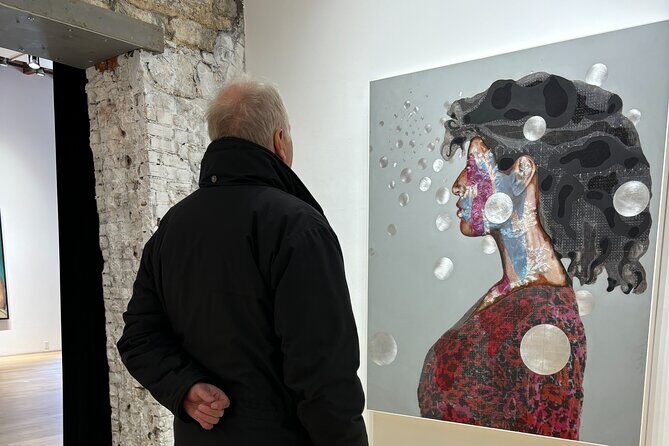
The final stop is Galerie d’art Blanche, located on Montreal’s oldest street (and yes, that detail matters). Admission is free here too, and you get another 20 minutes to look closely and ask questions.
This stop is about local artists and how a gallery like this supports careers in a smaller, more community-centered way. Instead of approaching the work like a consumer product, the tour frames it like a human story. You’ll get a sense of why the gallery opened, what makes each piece feel distinct, and what you might actually want to take home.
I like ending here because it’s the most actionable. By the time you’ve seen contemporary collecting and Inuit cultural depth, you’re in a better position to decide what kind of art fits your taste, your budget, and your values. The tour doesn’t just show you art; it helps you understand your own preferences faster.
One consideration: if you’re not interested in local art purchases or you don’t plan to buy anything, you might still enjoy it, but the “chef-d’œuvre you would like to take home” angle won’t feel as relevant. Still, the art conversation itself is the point.
Other museum experiences in Montreal



How Nada keeps it engaging (and why the pacing works)
Across the tour, the big advantage isn’t just the galleries. It’s how the guide ties everything together in a way that feels natural.
From the way people describe the experience, Nada does three key things:
- She takes her time enough to make the art feel understandable, not intimidating.
- She’s friendly and open to questions, which helps if your mind goes off in weird directions when you’re looking at artwork.
- She knows details about the galleries and the artists represented, and she connects those details to what you’re seeing in the room.
The pacing also helps. Three stops at about 20 minutes each is long enough for orientation, but short enough that you don’t lose attention. Art tours often go two ways: either too short to matter, or too long and everyone gets tired. This format hits the sweet spot for most people.
That said, if you’re the kind of person who reads every word on every wall and gets lost in one painting, you may need a follow-up visit on your own. The tour is best as a high-quality starting point, not the whole art story.
Price and value: why $48.64 can make sense
The price is $48.64 per person for about two hours. At first glance, that’s not cheap. But value isn’t just the price tag. It’s what you get for that money.
Here’s the value math I’d think about:
- You’re getting a guided experience, not just admission to three places.
- One gallery (Galerie LeRoyer) includes admission, while the other two are free, so you’re not paying extra for every entry.
- You’re covering three different art angles in a compact time window, which saves you the planning and decision fatigue of doing it alone.
This is the kind of tour that can actually improve your future museum and gallery visits. Once you learn how to ask better questions—what materials suggest, what themes indicate, why a gallery chooses what it displays—you’ll get more out of the next place you walk into.
Also, the tour is booked about 40 days in advance on average, which suggests it’s popular enough that planning ahead helps. If you’re traveling during peak season, grab a spot early so you’re not stuck with whatever times remain.
Best for: who should book this gallery tour
This tour fits a wide range of people, especially if you like your art visits to have structure but not strict rules.
You’ll probably love it if:
- You want a fun way to appreciate art without feeling stuck figuring out what to do in each gallery
- You’re new to galleries and want help understanding what you’re looking at
- You have interest across multiple kinds of art—contemporary, Inuit cultural work, and local Montreal artists
- You want a guide who can adapt to your interests, not one who runs a rigid script
It’s also a nice option for seasoned art lovers who just want local context. You won’t waste time asking basic questions that the guide can answer quickly, and you’ll get pointers that can shape where you go next on your own.
Quick tips to get more from those 20-minute stops
Because each gallery window is short, your best strategy is to bring a tiny plan. You don’t need a clipboard, but you do need a focus.
Try this:
- Pick one question before you enter, like what the gallery wants you to notice or what theme seems to drive the room.
- Spend your first minute scanning, then your next five minutes choosing two or three pieces to examine more closely.
- Ask Nada one question you genuinely care about, even if it feels simple. The whole point is to make the art feel readable.
If you already know what you like, tell the guide early. Nada can tailor the conversation. And since it’s private, it stays flexible for your group.
One small practical thing: you’ll be walking between stops. Wear shoes that work for a couple of active blocks, not fancy ones that need a rest after ten minutes.
Should you book it?
I think this guided art gallery tour is a strong choice if you want a high-quality introduction to Montreal art in a short time, with real explanations instead of empty wandering.
Book it if you:
- want a guided mix of contemporary collecting, Inuit art context, and local gallery culture
- enjoy asking questions and getting thoughtful answers
- prefer a guided route with a simple ending point near where you’ll continue your day
Skip it or look for a longer option if you:
- want to spend a lot of time in one room (these stops are timed)
- only care about one specific art style and everything else feels like distraction
- are traveling in conditions where you can’t handle weather-related changes
If you do book, go in ready to look twice—once with your eyes, and once with the guide’s context. That’s when the time stops feeling short and starts feeling efficient.
FAQ
How long is the guided art gallery tour in Montreal?
The tour lasts about 2 hours (approx.), with around 20 minutes at each of the three gallery stops.
What is the price per person?
The price is $48.64 per person.
Is this a private tour?
Yes. It’s described as a private tour/activity, so only your group participates.
Where does the tour start and where does it end?
It starts at 433 Rue Saint-Sulpice, Montréal, QC H2Y 1V5, Canada, and ends at Images Boréales Inuit Art Gallery, 4 Rue Saint-Paul E, Montréal, QC H2Y 1G1, Canada.
Is there a mobile ticket?
Yes, the tour includes a mobile ticket.
Are admission tickets included?
Admission is included at Galerie LeRoyer, and admission is free at Images Boréales Inuit Art Gallery and Galerie d’art Blanche.
What happens if the weather isn’t good?
The experience requires good weather. If it’s canceled due to poor weather, you’ll be offered a different date or a full refund.
Can service animals join the tour?
Yes. Service animals are allowed.
Is there free cancellation?
Yes. You can cancel for a full refund up to 24 hours in advance of the experience’s start time. Within 24 hours, the amount paid is not refunded.