REVIEW · MONTREAL
Montreal: Art Center and Museum Audio Guided Tour
Book on GetYourGuide →Operated by Musée et Centre d'art de Montréal · Bookable on GetYourGuide
That 1879 building makes modern art feel physical. You’ll walk through the Montreal Art Center and Museum in Griffintown, where resident artists work side-by-side with serious museum collections. I love the way the visit links today’s art-making to 19th-century European painting and international works on paper.
Two other wins: the chance to meet artists in their studio spaces, and the strong permanent collection you get access to—featuring major names like Picasso, Monet, Rembrandt among works on paper. One possible drawback is that the experience can feel a little loose in pacing, so if you want a tightly choreographed plan, plan to slow down and go with your own rhythm.
In This Review
- Key Things to Know Before You Go
- Why This 1879 Griffintown Building Makes the Art Click
- Your Main Stops: Galleries, Permanent Collections, and Artist Studio Spaces
- 1) Museum rooms and galleries (your “look and listen” phase)
- 2) Artist studio spaces tour (your “how it’s made” phase)
- 3) Time to reconnect with the building details (your “slow down” phase)
- The Permanent Collection Highlights Worth Planning Around
- The Oddball Surprise: Grévin Wax Statues in a Montreal Art Setting
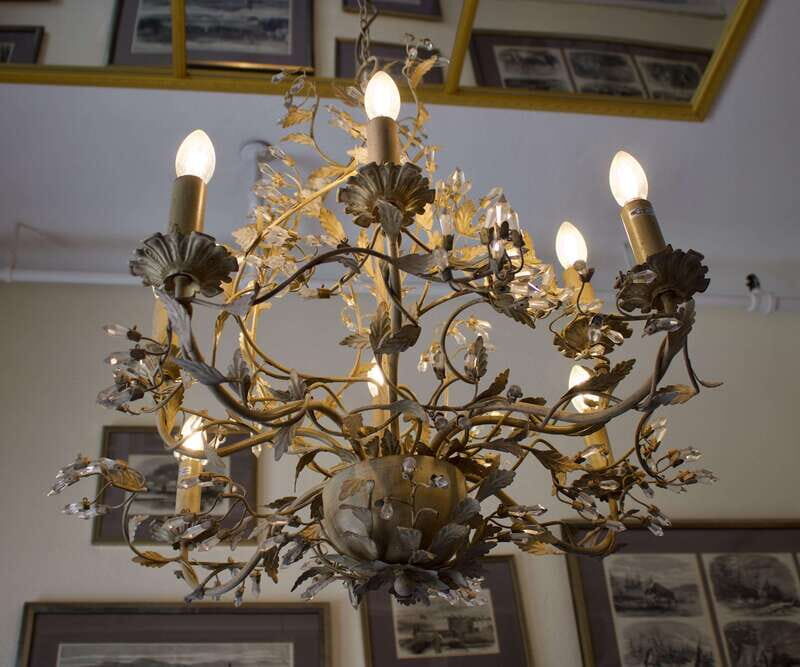
- The Building Details: Safes, Douglas Fir, and Antique Furniture
- Audio Guide in English and French: How to Get More Out of It
- Price and Value: Why $12 Makes Sense (If You Want a Mixed Art Day)
- Practical Considerations That Can Change Your Experience
- Who This Tour Fits Best
- Should You Book This Montreal Art Center and Museum Audio Guided Tour?
- FAQ
- How much does the Montreal Art Center and Museum audio-guided tour cost?
- How long is the tour?
- What languages is the audio guide available in?
- Is there an elevator in the building?
- What’s included in the ticket?
- Can I cancel and get a refund?
Key Things to Know Before You Go
- An 1879 factory-era building in Griffintown: the walls, structure, and details help the art land differently than in a plain white gallery
- Studio spaces with resident artists: you’re not only looking at art—you’re seeing how it’s made and supported
- 19th-century painting plus works on paper: expect European and international collection highlights, not just contemporary pieces
- Historical wax statues from the former Grévin Museum: a surprising side-display that adds personality to the visit
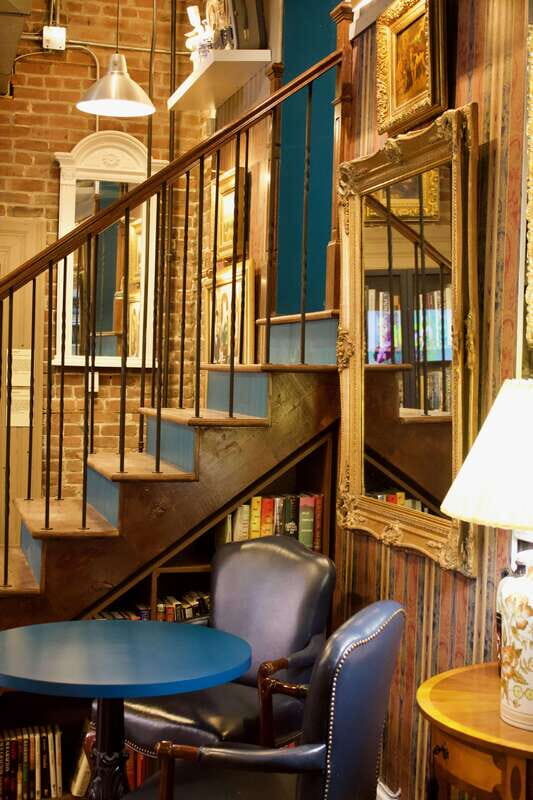
- Old-school museum details: look for 140-year-old safes, antique furniture, and Douglas fir wood elements
- Audio guide in English and French: you can control the pace while you follow the museum map
Why This 1879 Griffintown Building Makes the Art Click
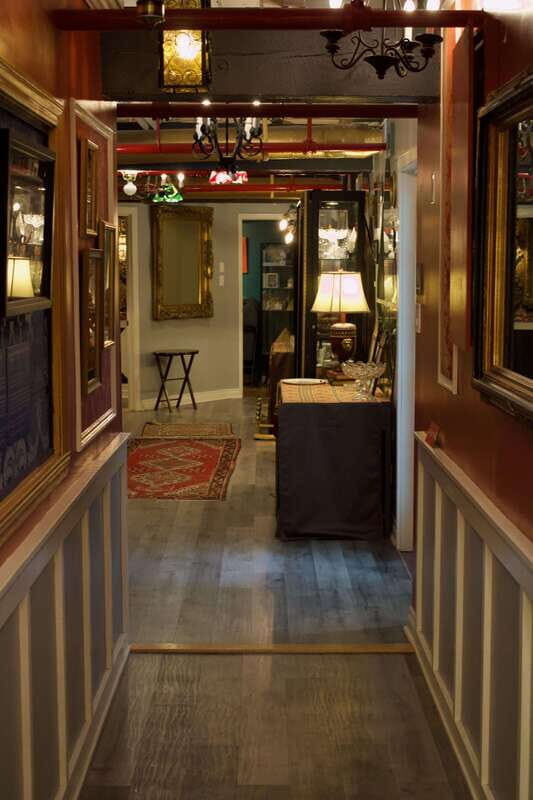
This tour feels different the moment you enter. The Montreal Art Center and Museum sits in a patrimonial building built in 1879, originally connected to the Caledonian Iron Works, which produced parts for ship engines and trains. That factory origin isn’t just trivia. It changes the tone of the place.
Instead of art floating in a neutral space, you get a kind of time machine. The building is described as taking you from modern art created by resident artists to a permanent collection of European and international 19th-century paintings, plus impressive 19th- and 20th-century works on paper by artists such as Picasso and Monet. Even if your taste leans contemporary, this setup helps you see older techniques and ideas as part of the same conversation—just filtered through a different era.
And because the visit is self-paced with an audio guide, you can stop when a detail catches you: a room theme, a displayed object, a technique mentioned in the narration. I like that the building encourages pausing. You’re not rushed into the next thing.
Other guided tours in Montreal



Your Main Stops: Galleries, Permanent Collections, and Artist Studio Spaces
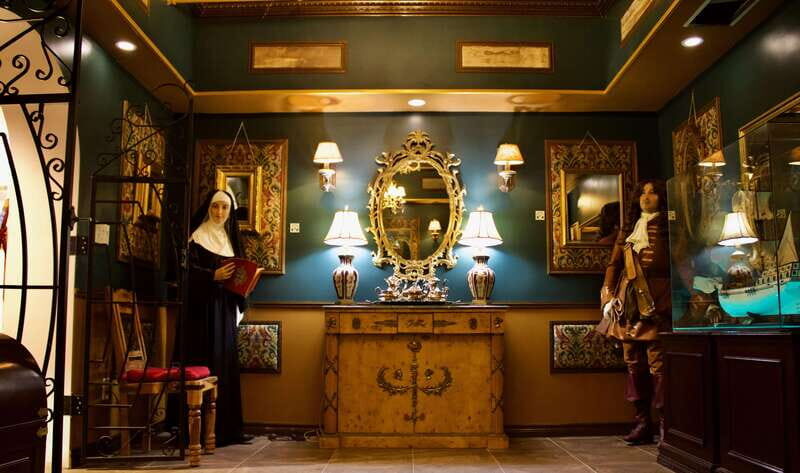
You get access to museum rooms and galleries, plus an artists studio spaces tour, with an included museum map and an audio guide in English and French. That combination is what makes the experience practical for most visitors: you’re seeing art in exhibition form and also in creation form.
Here’s how I’d think about your time once you’re inside:
1) Museum rooms and galleries (your “look and listen” phase)
The audio guide helps you move through the gallery experience at your own speed. Expect to spend time on:
- Modern art created by resident artists
- A permanent collection that includes European and international 19th-century paintings
- A curated layer of works on paper featuring big names (like Picasso, Monet, and Rembrandt)
Works on paper can be tricky in typical museums because they’re sometimes treated like footnotes. Here, they’re part of the main story. That matters because paper works often show drafts, studies, and process—so you start to understand what artists were experimenting with, not just what they finished.
2) Artist studio spaces tour (your “how it’s made” phase)
This is the part I most like because it makes the museum feel local. You’re invited to meet over 45 resident artists (the info also points to around 50), and you’ll be guided through their studio spaces.
The studio component shifts the meaning of “art center.” You’re supporting people who work there, not only buying tickets to observe from a distance. If you’re the kind of traveler who likes the human side of art—who made it, how they live with the work, what materials and routines shape it—this stop will be your payoff.
3) Time to reconnect with the building details (your “slow down” phase)
Between gallery and studios, you’ll also notice the building’s character. This is where the tour feels like more than a standard museum loop. I’d plan for extra minutes here because the objects and architecture are part of what the audio guide can make you appreciate.
Other museum experiences in Montreal



The Permanent Collection Highlights Worth Planning Around
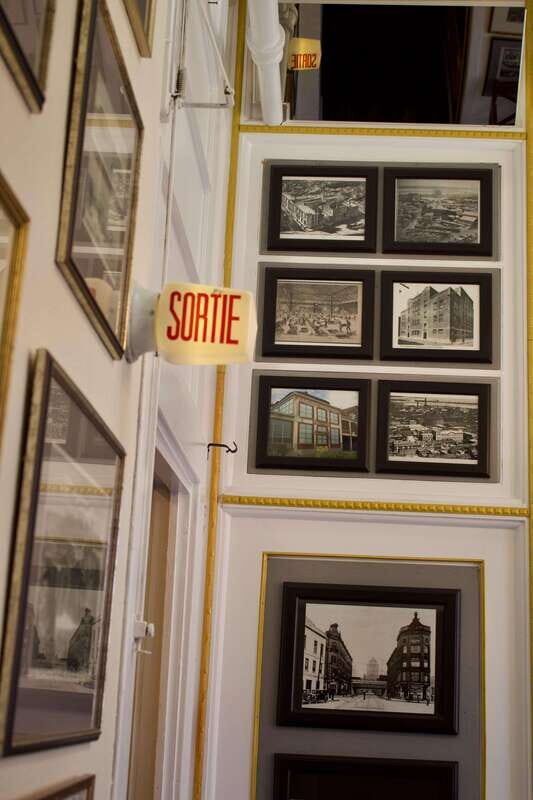
If you’re deciding whether this is for you, focus on the collection promises. The museum isn’t positioning itself as only a contemporary space. It’s mixing eras, and the specific mentions matter.
You’ll have access to:
- European and international 19th-century paintings
- A notable collection of 19th- and 20th-century works on paper that includes Picasso, Monet, and Rembrandt
What you should take from that, as a visitor, is balance. You don’t have to force your taste to match the museum. If you love classic painting, you’ll find it here. If you prefer modern art, the studios and resident artist works give you that too.
Also, the works-on-paper emphasis is a gift if you enjoy subtle art. Paper pieces often reward close looking, and the audio guide makes it easier to catch what you might otherwise miss—like what the artist was testing and how the medium shapes the final look.
The Oddball Surprise: Grévin Wax Statues in a Montreal Art Setting
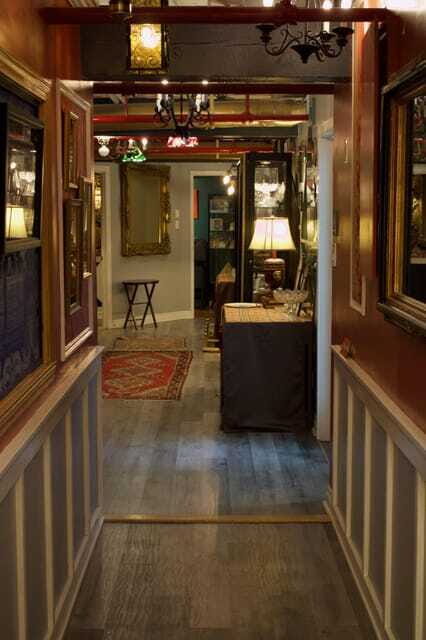
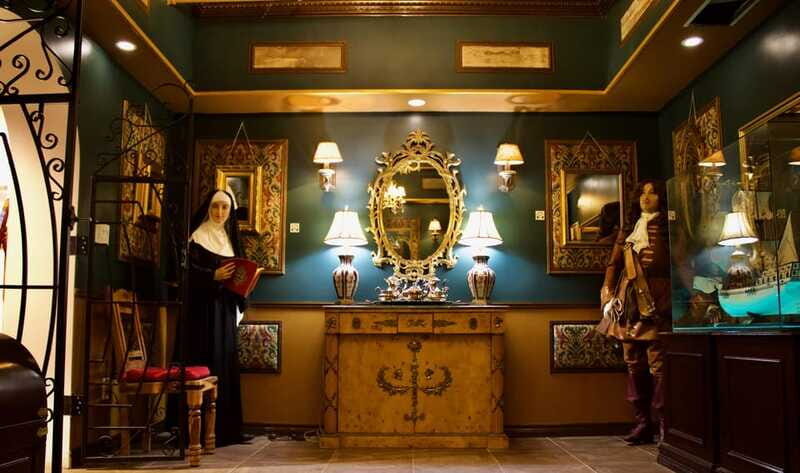
One of the most memorable details is also the most unexpected: historical wax statues from the former Grévin Museum. You’re not just in a straightforward art presentation. You get a display that comes from a different kind of museum tradition—one built around lifelike spectacle and history.
It’s exactly the sort of detail that makes a one-day museum visit feel personal instead of generic. Wax figures can be hit-or-miss depending on your taste, but when they’re placed among art collections and studio spaces, they create a fun contrast. You’ll likely find yourself thinking about representation—what it means to copy a person or a moment, and how that relates to portraiture and realism in the art world.
If you like quirky museum corners, this display is a strong reason to go.
The Building Details: Safes, Douglas Fir, and Antique Furniture
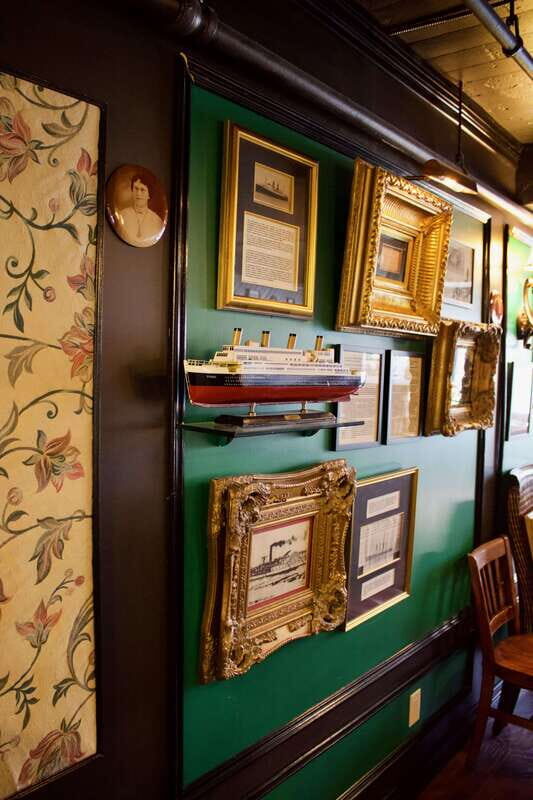
This tour doesn’t hide its age. It points you toward it. You can look for:
- 140-year-old safes
- Douglas fir structural elements
- Antique furniture and period-style displays
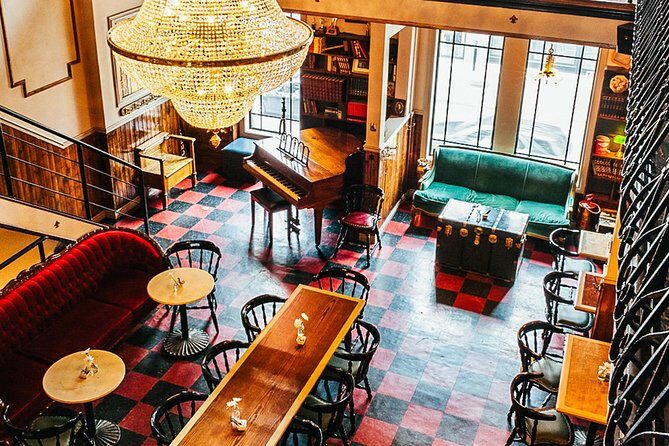
These details might sound like decoration, but they affect your sense of scale and texture. A museum can sometimes feel like a screen—you look, you move on. Here, you’re in an actual older structure with real remnants of what it used to do.
That makes the “time machine” idea feel less like marketing and more like a physical experience. Even if you’re not a building-nerd, you’ll probably enjoy how the objects help you imagine Montreal’s industrial past alongside the art on the walls.
Audio Guide in English and French: How to Get More Out of It
The included audio guide is in English and French, and the tour runs rain or shine. That matters because a rainy Montreal day can drain your energy fast. Here, you get a format that keeps you moving indoors without feeling trapped.
How I suggest you use it:
- Start with the museum map first, then let the audio guide point you toward the big pieces or the most informative rooms.
- When a stop mentions something specific—an artist reference, a medium, an object detail—take the next minute to look for it with your own eyes, not just pass through.
Because you’re free to set your own pace, you can decide what matters most to you. The tour description even hints at the experience being a comfortable one, and that shows up in how people feel about the time they have.
If you’re rushing through Montreal in general, this is one activity where slowing down pays off.
Price and Value: Why $12 Makes Sense (If You Want a Mixed Art Day)
At $12 per person for a day-long museum-and-studios experience, the value is about what’s included, not just the price tag.
For that amount, you’re getting:
- Access to museum rooms and galleries
- An artists studio spaces tour
- A museum map
- An audio guide in English and French
That’s a solid deal for a few reasons. First, studio access is usually where museums become more than displays—where you learn about the local art ecosystem. Second, the permanent collection access means you’re not only relying on contemporary pieces to carry the day.
It’s also a good “sampling” tour. You can spend a lot of time in one section if something grabs you, but you can still cover the core experience in a single day.
The one caution is fit. If your ideal museum day is fast, minimalist, and ultra-structured, this might feel a bit freer in flow than you expect. But if you enjoy a relaxed art circuit where you can pause, talk (or at least observe) artists, and look closely, the price looks even better.
Practical Considerations That Can Change Your Experience
A few real-world facts can shape your comfort and enjoyment:
- The building has three floors and no elevator. You’ll need to use stairs.
- It’s not suitable for wheelchair users or people with mobility impairments.
- Alcohol and drugs are not allowed.
- The tour includes access to museum rooms and galleries, but general admission excludes access to special events (if a special event is happening during your visit, you’d need a separate ticket).
Also, the “door closed” situation is handled—if you arrive and the door isn’t open, call 514-667-2270 and staff will meet you.
These are simple things, but they can save you stress on arrival.
Who This Tour Fits Best
I’d steer you toward this tour if you want a Montreal art day that feels both local and historical.
It’s especially worth it if you:
- Like meeting working artists and seeing studio spaces
- Enjoy museums that mix eras (19th-century paintings alongside modern works and major names in works on paper)
- Are curious about unusual displays, like the Grévin wax statues
- Prefer an audio guide so you can control pace
It’s less ideal if:
- You need an elevator and step-free access
- You hate loose, exploratory museum pacing and want a strict schedule
If you’re someone who enjoys looking closely and taking breaks, you’ll probably be happiest here.
Should You Book This Montreal Art Center and Museum Audio Guided Tour?
Book it if you want a one-day experience that blends resident artists, major museum collections, and surprising historical objects inside a real 1879 building. The $12 price feels fair because the included access covers both studios and collections, not just a single type of exhibit.
Don’t book it if you’re counting on step-free access or you need a very structured, tightly timed tour flow. Also, if wax figures are a deal-breaker for you personally, keep that in mind—because they’re part of the experience.
If you like art that connects across time, and you enjoy a museum day where the building itself adds meaning, this is a smart pick.
FAQ
How much does the Montreal Art Center and Museum audio-guided tour cost?
It costs $12 per person.
How long is the tour?
The experience is listed as 1 day.
What languages is the audio guide available in?
The audio guide is available in English and French.
Is there an elevator in the building?
No. The building has three floors and there unfortunately is no elevator.
What’s included in the ticket?
You get access to museum rooms and galleries, an artists studio spaces tour, a museum map, and an audio guide (English and French).
Can I cancel and get a refund?
The information provided includes both a free cancellation option up to 24 hours in advance for a full refund, and a note that the tour is non-refundable. Check your booking confirmation for the exact terms tied to your reservation.