Old Montreal makes history walkable. In two hours, a local guide leads you through narrow cobblestone streets and layers of British and French architecture, with stories that make the sights feel human. It starts in the lobby of the William Gray hotel, where you meet your guide and head out through the back way into old streets.
What I like most is how the tour keeps moving while still giving you context. You’ll hit big names like Place Jacques Cartier, St. Paul street, and Place d’Armes, but you also hear how the people behind Montreal’s past actually shaped what you see today.
One heads-up: this is mostly walking on uneven stone, and it’s not a fit for people with mobility impairments or for children under 8. If you’re worried about sore feet or strollers, plan accordingly with good footwear and breaks.
In This Review
- Key things that make this Old Montreal tour worth your time
- Where the tour begins: William Gray hotel and the quick path into Old Montreal
- Cobblestones plus architecture: the real lesson of the British–French mix
- Place Jacques Cartier: not just a square, but a change in Montreal’s scale
- St. Paul street: where the tour turns street corners into evidence
- Place d’Armes: the big story center and why it feels like a turning point
- Off-the-beaten-path stops: art, trade, and the Underground City
- How winter planning changes the feeling of the tour
- Pacing and group energy: short tour, big storytelling payoff
- Price and value: why $35 can make sense for a first-day orientation
- Practical tips before you go: comfortable shoes, timing, and how to get more from it
- Who this Old Montreal guided walk is for (and who it isn’t)
- Should you book this Old Montreal guided walking tour?
- FAQ
- Where is the tour meeting point?
- How long is the Old Montreal guided walking tour?
- How much does it cost?
- What language is the tour offered in?
- What should I bring?
- Is the tour refundable if my plans change?
Key things that make this Old Montreal tour worth your time
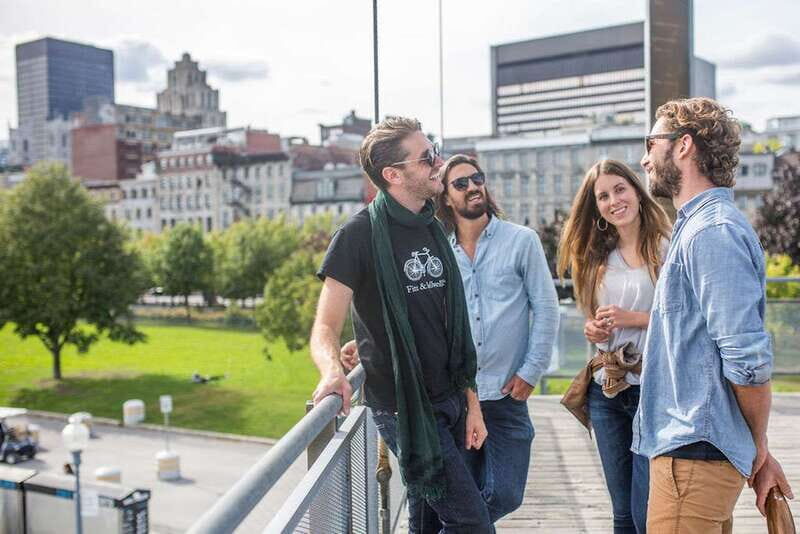
- Meet at William Gray hotel: quick start, easy location, and a chance for coffee nearby at Café Olimpico.
- Crisp history tied to specific streets: you don’t just hear dates, you see how places functioned.
- British and French architecture in one loop: you’ll notice contrasts as you walk.
- More than the postcard stops: side routes include an avant-garde art gallery and a section of the Underground City.
- Winter-friendly planning: indoor stops are built in for cold days, not added as an afterthought.
- Guides bring energy and humor: named examples include Jeff (J-F), Eduardo, Francois, Simona, and others praised for storytelling and questions.
Where the tour begins: William Gray hotel and the quick path into Old Montreal

The first thing I appreciate is the meeting point. You start in the lobby of the William Gray hotel, and you’re told to show up about 15 minutes early so you can check in without rushing. If you want a caffeine reset before you start walking, Café Olimpico next door is a simple win.
Then the tone changes right away: you’re not trapped on the main drag. The guide takes you into Old Montreal through the back, which helps you avoid the most crowded feel and lets you ease into the neighborhood’s old rhythm. That matters because Old Montreal can look like one big museum from a distance, but on foot it’s a neighborhood with working corners, shops, and street life.
I also like that you’re given the sense of direction early. Instead of wandering on your own with a half-formed plan, you’re guided so the streets you see later on your own feel familiar. That is how a short tour turns into hours of extra freedom afterward.
Other Old Montreal tours we've reviewed in Montreal


Cobblestones plus architecture: the real lesson of the British–French mix
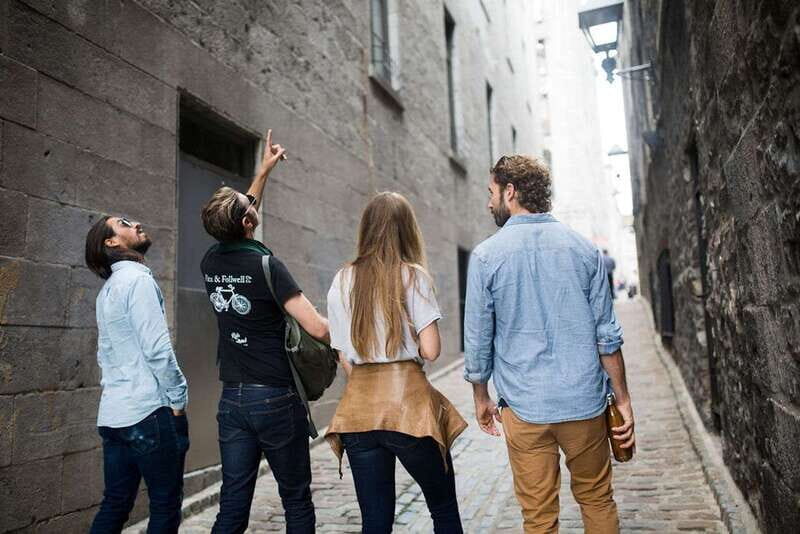
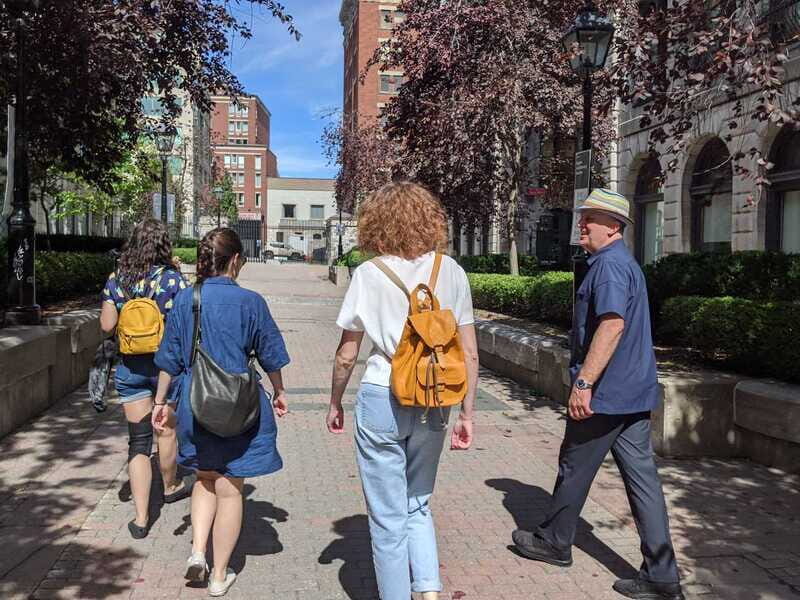
Old Montreal is famous for its European look, but the best part of this tour is how the architecture gets explained as a story, not just a photo backdrop. As you walk narrow cobblestone streets, you learn to spot the differences between British-era and French-era influences. It’s not abstract. You see it in facades, the way buildings sit on the street, and how neighborhoods developed around power and trade.
This is where a strong guide makes a difference. The tour info says each guide is passionate and local, and the review record backs that up with guides praised for energy and humor. Names that come up include Simona and Jeff (J-F), and both are described as bringing the city to life through connections and anecdotes.
Here’s what you should watch for as you go: look past the big landmarks and focus on the edges. Doorways, balconies, and street-level details often reveal the era of a building better than a plaque does. With this tour, those details start to make sense, and that makes the rest of your day in Montreal feel smarter.
Place Jacques Cartier: not just a square, but a change in Montreal’s scale
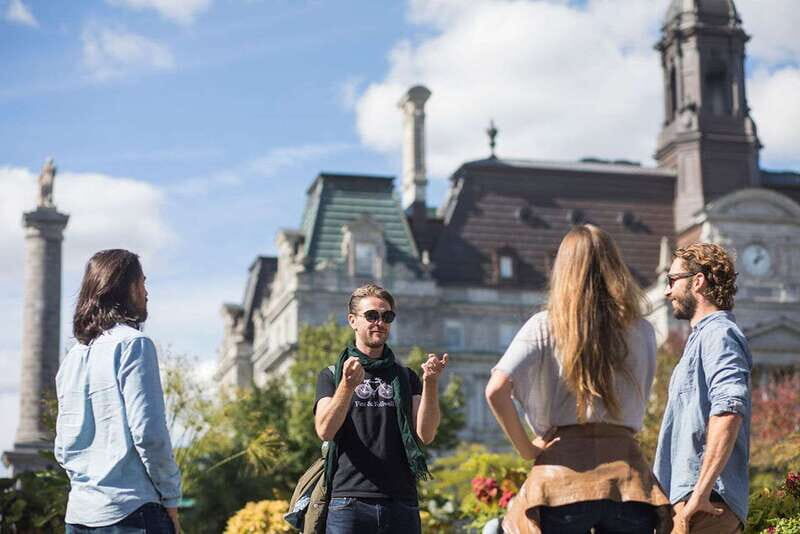
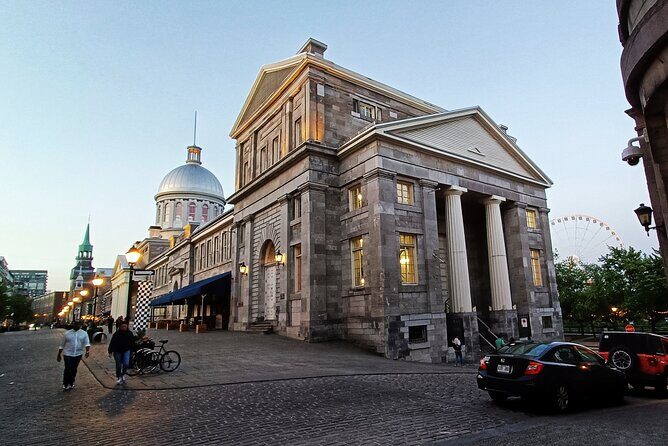
Place Jacques Cartier is one of those stops that looks easy until you learn what it represents. On the surface, it’s a focal point—an obvious place to photograph and orient yourself. But on this walk, the square becomes a jumping-off point for how Old Montreal worked when it was the most important and wealthy district in Canada.
That time period matters because it explains why Montreal grew the way it did. When you understand that Old Montreal was once a center for power and commerce, you start reading the street plan differently. You begin to see why certain areas feel important, why some streets feel ceremonial, and why others feel practical.
A good guide also ties the place to the people. You’ll hear stories about iconic Montrealers and how their era shaped what came next. The effect is simple: when you revisit this square later, it stops being only scenery and becomes a setting with a timeline in your head.
If you’re coming in cold weather, this is also a convenient place where you can pause without feeling like you’re losing the tour’s momentum. The pacing is designed so you don’t feel hurried between stops.
St. Paul street: where the tour turns street corners into evidence
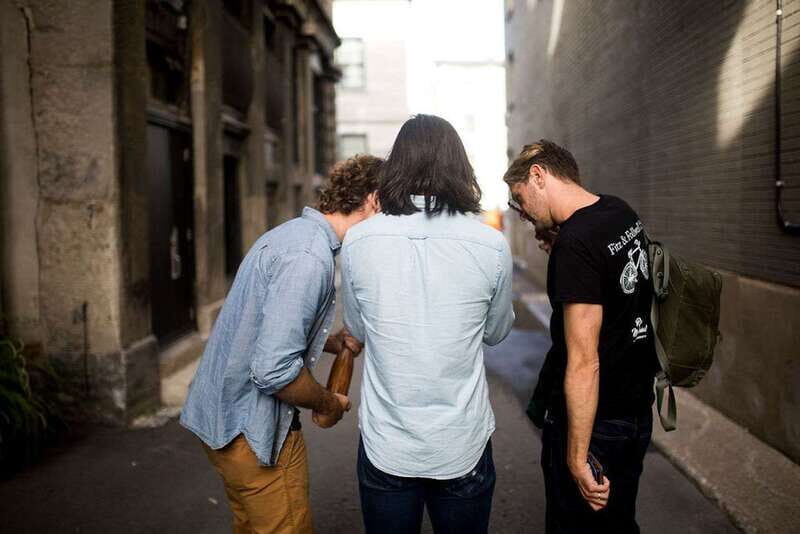
St. Paul street is the kind of street you can walk a hundred times in photos. But a guided walk changes how you move. Here, the tour helps you notice the street’s character: the narrowness, the texture of the stone, and how buildings frame the corridor of movement.
What I love about this stop is that it’s a bridge. It connects the grand squares to everyday Old Montreal details—how people would have traveled, gathered, traded, and lived. When you connect that practical logic to stories about Montreal’s past, St. Paul street becomes more than a scenic strip. It becomes a clue.
You’ll also be learning how Montreal grew from a wealthy district into what it is now: dynamic, active, and layered with old and new. That’s the tour’s pattern. You’re constantly moving between the present view and the past reason for the view.
And if your guide uses participation—some do, like quiz-style moments reported in the review record—you’ll be more alert on corners and details. That’s a small thing, but it helps you retain what you’re seeing.
Place d’Armes: the big story center and why it feels like a turning point
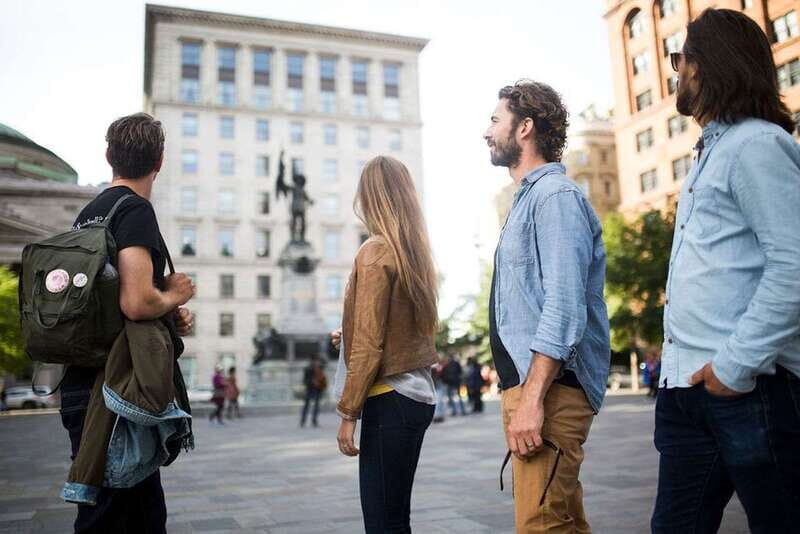
Place d’Armes can feel like the anchor of Old Montreal. That’s exactly why it’s worth pausing and listening here. On this tour, you don’t just look at the square—you learn how Old Montreal functioned at its peak and how the city’s wealth and influence were tied to this kind of central space.
This stop is where architecture and history connect in a clear way. You start to understand why people would have come here, and why certain institutions and buildings matter in the long arc of Montreal. When you see the square within that context, it’s easier to imagine the daily flow of older Montreal: who would pass through, where gatherings happened, and how status was displayed in stone and design.
The experience also feels balanced because it doesn’t drown you in dates. It’s more like a guided walk through cause-and-effect. This is why the tour works well even if you only have two hours—there’s a structure, and it keeps the story from becoming random facts.
One practical benefit: if you’re doing this early in your trip, Place d’Armes helps you build a mental map fast. After the tour, you’ll likely find it easier to decide where to return and what to explore on your own.
Other walking tours we've reviewed in Montreal






Off-the-beaten-path stops: art, trade, and the Underground City
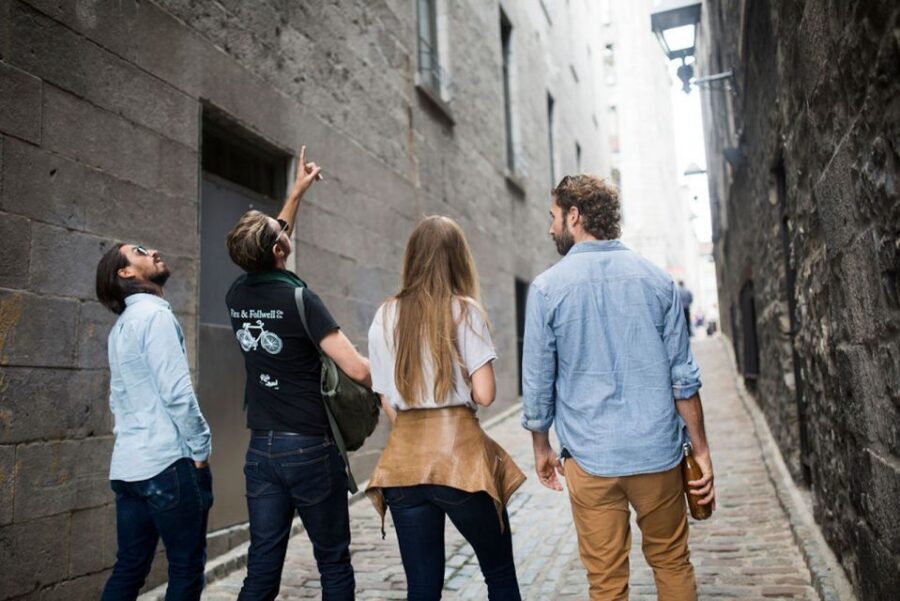
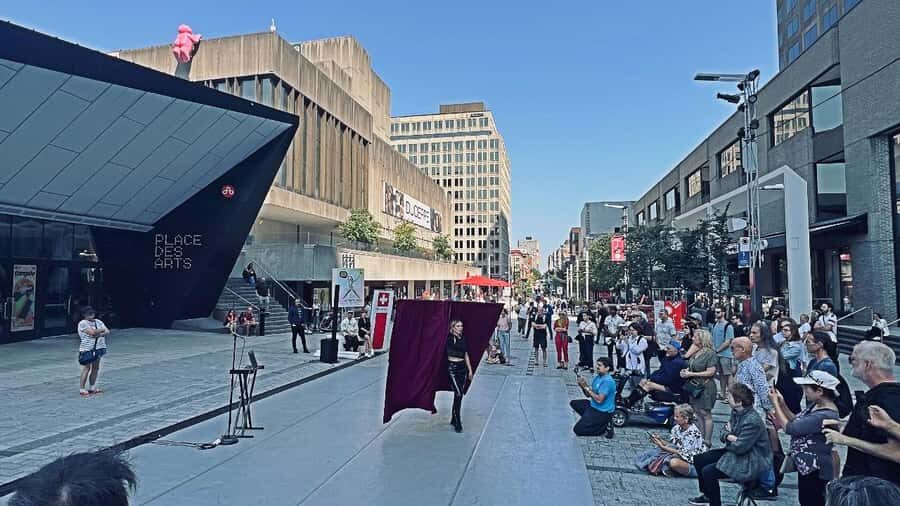
This tour earns its title by adding stops that go beyond the most obvious highlights. You’ll make room for less obvious spots such as an avant-garde art gallery and the Montreal World Trade Center area. These aren’t random detours. They help you see Old Montreal as a living place that still connects to modern Montreal.
Then comes a smart move: you get a section of the Underground City. This is huge for practical travel days because it gives you an option for staying comfortable when weather turns. Even if you’re not planning a longer Underground City day, this tour gives you a taste and helps you understand how the area links back to street level.
In winter, this type of stop is more than interesting—it’s a comfort strategy. The tour is planned for summer and winter, with extra indoor stops on cold days. If you’re traveling in January, the instruction is straightforward: wear gloves and you’ll be fine.
A note on what to expect: the Underground City portion is still part of a walk tour, so you’ll want your shoes to stay comfortable. But it’s an effective way to reduce the “cold-only” exposure without losing the story.
How winter planning changes the feeling of the tour
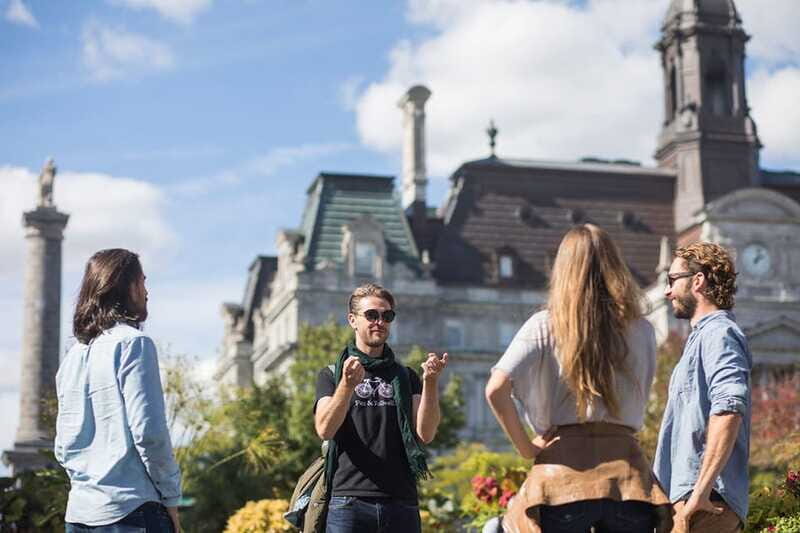
Old Montreal in winter can be magical—and it can also be cold enough to shorten your attention span. This tour helps prevent that by planning extra indoor stops for chilly days. That means you don’t just suffer outside hoping you’ll warm up later. You warm up on purpose, and then you’re back out with better energy.
The review record supports this comfort planning. There’s praise for indoor reprieves during winter conditions, and at least one comment specifically calls out that indoor time was a welcome change when it was cold.
For you, the practical takeaway is simple: dress in layers and bring what you need to stay comfortable for two hours of walking. Comfortable shoes matter year-round, but in winter you’ll also want traction and socks you can move in.
If you’ve ever tried to rush through Old Montreal in cold weather, you know how easy it is to miss details. This tour keeps you moving with context, while indoor stops protect your focus.
Pacing and group energy: short tour, big storytelling payoff
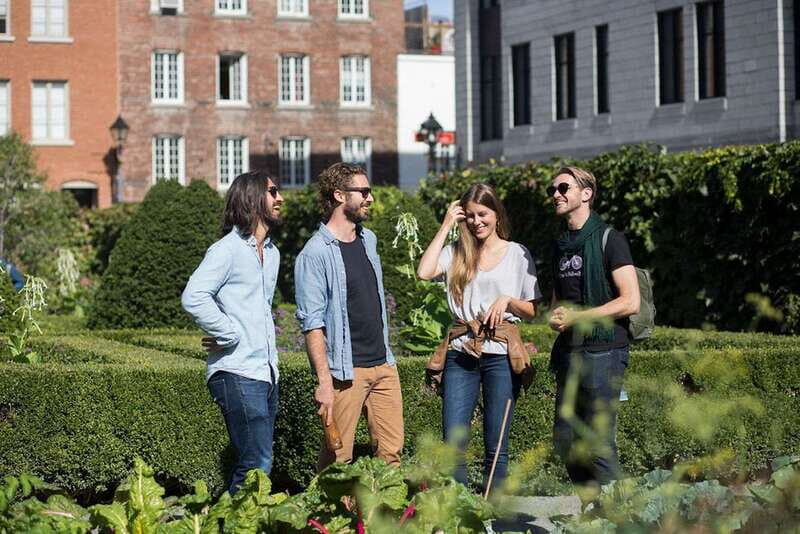
A two-hour walking tour has a common failure mode: it can feel like you’re constantly moving with no time to absorb anything. This one tries to avoid that by staying casual yet informative. It’s designed so you’re not sprinting from one photo spot to the next.
From the feedback, the pacing is often praised as right-sized—enough time to cover multiple landmark areas without losing the thread. People also mention guides who answer questions and adjust the experience to real-world conditions, like heat.
That adjustment shows up in reviews as well. For example, one guide (Eduardo) is mentioned as patient and enthusiastic, including interactive moments like quizzes. Another guide is noted for humor and a willingness to share food recommendations, which is handy if you’re planning where to eat after you finish.
If you want the best experience, treat the tour like a conversation. Ask questions when your guide mentions a person or event. The tour’s strength is connection—how the past explains the present in the streets right in front of you.
Also, bring a bit of curiosity about both sides of Montreal’s cultural blend. This walk is built around British and French architecture, and you’ll get more out of it if you enjoy noticing contrasts.
Price and value: why $35 can make sense for a first-day orientation

At $35 per person for a two-hour local guide-led walk, this isn’t a bargain you should ignore. It’s also not expensive enough to feel like you’re gambling on value. In this case, the math is tied to how much you get out of a short window.
Two hours is long enough to cover a meaningful chunk of Old Montreal landmarks—Place Jacques Cartier, St. Paul street, Place d’Armes—and still includes side stops that add texture. That’s the key for value: you’re not just paying for access to the obvious. You’re paying for a guided interpretation of what you’re seeing.
A second value lever is the guide quality. The tour info emphasizes passion and local storytelling, and the review record repeatedly credits guides with strong energy, humor, and deep connections. Named guides include Jeff (J-F), Francois, Eduardo, and Simona, among others, and the consistent theme is that they help you understand what you’re walking through.
If you’re on a short trip, I’d especially use this as an orientation tool. Finish the walk with a clearer mental map, and you’ll likely spend the rest of your time more efficiently—returning to the streets you want to revisit.
Practical tips before you go: comfortable shoes, timing, and how to get more from it
This is a walking tour, so your biggest gear decision is simple: wear comfortable shoes. Cobblestones are part of the deal, and the surface can be uneven. Give your feet the best chance.
Timing also matters. Meeting 15 minutes early helps you start calm instead of rushed. If you’re doing this on your first day, allow time afterward for a meal or wandering. The tour is designed to help you move confidently through Old Montreal after you leave.
In winter, treat cold weather as a planning factor, not a surprise. Gloves are specifically mentioned for January, and the indoor stops are there to help.
Finally, go into it expecting stories. The tour is described as casual yet very informative, and multiple guide styles are praised for humor and for connecting past events to what you see now. If you’re the kind of person who likes explanations and street-level context, you’ll likely enjoy it more than if you only want photos.
Who this Old Montreal guided walk is for (and who it isn’t)
This tour is a good fit if you want a structured walk through the most iconic parts of Old Montreal—without feeling stuck in a stiff lecture. It works well for people who like history when it’s tied to place, and for visitors who want a fast way to understand why certain buildings and squares matter.
It also makes sense for couples and solo travelers who like meeting a local guide and learning things they wouldn’t find on their own. The review record mentions small-group days, which can make the experience feel more personal when it happens.
It’s not a fit if you rely on mobility aids or if you’re traveling with children under 8. The tour is not set up for mobility impairments, and the walk itself is part of the format.
Should you book this Old Montreal guided walking tour?
Yes, if your goal is to get oriented quickly and learn what you’re actually looking at. The two-hour format covers major squares like Place Jacques Cartier and Place d’Armes, plus St. Paul street, and it adds less obvious stops such as an avant-garde art gallery, World Trade Center surroundings, and a section of the Underground City. Add winter-friendly indoor planning, and it becomes a tour you can take year-round without feeling like the cold ruins it.
I’d skip it only if walking on uneven stone will be a problem for you or if you want something more self-paced with no guide. Otherwise, for $35, this is a practical way to turn Old Montreal from scenery into a story you can carry with you all day.
FAQ
Where is the tour meeting point?
Meet in the lobby of the William Gray hotel. Plan to arrive about 15 minutes before your start time so your guide can find you close to the restrooms, near the billiard table.
How long is the Old Montreal guided walking tour?
The tour lasts 2 hours.
How much does it cost?
The price is $35 per person.
What language is the tour offered in?
The tour is guided in English.
What should I bring?
Wear comfortable shoes. If you’re visiting in January, bring gloves, since extra indoor stops are planned but you’ll still be outside for parts of the walk.
Is the tour refundable if my plans change?
You can cancel up to 24 hours in advance for a full refund.