REVIEW · MONTREAL
Montreal: Top Rated Small Group Old Montreal Walking Tour
Book on GetYourGuide →Operated by MTL Detours · Bookable on GetYourGuide
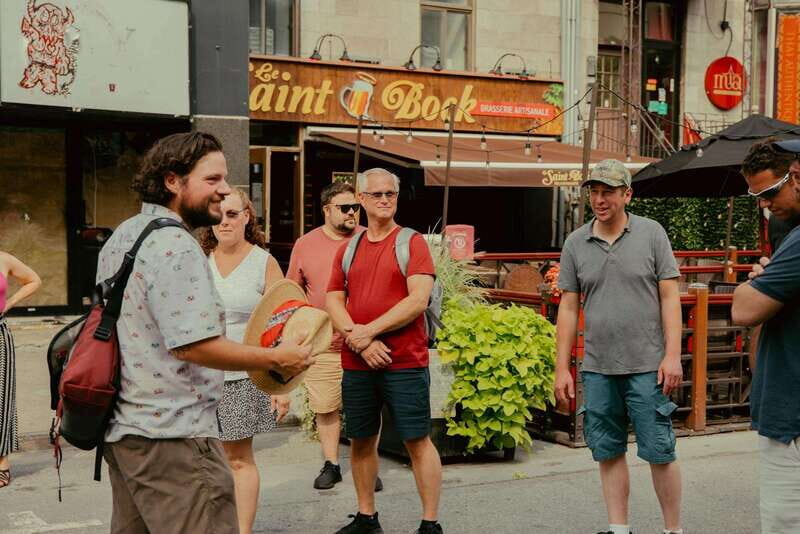
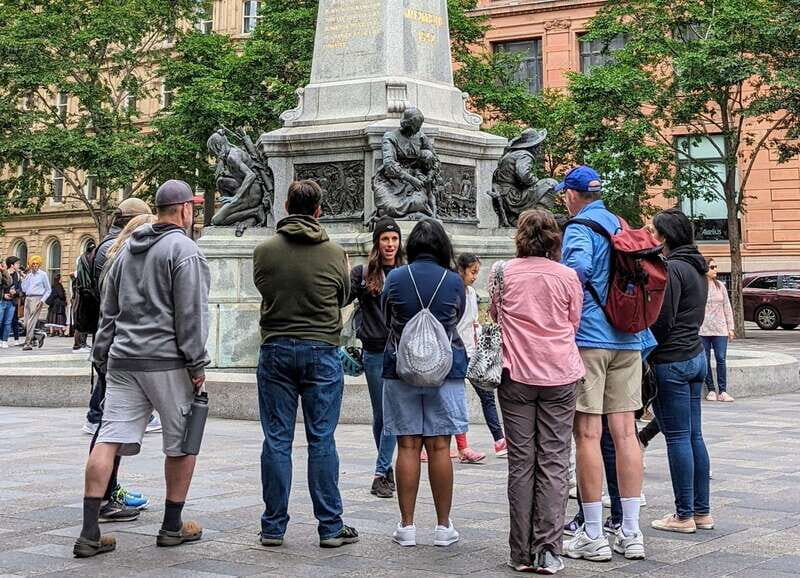
Old Montreal can feel like a stampede. This tour keeps it small, story-led, and easy to ask questions, with just 10 guests and a guide holding the mandatory city permit. You’re out for two hours, moving through the historic core around Place d’Armes and the classic streets people come to see.
I love two things about this experience. First, the pacing is relaxed enough that real conversation happens, not just a fast march to the next photo spot—guides like Amelie and Martin are repeatedly praised for their friendly, engaging storytelling style. Second, you leave with practical help: a list of trusted places to eat and explore, plus a small local treat and a unique parting gift.
One drawback to plan around: it’s not a good fit if you need step-free routes or extra mobility support. Cobblestones, stairs, and the distance at a decent pace mean it’s not recommended for people with mobility impairments or visual impairments.
In This Review
- Key things I’d watch for before booking
- Old Montreal, with room to actually listen
- Meeting point at 503 Place d’Armes: find the café, not the crowd
- Place d’Armes Square: the launch pad for Montreal’s story
- Notre-Dame Basilica exterior: why the outside matters
- Place Jacques-Cartier: the scene behind the scene
- Bonsecours Market: the market street energy, explained
- Saint-Paul Street: the classic street, with side-street context
- Hidden corners: small detours that add real meaning
- The guide experience: the difference between a history talk and a street story
- Price and value: what $46 buys you in real terms
- Timing and walking comfort: why shoes matter (and cobblestones talk back)
- Who this tour suits best
- Should you book this Old Montreal walking tour?
- FAQ
- How long is the Montreal Old Montreal walking tour?
- What’s the maximum group size?
- Where do we meet for the tour?
- Is the tour available in English?
- What is the minimum age to join?
- What should I bring or wear?
- What if I need to change my plans?
Key things I’d watch for before booking
- Max 10 people means less noise, more space, and better Q&A
- Certified guide with official city permit keeps the tour professional
- Old Montreal landmarks plus side streets: Place d’Armes, Notre-Dame Basilica exterior, Place Jacques-Cartier, Bonsecours Market, Saint-Paul Street
- Lively storytelling—I’d look for a guide like Elise, Louise, Sylvia, or Jeff if you like humor and human-scale history
- Local recommendations + treat + parting gift so your day in Montreal keeps going
Old Montreal, with room to actually listen
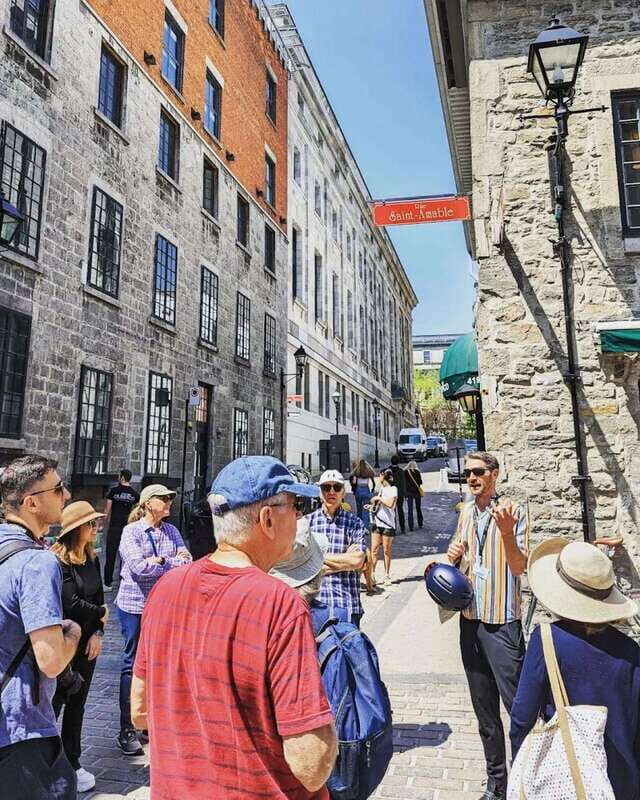
Old Montreal is gorgeous, but it can be crowded in peak times. The big advantage here is simple: the group is limited to 10, so you’re not squeezed onto narrow sidewalks or fighting for a view around a landmark. That small cap changes everything—your guide can explain, you can ask, and you don’t feel rushed.
This is built around stories, not a dry checklist. Instead of jumping from date to date, your guide connects what you’re seeing to the people who lived here and the moments that shaped the city’s identity. That’s why names like Martin and Rod keep showing up in strong reviews: they’re described as fun, warm, and able to cover a lot without turning it into a lecture.
Other Old Montreal tours we've reviewed in Montreal


Meeting point at 503 Place d’Armes: find the café, not the crowd
You’ll start outside the Marché Saint Laurent boutique & café at 503 Place d’Armes, on the ground floor of the Edifice Aldred (the tall beige-stone building). Here’s the easiest way to orient yourself: stand in the middle of Place d’Armes Square and face Notre-Dame Basilica—when you do, the café is off to your left.
Your guide will greet you on the sidewalk outside the café entrance. I recommend arriving a few minutes early, not for drama, but because Place d’Armes fills in quickly and you’ll want to get oriented before the walk starts.
Place d’Armes Square: the launch pad for Montreal’s story
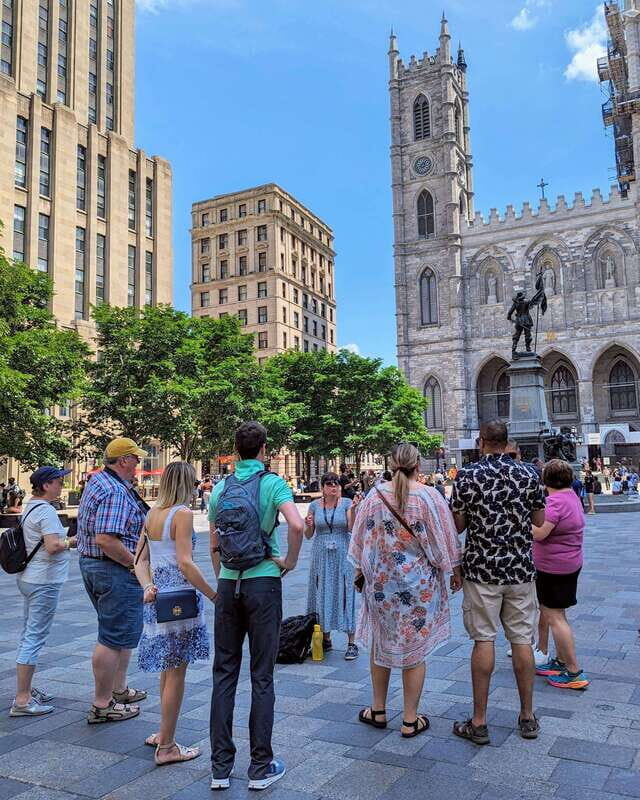
Place d’Armes is the kind of square that looks obvious once you’re there. But on a good walking tour, it becomes more than a starting point—it becomes a frame for everything that follows. Expect your guide to use the area to explain how Old Montreal developed its identity and how the city’s defining moments show up in the streets and buildings around you.
This is also where the tour’s small-group feel comes through. You’re close enough to hear every detail, and the guide can answer follow-up questions without losing the group. If you like learning how cities work—where power, trade, culture, and community show up in real space—this part sets the tone.
Notre-Dame Basilica exterior: why the outside matters
You’ll see the Notre-Dame Basilica exterior, but the focus is more than postcard angles. The guide uses what you’re looking at to talk about how Montreal’s religious and cultural life has been shaped over time. Even if you’re not the type who loves architecture, your guide should point out details that make the building feel connected to the city’s everyday story.
Also, this is a smart choice for a walking tour. Going inside isn’t always realistic on a timed street experience, so you’re getting the value where it counts: street-level interpretation. In a few reviews, guests mention guides taking extra care to show interesting features beyond just the exterior view, when access or timing allowed.
Place Jacques-Cartier: the scene behind the scene
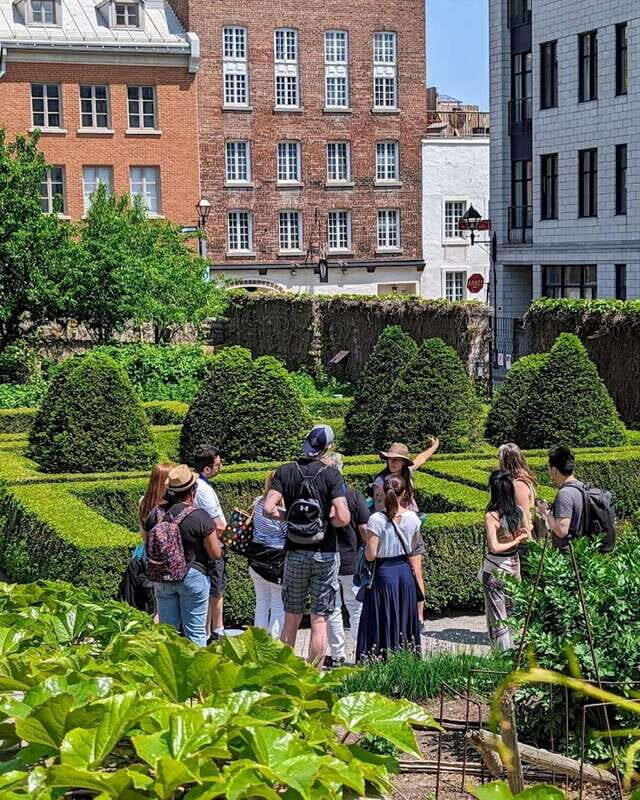
From there, you’ll move toward Place Jacques-Cartier. This is the area where Old Montreal’s charm becomes more than scenery—it’s where you can feel how public space shapes a neighborhood. Your guide should connect what you’re seeing to the kinds of activities that made this part of the city a center for people, commerce, and community life.
What I like about this stop is that it’s a change of tempo. The square gives you a natural pause in the walking rhythm, and your guide can slow down to explain a bit more clearly—without stretching the tour. If you’re coming in with questions like where the city’s biggest turning points happened, this is the kind of place where those answers usually land.
Other walking tours we've reviewed in Montreal





Bonsecours Market: the market street energy, explained
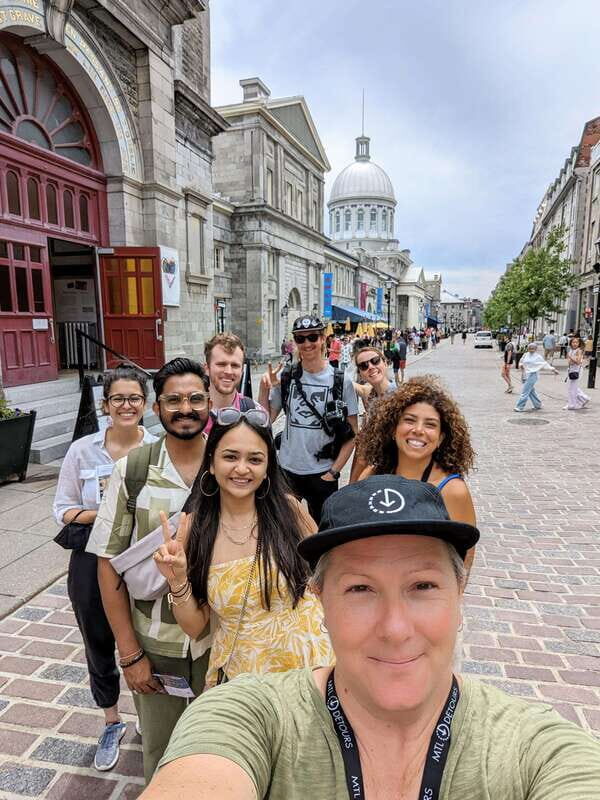
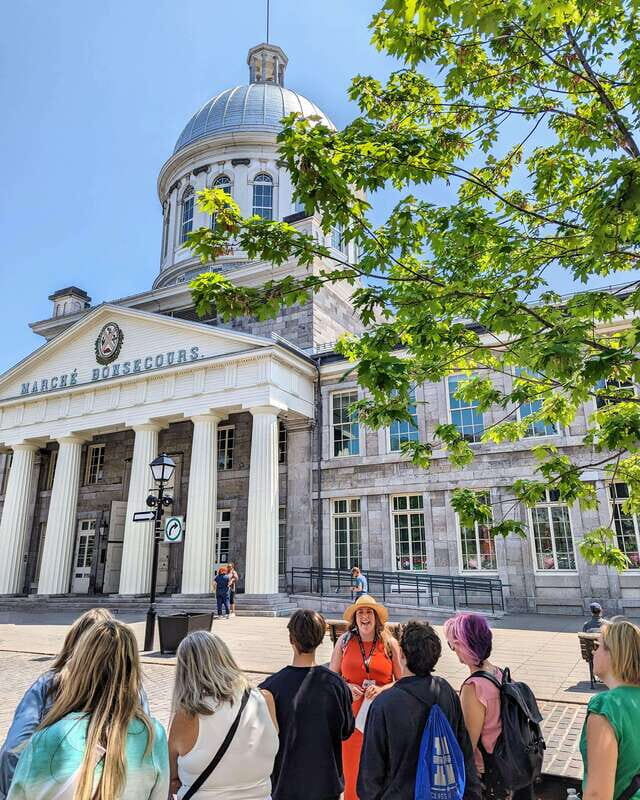
Bonsecours Market is one of those Montreal stops that feels instantly recognizable once you see it. On this tour, you’re not just looking at a landmark—you’re learning why a market building matters in how a city organizes itself. Expect the guide to link the market to the surrounding streets and to the patterns of daily life that made Old Montreal function.
In guides’ feedback, a common theme is strong pacing: they cover enough to give you context, and they don’t dump everything at once. That matters at Bonsecours Market because it’s easy for crowds to cluster here. With only 10 people, you’re more likely to hear the point of what you’re seeing while still keeping the walk comfortable.
Saint-Paul Street: the classic street, with side-street context
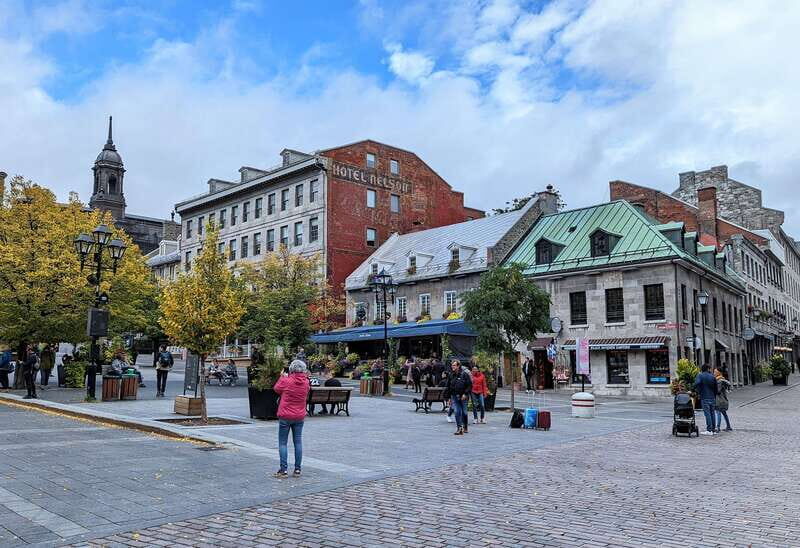
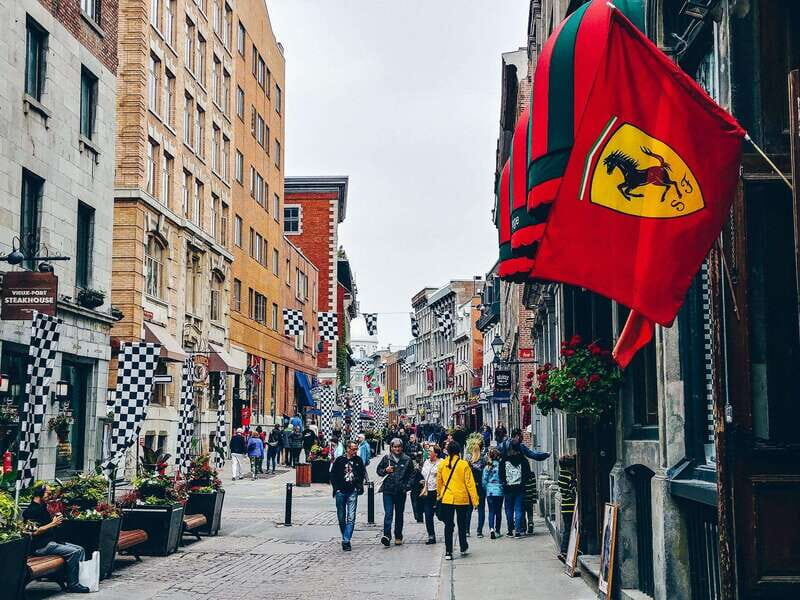
Then comes Saint-Paul Street, the famous pedestrian stretch that looks like it’s been waiting for you. The trick is that you don’t want a generic sweep of a famous street. You want the stories behind it, and this tour is designed for that.
Your guide should connect Saint-Paul’s character to the people and events that shaped Old Montreal’s identity. That’s where the best storytelling makes a difference. Guests in the feedback repeatedly praise guides for mixing history with humor and for staying responsive when people ask questions on the fly. If you like tours that feel like talking with a local friend who actually knows what they’re talking about, Saint-Paul is where you’ll feel it.
Hidden corners: small detours that add real meaning
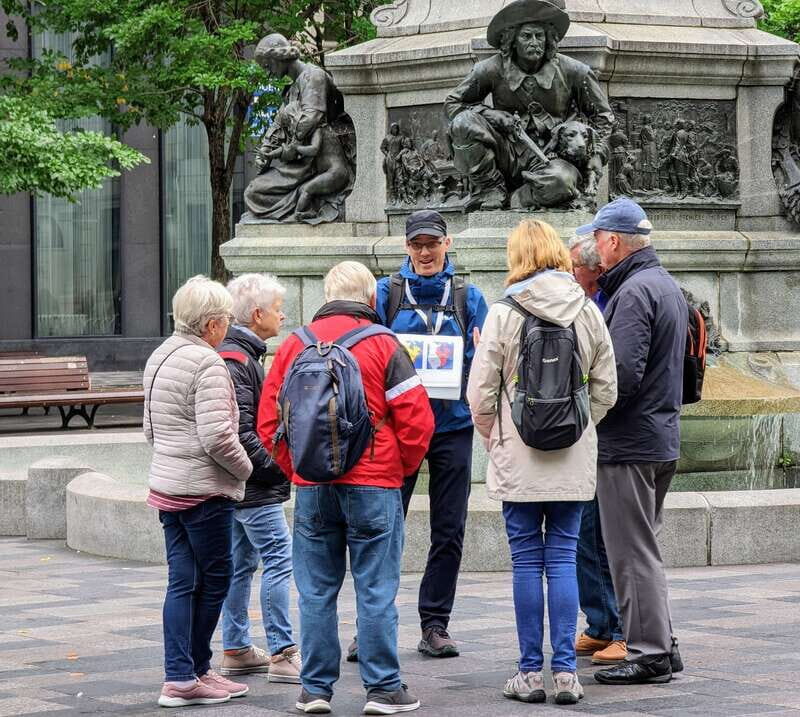
What separates a good Old Montreal walk from a basic one is the time spent on hidden corners—the narrower streets and overlooked details that you’d otherwise miss while scanning for the next big photo. This tour includes those in-between spaces, and your guide uses them to explain “why this matters” instead of just naming the thing in front of you.
A few guests mention moments where guides pointed out features most people would walk past. That’s exactly the value I look for. Big landmarks are helpful for orientation, but side streets are what help you remember the place as a living neighborhood instead of a set of sights.
The guide experience: the difference between a history talk and a street story
The tour is run by MTL Detours, and it’s locally owned and operated. What you really feel is that the guide isn’t reciting a script to a crowd; they’re telling the city in a way that matches the street you’re standing on.
From the names mentioned in strong feedback, you can sense the range of guide styles that still land well with guests:
- Amelie is praised for making a small group feel like family and for keeping everyone warm and comfortable.
- Martin gets high marks for fun energy and for fitting a lot into the 2-hour window.
- Louise and Elise show up in reviews for humor, story rhythm, and encouraging questions.
- Jeff and Sylvia are described as passionate and energetic, with an ability to connect political and cultural threads across time.
- Caroline and Gabriella are noted for friendly guidance and for keeping the walk easy while still teaching you something new.
I’d use that as your clue about what to expect: the tour is built for engagement. If you’re the kind of person who likes asking why a street got its name, or how a building fits into the city’s broader pattern, you’ll get more out of it.
Price and value: what $46 buys you in real terms
$46 for a 2-hour walking tour is not a bargain price. It also isn’t overpriced when you look at what’s included and what the small group changes.
Here’s the value math that matters:
- Small group size (max 10). You’re paying for time with a guide, not just access to a route.
- Certified professional guide with the mandatory city permit. That’s a real quality marker, not a marketing line.
- Included local recommendations. You’re not walking away with only memories—you get a practical list for eating, drinking, and exploring nearby.
- Small treat + unique parting gift. Those are small, but they’re part of the experience feel: you’re treated like you matter.
I think this price makes sense most when you’re early in your Montreal trip. An Old Montreal orientation tour helps you understand the layout fast, so the rest of your days feel easier. If you already know the neighborhood well and want pure sightseeing without interpretation, you might not feel the same value.
Timing and walking comfort: why shoes matter (and cobblestones talk back)
The tour covers a fair distance at a decent pace, and it runs in all weather. That means your planning shouldn’t be based on perfect conditions.
Bring comfortable shoes. Old Montreal’s cobblestones and occasional steps are exactly the kind of thing that turn a fun walk into a sore-feet slog if your footwear is wrong. The experience isn’t recommended for people with mobility restrictions, and it also isn’t for visually impaired travelers based on the terrain and length.
If you’re traveling with kids, note the minimum age is 12. That’s a big deal for family planning, since it keeps the tour focused on participants who can handle the length and pace.
Who this tour suits best
This is a great fit if you want:
- a small-group Old Montreal introduction,
- expert street-level storytelling,
- the big highlights plus side corners,
- and take-home recommendations so you don’t waste your limited vacation time guessing where to go next.
It may not be ideal if:
- you need step-free mobility,
- you have visual impairments that require accommodations not described here,
- or you’re looking for a quick 30-minute hit of landmarks only.
Should you book this Old Montreal walking tour?
If you like history that feels human, and you value a guide who can actually hear your questions, I’d book it. The combination of 10-person limit, official-permit guide, and practical extras at the end makes it feel like a smarter way to see Old Montreal instead of just passing through.
I’d skip it only if mobility or visual needs are a concern, or if you’re uncomfortable with a longer outdoor walk on mixed terrain. For everyone else, it’s a strong way to get oriented early and leave with a better sense of what Old Montreal means, not just what it looks like.
FAQ
How long is the Montreal Old Montreal walking tour?
It lasts about 2 hours.
What’s the maximum group size?
The group is limited to a maximum of 10 participants.
Where do we meet for the tour?
You meet outside the Marché Saint Laurent boutique & café at 503 Place d’Armes, on the ground floor of the Edifice Aldred. If you face Notre-Dame Basilica from the middle of Place d’Armes Square, the café is off to your left.
Is the tour available in English?
Yes, the live tour guide speaks English.
What is the minimum age to join?
The minimum age is 12 years old, and everyone needs a paid ticket. Minors must be accompanied by an adult.
What should I bring or wear?
Wear comfortable shoes, since the walk covers a fair distance at a decent pace.
What if I need to change my plans?
You can reserve now and pay later, and you can cancel up to 24 hours in advance for a full refund.