REVIEW · MONTREAL
Montreal: Old Montreal Guided Walking Tour
Book on GetYourGuide →Operated by 16/42 tours · Bookable on GetYourGuide
Old Montreal comes with a built-in story guide. This small-group walking tour is an easy way to connect charming cobblestone streets with the big history behind them, and I especially love the Saint Lawrence River viewpoints that break up the walk. You’ll see how Montreal grew from its early days into a major Canadian city, without getting lost in facts or maps.
It is only 2 hours, so if you want lots of time for inside-the-building stops or slow wandering, you’ll likely wish for an extra loop.
In This Review
- Key things I’d watch for
- Old Montreal on Foot: A 2-Hour Orientation That Actually Helps
- Where the Tour Starts: Place d’Armes and Getting Your Bearings
- Place d’Armes to the Saint Lawrence: Charming Streets With a Real Sense of Scale
- Old Sulpicians’ Seminary: Where Education and Influence Meet
- Notre-Dame Basilica: The Landmark Everyone Recognizes for a Reason
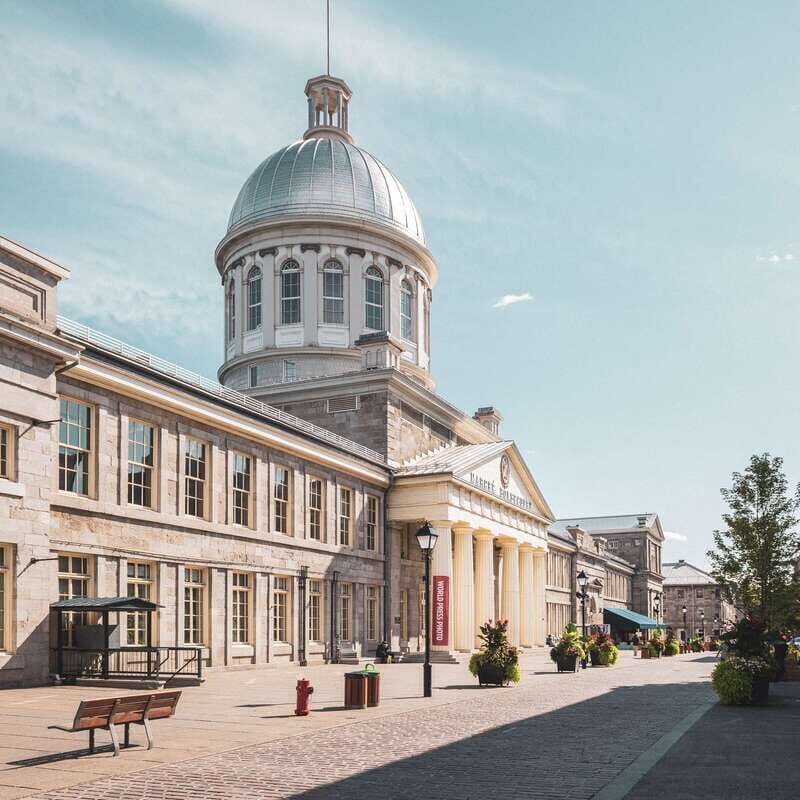
- Place Jacques-Cartier and Bonsecours Market: City Life Beyond the Biggest Names
- Saint-Paul Street: Turning a Street Into a Story
- Learning Montreal’s Founding Through the Walk
- The Value Question: Is $25 Worth It?
- Pace, Practicalities, and What to Bring
- Who This Tour Suits Best (and Who Might Want More)
- Should You Book the Montreal Old Montreal Guided Walking Tour?
- FAQ
- How long is the Old Montreal guided walking tour?
- Where do I meet the guide?
- What language is the tour in?
- How big is the group?
- What sights are included?
- What should I bring?
- Is there free cancellation?
- Do I have to pay upfront?
Key things I’d watch for
- Small group, up to 15 people: you get questions answered without the tour feeling like a conveyor belt
- A tight route of big sights: Place d’Armes, Old Sulpicians’ Seminary, Notre-Dame Basilica, Place Jacques-Cartier, Bonsecours Market, Saint-Paul Street
- River views included: you pause long enough to enjoy the Saint Lawrence instead of just passing it
- Real guide energy: guides like Sandrine, Chantal, Debbie, Louise, and Eduardo are repeatedly praised for keeping things upbeat and clear
- History with present-day context: you don’t just get dates; you get why these places still matter
Old Montreal on Foot: A 2-Hour Orientation That Actually Helps
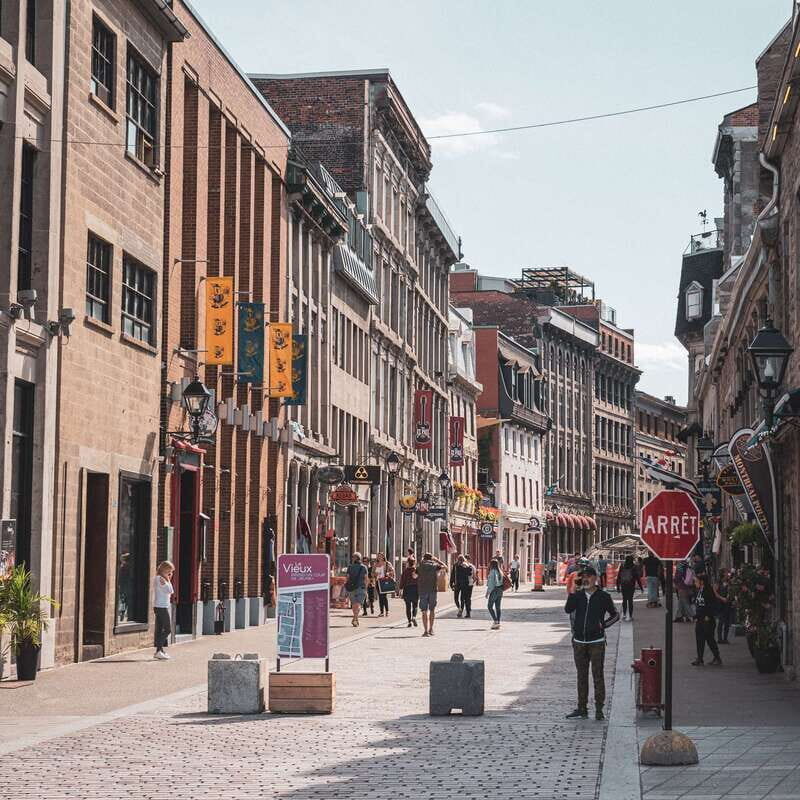
Old Montreal can feel like a postcard even when you’re standing right in it. The stone buildings, the street corners that turn into little viewpoints, and the river air all combine fast. This is why a guided walk is such good value here. You’re not just looking; you’re learning what you’re looking at, and you’re getting the shortcuts for how to explore the rest of your trip.
I like that the format stays focused: 2 hours, a planned route, and a guide who points out the details you’d otherwise miss. Guides have been described as friendly, on time, funny, and especially good at answering questions. If you’re visiting Montreal for the first time, you’ll leave with a clearer sense of where you are and why the neighborhood looks the way it does.
Other Old Montreal tours we've reviewed in Montreal


Where the Tour Starts: Place d’Armes and Getting Your Bearings
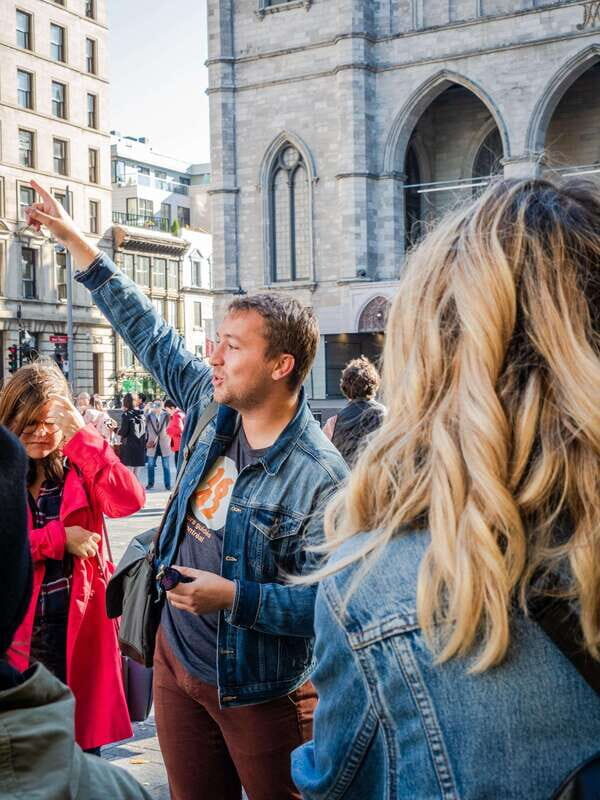
You meet at the steps of the BMO bank on Place d’Armes. That matters more than it sounds. Place d’Armes sits at a crossroads of sightlines and history, so starting here makes the rest of the walk feel logical instead of random.
Expect a quick meet-and-go where your guide sets expectations and shares the itinerary. Then you’re off on the kind of stroll that helps you read the area: which streets were historically important, where power and worship show up in the architecture, and how everyday city life took shape nearby.
A nice bonus is the built-in photo rhythm. You’re not constantly snapping while walking uphill toward nothing. The route gives you moments to stop, look, and reframe—especially when the walk opens toward the river.
Place d’Armes to the Saint Lawrence: Charming Streets With a Real Sense of Scale
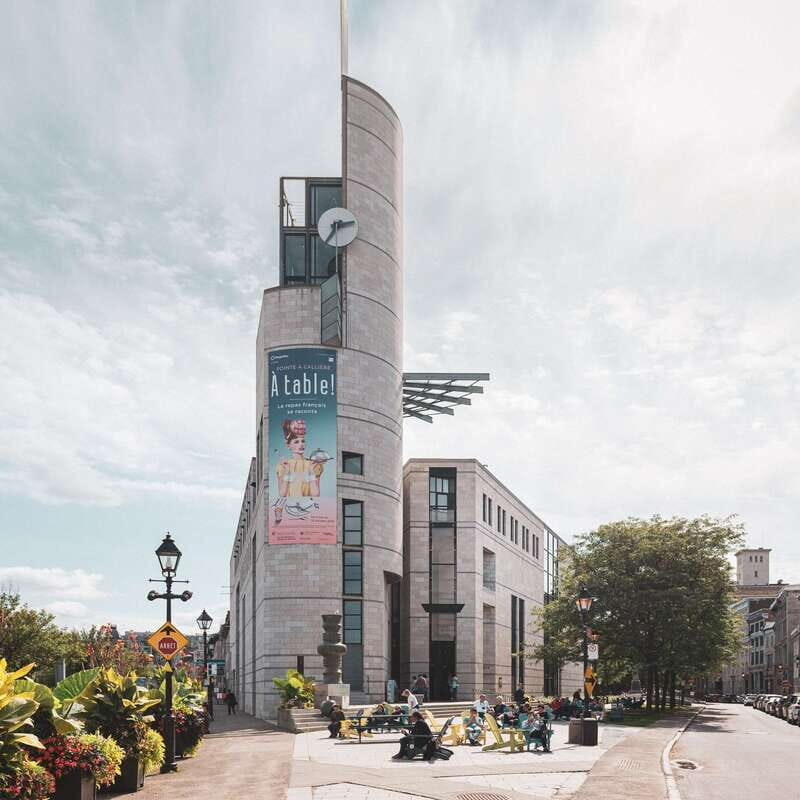
The early part of the walk is about atmosphere and orientation. You’ll move through Old Montreal streets and architecture while your guide connects what you see to what happened here as the city formed and expanded.
Then you get to slow down for the Saint Lawrence River views. This is one of those stops that works even if you’re not a “river person.” The river changes the scale of the whole district. It also helps explain why Montreal mattered for trade and growth long before it became the cultural magnet it is today.
If you’re traveling in warm weather, it helps that guides have been praised for smart pacing and adjusting when it’s hot. If the day turns chilly or wet, you may still keep moving at a lively pace—one guide was described as pushing through rough weather without skipping key points.
Old Sulpicians’ Seminary: Where Education and Influence Meet
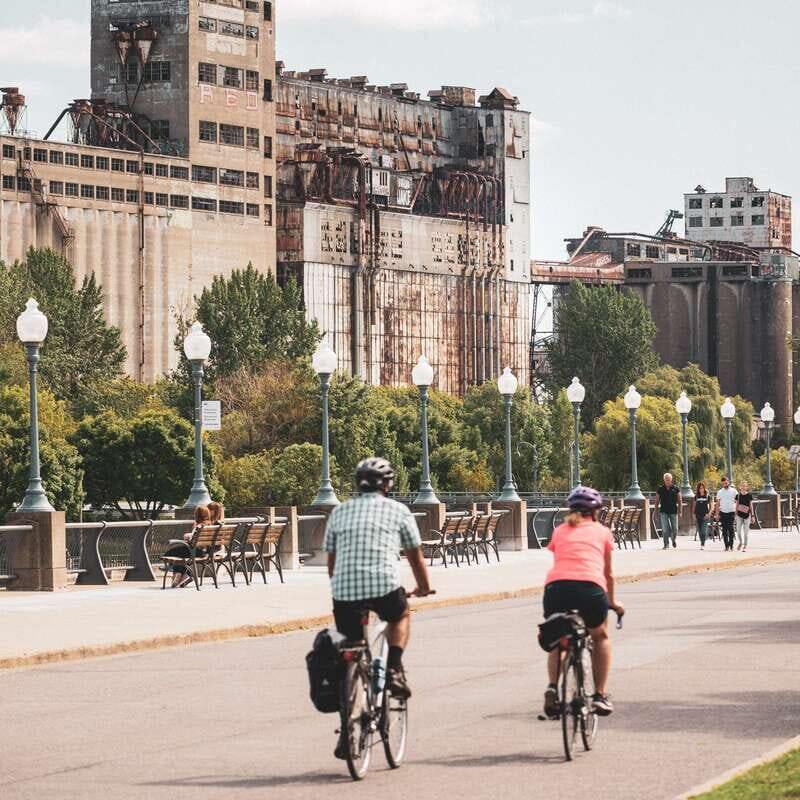
One of the standout stops is the Old Sulpicians’ Seminary. This isn’t just a pretty building in the background. Your guide will use it to explain how institutions shaped Montreal’s early development, and how the city’s major players—religious and civic—left their fingerprints on the neighborhood.
What I like about including a site like this is that it gives structure to the walk. Without it, Old Montreal can turn into a list of landmarks. With it, the landmarks start to feel connected. You begin to notice patterns: where authority tends to sit, how walls and facades communicate status, and why certain areas became the backbone of the district.
A potential drawback: you’ll get the meaning, but not a long sit-down tour of every room. This is a walking overview, so if you’re hoping for extensive interior time, you might want to pair this with a follow-up stop on your own later.
Notre-Dame Basilica: The Landmark Everyone Recognizes for a Reason
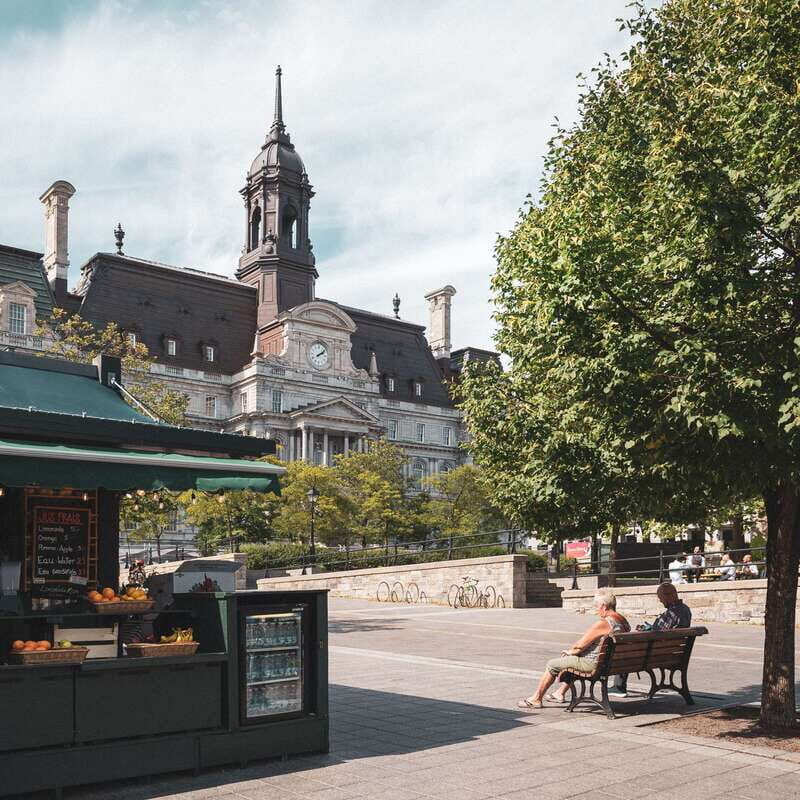
Next comes Notre-Dame Basilica, the kind of place where even people who think they’re not into history still stop dead for a second. Your guide will frame it in the larger story of Montreal, connecting the church to the district’s identity and the way Montreal grew.
This stop is where the tour shifts from “walk and look” to “walk and understand why.” The guide’s job here is to help you see more than an impressive facade. You’ll learn how faith, community, and politics braided together over time around major public landmarks.
If you’ve got time, I’d treat the basilica as your anchor. Walk the exterior during the tour, then consider coming back later for your own pace. The tour’s design keeps things moving, so your best payoff comes when you use the basilica as the starting point for deeper exploring afterward.
Other walking tours we've reviewed in Montreal






Place Jacques-Cartier and Bonsecours Market: City Life Beyond the Biggest Names
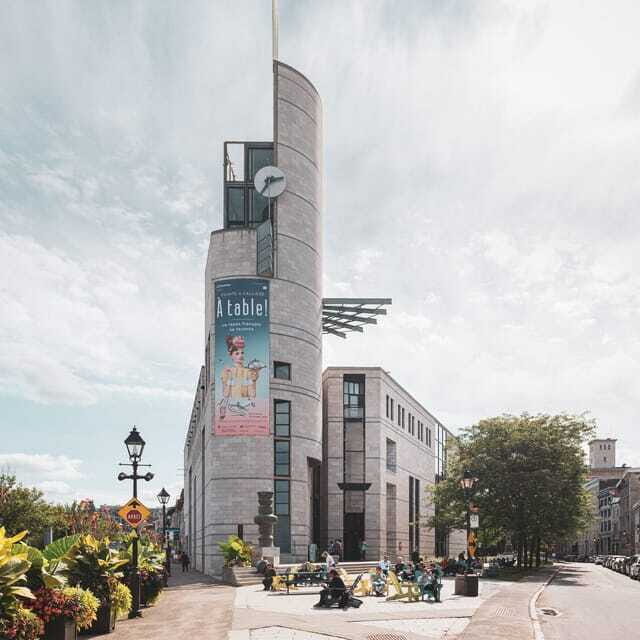
After the big-ticket sites, you’ll hit Place Jacques-Cartier and Bonsecours Market. This is a smart pacing choice. Big monuments can dominate your attention, but markets and squares show you the day-to-day side of city life.
At Place Jacques-Cartier, the guide helps you read the square as a public room—space for gatherings, movement, and the kind of civic energy that turns a neighborhood into a real center. Then Bonsecours Market brings you back to commerce and local rhythms, the practical side of how people supported one another in a growing city.
I like that your guide doesn’t treat these as random stops. You’ll hear how the city expanded, not just what existed. That makes the streets feel less like scenery and more like an organized map of how people lived.
Saint-Paul Street: Turning a Street Into a Story
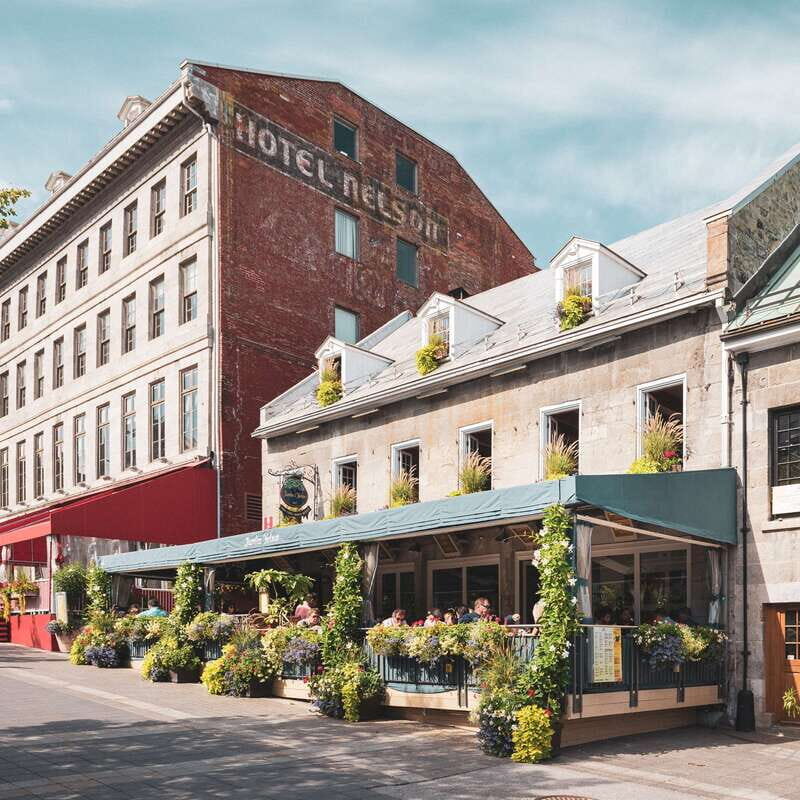
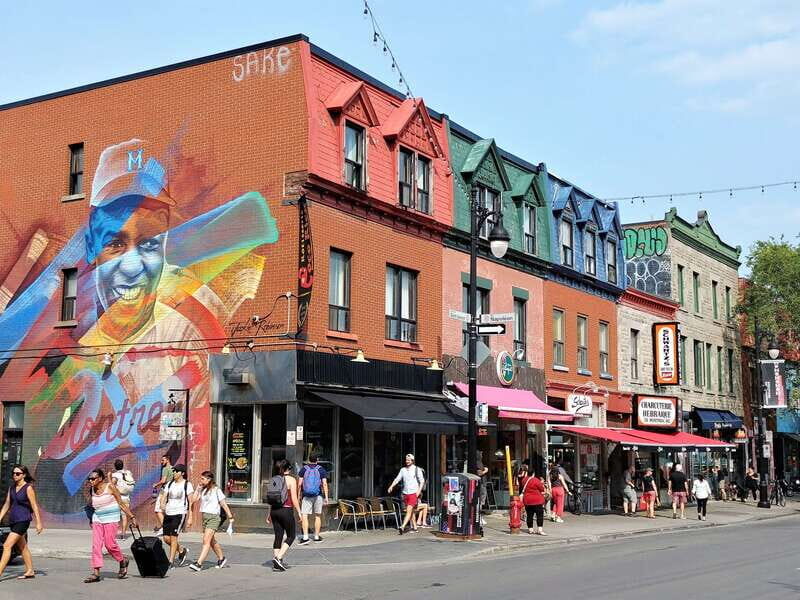
Saint-Paul Street is where Old Montreal starts to feel personal. This is the kind of place where you can easily wander for hours—shops, people, corners that pull you in with photos, and buildings that reward slow walking.
On the tour, the guide helps you connect what you see to the city’s evolution. You’ll pick up small cues: why certain facades look the way they do, how the street functioned historically, and what you should pay attention to as you continue exploring after the tour ends.
If you love street-level travel—architecture from the ground up, street corners, and the human scale—this portion is a highlight. It’s also where the “small group” factor helps. With fewer people, it’s easier to hear the guide over the street noise and ask follow-up questions.
Learning Montreal’s Founding Through the Walk
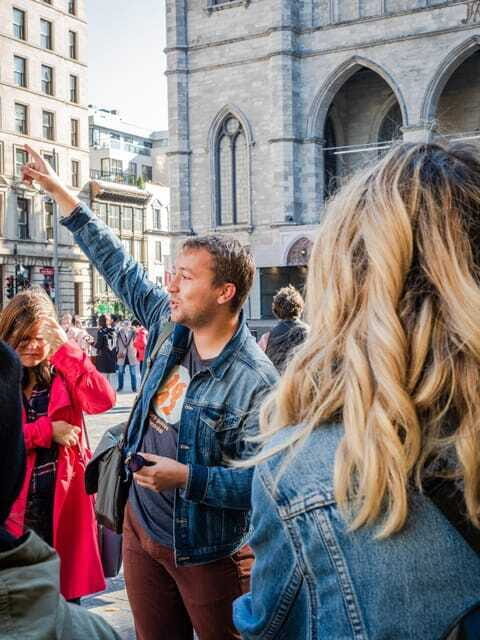
The tour doesn’t just point at buildings. It builds a bigger picture. You’ll learn how Montreal was founded, and you’ll hear how the city expanded into the second biggest city in Canada. That broad context matters because it changes how you interpret what you’re seeing.
Without that context, Old Montreal can be reduced to aesthetics. With it, you start to understand why these places were built, why they were placed here, and why certain neighborhoods became the core of the city’s identity.
A good walking guide also connects past and present. Guides have been praised for sharing both history and today’s Montreal, plus helpful tips on where to go next. That means you don’t finish the tour with just facts—you finish with a plan.
The Value Question: Is $25 Worth It?
At $25 per person for a 2-hour guided walk, the value comes down to what you’re trying to get out of your trip. For first-time visitors, this is a smart spend. You’re paying for orientation, efficient sightseeing, and someone to explain the meaning of what you’re looking at—without paying museum ticket prices for every stop.
Small-group size (up to 15) also helps the price feel more reasonable. When a guide can actually answer your questions and keep the pace comfortable, the tour becomes more than a slideshow while you walk.
The high rating—4.9 with lots of reviews—also hints at consistent guide quality. A pattern shows up in the feedback: guides are described as friendly, enthusiastic, and very capable at explaining things clearly in English, often with humor that keeps the pace light.
Pace, Practicalities, and What to Bring
This is a walking tour, so comfort matters. Wear comfortable shoes. Bring water and keep yourself fueled with snacks if you tend to get hungry while walking. The tour info specifically suggests a reusable water bottle, which is a practical move for longer days in Montreal.
Timing-wise, plan to treat it like an appointment. The route is built for a smooth 2-hour flow, so arriving ready helps you get the full benefit instead of rushing to catch up.
Also, if you’re the type who likes to ask lots of questions, you’ll probably enjoy this format. The guides have been described as attentive and responsive, including when the tour group is small.
Who This Tour Suits Best (and Who Might Want More)
This tour is ideal if you want:
- A fast, organized introduction to Old Montreal
- Landmarks explained in plain language
- A route that hits major sights without exhausting your feet
- Helpful next-step suggestions so you can explore on your own
It may be less ideal if you:
- Want long interior visits or lots of free time inside each building
- Prefer to wander without structure and don’t like stopping for commentary
- Expect a deep scholarly lecture style (this is designed for a walk-and-understand experience)
If your goal is to get your bearings fast and build a base for the rest of your trip, this fits the bill.
Should You Book the Montreal Old Montreal Guided Walking Tour?
Yes, if you want a high-value orientation that connects streets, buildings, and the city’s growth into one easy plan. The $25 price feels fair for the amount of ground covered, the emphasis on major landmarks, and the strong track record of guide performance—friendly, on-time, and good at answering questions.
If you’re the kind of traveler who loves architectural time on your own schedule, you can still book it, then follow up independently around the basilica, the market area, and Saint-Paul Street. The tour works like a map you don’t have to read yourself.
FAQ
How long is the Old Montreal guided walking tour?
The tour lasts 2 hours.
Where do I meet the guide?
Meet the guide on the steps of the BMO bank on Place d’Armes.
What language is the tour in?
The guided tour is in English.
How big is the group?
It’s a small group tour with a maximum of 15 participants.
What sights are included?
The route includes Place d’Armes, the Old Sulpicians’ Seminary, Notre-Dame Basilica, Place Jacques-Cartier, Bonsecours Market, and Saint-Paul Street, plus views of the Saint Lawrence River.
What should I bring?
Bring comfortable shoes, snacks, water, and a reusable water bottle.
Is there free cancellation?
Yes. You can cancel up to 24 hours in advance for a full refund.
Do I have to pay upfront?
No. You can reserve now and pay later, with the option to book your spot and pay nothing today.