REVIEW · MONTREAL
Montreal: Private Customizable Walking Tour of Old Montreal
Book on GetYourGuide →Operated by Guidatour · Bookable on GetYourGuide
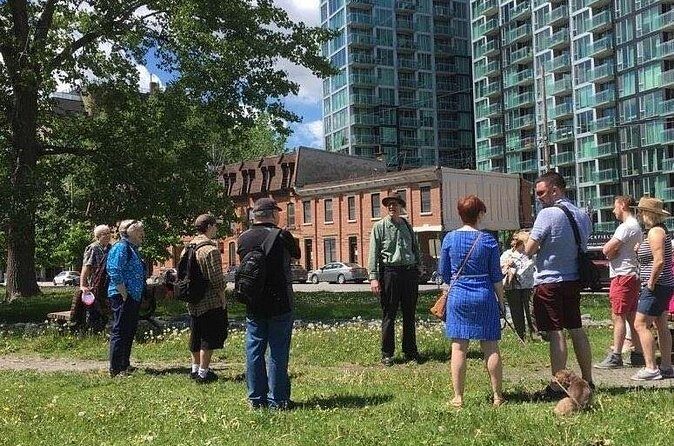
Old Montreal rewards slow footsteps. In just two hours, a private guide helps you read the city like a map, from Fort Ville-Marie’s founding days to modern Montreal. You’ll focus on classic landmarks outside and on your own pace, so it feels personal instead of rushed.
I especially like how the tour stays fully private (up to 15 people) while still covering the biggest story beats. You’ll see the exteriors of Notre-Dame Basilica, City Hall, and major squares like Place d’Armes, and your guide can steer the walk toward what you care about most—architecture, streets, or city-making.
One consideration: this is a walking-only experience on uneven old-street terrain, and it isn’t suitable for wheelchair users or people with mobility impairments. Also, it runs rain or shine, so comfortable shoes matter.
In This Review
- Quick hits before you go
- Why this 2-hour private Old Montreal walk works
- Customizing the route: make the city match your curiosity
- The city’s story arc: Fort Ville-Marie to modern Montreal
- Place d’Armes and Place Royale: the squares that organize the city
- Notre-Dame Basilica exterior and City Hall: what to notice from the sidewalk
- Courthouses, Château Ramezay, and Bonsecours Market: architecture you can compare
- Notre-Dame-de-Bon-Secours Chapel and the “why” of street design
- St-Jacques Street, the former Wall Street of Canada, and what it tells you
- Hôtel-Dieu foundation site and the city’s first hospital story
- Sulpician Seminary: the oldest building clue you can’t miss
- Old Port: getting your bearings for the rest of your day
- Price and value: what $164 gets you for a private group
- Who should book this walking tour of Old Montreal
- Should you book this private Old Montreal tour?
- FAQ
- FAQ
- How long is the private walking tour?
- How many people are in the group?
- Can the tour be customized to my interests?
- What languages are the guides?
- Does the tour run in bad weather?
- Where does the tour start?
- Is this tour suitable for wheelchair users or limited mobility?
Quick hits before you go
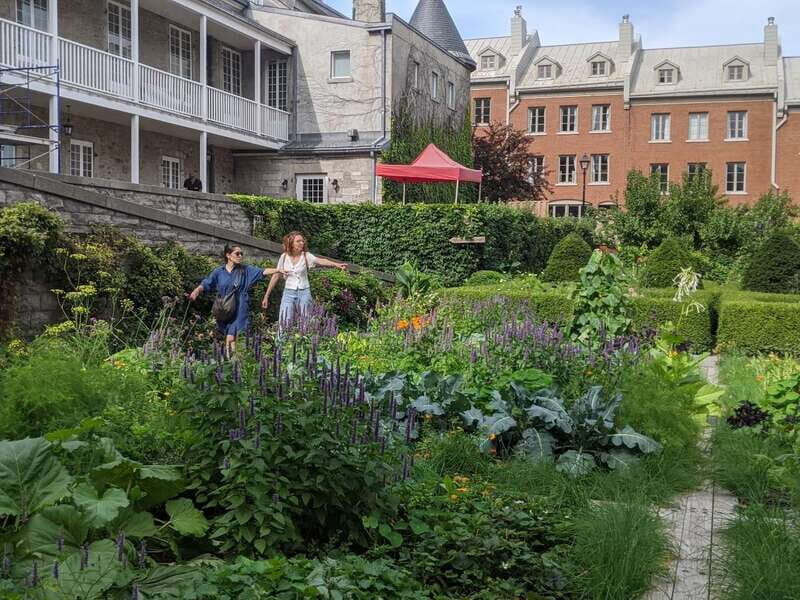
- Private by design (max 15): small-group energy without the “follow the herd” feeling.
- A clear time line, 1642 to today: Fort Ville-Marie to the modern city, told step by step on the sidewalk.
- You see landmark exteriors, not checklists: Notre-Dame Basilica, City Hall, Château Ramezay, and courthouses from the outside.
- Squares do the heavy lifting: Place d’Armes, Place Royale, and Place Jacques-Cartier give you “pause points” for context.
- St-Jacques Street’s Wall Street angle: you’ll connect banking-era Montreal to the street you’re walking.
- Old Port is part of the story: you’ll get orientation in the area that helped shape Montreal’s growth.
Why this 2-hour private Old Montreal walk works
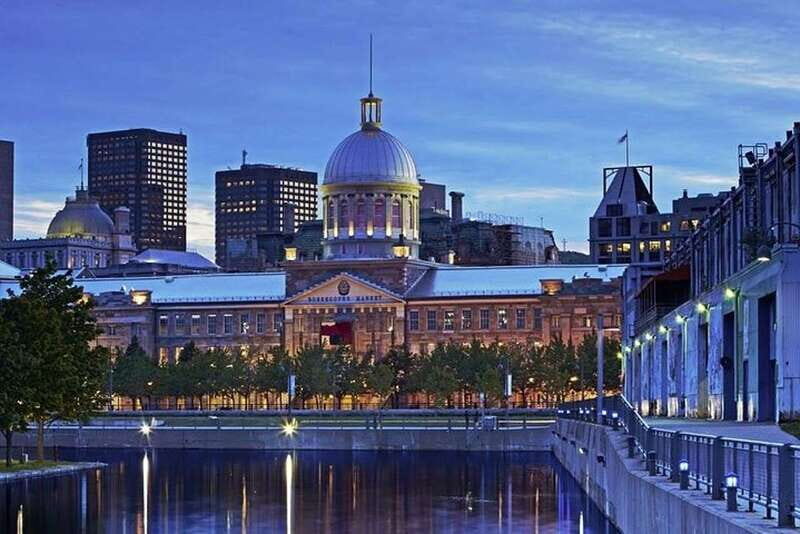
Old Montreal can feel like a postcard that’s too busy. This tour avoids that problem by choosing a route that keeps the story moving while still leaving room to look around. The time is tight enough that you don’t lose your day, but long enough to get beyond the first few photo stops.
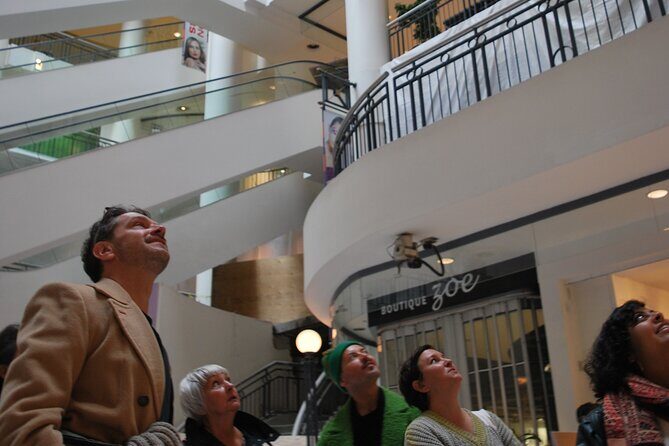
The private format changes everything. With a guide who can pace to your group, you’ll get answers on the spot—whether you’re curious about how Montreal was founded, or you just want to understand what you’re looking at on a building facade. In the guide notes from past groups, names like Carole, Stacey, Pierre, and Thomas come up for friendliness and for answering questions clearly.
The other thing I like: you’re not forced into one rigid script. The tour can be shaped by your interests, so you’re more likely to leave with a sense of Montreal you can actually use later—when you wander on your own or want to connect new sights to what you just learned.
Other Old Montreal tours we've reviewed in Montreal


Customizing the route: make the city match your curiosity
This tour is built around flexibility. You can customize the program based on what you want to focus on, and even the departure time, route, and content can be adjusted to fit your needs. That means it’s not just a “see these sites” walk—it’s a guide-led city lesson tuned to you.
Here are a few smart ways to steer it:
- If you love architecture, ask for more time on external facades: Notre-Dame Basilica, courthouses, Bonsecours Market, and Château Ramezay.
- If you’re a history person, lean into the founding through today angle, especially around Fort Ville-Marie’s story and early city institutions.
- If you like street-level clues, point the guide toward St-Jacques Street and the “Wall Street of Canada” context so the street name feels meaningful, not random.
One practical note: the walk is in old Montreal streets, and that’s part of the charm. But it also means you’ll want to go in with a realistic expectation: you’re walking for most of the two hours. When you customize, keep that in mind so you don’t try to pack in too much walking beyond what feels comfortable.
The city’s story arc: Fort Ville-Marie to modern Montreal
A good walking tour doesn’t just list landmarks. It explains why those landmarks exist in the first place, and how the city grew around them. This one anchors you at the city’s founding—Fort Ville-Marie in 1642—then carries you forward to modern-day Montreal.
That time span matters. When you hear the early story, the later streets and squares stop feeling decorative. Place d’Armes and Place Royale become more than big open spaces for selfies; they become signposts for power, public life, and civic identity as Montreal developed.
You’ll also get a sense of how “old” and “new” coexist here. Old Montreal isn’t a museum you step into and out of. It’s a neighborhood still living at street level, so the guide’s timeline helps you connect buildings and streets to real city functions.
Place d’Armes and Place Royale: the squares that organize the city
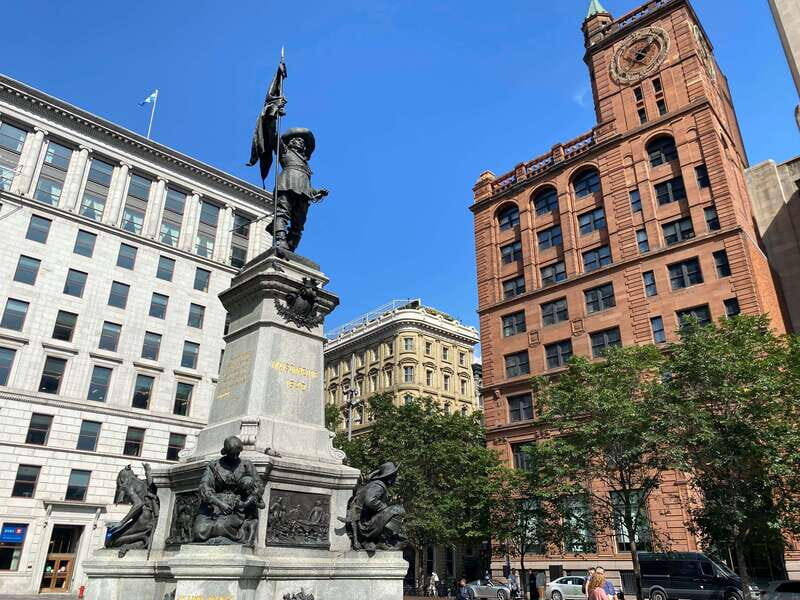
Squares in old towns aren’t just pretty—they’re how the city organizes public life. In this walk, you’ll visit major squares such as Place d’Armes and Place Royale, plus Place Jacques-Cartier. Expect to pause at these spaces to check out monuments and works of art placed there.
Why these stops are worth it: you get a reset point. After walking narrow streets, you can look around and understand where you are in the larger layout of old Montreal. The squares also help the guide do what guides should do—turn the abstract idea of “history” into something physical you can point at.
If you like context, ask the guide to tie the squares to the story they’re telling. A two-hour tour goes fast, so you’ll get more out of it if you use the squares to ask questions like how public spaces shaped civic life here.
Notre-Dame Basilica exterior and City Hall: what to notice from the sidewalk
Some tours try to get you into every building. This one keeps the focus on exterior architecture, which can be a plus if you want a smooth walking flow. You’ll see the exterior of Notre-Dame Basilica and pass key civic spots like City Hall.
From the sidewalk, pay attention to proportions and placement. Big religious buildings and major civic buildings tend to be set where they can be read from multiple angles. Even if you don’t step inside, you’ll start to understand how Montreal’s identity was built in public view.
A practical tip: bring a phone-ready camera, but also take a few seconds to look without the lens. Notre-Dame Basilica’s exterior impact hits best when you’re standing still and letting your eyes adjust. City Hall gives you another contrast—civic authority, not spiritual authority—right in the same overall old-city frame.
Other walking tours we've reviewed in Montreal






Courthouses, Château Ramezay, and Bonsecours Market: architecture you can compare
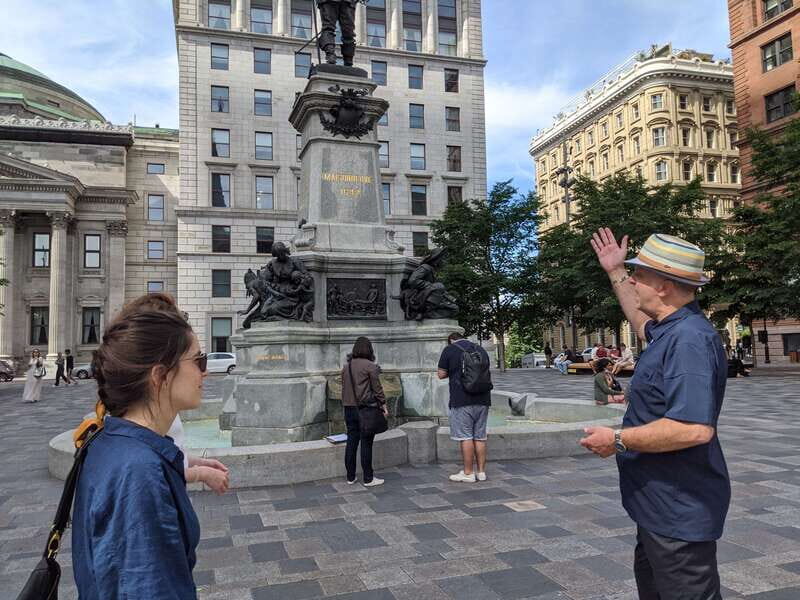
This tour also includes a run of exterior architectural highlights: the three courthouses, Château Ramezay, and Bonsecours Market. If you enjoy comparing styles, this part of the walk is where your brain starts to do the fun work of noticing differences.
Here’s the useful angle: exterior architecture gives you clues about the era’s priorities—what the city wanted to showcase, what it protected, and what it built to handle daily life. Courthouses, for instance, signal law and governance. Château Ramezay connects you to the more personal, institutional side of old Montreal’s development.
Bonsecours Market is a nice counterweight to the heavier buildings. Markets are where a city’s story becomes practical: trade, daily needs, and the rhythm of commerce.
You might find that the guide’s explanations make the buildings easier to remember afterward. When you can connect what you saw to what the guide said, your photos become reminders instead of clutter.
Notre-Dame-de-Bon-Secours Chapel and the “why” of street design
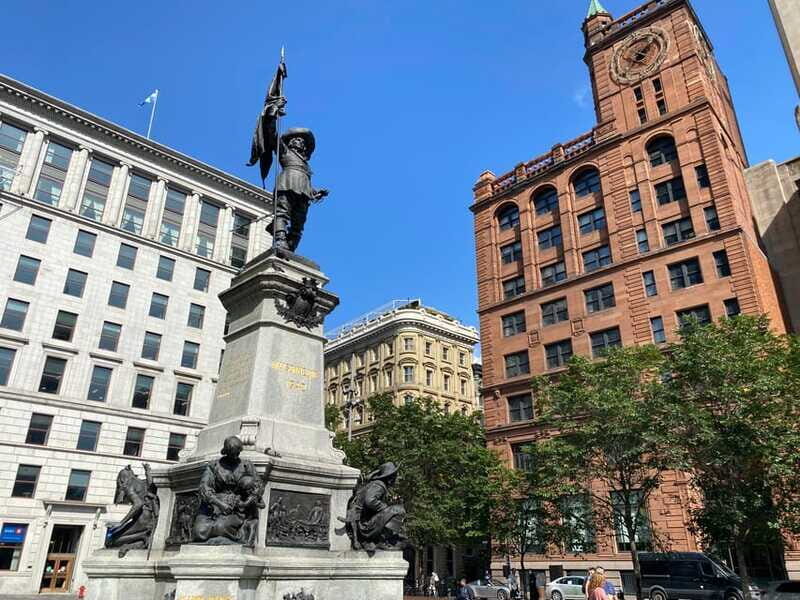
As you move through old Montreal, you’ll pass Notre-Dame-de-Bon-Secours Chapel. Even without going inside, it works as a visual anchor along the route—one of those landmarks that helps you orient yourself when the streets start to look similar.
This is where a guide earns their keep. On a self-walk, you might notice the chapel and move on. On this kind of guided walk, the chapel becomes part of the city’s larger story of faith, community, and how neighborhoods developed around major points.
Street design is also part of the experience. Narrow lanes, small changes in elevation, and tight corners shape how you experience the city. Your guide helps you read those streets as a system, not just a maze.
St-Jacques Street, the former Wall Street of Canada, and what it tells you
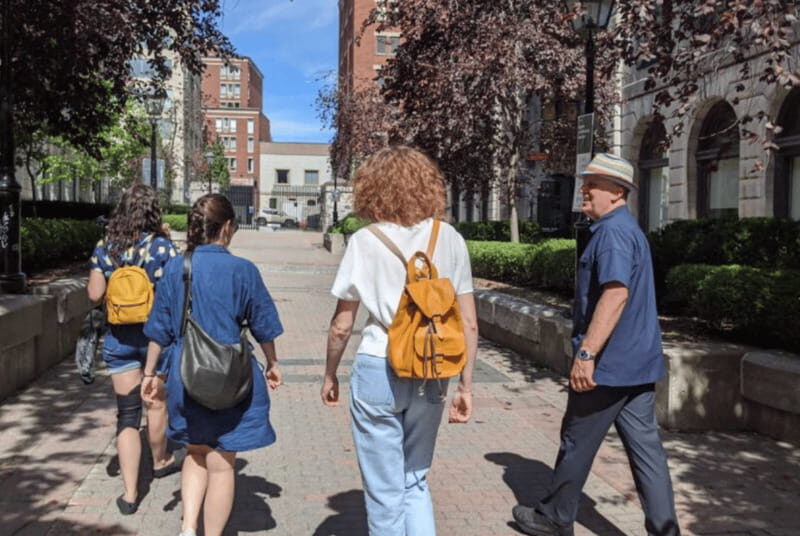
One of the most interesting thematic stops is St-Jacques Street. The tour frames it as the former Wall Street of Canada, which is a great way to make a street name feel like a historical fact rather than trivia.
As you walk, think about how money and power leave physical traces. Streets tied to finance often connect to institutions, offices, and public areas where decisions get made. Even if you’re not studying architecture in detail, a finance-focused street story helps you understand why Montreal’s old core developed in the way it did.
If you’re the type who likes “aha” moments, ask the guide to explain how the street’s role in commerce connected to the rest of old Montreal. In a two-hour format, those explanations are what turn sightseeing into understanding.
Hôtel-Dieu foundation site and the city’s first hospital story

Cours Le Royer is where you’ll learn about the foundation site of the city’s first hospital, l’Hôtel Dieu. This stop adds a human layer to the route. It’s easy to focus on churches, councils, and commerce, but public health tells you how a city actually survives.
Why that matters: institutions that care for people often become some of the earliest stabilizing forces in a community. When you connect that idea to Montreal’s early period, you get a fuller picture of what the city was trying to do, not just what it was trying to show.
When your guide discusses this area, listen for the link between “where people needed help” and “how the city organized itself.” That’s the kind of detail you’ll remember when you’re wandering later.
Sulpician Seminary: the oldest building clue you can’t miss
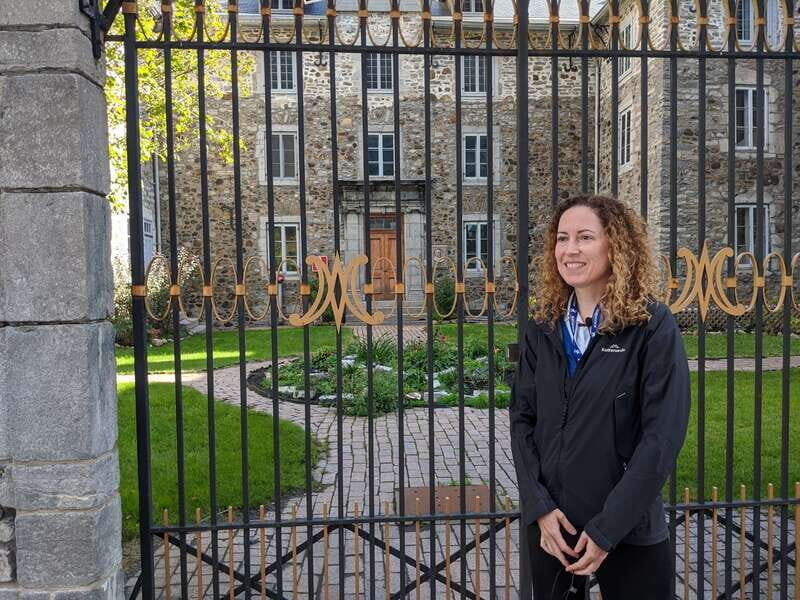
The route includes the Sulpician Seminary, described as the oldest building in the historic district. That alone makes it worth pausing for, but it’s the explanation that really helps.
Old buildings are more than backdrops. They’re timelines in stone—physical proof that the city kept certain forms and traditions even as it changed. When you hear the seminary’s significance, it gives you a better sense of how Montreal’s identity took shape over time.
I’d treat this stop as a moment to slow down. Look around, then ask yourself what kind of work and community life might have surrounded a building like this when the city was younger. If you get those mental images, the rest of the walk clicks into place.
Old Port: getting your bearings for the rest of your day
The tour also includes time oriented toward the Old Port area. Even if your visit to the port is just one slice of the day, the value of this stop is orientation: you’ll understand why the port mattered and how it fits into the broader Montreal story.
Old Port spaces can look like a place you’re supposed to visit, rather than a place with a job to do in city growth. A guide explanation helps you see the connection between shipping, trade, and the city’s earlier development.
If you have extra time after the tour, this is where you’ll likely feel more confident wandering. You’ll know which direction connects to the broader old core, and you’ll understand why you’re drawn to the waterfront in the first place.
Price and value: what $164 gets you for a private group
The price is listed as $164 per group, up to 15 people, with a duration of about two hours. That pricing model changes how you should think about value.
If you’re traveling solo or as a couple, a private tour can feel like a bigger spend—but you’re paying for the guide’s attention and for customization. If you’re a small group, the value improves because the cost spreads across multiple people. With a cap of 15, you also keep the feel of a true private walk, not a mass tour.
For me, the key value points are:
- you get a private guide rather than an escorted group shuffling behind you
- you get a customizable route and topic focus
- you get a tight timeline from 1642 to today without needing to do the research yourself
Also, guides here run in multiple languages (French, Spanish, English), which is useful if you’re not all comfortable with the same language. And the “rain or shine” operation means you’re not gambling your day completely on weather.
My one caution on value: because it’s a two-hour walk, you won’t see everything in detail. This is a best-used-smartly kind of tour: if you want a few big highlights plus real context, it’s a strong fit.
Who should book this walking tour of Old Montreal
This tour is a great choice if you want:
- a guided history and architecture focus without stepping into buildings nonstop
- flexibility to steer the topics to your interests
- a private experience that keeps questions in play during the walk
It’s especially good for mixed-age groups who don’t all want the same pace. In the feedback you’ll hear names like Stacey and Thomas described as responsive to questions and good at keeping the experience smooth and fun across different ages and abilities.
Avoid it if anyone in your group has mobility challenges, because the tour is not suitable for people with mobility impairments or wheelchair users. Also, expect a true walking experience, so if you prefer short, stop-and-go visits in tiny bursts, you might feel the pace.
Should you book this private Old Montreal tour?
If you want an efficient way to understand Montreal’s old core, I’d book it. The best reason is the combination of private attention and a flexible route tied to a clear story from the city’s early founding to today. You’ll walk away with names, places, and connections you can actually use when you keep exploring on your own.
If you only want one or two quick photos and don’t care about context, you could skip a guide. But if you want Old Montreal to make sense—squares, streets, major exteriors, and the institutions behind the scenes—this is a strong way to start.
FAQ
FAQ
How long is the private walking tour?
The tour lasts 2 hours.
How many people are in the group?
It’s a private group with a maximum recommended group size of 15 people.
Can the tour be customized to my interests?
Yes. The departure time, duration, route, and content can be customized according to your needs and interests.
What languages are the guides?
Guides are available in French, Spanish, and English.
Does the tour run in bad weather?
Yes. The tour takes place rain or shine.
Where does the tour start?
The meeting point may vary depending on the option booked.
Is this tour suitable for wheelchair users or limited mobility?
No. It is not suitable for people with mobility impairments or wheelchair users.