REVIEW · MONTREAL
Montreal Private Walking Tour with a Local
Book on Viator →Operated by Lokafy Inc. · Bookable on Viator
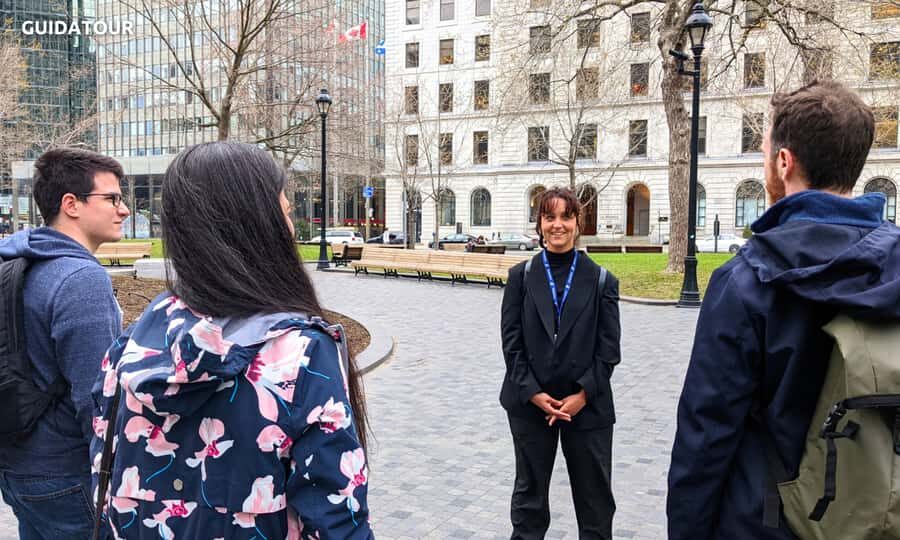
A local walk can cut planning time fast. This private, customized Montreal experience is built around choices, not a fixed script, and you can meet the guide at a centrally located hotel or at the museum start point. I like the flexibility to steer the day toward the sights you care about, whether that’s major landmarks or quieter side streets.
A possible drawback: if you’re craving a lecture-style, detail-heavy history tour, the format may feel lighter than you expect, since the focus is on a resident’s practical view of the city rather than deep, historical fact.
In This Review
- Key things that make this Montreal tour feel worth it
- Price and logistics: what $41.28 really buys you
- Where you meet and how the tour actually moves through Montreal
- Choosing stops: the flexible route you can steer yourself
- Musee des beaux-arts de Montreal: start with art, then fan out
- Notre-Dame Basilica: a must-see landmark with a budget note
- Old Montreal: where you slow down and get story connections
- The Underground City: weather-proof walking with real architecture payoff
- Chinatown: street life, shopping, and practical local tips
- Downtown St. Catherine Street: the shopping pulse
- Higher point down toward the water: a natural arc for first-timers
- How much history and detail you should expect
- The walking experience: pacing, comfort, and what to bring
- Budget add-ons: entrances, guide entry costs, and tips
- Who this tour is best for (and who should consider something else)
- Should you book this Montreal Private Walking Tour
- FAQ
- How long is the Montreal private walking tour?
- Where does the tour start?
- Is the tour private for only my group?
- What language is the tour offered in?
- Are entrance fees included?
- If I visit a paid attraction, do I pay for the guide too?
- Does the tour run in bad weather?
- Can I cancel for a full refund?
Key things that make this Montreal tour feel worth it

- You choose the route in real time and can steer toward your must-sees.
- Private for your group, so questions and pacing don’t get crowded out.
- Museum-first start at the Montreal Museum of Fine Arts, a smart way to orient yourself quickly.
- Flex for weather and walking stamina, since it runs in all weather conditions when you dress for it.
- Underground City and Old Montreal are realistic add-ons, not random promises.
- Guide quality can vary, so clarify your expectations early if you want deep facts.
Price and logistics: what $41.28 really buys you

At $41.28 per person, the value here isn’t about getting into a long list of paid attractions. It’s about paying for a focused, private walking plan with a local—the kind that helps you connect dots fast: neighborhoods, how areas link up, what’s worth a second visit, and what’s not.
Because it’s limited to just your group, the experience usually feels less like a parade and more like a tailored walk with someone who knows where the day naturally flows. And with durations running roughly 2 to 6 hours, you can match it to your energy level. Short version for first-day orientation. Longer version for deeper wandering and extra stops.
One more practical point: tours like this often book ahead. The average booking window is about 38 days, so if you’re traveling in peak season or on a weekend, it’s smart to lock it in early.
Other walking tours we've reviewed in Montreal


Where you meet and how the tour actually moves through Montreal
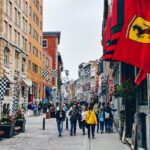
The start point is the Montreal Museum of Fine Arts (1380 Rue Sherbrooke O, Montréal, QC H3G 1J5). That’s a strong location because it’s central and it places you near major transit routes, making it easier to get oriented before you head into whatever areas you pick.
You also may be able to arrange a meetup at a centrally located hotel, which is a nice option if you’d rather not think about where to go before the walk begins. If you’re staying downtown, this can save time and reduce stress.
At the end, the tour can finish somewhere else in the city unless you request otherwise. That flexibility can be good—your guide can often end you near transit, parking, or your next activity. Just keep it in mind if you have a hard appointment later in the day.
And yes, this is a walking tour. No ride between stops is included, so your route choice should match your comfort with walking.
Choosing stops: the flexible route you can steer yourself
This tour is explicitly customized based on your interests and the time you select. So instead of a guaranteed checklist, think in terms of “most of these styles of places are easy to build into the day if you ask.”
Here are the kinds of stops that fit well, along with what to expect and what to watch for.
Musee des beaux-arts de Montreal: start with art, then fan out
Starting at the Montreal Museum of Fine Arts is a clever baseline. It gives your guide an anchor for the first conversations: how the arts scene sits within the city, what neighborhoods connect nearby, and which sights match your time.
If you’re the type who likes quick orientation, this museum start helps you get your bearings before the tour turns into streets and neighborhoods. If you’re not into art at all, you can still use the start point as a launchpad and focus more on what happens after you leave.
Potential drawback: if you’re hoping for a long time inside the museum, that’s not the default goal here. Also, paid entrances are on you if you choose to visit.
Notre-Dame Basilica: a must-see landmark with a budget note
Notre-Dame Basilica often ends up on the list because it’s instantly recognizable and photogenic. The guide can help you choose good moments and angles, and you can decide whether you want a quick look or more time there.
The big “watch out” is money. Entrance fees are not included if you choose to go into paid attractions, and you’d also need to cover the cost for the Lokafyer (local guide) as well. So treat the basilica as a flexible stop: great for photos and atmosphere, but plan extra budget if you plan to enter.
Other private tours in Montreal





Old Montreal: where you slow down and get story connections
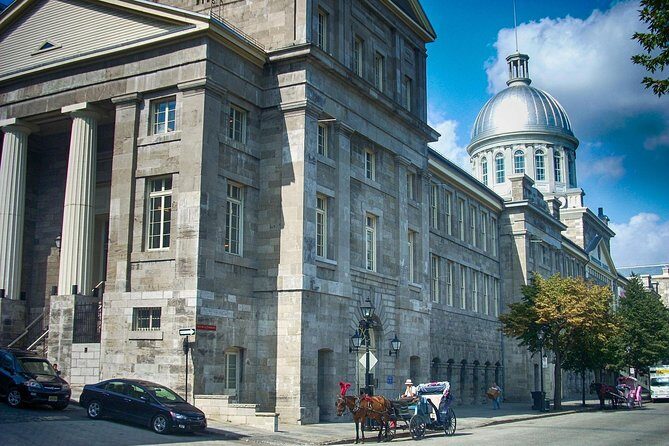
Old Montreal tends to be where the city “clicks” for many people. This is where streets feel human-scaled, architecture tells you you’re in the older layers of town, and your guide can point out small details that matter for understanding the city’s everyday life.
In practice, I like that this kind of tour can go beyond the obvious. Some guides have offered routes that add spots off the usual path when you ask. If you want shopping, snack stops, or photo breaks, Old Montreal is a smart zone to request those.
Potential drawback: you may end up walking more than you expect in this area, especially if you add extra neighborhoods. Comfortable shoes aren’t optional here.
The Underground City: weather-proof walking with real architecture payoff
Montreal’s Underground City can be an excellent choice, especially if the weather is cold, rainy, or just plain miserable. One memorable pattern: guides walk sections where old meets new, letting you see a different side of the city’s design and daily movement.
What I like about adding the Underground is that it changes the feel of the day. Instead of only outdoor streets, you get a layered Montreal story: transit, commerce, and architecture all in one.
Potential drawback: it can feel confusing if you’re doing it without a guide, so this is one stop you’ll want to do with your Lokafyer. Also, it’s still walking, so plan your pace accordingly.
Chinatown: street life, shopping, and practical local tips
Chinatown can be a great “add-on” if you want a more lived-in Montreal. Guides have included it as part of routes that also covered Old Town and surrounding areas, and it’s the kind of zone where your guide can suggest what to look for and where to spend time.
If your interests include markets, shopping, or trying something new, tell your guide early. You’ll get a better route because they can build it around your stops, not tack it on at the end.
Potential drawback: if you want a strict historical focus, this kind of stop leans more toward present-day city life and local recommendations than a deep lecture.
Downtown St. Catherine Street: the shopping pulse
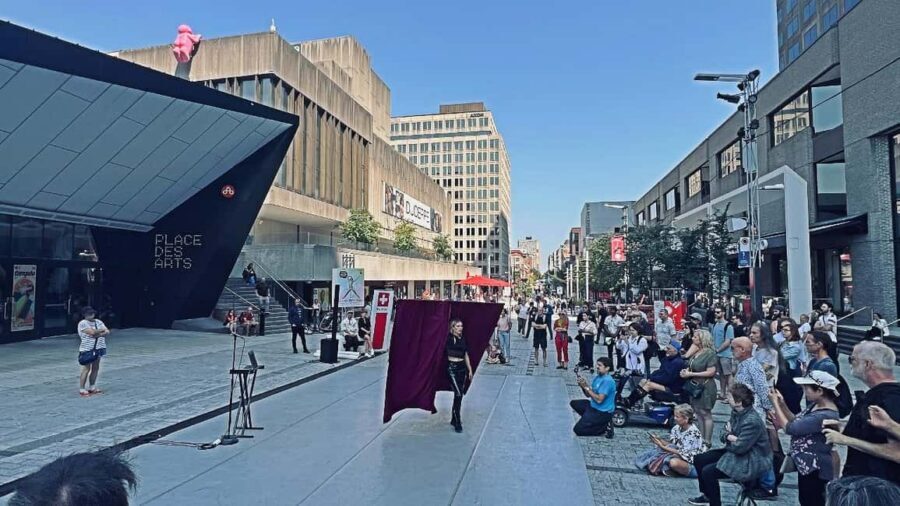
St. Catherine Street shows Montreal’s day-to-day energy. It’s also a good choice if you want a broader mix of people, stores, and quick sightseeing moments rather than focusing only on one historic quarter.
One guide-style that works well here is conversational and practical: what areas are worth browsing, how neighborhoods connect, and where it’s easy to step off and explore on your own after the tour.
Potential drawback: this is also an area where crowds can build, so if you want quiet and slow, make that request clearly.
Higher point down toward the water: a natural arc for first-timers
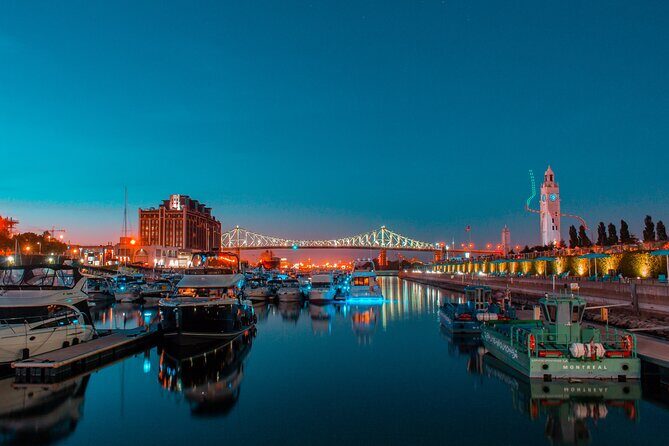
Some guides have structured routes that move from a higher viewpoint down toward the water. I like this for first-time visitors because it creates a natural “arc” to the day. You get changing perspectives without needing to guess where to go next.
If you’d enjoy views, ask for the “high to water” style route. If you’re short on time, ask your guide to prioritize viewpoints early before your energy runs out.
How much history and detail you should expect

The tone is the key. You’re not buying a classroom tour with endless dates and named battles. You’re buying a resident’s perspective with practical guidance.
That can be a win if you want to understand how Montreal feels now: what neighborhoods are like, what locals do, where to walk, what to skip, and how to plan the rest of your trip. Many guides also work in recommendations for what to do after the walk. One guide even handed over practical extras like subway maps and suggested ideas for on your own time.
But here’s the balance: the depth of historical explanation can vary from guide to guide, and accents can affect how easy it is to follow if you’re sensitive to speech clarity. Some guides are more fact-forward; others are more conversational and attitude-forward.
My advice: before you start, tell the guide exactly what you want. For example, ask for a mix: quick context on the landmark, then practical advice for what to do next in that area. If you say you want detailed dates, you might set the day up better from minute one.
The walking experience: pacing, comfort, and what to bring
This tour runs in all weather conditions, which means you’ll be outside unless you coordinate a specific workaround with your guide. Dress for the day, not for the forecast headlines. Cold wind, wet streets, and slippery sidewalks are real.
Bring the basics:
- comfortable shoes (this matters a lot)
- water, especially if you’re going longer (some guides strongly suggest it)
- layers you can adjust if your route switches between open streets and covered areas like the Underground
Pacing is another reason private works. If your group is slower, your guide can adjust. If you’re moving fast and want maximum coverage, that’s also workable.
One more detail that’s worth knowing: in some cases, guides have arrived early or contacted you ahead of time to lock in preferences. That kind of coordination can make the whole experience smoother.
Budget add-ons: entrances, guide entry costs, and tips
Most of the experience is walking and street-level discovery, so it’s naturally lower on “extra ticket” spending than museum-heavy itineraries. But if you choose to enter paid attractions, entrance fees are not included.
And here’s the specific cost detail: if you include a paid attraction, you cover the cost of entrance for yourself and also the Lokafyer (local guide). So your final price can rise if you add a lot of ticketed stops.
Tips are optional and not included. If you had a great match, tipping is your chance to thank someone who shaped your day.
If you’re trying to keep costs predictable, do a quick scan of your shortlist and decide which places are “look from the outside” versus “I want to go in.”
Who this tour is best for (and who should consider something else)
This works especially well for:
- first-time visitors who want orientation plus practical next steps
- people traveling with a group who want private pacing
- families who want a flexible route (children must be accompanied by an adult; kids under 3 are free)
- anyone who likes asking questions and steering the day toward their interests
It can be a mismatch if:
- you’re expecting a strict, history-lecture style tour with deep factual coverage
- you need very specific expertise on niche topics and want that delivered in a scripted way
- you’re sensitive to accent clarity and prefer very formal narration
Also, if you have mobility needs, it’s smart to communicate them. In at least one case, pre-tour contact included checking in about mobility issues, which can help a guide plan a route that fits.
Should you book this Montreal Private Walking Tour
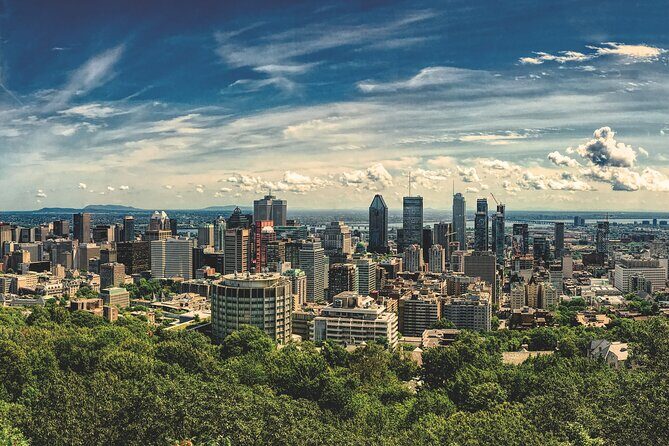
I’d book it if your goal is a flexible, local-feeling day. The $41.28 per person price makes sense when you think of what you’re buying: a private guide, walking route choices, and on-the-fly adjustments instead of an inflexible checklist. The museum start and the ability to add Old Montreal, Underground City, Chinatown, and downtown shopping give you a lot of control over your Montreal “first chapter.”
Skip it, or at least adjust your expectations, if you need a heavily academic history format. This tour is built for practical guidance and local perspective, not for endless dates and deep historical analysis.
FAQ
How long is the Montreal private walking tour?
It runs for about 2 to 6 hours, depending on your selected duration and interests.
Where does the tour start?
The start point is Montreal Museum of Fine Arts at 1380 Rue Sherbrooke O, Montréal, QC H3G 1J5, Canada.
Is the tour private for only my group?
Yes. It’s a private tour/activity, and only your group participates.
What language is the tour offered in?
It’s offered in English.
Are entrance fees included?
No. Entrance fees for paid attractions are not included.
If I visit a paid attraction, do I pay for the guide too?
Yes. If you include an attraction with an entrance fee, you cover the cost of entrance for yourself and also the Lokafyer (local guide).
Does the tour run in bad weather?
It operates in all weather conditions, and you should dress appropriately.
Can I cancel for a full refund?
Yes. Free cancellation is available up to 24 hours in advance for a full refund. If it’s canceled due to poor weather, you’ll be offered a different date or a full refund.