REVIEW · MONTREAL
Explore Underground city & Downtown. Great tour to stay warm
Book on GetYourGuide →Operated by Tours Montreal · Bookable on GetYourGuide
Cold weather becomes sightseeing, in a good way. This tour is built around Montreal’s connected underground world, so you get downtown architecture and city-planning stories without standing outside in winter for long. I also like that it includes a taste of the Métro, known for its art and design, so you’re not just walking hallways—you’re learning how the whole system fits together.
The best part is the guide’s city perspective. You’ll move between key downtown spots, pop outdoors briefly for courtyards and landmark areas, and come away with a clearer sense of how Montreal’s layers—street level, tunnels, and transit—work in real life. One drawback: it’s a walking-and-stairs tour. It’s great for active legs, but it’s not suitable for wheelchair users or people with mobility impairments.
In This Review
- Key Highlights You’ll Actually Feel
- Why Montreal’s Underground City Works So Well in Winter
- Starting at 1000 Rue de la Gauchetière Ouest: Getting Oriented Fast
- Downtown Montreal on Foot and Underground for the Big 75 Minutes
- Place Ville Marie: A Downtown Anchor You’ll Understand Better After the Tour
- Place des Arts: Culture Above the Tunnels
- The Métro Moment: Why This City’s Transit Feels Like a Site
- Outdoor Breaks That Teach You What to Look For
- Finish at Centre de commerce mondial: Your Base for the Rest of the Day
- Price and Value: Why $65 Can Be a Smart Winter Plan
- Who This Tour Fits Best (and Who Should Skip It)
- Practical Tips So You Get the Most Out of the Day
- Should You Book This Underground City and Downtown Tour?
- FAQ
- How long is the tour?
- How much does it cost?
- Where does the tour start?
- Where does the tour end?
- Is the tour offered in English?
- Is a transit ticket included?
- Will I be walking a lot?
- Is the tour suitable for wheelchair users or people with mobility impairments?
- Can I cancel for a refund?
Key Highlights You’ll Actually Feel
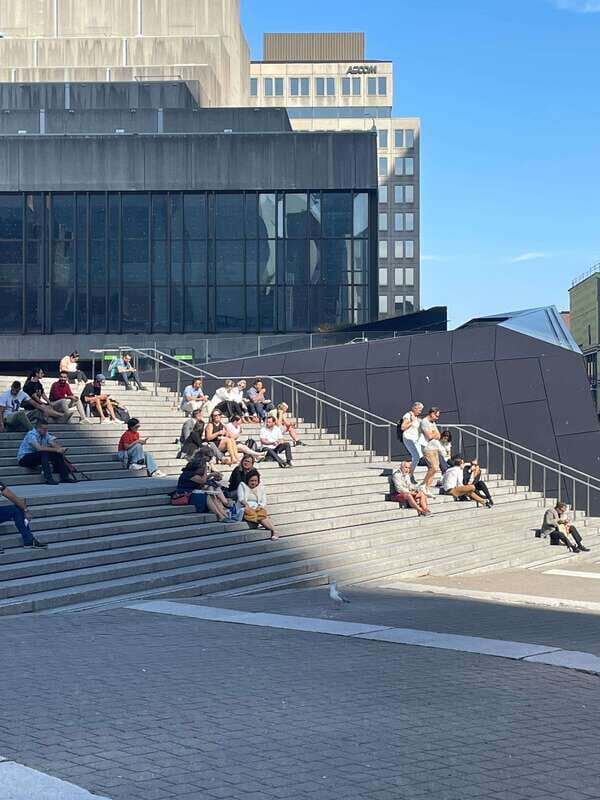
- Winter-friendly routing: you spend most of the time inside the tunnel network
- Downtown shortcuts with context: you see places many people miss, and you learn why they matter
- Engineering and architecture explanations: the tunnels connect buildings, and the guide makes that make sense
- A real Métro stop, not just a photo: you’ll ride using Montreal’s transit experience as part of the learning
- A 24-hour transit ticket included: you can keep exploring right after the tour ends
Why Montreal’s Underground City Works So Well in Winter
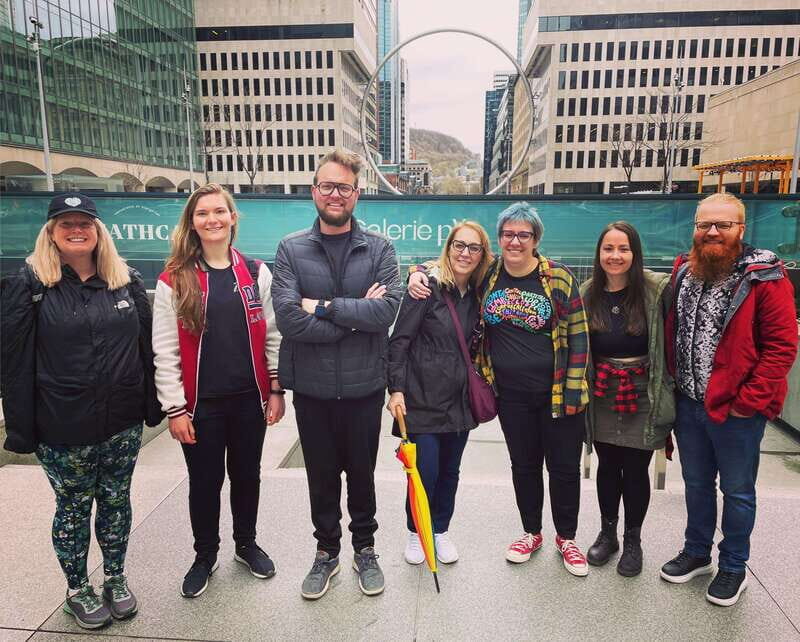
Montreal has a talent for turning weather into a design problem—and then solving it with infrastructure. This is where the underground city shines. Instead of treating winter as an obstacle, the tour uses the tunnels as your main route, so your day stays comfortable.
You’ll be walking, yes, but the rhythm is friendly: indoor connections for the big distance, then short outdoor moments so you still get sunlight when it makes sense. That balance is the whole point. If you’ve ever planned a winter day and ended up spending most of it cold and rushing between sights, you’ll appreciate the structure here.
And it’s not just about staying warm. The tour gives you the “why.” You’ll see how key downtown buildings connect, how people move, and how this underground system supports daily routines in a way that feels practical, not touristy. That’s especially valuable if you want more than a checklist.
Other RESO Underground City tours in Montreal



Starting at 1000 Rue de la Gauchetière Ouest: Getting Oriented Fast
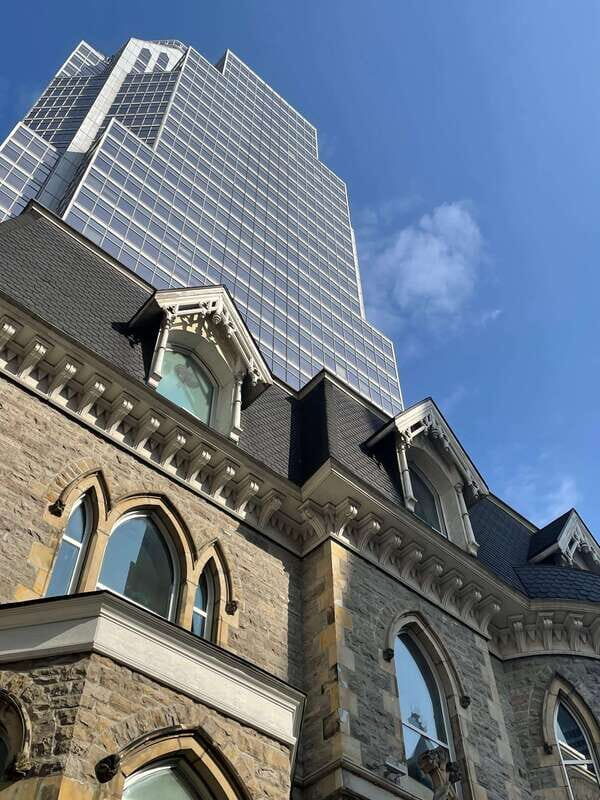
You meet in the main lobby of 1000 rue de la Gauchetière Ouest. The guide is easy to spot, waiting with a lanyard to identify them. There’s no hotel pickup, so plan to arrive a few minutes early and use the lobby time to reset before you head into the tunnels.
This meeting spot matters. It places you in the center of downtown, right where the underground routes and major transit connections start making sense. You’re not starting from the edge of the city, hoping you’ll “figure it out” later. You’re starting where walking routes become a system.
Once you’re grouped up, the guide sets the tone: short explanations as you move, and stop-by-stop context so you’re not just following signs. The small group size also helps. With a limit of 10 participants, the pacing can stay human.
Downtown Montreal on Foot and Underground for the Big 75 Minutes
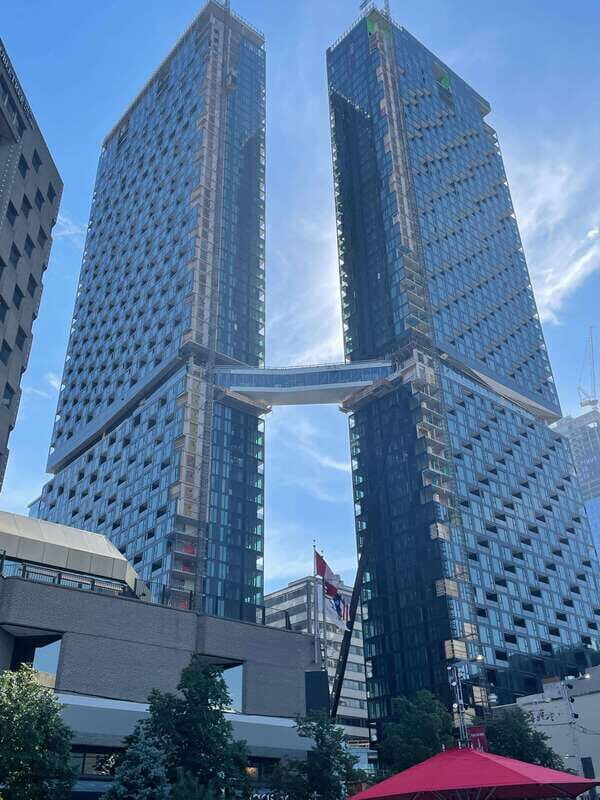
The core of the tour runs about 75 minutes through the downtown area, using the underground connections to move between important locations. This is where you’ll notice how much planning went into the “city inside the city.”
Here’s what you’ll experience during this main stretch:
- You’ll walk through tunnels that connect major buildings.
- You’ll see how underground spaces guide foot traffic while keeping you out of harsh wind and cold.
- You’ll get history and engineering context, which turns a hallway into a story.
What makes this valuable is the perspective shift. Many visitors think of underground passages as convenience only. On this tour, you’ll learn that they are also city planning—part transport, part shelter, part social space, and part architectural statement.
You’ll also do a bit of what I call sightseeing “in layers.” You’re underground for stretches, then you come out to view areas that sit above the tunnel network. Those outdoor micro-moments keep the tour from feeling like a long corridor with no payoff.
Place Ville Marie: A Downtown Anchor You’ll Understand Better After the Tour
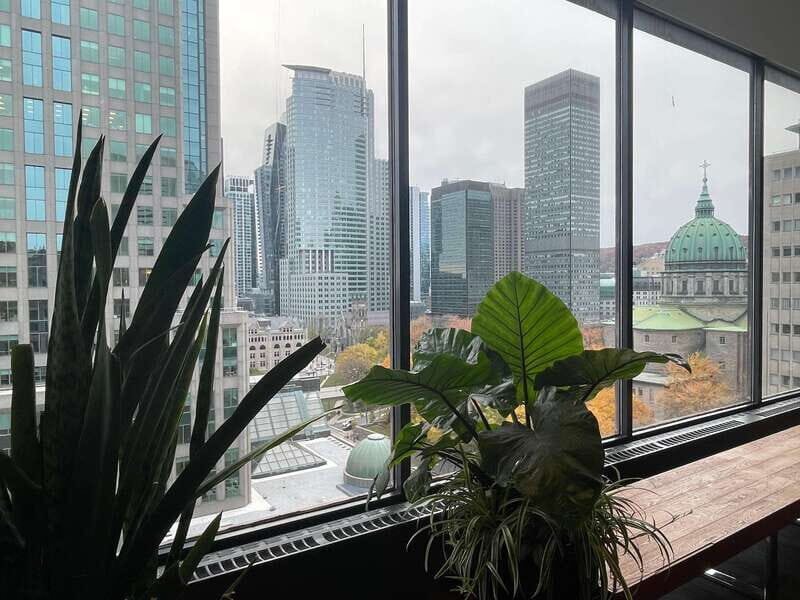
After the main indoor-and-outdoor movement, you’ll spend time at Place Ville Marie. This stop is short, but it’s useful because it anchors the downtown story.
Why it matters: once you understand how people flow through the tunnel network, places like Place Ville Marie stop being just a landmark building. They become part of a larger map—where commuters, shoppers, and visitors intersect. You’ll be able to connect what you see above ground with the routes you just walked below.
A short stop has a real benefit too. You’re not stuck at one location for a long time while the rest of downtown stays out of reach. The tour keeps moving, so you build understanding quickly.
Place des Arts: Culture Above the Tunnels
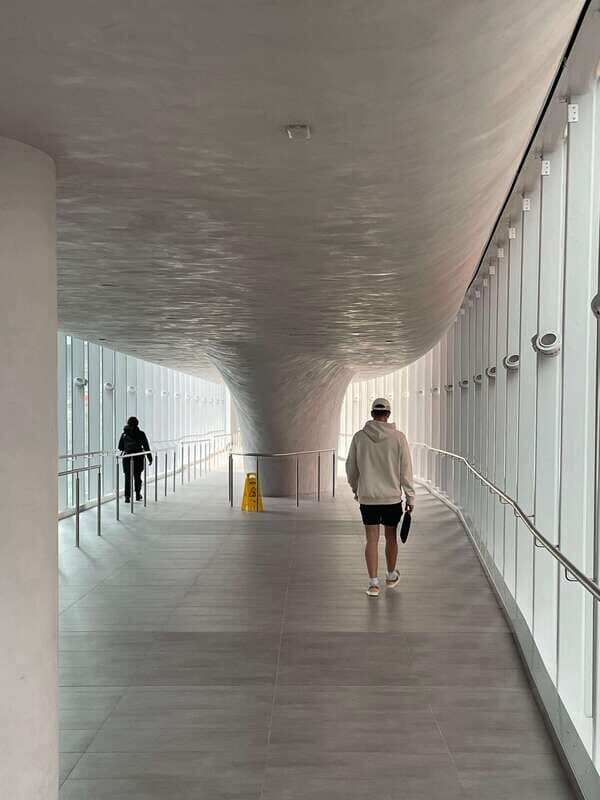
Next you’ll head to Place des Arts, again with a brief visit window. This is a great pairing with the underground portion. Culture institutions are one reason underground networks matter, because they sit inside a busy daily grid.
Even in a short visit, you can start noticing patterns:
- How downtown entertainment spaces connect to transit and pedestrian corridors
- How people gather in these areas and then disperse through the system
- How architectural choices above ground relate to movement below
If you’re the type who likes to understand how a city works—not just what it looks like—this stop will land. It gives you a cultural layer, while the tunnel portion gives you the infrastructure layer.
Other city tours we've reviewed in Montreal





The Métro Moment: Why This City’s Transit Feels Like a Site
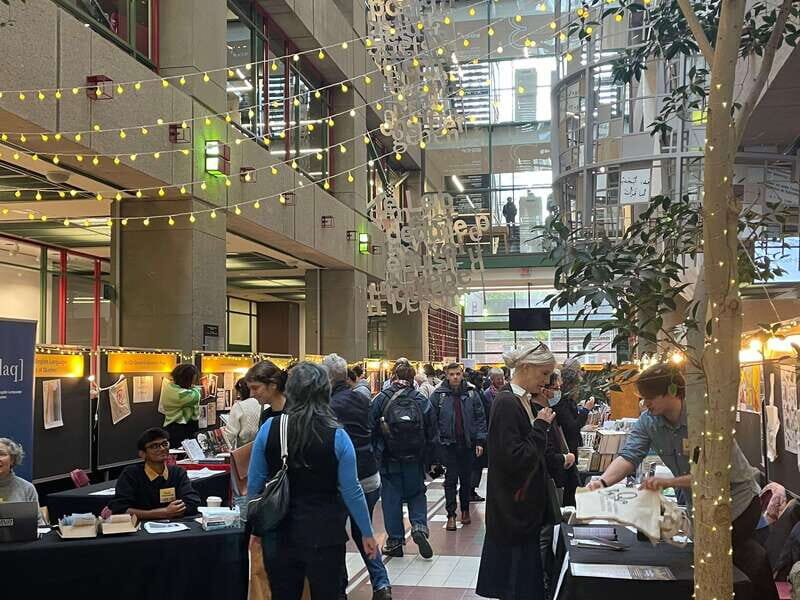
You’ll have a short Métro/subway segment during the tour. The Métro in Montreal is famous for its architecture and art collection, and this is your chance to experience that rather than just reading about it.
In practical terms, this is the part that helps you “learn the rhythm.” Underground tunnels show you the walking network; the Métro adds the rail layer. Together, they explain how people actually get around downtown.
And it’s also a nice pace change. After walking and stairs, a quick transit hop keeps your energy steady while still hitting the tour’s theme: city design.
Outdoor Breaks That Teach You What to Look For
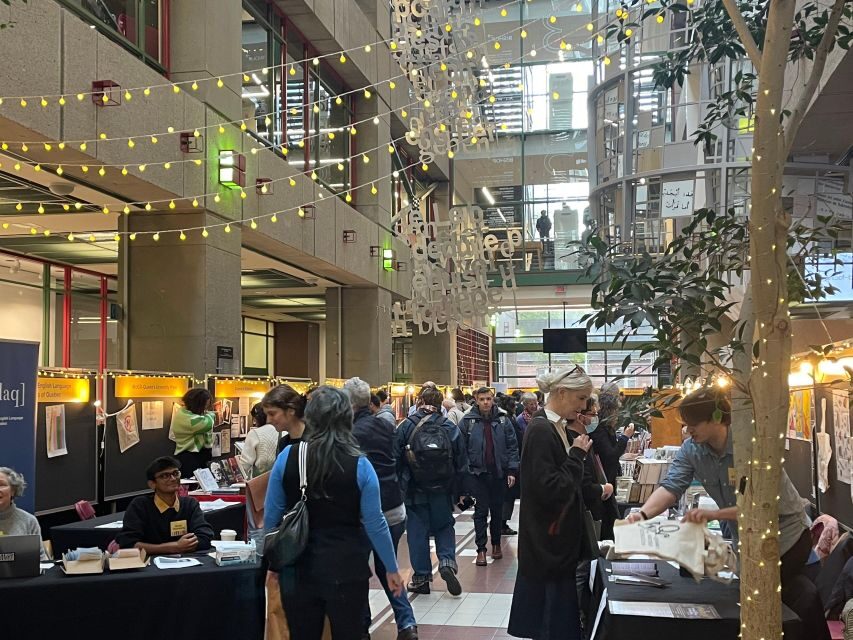
Between the big anchors, the route includes a couple additional outdoor visits (each around 10 minutes). The tour description points to things like hidden courtyards, centuries-old churches, and festival grounds.
I like these short outdoor breaks because they do two things:
- They prevent tunnel fatigue.
- They train your eye for what to notice when you explore on your own later.
Courtyards and church exteriors can be easy to miss if you’re rushing. A guided stop turns a quick look into something meaningful. Instead of just seeing a façade, you’ll understand why it’s located where it is and how it connects to surrounding downtown movement.
One more practical note: you’ll climb stairs and do lots of walking. Winter shelter makes the day more comfortable, but it doesn’t remove the physical effort. Wear shoes you trust.
Finish at Centre de commerce mondial: Your Base for the Rest of the Day
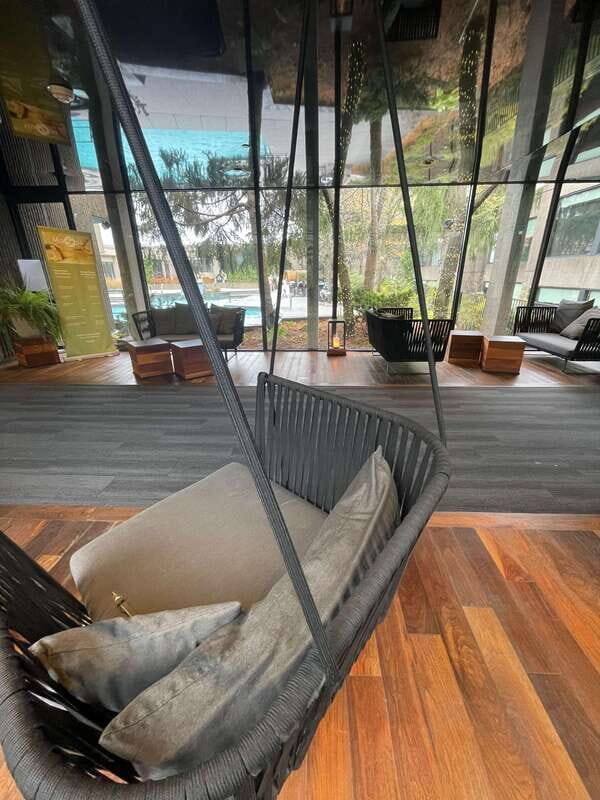
The tour wraps up at Centre de commerce mondial. This finish point is smart because it keeps you in the core of downtown rather than sending you back to the starting edge of your exploration.
Most importantly, you’ll leave with a transit ticket valid for all public transportation for 24 hours. That’s a big deal for value. You’re not just paying for a guided route; you’re also getting mobility for the rest of your day (and likely the next one).
Think of it like this: the tour gives you the map in your head. The transit ticket helps you act on that map immediately. After a guided overview of the underground connections, it’s easier to decide what you want to see next—without feeling stuck or spending time figuring out which line or station gets you closest.
Price and Value: Why $65 Can Be a Smart Winter Plan
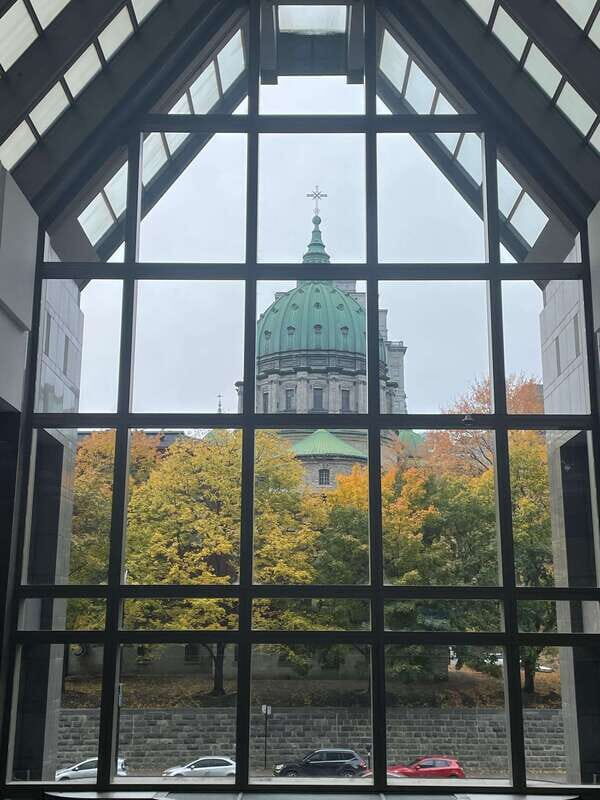
At $65 per person for about 2 hours, this isn’t a “cheap and short” filler tour. It’s priced like a guided experience with real logistics built in: a live guide, a small group, and a transit ticket included.
Here’s what makes it worth thinking about:
- You get a guided walkthrough of downtown connections, not just a tunnel walk.
- You learn the history and engineering angle, which makes sightseeing more memorable.
- The Métro segment adds another layer to the experience.
- The included 24-hour transit ticket extends your day. Even if you take just a couple rides afterward, that’s added value.
The only time I’d hesitate is if you’re trying to do a lot of attractions in one day and you hate walking on principle. But if you like structure, architecture, and learning how a city runs—especially in winter—this tends to be a solid spend.
Who This Tour Fits Best (and Who Should Skip It)
This tour fits best if you:
- Want a winter-friendly way to see downtown without freezing
- Like architecture, transit, and how city planning connects spaces
- Enjoy guided pacing and short stops that help you build a real mental map
- Want help navigating both underground routes and the Métro
It’s not the right choice if you:
- Have mobility impairments or use a wheelchair (it’s not suitable)
- Prefer minimal walking or stair-free tours
If you’re unsure, ask yourself this: do you enjoy active sightseeing? If the answer is yes, you’ll likely have a great time. If the answer is no, consider another style of tour.
Practical Tips So You Get the Most Out of the Day
A few things can make or break the experience:
- Wear good walking shoes. You’ll be on your feet a lot.
- Expect stairs even though the tour is winter-friendly.
- Bring a warm layer. Inside can still be cool, and you’ll step outdoors briefly.
- If you like to photograph, do it during the short outdoor stops. Indoors you’ll still see plenty, but lighting can vary.
- Use your transit ticket the same day or soon after. The tour gives you context that makes it easier to navigate.
Also, keep your expectations tuned to the format. This isn’t a slow museum tour. It’s a guided movement through downtown layers, with brief stops that build understanding fast.
Should You Book This Underground City and Downtown Tour?
I’d book it if you’re visiting Montreal in winter and you want a guided introduction that actually helps you move around afterward. The underground city theme is practical, and the mix of tunnels, downtown landmarks, and a Métro segment turns a sheltered walk into something educational.
I’d skip it if you’re not comfortable with walking and stairs, or if you want a purely relaxed, no-steps experience. In that case, you’d likely feel stressed instead of inspired.
If you do book, go in with a simple goal: learn the downtown “layers” so you can explore confidently after the tour ends.
FAQ
How long is the tour?
The tour is listed at 2 hours.
How much does it cost?
It costs $65 per person.
Where does the tour start?
The meeting point is the main lobby of 1000 rue de la Gauchetière Ouest.
Where does the tour end?
The tour finishes at Centre de commerce mondial.
Is the tour offered in English?
Yes, it’s a live tour guide in English.
Is a transit ticket included?
Yes. You receive a transit ticket valid for all public transportation for the next 24 hours.
Will I be walking a lot?
Yes. The tour covers a lot of ground, including many stairs and lots of walking.
Is the tour suitable for wheelchair users or people with mobility impairments?
No, it is not suitable for people with mobility impairments or for wheelchair users.
Can I cancel for a refund?
You can cancel up to 24 hours in advance for a full refund.