REVIEW · MONTREAL
Montreal: The Original Locally Owned Street Art Walking Tour
Book on GetYourGuide →Operated by Spade & Palacio Non-Touristy Tours · Bookable on GetYourGuide
Street art makes more sense when someone points things out. This Montreal walking tour takes you through Saint-Laurent Boulevard murals and the Main that splits east from west, plus time tied into the MURAL Festival. It’s a focused way to read the city’s public art scene without getting lost in it.
I especially like the small-group format. With a cap of 10 people, you actually hear the stories, get good sightlines for pictures, and have room for questions—something you’ll notice if your guide is someone like Chris, Gabriela, Mel, Rodrigo, or Pascoal, all of whom come up in the guide line-up and are praised for making the art feel personal.
One thing to consider: this is outdoors and you’ll do a moderate amount of walking, including street-and-alley surfaces. If you’re sensitive to weather or prefer lots of sitting time, plan accordingly.
In This Review
- Key Things You Should Know
- Saint-Laurent and the Main: Reading Montreal’s Street Art Like a Map
- Meeting at 3526 Saint-Laurent: Finding Your Guide Without Stress
- Two Hours, Ten People, One Clear Goal: The Pace You’ll Feel
- The First 20 Minutes: How the Guide Teaches You to Look
- Saint-Laurent Boulevard Murals: Local Meets International (and Why That Matters)
- Zigzags, Alleys, and the Real Street-Level View
- MURAL Festival Time: 105 Minutes of Public Art Energy With a Guide
- Park of Portugal Finish: Leaving With a Plan, Not Just Photos
- Price at $32: Why This Feels Like Smart Value
- Who This Tour Is Best For (and Who Might Want Something Else)
- What to Expect From the Guides You Might Meet
- Should You Book This Montreal Street Art Walking Tour?
- FAQ
- How long is the Montreal street art walking tour?
- What’s the price per person?
- Where do I meet the guide?
- Is the tour easy to reach with public transportation?
- What language is the tour in?
- How many people are in the group?
- Is it wheelchair accessible?
Key Things You Should Know
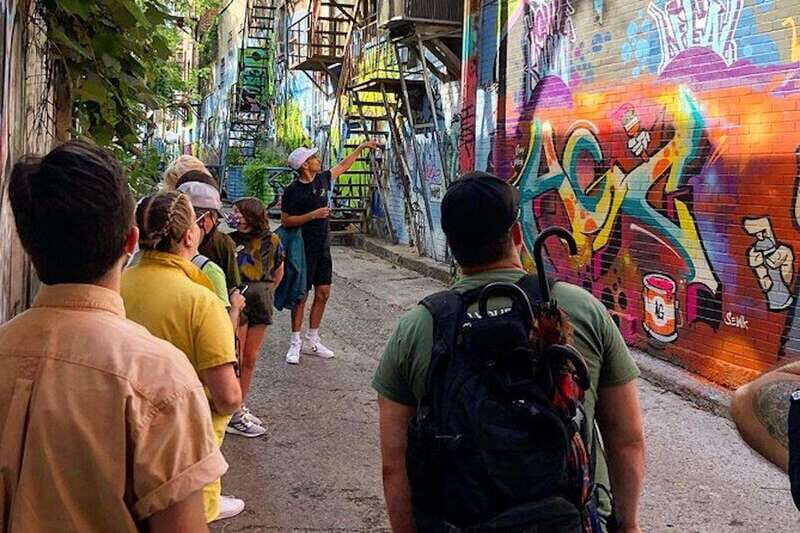
- Small group (max 10) means more attention per person and a calmer pace.
- You’ll walk the east-west split on the Main while seeing mural art on Saint-Laurent Boulevard.
- The tour includes both local and international artists, from tiny details to huge walls.
- A big chunk of time is spent at the MURAL Festival (105 minutes guided).
- You finish at Park of Portugal, and you’ll leave with a personal recommendations list for food and bars.
Saint-Laurent and the Main: Reading Montreal’s Street Art Like a Map
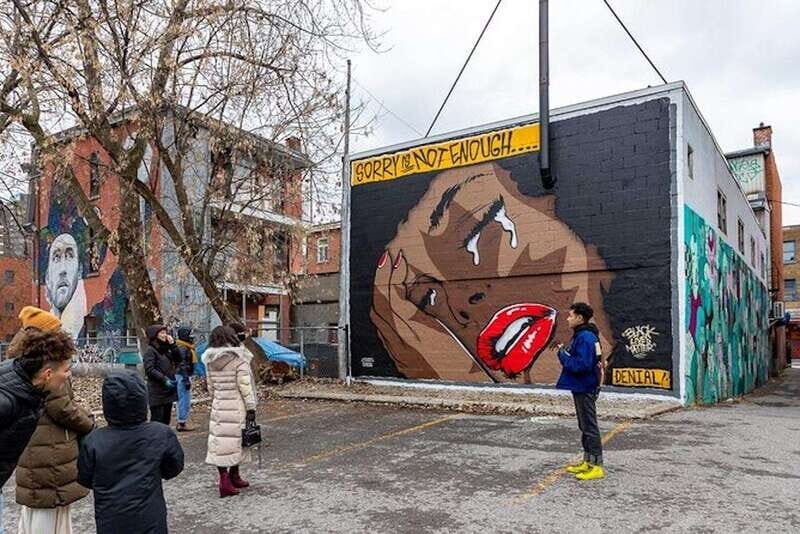
Montreal mural culture isn’t random decoration. It’s tied to geography, neighborhoods, and who’s making the work. This tour is built around two main anchors: Saint-Laurent Boulevard and the Main, which divides Montreal’s east and west. When you see those corridors on foot, the city starts to explain itself.
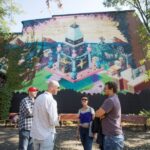
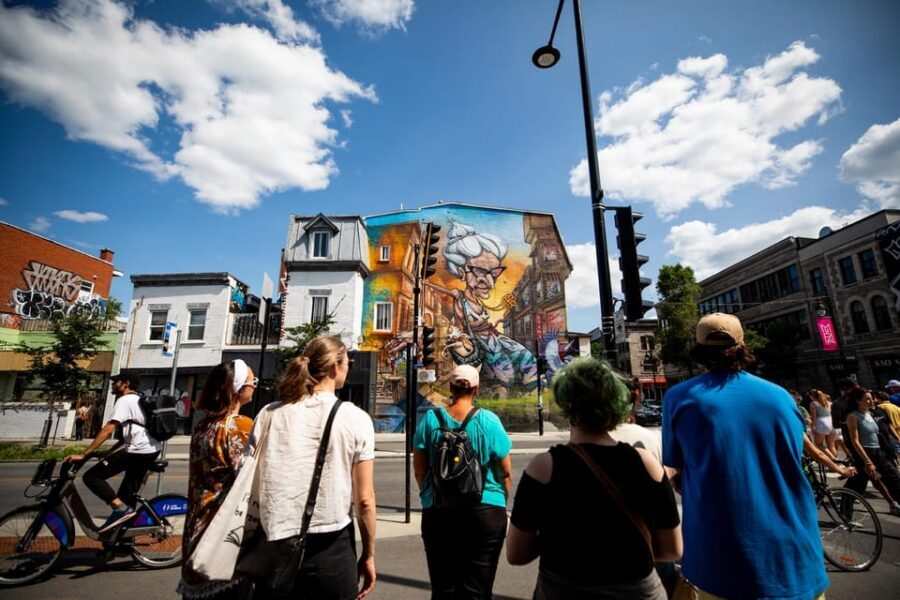
Saint-Laurent is the kind of street where art can feel like part of daily life, not a museum exhibit. You’ll encounter works that range from small installations your guide can point out clearly to massive murals that can feel like they’ve swallowed whole building faces. That scale shift matters. It changes what you notice—from lettering and wheat-paste style pieces up close to composition choices you only catch when you step back.
And the Main dividing line gives context. It helps you understand why the art scene can feel different block to block, even when the style is street-level and familiar. You’re not just collecting photos—you’re learning how people use public space to tell stories and signal identity.
Other mural & street art tours in Montreal


Meeting at 3526 Saint-Laurent: Finding Your Guide Without Stress
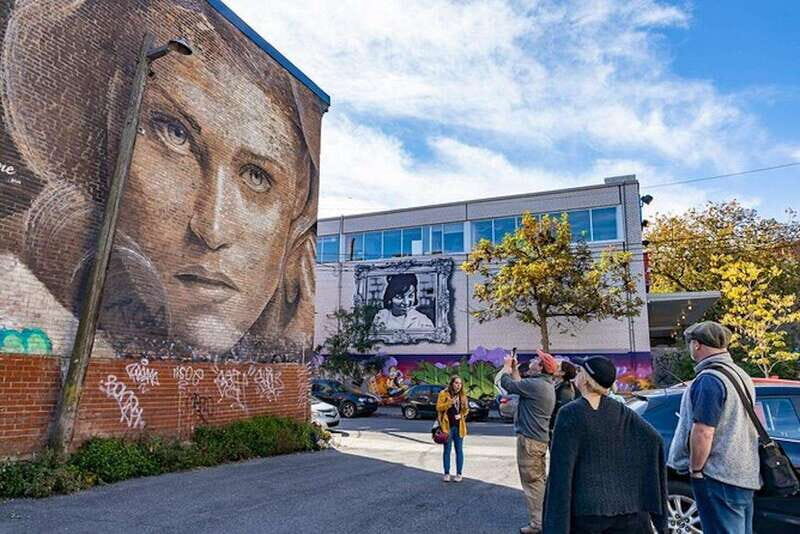
Your start is simple, but details matter in a city where addresses are everywhere. You meet at 3526 Boul. Saint-Laurent, right outside on the street next to a Red Fire Hydrant. Don’t ring a door or try to go inside the building. Just look for your guide outside.
The meeting point is also described as about a ten-minute walk up the hill from Saint-Laurent Metro Station. If you’re taking the bus, grab the 55 bus north and get off at rue Prince-Arthur, then walk back toward the address for about two minutes.
There’s an extra sanity check built in: the guidance says that across the street you should see an Irish pub. Your guide should be there about 10 minutes early, so you’re not stuck waiting in the cold with no plan.
Two Hours, Ten People, One Clear Goal: The Pace You’ll Feel
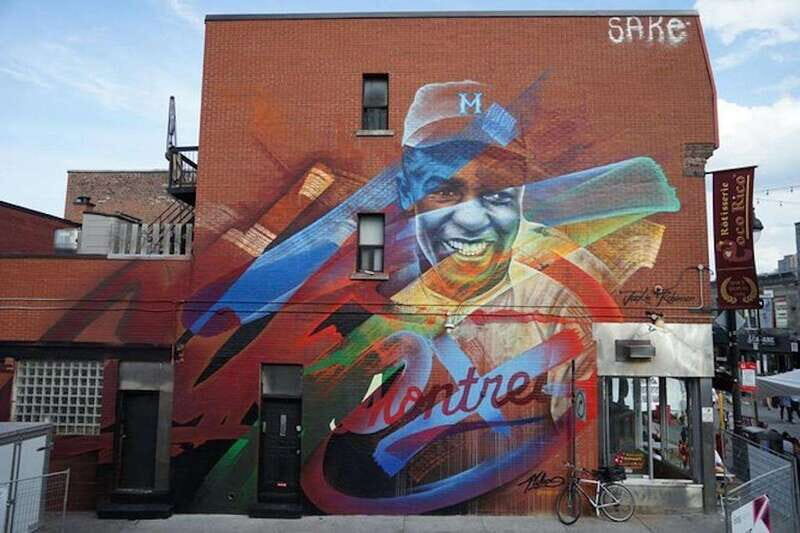
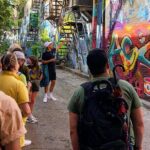
This is a 2-hour walking tour with a maximum of 10 participants. That small size isn’t just about comfort; it changes how the experience works. You’re not standing shoulder-to-shoulder while your guide talks into the air. You’ll get time to take pictures, view murals properly, and hear the meaning behind what you’re looking at.
The walking is described as moderate. That means you’re outside, moving between stops, and you should expect uneven city surfaces at street level. It’s also marked wheelchair accessible, stroller accessible, and with surfaces wheelchair accessible, so you’re not stuck only if mobility needs are specific—but you still should treat it as a walking tour, not a bus ride.
Another detail that matters: the guide-led segments are broken into multiple short guided portions plus a long festival block. The effect is that you’re not staring at one mural for two hours straight. You’ll keep moving, keep resetting your eyes, and keep getting context.
The First 20 Minutes: How the Guide Teaches You to Look
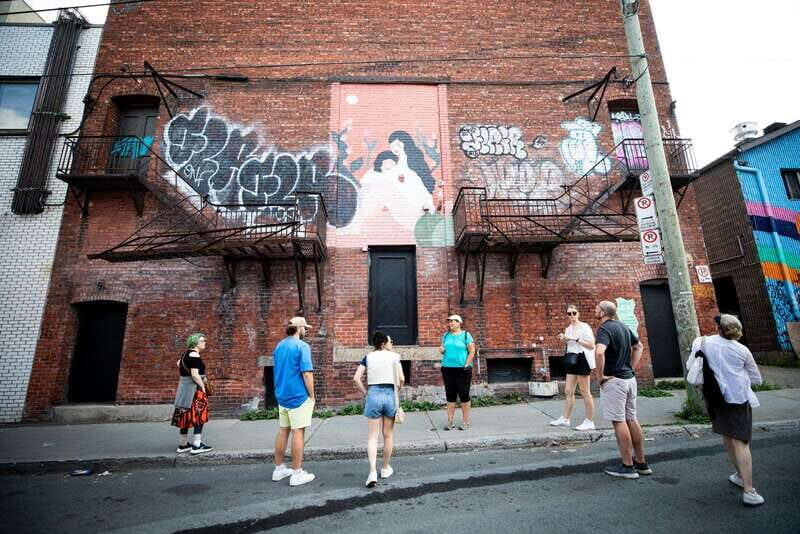
Right away, you get a guided start—two segments of about 10 minutes each. Those early minutes matter because street art can look obvious until you learn what to notice.
Expect your guide to set the language of the neighborhood. You’ll be shown how to read techniques and scale: the difference between small installations you can miss if you’re not paying attention versus the bigger pieces that change how you see an entire block. This is where wheat paste style work often becomes more than a visual—it becomes a method, with reasons behind it.
You’ll also get the tour’s stance right up front. This isn’t about following street-art stereotypes or just collecting images. The goal is to understand the public art scene—who makes these pieces, how they’re shaped by the city, and how meaning shifts depending on where the work appears.
If you like having a framework before you start wandering, this first chunk is a good fit.
Saint-Laurent Boulevard Murals: Local Meets International (and Why That Matters)
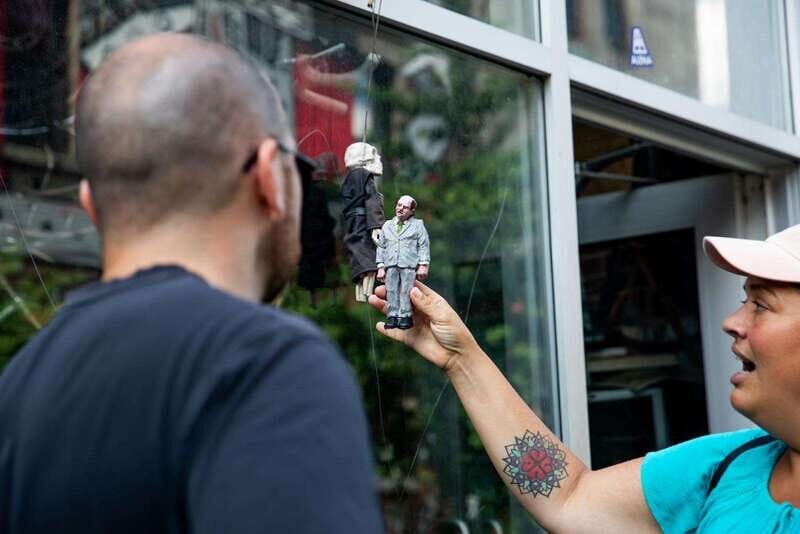
After the early orientation, the tour moves into a longer sightseeing stretch of about 1 hour. This is where Saint-Laurent Boulevard starts to feel like an outdoor gallery.
The work isn’t limited to one style or one origin. You’ll see murals created by local and international artists. That mix is useful for your brain. It shows you how Montreal absorbs influences while still keeping a distinct voice. You’ll notice that the techniques can vary, but the public-art logic stays similar: art belongs on walls because it’s meant to be seen in real life, not just online.
Your guide will also connect the dots to the broader mural and graffiti world. From the supplied info, you should expect discussion of techniques and meaning—so you’re not only learning what the artwork looks like, but why it was made and what it’s saying.
One practical upside of this design: even if you’re not an expert on street art, you’ll leave knowing what questions to ask. Is this piece talking about space, identity, politics, community, or memory? Your guide’s job is to make those answers feel reachable, not intimidating.
Other walking tours we've reviewed in Montreal





Zigzags, Alleys, and the Real Street-Level View
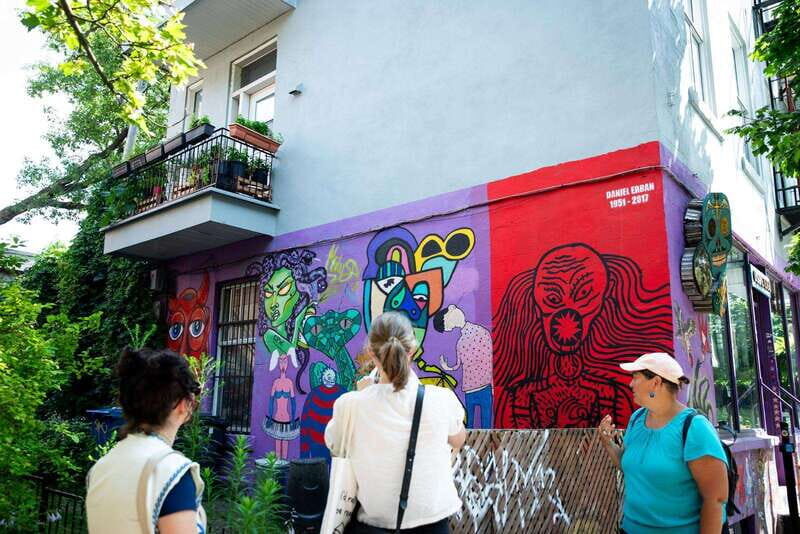
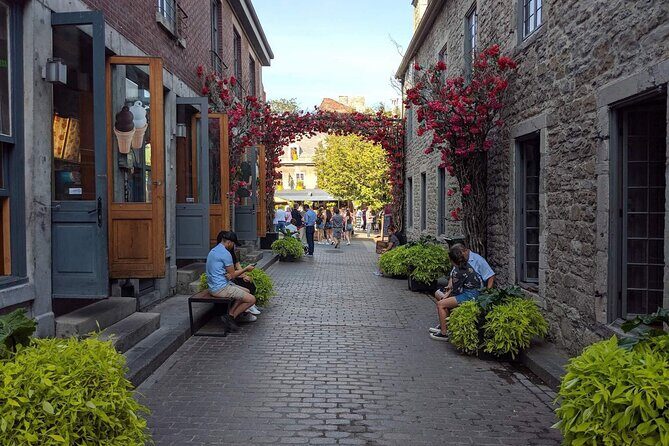
Between bigger stops, the tour is described as a zigzag walk through streets and alleys, which is the right approach for murals. If you stick to main sidewalks only, you miss the layers that make Montreal feel like an art city rather than a city with art.
This is also where your guide’s local instincts show up. You’ll be pointed toward pieces that aren’t always obvious from far away. And because you’re moving, you get different viewing angles—especially important for large murals. Scale changes perception. A mural that looks like a flat image from one angle can read like a story with depth from another.
This is a good tour if you want to see more than what a single Google Maps pin can show you. But it also means you’ll be outside and watching your footing at times. Comfortable shoes matter.
MURAL Festival Time: 105 Minutes of Public Art Energy With a Guide
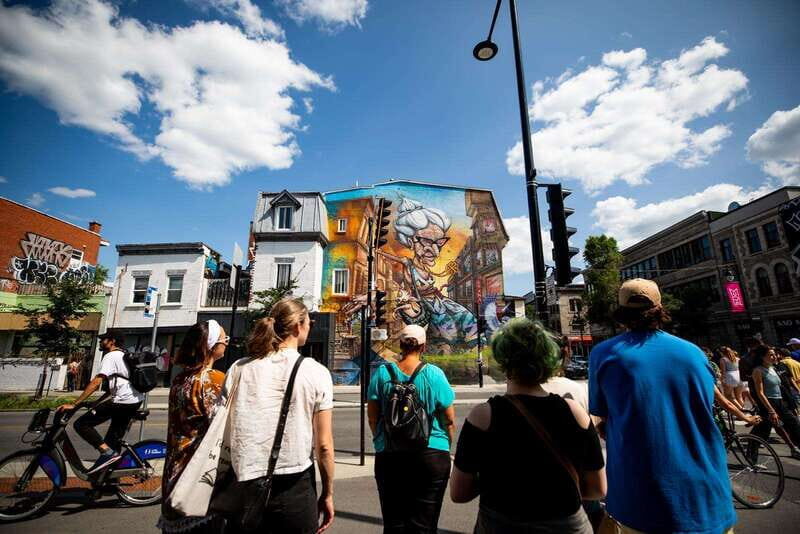
The tour includes a major guided block tied to the MURAL Festival, with 105 minutes of guided time. That’s not a small add-on. It’s the heart of the experience.
Why that’s valuable: festivals tend to make public art easier to notice and harder to ignore. But they can also feel hectic if you’re on your own. Having a guide during the festival portion helps you focus. Instead of wandering and hoping you land on the best walls, you follow someone who knows what to look for and how to connect works to the wider scene.
The tour is also described as the only tour associated to the MURAL festival. Whether you care about that detail or not, the point for you is simple: you’re not just passing by festival-related art casually. You’re spending real time in it with context.
From the information shared, you can also expect techniques and meaning to come back around here—especially for larger works, since the tour covers everything from small installations to murals that can reach up to 10 storeys tall. That scale makes festival time feel dramatic in a way you can’t recreate after the fact.
Park of Portugal Finish: Leaving With a Plan, Not Just Photos
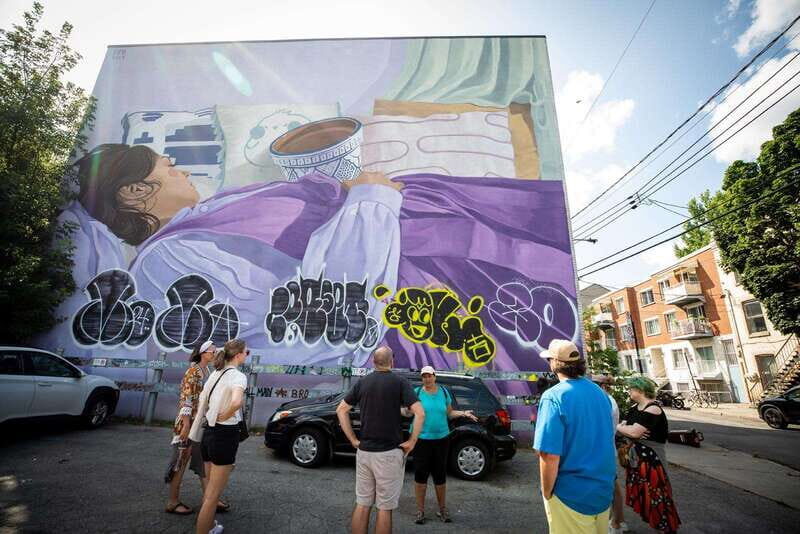
The tour ends at Park of Portugal. Finishing in a park area is a nice practical choice: it gives you a place to reset before your next activity.
More importantly, you leave with a list of personal recommendations. The tour is set up to help you keep the day going—especially for food and drinks, which come up in the guide feedback. You’ll also be in a better mood to explore because you’ve already learned the neighborhood’s art “accent.” That makes it easier to spot what you want to return to.
If you like the idea of turning a two-hour guided experience into a longer self-guided walk, this finish point and recommendation list are part of the value—not just an end location.
Price at $32: Why This Feels Like Smart Value
At $32 per person for a 2-hour small-group tour with a local guide and a recommendation list, the value is mainly about attention and context.
Street art is everywhere in Montreal, but seeing it and understanding it are different things. You can take your own photos, sure. But a guided story connects the dots across artists, techniques, and the city’s public-art culture. When your guide is engaging and sets a comfortable walking pace, you get more out of your time.
The small group also matters here. Ten people max means the guide’s time doesn’t get diluted. If you’ve ever done tours where you’re stuck listening from ten feet away, you’ll appreciate why this format helps.
And because the tour includes the festival block, your money also buys guided time during a period when finding context on your own can be tricky.
Who This Tour Is Best For (and Who Might Want Something Else)
This tour is a strong match if you:
- Love street art but want meaning behind the murals, not just visuals
- Want to understand why Montreal has such a dense concentration of artists and public artworks
- Prefer small groups and a guide who tells stories
- Like mixing local flavor with international influences in the same walk
It might be less ideal if:
- You’re not comfortable with moderate walking and outdoor time
- You mainly want indoor, low-movement experiences
- You’d rather do a purely historical museum-style tour instead of following the art across streets and alleyways
What to Expect From the Guides You Might Meet
Across the guide feedback, a clear theme is how guides turn walls into stories. Names like Chris, Gabriela, Mel, Rodrigo, and Pascoal show up in the guide list, and the consistent praise is about engagement, humor, and making room for questions.
That matters for you because street art can be interpretive. A good guide gives you the starting points—technique, artist background, and the reason the piece belongs on that wall. Then you can keep noticing details after the tour ends.
Should You Book This Montreal Street Art Walking Tour?
If you want a smart, street-level way to understand Montreal murals, I think this is an easy yes. The combination of Saint-Laurent Boulevard, the Main east-west divide, and a guided block at the MURAL Festival gives you both everyday public art and a more concentrated dose of the current mural moment.
Book it if you like the idea of learning techniques and meaning while walking at a pace that doesn’t rush your eyes. You’ll also appreciate that you’re guided by a small team rather than managing a big crowd.
Skip it only if moderate walking outdoors is a deal-breaker for you, or if you want something fully indoor and quiet.
FAQ
How long is the Montreal street art walking tour?
It runs for about 2 hours.
What’s the price per person?
The price is $32 per person.
Where do I meet the guide?
You meet at 3526 Boul. Saint-Laurent, outside on the street next to a Red Fire Hydrant. Do not ring or try to go inside.
Is the tour easy to reach with public transportation?
Yes. It’s near public transportation. The guidance says it’s about a ten-minute walk up the hill from Saint-Laurent Metro Station, and you can also take the 55 bus north and get off at rue Prince-Arthur.
What language is the tour in?
The tour guide offers it in English.
How many people are in the group?
The tour is a small group limited to a maximum of 10 participants.
Is it wheelchair accessible?
Yes. The tour is listed as wheelchair accessible, stroller accessible, and with surfaces described as wheelchair accessible.