REVIEW · MONTREAL
Montreal: Guided Walking Tour of Montreal’s Murals
Book on GetYourGuide →Operated by Guidatour · Bookable on GetYourGuide
Street art tells Montreal’s real story. On this 2-hour walk, I liked how the guide spotlights murals you might miss and turns them into clear, local explanations (guides like Sarah and Maryse earned strong praise for being friendly and professional). I also liked the concrete artist moments, including works associated with Phillip Adams and David Guinn, plus photo-friendly stops around the Mural Festival Zone and the Entertainment District. One thing to plan for: it runs rain or shine, so bring weather-smarts and expect a lot of outdoor walking.
You’ll meet in front of the Maison du développement durable and spend your time mostly around St-Laurent Boulevard, with detours into nearby streets and alleys that help the city feel like an open-air museum. If you’re shopping for something different than a typical museum visit, this is a fast, low-commitment way to read Montreal’s wall art like culture, not just decoration.
In This Review
- Key things you’ll notice on this Montreal murals walk
- Why a mural tour beats wandering Montreal on your own
- Meeting at Maison du développement durable and getting your route right
- St-Laurent Boulevard murals and the detour-friendly “open-air museum” feel
- The Mural Festival Zone: why the name matters
- Toward the Entertainment District: Phillip Adams and David Guinn moments
- How Montreal muralism evolved, from propaganda to neighborhood identity
- What the 2-hour format gets right (and what to manage)
- Price and value: what $25 buys you in Montreal street art time
- Who this mural walk is best for
- Rain, shoes, and practical tips for a smooth walk
- Should you book this Montreal murals walking tour
- FAQ
- How long is the Montreal mural walking tour?
- How much does the tour cost?
- Where do I meet the guide?
- Does the tour include pickup from my hotel?
- What languages are available for the guide?
- Does the tour run in bad weather?
- Is it offered as a private tour or small group?
- What should I bring?
- Is the tour suitable for wheelchair users or mobility impairments?
Key things you’ll notice on this Montreal murals walk
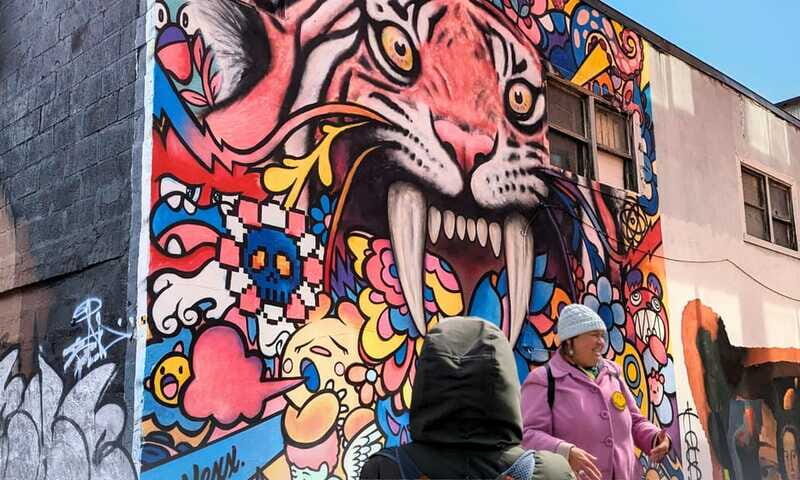
- Guides in French or English make it easy to follow the art stories, not just look at them.
- St-Laurent Boulevard focus with side streets and alleys, so you see more than a single “mural strip.”
- Artist background + technique cues, so murals make more sense when you’re looking closely.
- Mural Festival Zone stop, tied to an event that helped make street art feel more democratic.
- Phillip Adams and David Guinn pieces show up near the route’s southern pull toward the Entertainment District.
- Photo stops built into the route, with plenty of chances to snap pictures along the way.
Why a mural tour beats wandering Montreal on your own
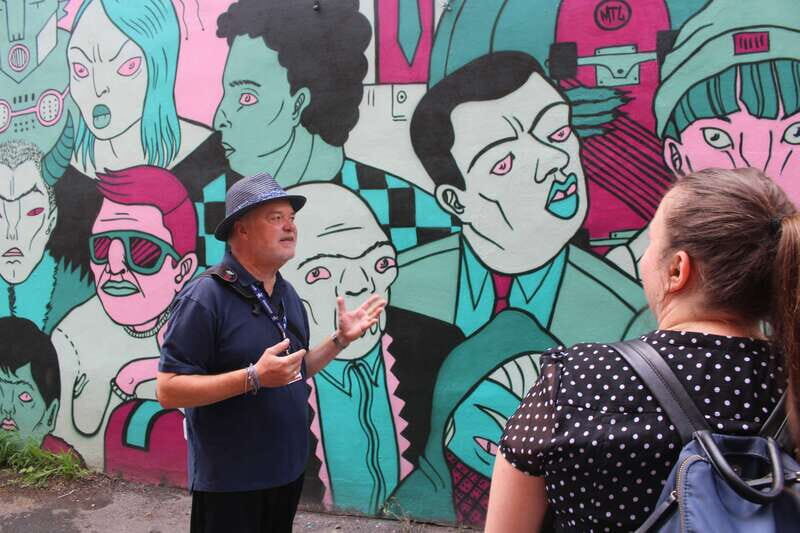
A self-guided stroll can be fun, but a guided route gives you something walking alone usually won’t: context you can actually use while you look. On this tour, the guide explains where muralism in Montreal came from and how it changed over time, so the city’s walls start to feel connected instead of random.
I also like how this tour isn’t just a “look at the art” loop. The conversation connects themes like popular subject matter and national propaganda to what appeared later, and that turns murals into part of Montreal’s cultural storyline—especially when you’re walking right through the neighborhoods where this stuff still shapes the street-level vibe.
And at $25 per person for about two hours, you’re paying for interpretation plus a clear walking path, not just the privilege of standing near painted walls. For a short trip, that’s a pretty solid deal.
Other mural & street art tours in Montreal

Meeting at Maison du développement durable and getting your route right
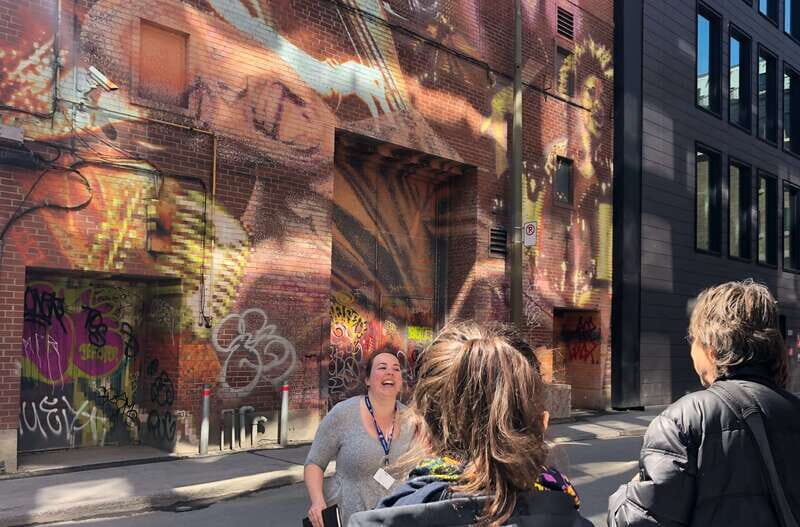
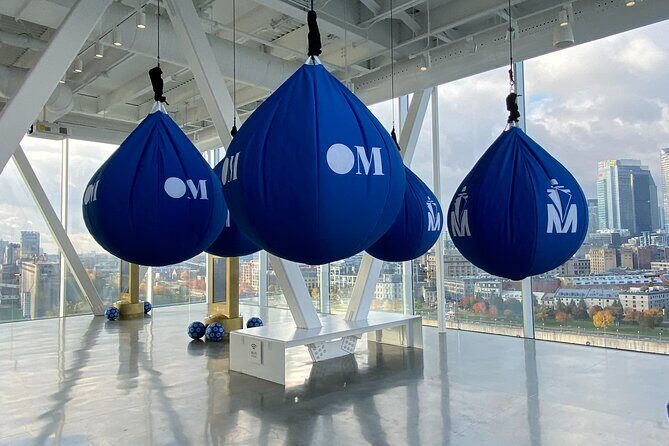
You’ll meet in front of the Maison du développement durable building. That’s a practical anchor point: you can find it, orient fast, and start walking without wasting time.
The tour is set up for an easy pace, but it is still a walking tour. You’ll want comfortable shoes, because you’re going to be on sidewalks and uneven areas for the full 2 hours—and it goes rain or shine, meaning you should dress like you expect weather to happen.
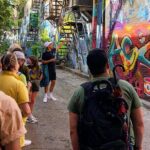
If you’re the type who likes to ask questions mid-walk, this format works well. Live guides are there to connect what you’re seeing to the bigger mural movement story, and the group structure (private or small groups) makes it easier to keep that conversation going.
St-Laurent Boulevard murals and the detour-friendly “open-air museum” feel
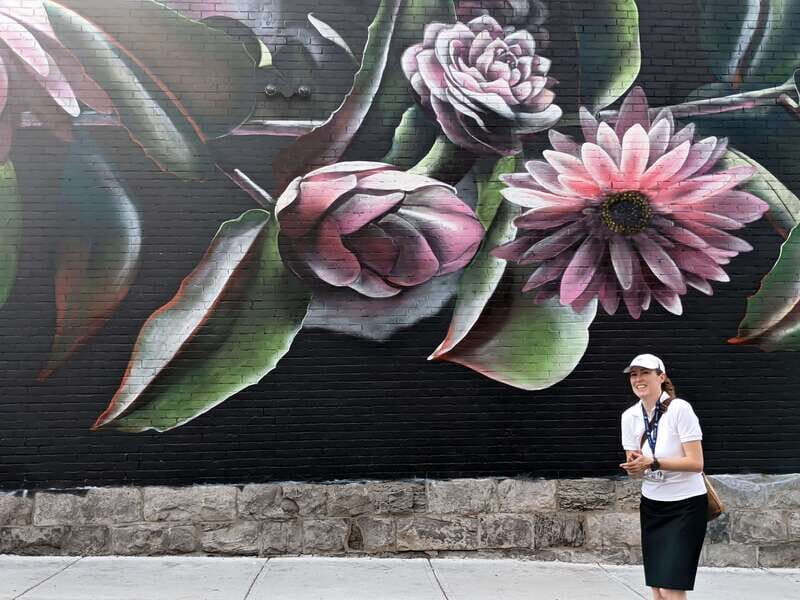
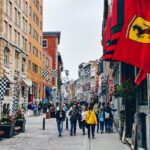
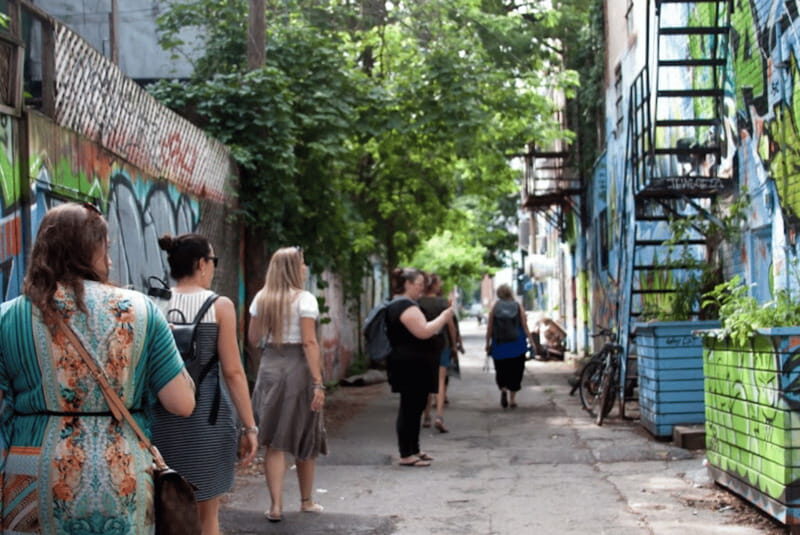
The route is mainly around St-Laurent Boulevard, but the best part is that it doesn’t feel like you’re being marched down a single strip. You’ll take intriguing detours into surrounding streets and alleys, and those side streets matter. They give you more angles, less repeating scenery, and more chances to spot work that would be easy to overlook if you were only scanning from the main drag.
This is also where the tour’s street-art education starts to click. The guide discusses how muralism grew out of earlier popular themes and national propaganda, then connects the story to how Montreal developed this form more strongly in later decades—particularly in the 1970s. As you walk, you’re not only seeing what’s on the walls now; you’re also learning why those styles and subjects took root here.
One thing I’d keep in mind: murals change. Even when specific pieces are well-known, street art is living, so the value isn’t only in checking off named works. The real win is learning how to “read” what you’re looking at as you go.
The Mural Festival Zone: why the name matters
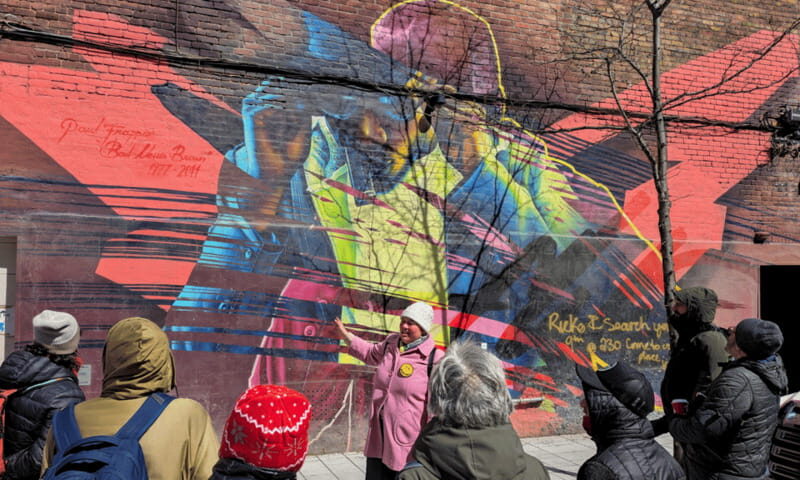
A highlight stop is the Mural Festival Zone, named after an event that played a key role in democratizing urban art. That detail isn’t trivia—it changes how you interpret the space.
If you’re used to street art being treated like a temporary oddity, this stop reframes it. The tour explains how the mural festival helped legitimize the art form and brought it into a wider public conversation, and that makes the murals feel less like random paint jobs and more like part of a community rhythm.
You’ll also get a strong photo opportunity here. Even if you’re not a super serious photographer, this is the kind of area where the composition works and the colors hold up well in daylight. Plan on taking a few minutes to just stand and look—your guide’s context helps you spot details you’d otherwise blow past.
Toward the Entertainment District: Phillip Adams and David Guinn moments
After the festival zone, the walk heads south toward the heart of the Entertainment District. This is where you’ll encounter pieces tied to street artists including Phillip Adams and David Guinn.
What makes this part worthwhile is that you’re not only seeing names. The tour’s explanations help you connect the artwork to subject matter and technique choices. One review specifically called out the use of different techniques, and that’s exactly what changes your experience: you start recognizing that style and method communicate ideas, not just color.
If you like art that feels human—work that reads like it’s responding to the city rather than decorating it—this area tends to land well. You’re also still in a walking format, so you can compare murals across the route rather than treating each stop like a separate event.
Other walking tours we've reviewed in Montreal





How Montreal muralism evolved, from propaganda to neighborhood identity
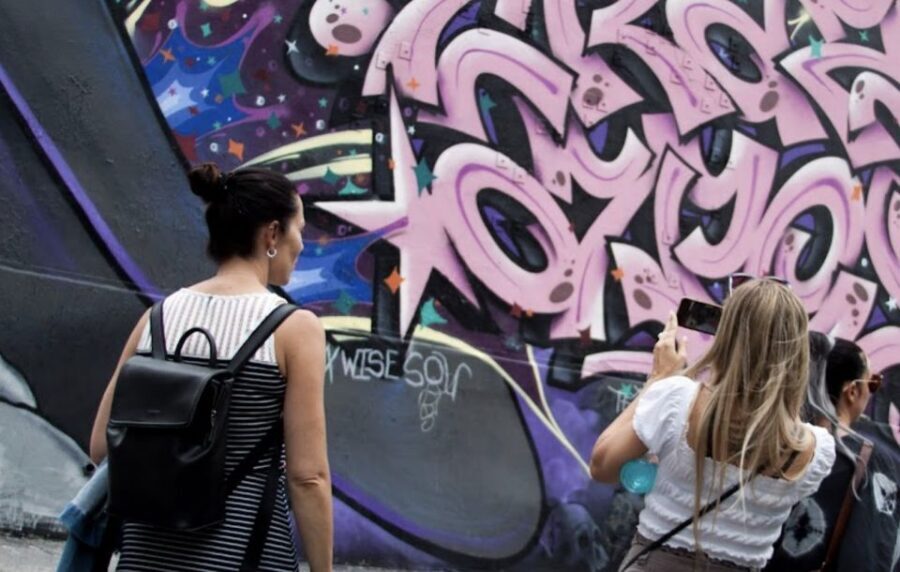
The guide spends real time on the evolution of muralism, and that’s the backbone of the tour. You’ll hear about how muralism began around popular themes and national propaganda, then how Montreal developed the form more visibly in the 1970s.
Here’s why that storytelling matters for you on the sidewalk: it helps you stop asking the wrong question. Instead of wondering who painted what first, you start asking what the mural is trying to say to the community—and how those messages shifted as Montreal’s cultural identity shifted.
The tour also tracks how the muralist movement grew to become significant to Montreal culture. That “significant” part is important. You’re not just watching people paint walls; you’re watching a city build a visual language that residents can recognize and that visitors can learn quickly.
This is also where a good guide makes the experience. Reviews praised guides for clear explanations and historical context. In practice, that means you’ll leave with a better sense of why these murals exist where they do, not just what they look like.
What the 2-hour format gets right (and what to manage)
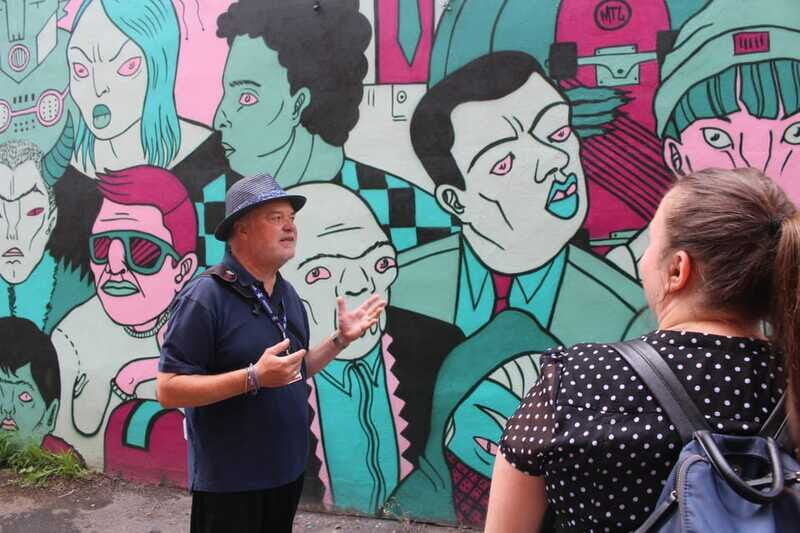
Two hours is a sweet spot for a walking tour. Long enough to feel like you got a real arc—early roots, key neighborhoods, and a deeper meaning—without burning your whole day.
Still, the tour is a paced walk. It’s not set up like a “show-and-tell” museum where you can step away often. If you prefer to sit, linger, or take lots of long pauses, you might feel a bit rushed during the transitions. The good news: the route includes detours and multiple photo moments, so you’re not just watching your guide point in one direction.
Also, this one is outdoors all the way. If weather is harsh—cold rain, heavy wind—you’ll want to have a plan: layers, a hat if needed, and shoes that handle slick sidewalks.
Price and value: what $25 buys you in Montreal street art time
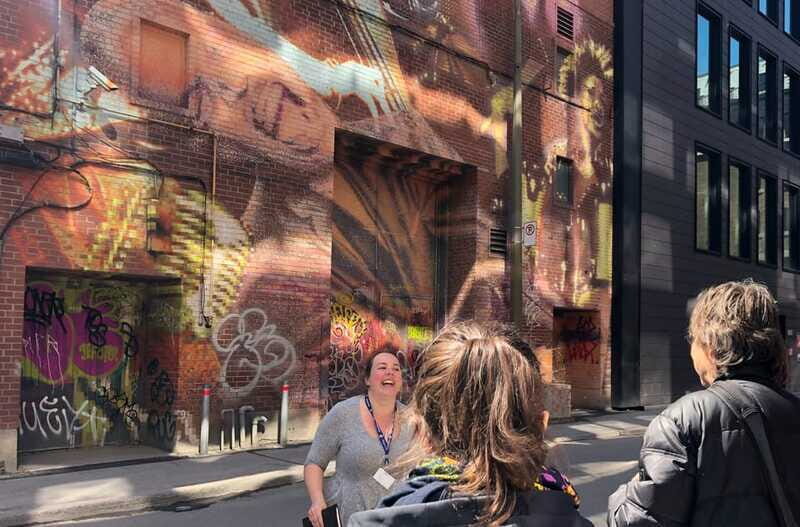
At $25 per person for about 2 hours, you’re paying for three things: guided navigation, live interpretation, and a route designed to hit key zones. If you tried to do this alone without context, you’d likely spend time searching and still miss the “why.”
The value gets better if you like learning while you walk. The guide highlights the artists and collectives behind the art, and that helps you connect individual murals to the bigger muralist movement. One review highlighted how background information on artists and subjects made the visit feel more meaningful, and that’s the core reason this price feels fair.
It’s also good value compared with tours that cost much more but stay generic. Here, you get a focused area—St-Laurent Boulevard plus nearby streets, then the festival zone and the Entertainment District—so you’re not paying for empty time.
Who this mural walk is best for
This tour fits well if you:
- Enjoy street art but want context so it doesn’t feel random.
- Like city culture that blends art, politics, and local identity.
- Want a short, efficient guided way to see multiple mural-heavy areas.
It may not fit as well if you:
- Want a fully seated, low-walking experience.
- Need accessibility accommodations, since it’s not suitable for people with mobility impairments or wheelchair users.
- Are expecting a quiet gallery tone. This is an outdoor, street-level experience.
If you speak English or French, the guide availability in both languages is a big plus, especially if you want the explanations to land clearly without translation lag.
Rain, shoes, and practical tips for a smooth walk
Because it runs rain or shine, I’d treat this like any Montreal street tour: dress for weather, not comfort alone. A light rain can still be manageable, but you’ll want a jacket you don’t mind getting damp and shoes with enough traction.
Bring comfortable shoes, since you’re on your feet for the full 2-hour route. Also, consider bringing a small umbrella or rain shell depending on the forecast. If it’s warm, hydration matters too, since you’ll be walking rather than stopping inside frequently.
And if you’re the type who likes to take photos, keep your phone charged and expect that some murals will look best at certain angles. The guide’s route through alleys helps with that, but you’ll still want a few minutes to frame your shots.
Should you book this Montreal murals walking tour
Book it if you want a guided way to understand Montreal street art as culture, not just street décor. The route hits the areas you care about—St-Laurent Boulevard, the Mural Festival Zone, and the Entertainment District—and the guide’s explanation of how muralism grew, especially around the 1970s, helps everything connect.
Skip it if you can’t handle outdoor walking or need wheelchair-friendly accessibility, since this tour isn’t suitable for that. Also, if you only want to look and don’t care about stories, you may find a self-guided walk more your speed.
If you’re visiting for a short time and want the city to make sense fast, this is a strong choice.
FAQ
How long is the Montreal mural walking tour?
It lasts about 2 hours.
How much does the tour cost?
The price is $25 per person.
Where do I meet the guide?
Meet in front of the Maison du développement durable building.
Does the tour include pickup from my hotel?
No, hotel pickup and drop-off are not included.
What languages are available for the guide?
The tour is available with French- or English-speaking guides.
Does the tour run in bad weather?
Yes, the tour takes place rain or shine.
Is it offered as a private tour or small group?
Yes, private or small groups are available.
What should I bring?
Wear comfortable shoes for walking.
Is the tour suitable for wheelchair users or mobility impairments?
No, it is not suitable for people with mobility impairments or wheelchair users.