REVIEW · MONTREAL
The Original Montreal Mural Arts Tour by Spade & Palacio
Book on Viator →Operated by Spade & Palacio Tours · Bookable on Viator
Street art in Montreal has a backstory.
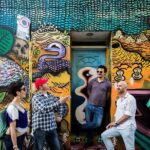
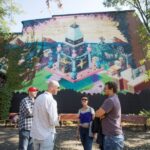
The Original Montreal Mural Arts Tour by Spade & Palacio is a 2-hour walk that connects wall-to-wall art on Saint-Laurent Boulevard with the techniques and meanings you’d likely miss on your own. I especially love the small-group setup (max 10), which makes it easy to ask questions and keep up with a guide’s pace.
For the price of $30.10, I also like that you get more than photos of murals. You’re guided by a local specialist, then sent off with a recommendations list for food and drinks so the tour keeps paying off after you leave the last wall behind.
The main tradeoff is simple: it’s moderate walking in a zigzag through streets and alleys, and it depends on good weather. If you’re not comfortable walking for about two hours, this may feel long.
In This Review
- Key things I’d bet on
- Why Saint-Laurent Boulevard Is the Perfect Street-Art Classroom
- Price and What You’re Really Buying for $30.10
- The Walking Plan: Plateau Mont-Royal First, Then the Big Boulevard
- Stop 1: Plateau Mont-Royal Back Streets and Alleys (45 minutes)
- Stop 2: The Leonard Cohen Mural (10 minutes)
- Stop 3: Saint-Laurent Boulevard, the East-West Divider That Became One Stage
- What Makes the Guides Matter Here (Marie, Chris, Gabriela, Mel, Rod)
- Small-Group Format: Why Max 10 People Feels Different
- What You’ll Do Before and After the Tour
- Timing, Weather, and How to Dress for the Walk
- Should You Book the Original Montreal Mural Arts Tour?
- FAQ
- How long is the Montreal mural arts tour?
- What language is the tour offered in?
- How large is the group?
- Where does the tour start and end?
- Is hotel pickup included?
- Is the tour only for good weather?
Key things I’d bet on
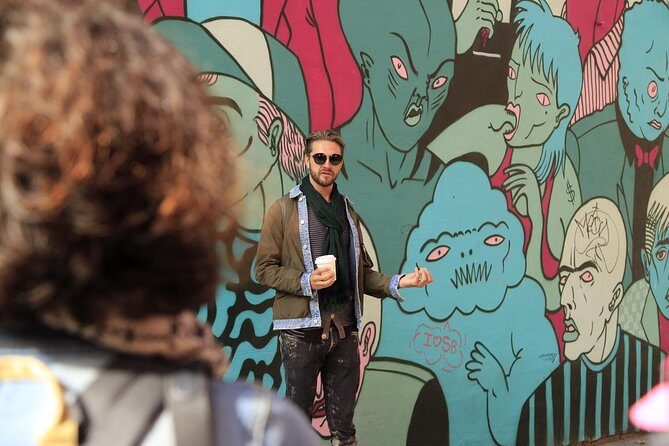
- Saint-Laurent Boulevard as Montreal’s street-art corridor: you walk the line that shaped the city’s east and west culture
- Plateau Mont-Royal backstreets first: alley and neighborhood walls set the tone before the big boulevard
- A clear highlight: the Leonard Cohen mural: one major piece in the middle of the route
- Small group size (max 10): you get attention, not a herd effect
- Local and international artists, from wheat pastes to towering murals: lots of styles in one outing
Why Saint-Laurent Boulevard Is the Perfect Street-Art Classroom
Saint-Laurent Boulevard isn’t just a busy Montreal street. It became a dividing line between the east and west sides early on, and over time it turned into a meeting point for communities moving into the city. That mix shows up in the walls.
This is why the mural tour works: you’re not just chasing art. You’re walking a corridor where immigration, public space, and identity have been braided together for decades, and the mural scene grew along with that. The big idea is that street art here is a living conversation, not a static decoration.
Other mural & street art tours in Montreal
Price and What You’re Really Buying for $30.10
$30.10 for about two hours is a fair deal for Montreal, especially because the tour is structured. You’re paying for a guide who points out what’s going on in the artwork—technique, meaning, and the cultural/political context—rather than spending that time trying to decode it yourself.
Also, the tour is limited to 10 people, which is part of why it’s good value. When a guide can actually see who has questions, the information feels sharper, and the route stays manageable. That matters on this particular walk, since the path zigzags through back streets and alleys.
And you get a bonus: a list of personal recommendations after the tour. That turns the experience into something useful for the rest of your trip, not just two hours of sightseeing.
The Walking Plan: Plateau Mont-Royal First, Then the Big Boulevard
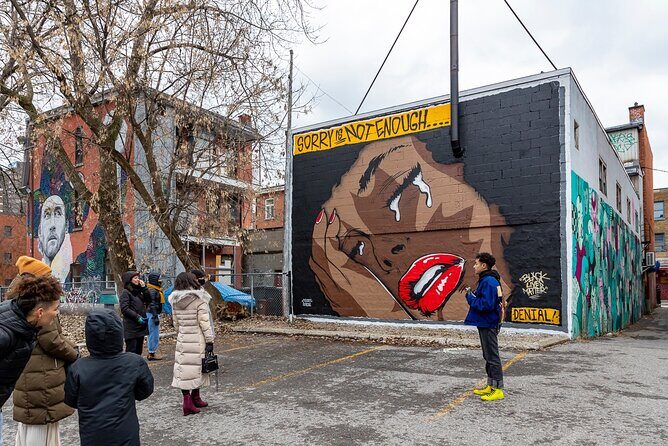
The route is built like a story with chapters. You start in Plateau Mont-Royal, then you move toward Saint-Laurent Boulevard, where the mural density and visual scale increase.
You should expect a moderate amount of walking, and you’ll be on your feet the whole time. The pace is light enough for most people, but it’s still a real walking tour, not a sit-and-stare museum session.
You also end near the Park of Portugal area (around Rue Marie-Anne). That’s handy because it puts you near more restaurants, bars, and neighborhood atmosphere for continuing your evening.
Stop 1: Plateau Mont-Royal Back Streets and Alleys (45 minutes)
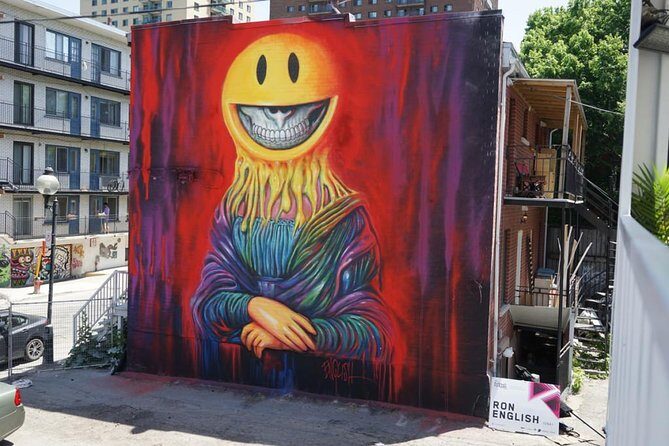
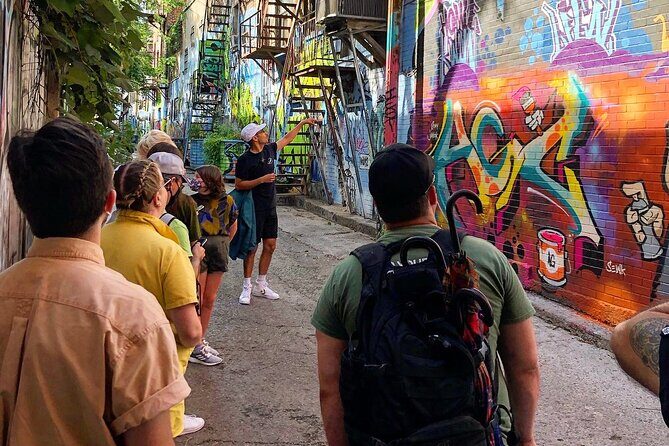
This opening stretch is about getting your eyes ready. In Plateau Mont-Royal, you’re shown art that isn’t always obvious from a main sidewalk. The guide takes you through neighborhood lanes and alleyways where street art can be small, layered, or tucked into a spot you’d normally pass without noticing.
This first stop matters because it teaches you the language of the street. You start seeing patterns: how artists build messages through placement, how techniques differ, and how the street art community uses walls as communication. If you’re the type who likes to notice details on your own afterward, this is the part that trains you fast.
A practical tip: wear shoes you can walk in for a full two hours. This early alley time sets the tone, so you’ll want comfort from the first block.
Stop 2: The Leonard Cohen Mural (10 minutes)
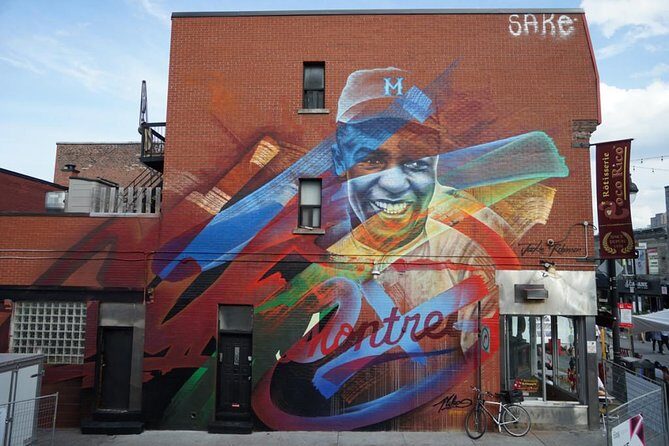
Then you hit a major landmark: the Leonard Cohen mural. It’s a short stop by design, and that’s not a weakness. A quick hit on one big, recognizable name helps anchor the rest of the walk. From there, your brain has a reference point for the scale and storytelling Montreal street art can carry.
In a route like this, that kind of anchor is useful because it balances the smaller works you saw at the start. The tour isn’t only about wall-hugging details, and it isn’t only about huge pieces either. It’s a mix, and this is one of the moments that makes the mix feel intentional.
If you’re a Cohen fan, you’ll likely appreciate how the mural scene intersects with Montreal’s wider cultural identity. If you’re not, the main value is still context: how murals can act like public memory.

Stop 3: Saint-Laurent Boulevard, the East-West Divider That Became One Stage
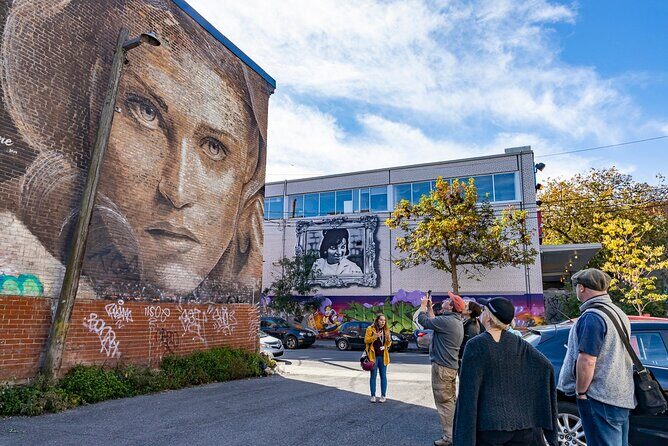
The longest segment is the boulevard walk—about an hour. This is where the tour becomes unmistakably about the city itself.
You’ll walk Saint-Laurent Boulevard, which has seen waves of immigration bringing people together—an idea the tour ties directly to what you’re seeing on walls. The guide connects that history to the street art you encounter along the corridor, including local and international artists.
This is also where you’re likely to notice variety in both size and technique. The tour description points to street styles like wheat pastes and other well-known forms you’d often hear about but might not spot correctly without guidance. And because the area is tied to Montreal’s mural festival culture, you’re not just seeing one moment in time. You’re seeing a scene that keeps generating new work.
What Makes the Guides Matter Here (Marie, Chris, Gabriela, Mel, Rod)
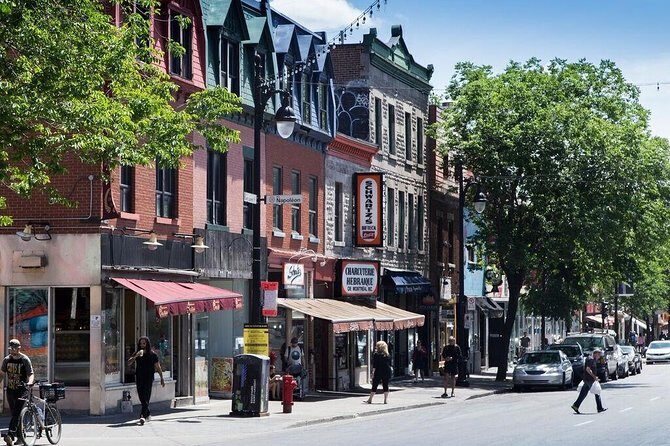
The standout pattern from the tour’s feedback is that the guide can make the artwork click. Names that come up often include Marie, Chris, Gabriela, Mel, and Rod, each credited for enthusiasm and for sharing stories that turn murals into something you can interpret.
In practical terms, that usually means three things you should look for while you’re on the walk:
- The guide explains how a technique changes the message
- The guide connects the mural to neighborhood context, not just the artist’s biography
- The guide points out small details you would likely miss if you were just taking pictures
This tour leans hard into meaning. If you like street art mainly as decoration, you might still enjoy it. But if you like stories behind street-level art, the guide role becomes the product.
Small-Group Format: Why Max 10 People Feels Different
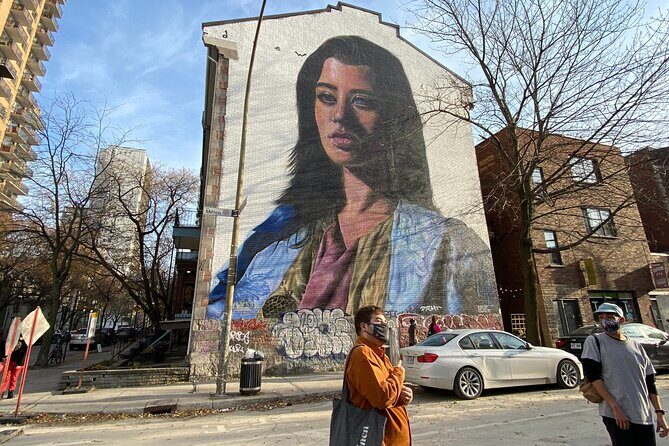
Max 10 is a big deal on a walking tour. It means the group isn’t constantly stretching and snapping back together, and your guide can keep track of the pace and questions.
That format also makes the zigzag walk through streets and alleys more comfortable. In bigger groups, alley turns can feel hectic and you miss the explanation while you’re trying not to get left behind. Here, it’s set up so the guide can stop, point, and talk without losing half the group.
And because it’s a guided experience in English, the explanations stay clear. That matters most when the tour is interpreting the work, not just describing colors.
What You’ll Do Before and After the Tour
The tour includes a recommended list of places to eat and drink, and the idea is that the neighborhood doesn’t stop at the last mural. You can keep exploring after the walking portion ends, especially in the areas around where you finish.
So I’d plan your day like this:
- Do the mural tour earlier in your trip to “train your eyes”
- Then use the guide’s recommendations to choose your next meal nearby
If you’re the type who enjoys wandering anyway, this is even better. The tour gives you a map for what to look for on your own next.
Timing, Weather, and How to Dress for the Walk
This experience runs on good weather. That’s not just small-print fine print; murals are outdoors, and the route involves alley walks and uneven sidewalks you’ll want to manage comfortably.
Aim for comfortable layers and shoes. It’s Montreal, so conditions can shift fast. If rain or cold is in the forecast, check your schedule early and keep your expectations flexible.
Also, service animals are allowed, and the tour is near public transportation. That’s helpful if you’d rather avoid taxis and just hop on the metro then walk a short final stretch.
Should You Book the Original Montreal Mural Arts Tour?
If you want street art with context, this tour makes sense. The mix of Plateau Mont-Royal back streets, the quick Leonard Cohen mural stop, and the longer Saint-Laurent Boulevard walk gives you variety in scale and message. The small-group size is a genuine quality upgrade at this price point, not just a marketing detail.
You should think twice only if two-hour walking sounds unpleasant for you, or if weather risk makes you nervous. Otherwise, this is a smart way to see why Montreal treats street art like an outdoor public conversation you can read—one wall at a time.
FAQ
How long is the Montreal mural arts tour?
It runs for about 2 hours.
What language is the tour offered in?
The tour is offered in English.
How large is the group?
The maximum group size is 10 travelers.
Where does the tour start and end?
It starts at 3526 Boul. Saint-Laurent, Montréal, QC H2X 2V1, Canada and ends near Park of Portugal on Rue Marie-Anne, Montréal, QC H2W 1Z8, Canada.
Is hotel pickup included?
No. Hotel pickup and drop-off are not included.
Is the tour only for good weather?
Yes. This experience requires good weather, and if it’s canceled due to poor weather you’ll be offered a different date or a full refund.