REVIEW · MONTREAL
Rabbis, Writers and Radicals: Montreal Jewish History Walking Tour
Book on Viator →Operated by Museum of Jewish Montreal · Bookable on Viator
Jewish Montreal hides in plain sight. This walking tour in the Plateau and Mile End connects rabbis, writers, and radicals to real streets and community life. You get a local guide who helps turn Montreal’s everyday scenery into something with context and meaning.
I love the focus on how ideas and people shaped Jewish life in the city, not just dates in a timeline. I also like the small-group feel (up to 20 people), which makes it easier to ask questions and keep the pace human. One thing to consider: it’s a history talk on foot, so if you want lots of hands-on museum-style artifacts along the way, you might prefer adding a self-guided museum stop after.
In This Review
- Key Highlights You’ll Actually Feel on This Walk
- What This Montreal Jewish History Walk Is Really About
- Where You Start, Where You End, and Why It Matters
- Museum hours if you want to extend your visit
- The Route: How the Story Builds Over Two Hours
- 1) Getting your bearings in the Plateau and Mile End
- 2) Ashkenazi settlement and what remains visible
- 3) The law and the political temperature (padlock laws and anti-Zionist Jews)
- 4) Writers, debate, and the power of words
- 5) Wrapping up near the museum so you can keep going
- The Guides: Small Group Energy, Clear Answers
- Pace, Fitness, and How the Walk Feels in Real Life
- Price and Value: Is $24.03 a Good Deal?
- Who This Tour Fits Best (and Who Might Want Another Option)
- Practical Tips Before You Go
- Should You Book Rabbis, Writers and Radicals in Montreal?
- FAQ
- How long is the Rabbis, Writers and Radicals walking tour?
- What does the tour cost?
- Is the tour offered in English?
- What group size should I expect?
- What’s included in the price?
- Is hotel pickup or drop-off included?
- Where do I meet the tour?
- Where does the tour end?
- Are service animals allowed?
- When will I receive confirmation after booking?
- Can I get a full refund if I cancel?
- Are the museum exhibitions open the day I’m going?
Key Highlights You’ll Actually Feel on This Walk
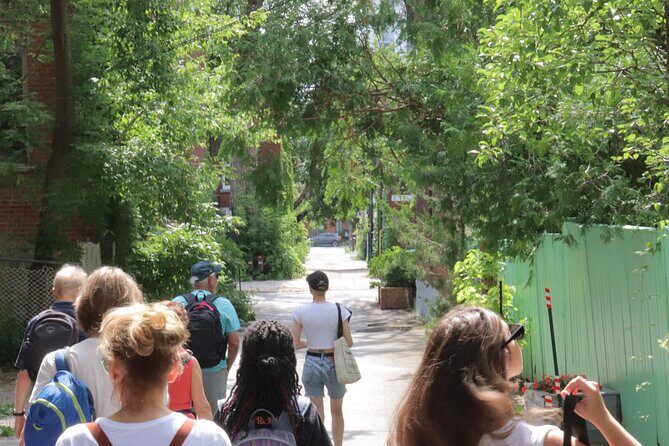
- Rabbis, writers, and radicals theme ties the streets to movements and debates
- Small group size (max 20) keeps the tour from feeling like a herd
- English-only format, with the guide adjusting for people who need clarity
- About 2 hours of steady walking with time for questions
- Family friendly pace for mixed groups, including people who need to pause
What This Montreal Jewish History Walk Is Really About
This tour is built around a simple idea: Jewish life in Montreal wasn’t only religious. It also included printing presses, political arguments, and activists who pushed back. The route covers parts of the Plateau and Mile End neighborhoods where the community’s imprint shaped everyday street life.
The title hints at the balance you’ll get. Rabbis bring the religious thread. Writers connect to words, publishing, and public conversation. Radicals point you toward the political side—people organizing, protesting, and challenging power. Put together, it’s a way to understand Montreal without treating Jewish history as a side note.
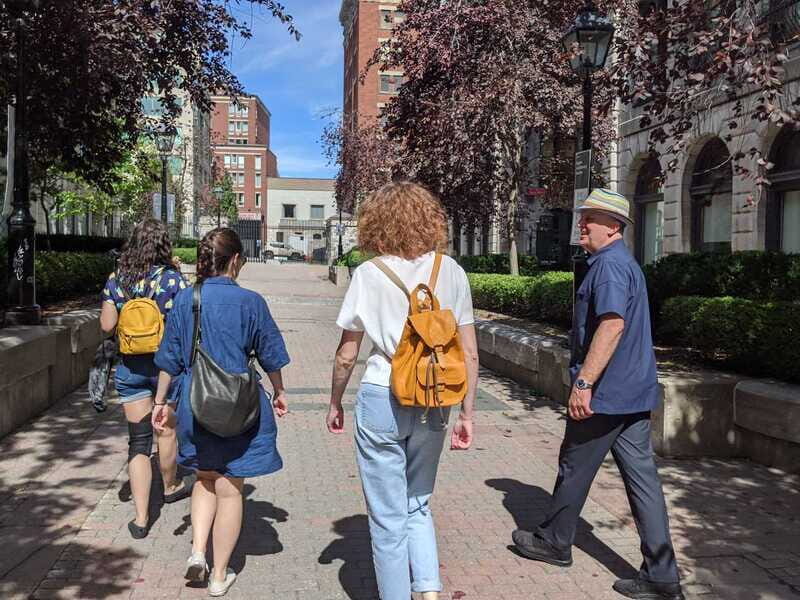
And because it’s a walking tour, you’re not stuck inside a lecture hall. You’re outside, looking at the neighborhood as it is now, while the guide shows you what it meant when Jewish institutions and immigrant life were growing here.
Other Jewish history & food tours in Montreal



Where You Start, Where You End, and Why It Matters
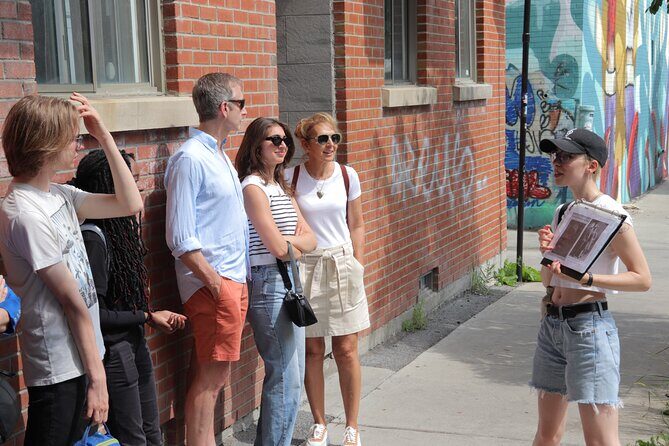
You’ll meet at 4129 Boul. Saint-Laurent. The tour ends near the museum area at 5220 Boul. Saint-Laurent, but the important detail is that the walk begins and ends at different locations around the Plateau and Mile End—not right at the museum building itself.
That’s not just fine print. It affects your planning. The tour is designed so you’re moving through the streets where the story unfolded, then finishing where you can keep going with the museum if you want.
Museum hours if you want to extend your visit
The Museum of Jewish Montreal at 5220 St-Laurent has public exhibitions on Thursday, Friday, Saturday, and Sunday. Beginning in late May 2024, it also opens on Mondays. If your tour day lands on one of those days, you can tack on extra time with the exhibits.
The Route: How the Story Builds Over Two Hours
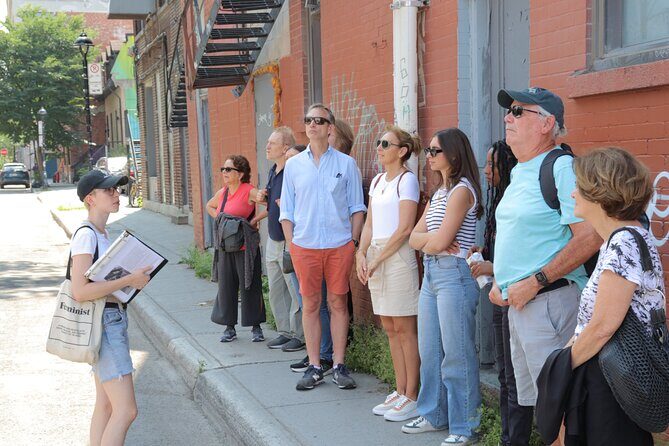
You should think of the walk as a set of themed checkpoints rather than one long straight line. The guide uses each stop to connect Montreal’s physical neighborhood with the people who lived, argued, wrote, and worshiped there.
I’d expect the tour to move through a few big story beats:
1) Getting your bearings in the Plateau and Mile End
Early on, you’ll likely get the framework: how Montreal’s Jewish community developed in this part of town, and why these neighborhoods mattered. This is where the guide helps you notice the difference between modern streets and the older patterns of settlement.
This matters because the rest of the tour depends on you having context. Without it, the story can feel like a set of interesting facts. With it, you start to see how the neighborhood itself became a stage for community life.
Other walking tours we've reviewed in Montreal





2) Ashkenazi settlement and what remains visible
A highlight described by visitors is the focus on the remnants of the original Ashkenazic Jewish immigrants to Montreal. Even when buildings have changed, you can still pick up traces: how the street grid supports community gathering, how institutions clustered, and how the neighborhood’s character carried forward.
If you like urban history—how people shaped a place—you’ll enjoy this part most. If you want very specific site-by-site details, you might want to ask your guide right away what locations are considered the key anchors in the route.
3) The law and the political temperature (padlock laws and anti-Zionist Jews)
One part that shows up in the tour’s discussion is political and legal conflict. In particular, visitors have mentioned topics like padlock laws and anti-Zionist Jews. Even if those terms are new to you, the guide’s job is to connect them back to daily life and community debates.
This is where the title starts to make sense. “Radicals” isn’t just a label. It’s the idea that some people in the community organized around ideology and justice issues, and that governments sometimes responded with control.
4) Writers, debate, and the power of words
The “writers” element likely becomes clear as the tour shifts toward how ideas spread—through print, public discussion, and argument inside the community. Montreal has long attracted thinkers and dissenters, and this tour uses Jewish voices to explain how that energy showed up locally.
If you like history that includes conflict and personality, this segment tends to land well. It’s less museum postcard, more human story.
5) Wrapping up near the museum so you can keep going
You finish near the museum area at 5220 St-Laurent. Your ticket lists your end location, which can be different from where you expect to stand. The upside is simple: after the walk, you’re well positioned to step into the museum exhibitions if they’re open.
If your day matches the museum schedule (Thursday–Sunday, and Mondays starting late May 2024), this is a great way to turn your two-hour walk into a half-day history plan.
The Guides: Small Group Energy, Clear Answers
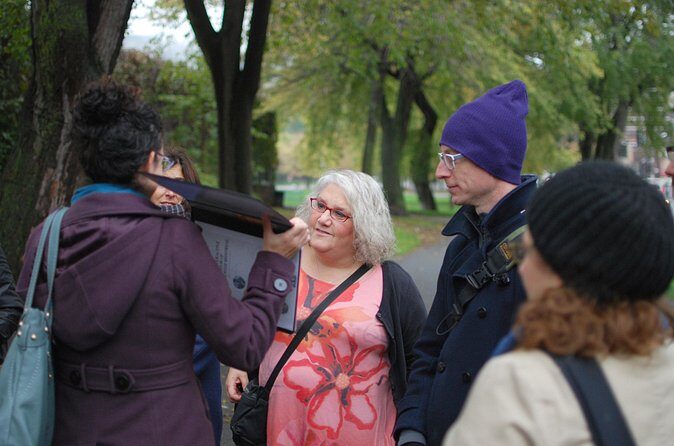
The tour runs with a local guide, and the most praised aspect is the guide’s ability to bring the story to life and answer questions. You might meet guides such as Emily, Vivien, Serafina (also seen as Seraphina in one mention), Hannah, or Sofia, and the common thread is engagement.
Here’s what to look for while you’re on the walk:
- Clear explanations that connect street-level clues to bigger historical events
- Room for questions, since the group cap keeps the pace reasonable
- A pacing style that tries to work for different needs, including slower walkers who benefit from pauses
One note from feedback: a few people felt some parts were delivered quickly or felt a bit less connected as a narrative. If you’re sensitive to audio volume, consider moving closer when the guide is speaking. Also, don’t be shy about asking the guide to repeat or clarify a key point.
Pace, Fitness, and How the Walk Feels in Real Life
This is a walking tour with a moderate physical fitness level requirement. Plan for about two hours on foot, and expect uneven stopping points along the route.
The good news: it’s family friendly, and there are signs that the guide can slow down when needed. That doesn’t mean it turns into a stroll with no structure. It means the guide is thinking about the group, not just racing to finish a script.
If you’re traveling with seniors or anyone who needs occasional breaks, it helps to wear comfortable shoes and have a small water plan.
Price and Value: Is $24.03 a Good Deal?
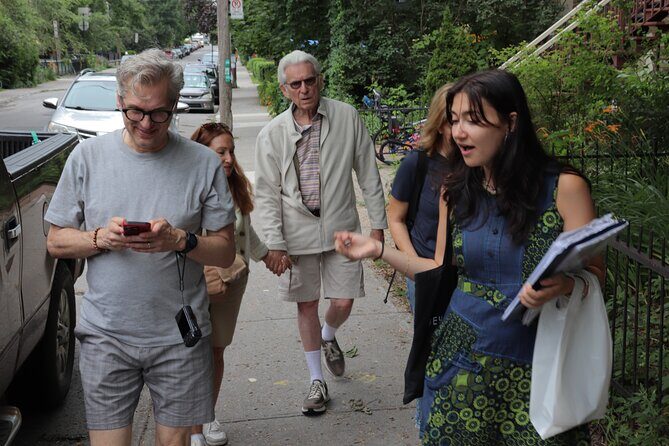
At $24.03 per person for about two hours, this tour prices like a practical way to get deep context without spending the whole day on logistics. What you’re paying for is the human part: a local guide, plus a route designed around where the story happened.
You also get value from the small group limit (up to 20 people). That’s not a luxury detail; it’s what makes Q&A possible and helps the guide manage the pace.
What’s not included is also part of the value equation. There’s no hotel pickup or drop-off, so you’re responsible for getting to the meeting point. If you’re staying near the Plateau or Mile End, that’s typically easy. If you’re far away, budget a bit of transit time.
Who This Tour Fits Best (and Who Might Want Another Option)
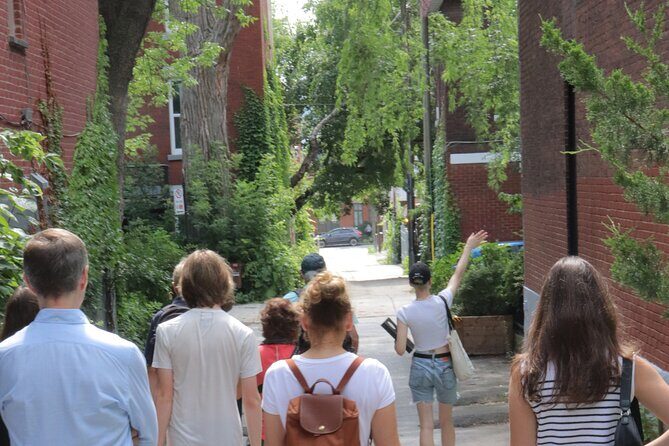
This works best for you if:
- You want Jewish history in Montreal connected to real neighborhoods, not just a book report
- You’re interested in how religion, writing, and politics intersected in everyday life
- You like guided context that helps you see meaning in the streets as you walk
It may feel less satisfying if:
- You’re expecting a heavily chronological, date-heavy tour with tons of major-event build-up
- You want a very tight narrative thread with everything stitched together end to end without any branching
- You’re hard of hearing in noisy outdoor settings and need reliable amplification (some people noted audio clarity issues)
Practical Tips Before You Go
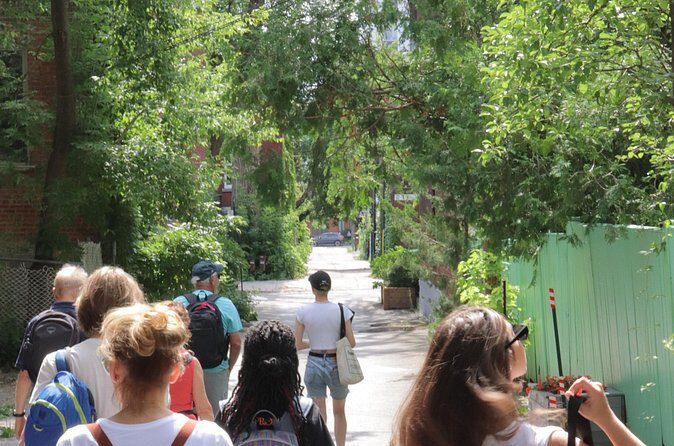
A few small moves will make this tour better:
- Wear comfortable shoes. You’re on foot for about two hours.
- Bring a smartphone and keep Google Maps ready. The tour begins and ends at locations that are near each other, but not necessarily where you think.
- If English isn’t your strongest language, the tour is offered in English, but people have noted the guide can adapt to non-native speakers. Still, going with a few key terms (Ashkenazi, padlock laws, Zionism) can help you follow along.
- If you want to see more afterward, plan for the museum exhibitions at 5220 St-Laurent—especially if your day is Thu–Sun, or Monday after late May 2024.
Should You Book Rabbis, Writers and Radicals in Montreal?
If you’re choosing between a quick city overview and a focused Jewish history walk, I think this is an easy pick. The strengths are clear: a tight two-hour format, a guide who can answer questions, and a theme that connects religion, writing, and political life to Montreal’s streets.
Book it if you want context you can carry with you for the rest of your trip—so when you look at the Plateau and Mile End, you don’t just see buildings. You see how people lived and argued there.
Skip it (or pair it with something else) if you mainly want a museum-style experience with lots of artifacts, or if you strongly prefer a strict, timeline-only lecture. In that case, add the museum first, then use the walk as a streets-and-ideas supplement.
FAQ
How long is the Rabbis, Writers and Radicals walking tour?
The tour is approximately 2 hours.
What does the tour cost?
It costs $24.03 per person.
Is the tour offered in English?
Yes, it is offered in English.
What group size should I expect?
The tour has a maximum of 20 travelers.
What’s included in the price?
A local guide is included.
Is hotel pickup or drop-off included?
No. Hotel pickup and drop-off are not included.
Where do I meet the tour?
The meeting point is 4129 Boul. Saint-Laurent, Montréal, QC H2W 1Y7. Your ticket also lists start and end locations around the Plateau and Mile End neighborhoods.
Where does the tour end?
The end location is 5220 Boul. Saint-Laurent, Montréal, QC H2T 1S1. Note that the tour begins and ends at different locations around the neighborhoods, and your ticket provides the exact spots.
Are service animals allowed?
Yes, service animals are allowed.
When will I receive confirmation after booking?
Confirmation is received within 48 hours of booking, subject to availability.
Can I get a full refund if I cancel?
Yes. You can cancel up to 24 hours in advance for a full refund.
Are the museum exhibitions open the day I’m going?
The museum exhibitions at 5220 St-Laurent Boulevard are open to the public Thursday, Friday, Saturday, and Sunday. Beginning in late May 2024, they will also be open on Mondays.