REVIEW · MONTREAL
A Walking Tour of Old Montreal
Book on GetYourGuide →Operated by Nicola Zoghbi · Bookable on GetYourGuide
Old Montreal tells stories at your feet. This walk through Place d’Armes and up to the Pointe-à-Callière observation deck gives you a fast, memorable picture of how the city grew and changed. I also like that the guide pulls together big moments (like the US Revolution and Charles de Gaulle’s speech) without turning it into a lecture. The one thing to consider is time: it’s a tight 2 hours, and the optional basilica visit adds extra cost.
What makes this tour practical is that it balances daily-old-city details with the big-picture timeline. You’ll follow cobblestone streets lined with buildings from different periods, while the guide explains how Montreal’s story is often grouped into four “eras”: First Nations, French, British, and Canadian/Quebec.
There’s also a calm, human-scale stop built in, not just monuments. You’ll enter the sailors’ chapel, which gives the route more texture than the usual photo stops.
In This Review
- Key highlights you’ll actually feel on your feet
- Place d’Armes: the easiest place to understand Old Montreal
- Cobblestone streets and the four eras that shaped Montreal
- Pointe-à-Callière museum deck: quick views that help you navigate
- US Revolution and de Gaulle’s speech: history tied to real locations
- Entering the sailors’ chapel: a quieter stop with strong atmosphere
- Ending at Place Jacques-Cartier: where to go next
- Price and value: $146 per group for up to 12
- Who this walking tour is best for (and who might skip)
- Should you book this Old Montreal walking tour?
- FAQ
- How long is the Old Montreal walking tour?
- What does the price include?
- Is basilica entry included?
- What languages are available?
- Is this tour private?
- What should I bring?
- Is free cancellation available?
Key highlights you’ll actually feel on your feet
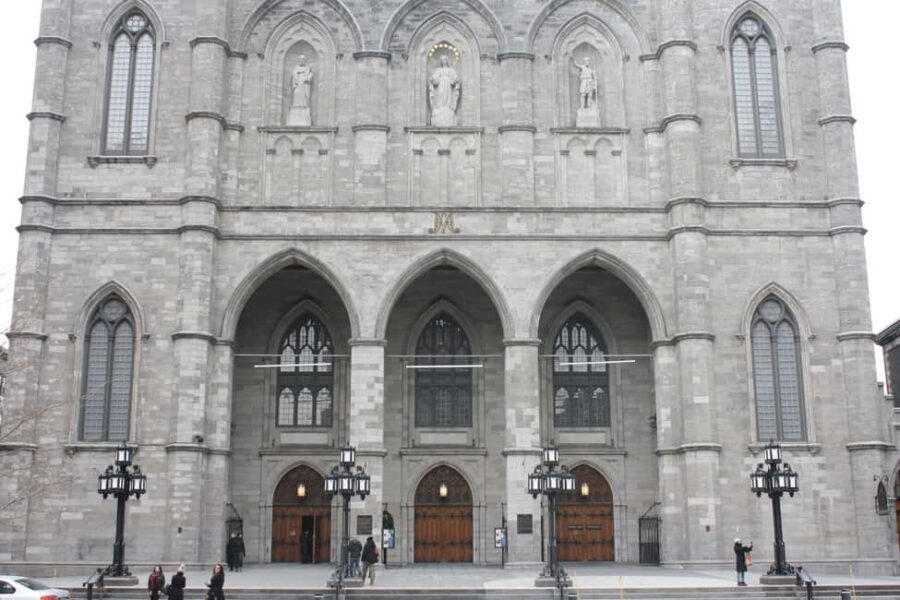
- Place d’Armes first, so the whole city picture snaps into focus
- Pointe-à-Callière observation deck views for quick orientation and context
- Big historical moments tied to real buildings as you walk
- Sailors’ chapel entry for a quieter, more personal stop
- A friendly, explanatory guide that makes the details click
Place d’Armes: the easiest place to understand Old Montreal
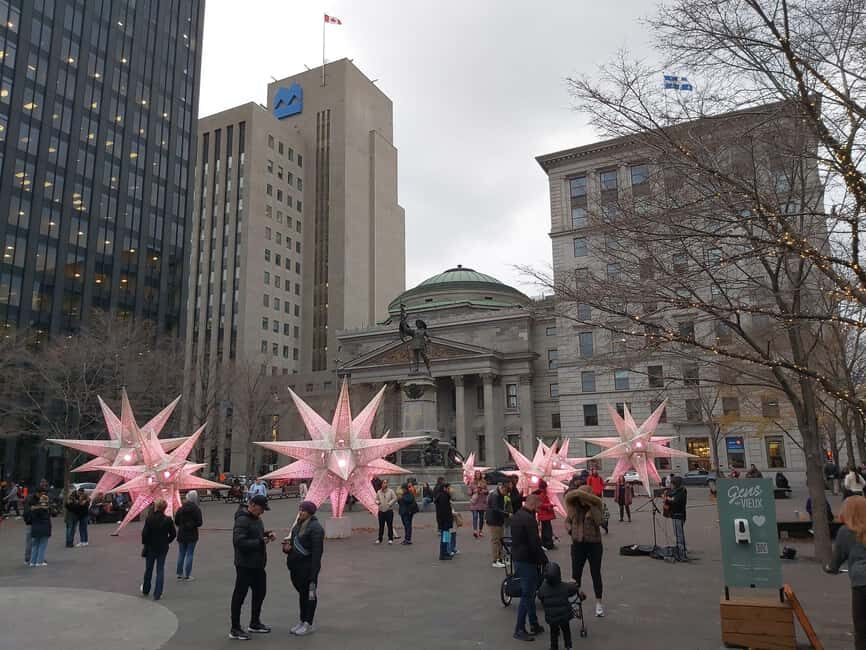
If you want a “start here” moment in Old Montreal, Place d’Armes does it. You get a view surrounded by historic buildings from different eras, so you’re not just reading about history—you’re seeing layers in the same frame. The square across from the basilica is where the tour’s big idea comes together: Montreal’s identity is built from overlaps, not clean straight lines.
I like how this works for first-time visitors. When you see multiple periods at once, your brain organizes faster. And once you have that mental map, the rest of the walk becomes easier to follow—every street corner feels like it has a reason, not just a pretty façade.
One practical note: the square can be busy depending on the day and time. Bring your comfortable walking shoes and stay ready for short waits while your guide explains from one spot before moving on.
Other Old Montreal tours we've reviewed in Montreal


Cobblestone streets and the four eras that shaped Montreal
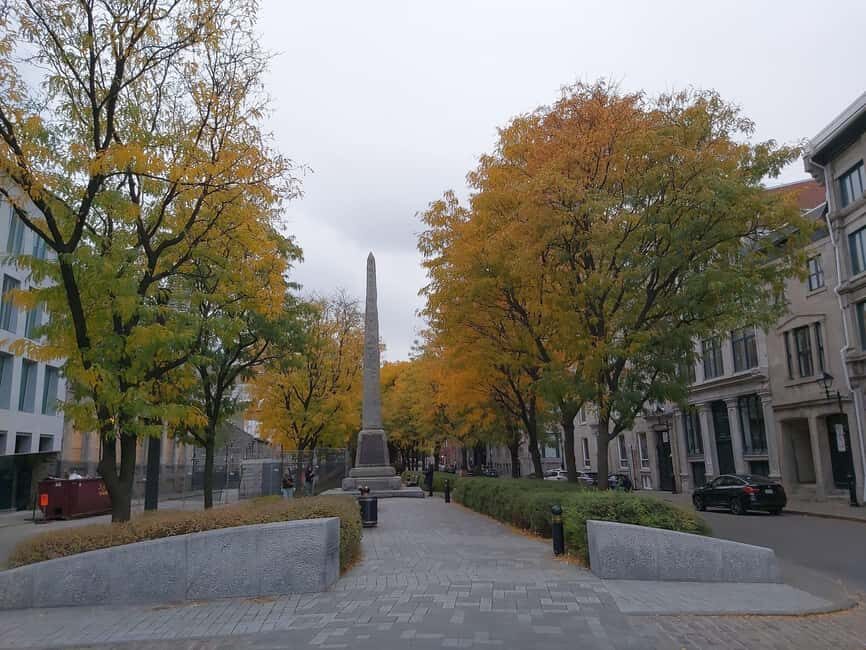
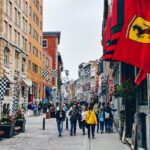
After the square, you’ll move down cobblestone streets that feel old in a literal way. This is where the tour stays grounded: churches, banks, markets, and other everyday-feeling landmarks show up as proof that history is not only in textbooks.
The four “eras” the guide uses—First Nations, French, British, and Canadian/Quebec—aren’t just labels. They’re a way to notice changes in architecture, language, and civic priorities as the city shifted hands and identities over time. You’ll likely hear how each period influenced what got built where, and why certain institutions showed up along the route.
This is a great format if you’re the kind of traveler who likes to understand how a place functions. Instead of isolating one era, you’ll see how Montreal layered them—so when you later wander on your own, you’ll have context for what you’re looking at.
Pointe-à-Callière museum deck: quick views that help you navigate
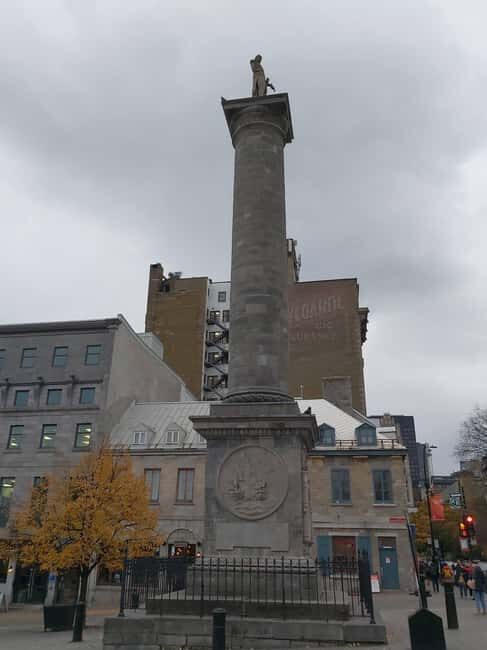
One of the most useful moments comes when you reach the observation deck at Pointe-à-Callière. Even if you don’t go inside the museum itself, the deck view is valuable because it helps you orient. From above, you can connect what you saw on the ground to the larger street pattern and the “shape” of Old Montreal.
I like viewpoint stops that don’t steal the whole day. A short deck moment gives you enough reference points to make your walk feel coherent, like you’re building a model in your head. It’s especially helpful if you plan to explore the area after the tour ends at Place Jacques-Cartier.
If you’re traveling with limited mobility or you’re watching your pace, this is still a doable section for many people—but wear supportive shoes. The tour is designed as a walking experience, and Old Montreal’s surface is not the same as modern paving.
US Revolution and de Gaulle’s speech: history tied to real locations
The tour doesn’t only talk about the distant past. It includes historical events such as the US Revolution and Charles de Gaulle’s speech, connected through stories the guide brings into the route. The point isn’t to memorize dates—it’s to show how Montreal has been influenced by events far beyond its own borders.
This is where a good guide makes a real difference. The provided info includes a five-star review praising Nicola Zoghbi for being very friendly and for explaining things in detail. That kind of teaching style matters because these “big event” references can otherwise feel disconnected from what you’re standing in front of.
If you like history that connects to places you can point at, this part is a strong fit. You’ll come away with more than vibes; you’ll have a story thread you can follow when you look at buildings, street corners, and civic sites later.
Entering the sailors’ chapel: a quieter stop with strong atmosphere
A highlight on the route is entering the sailors’ chapel. This is the kind of stop that adds balance to a walking tour. Instead of only seeing stone and symbols from outside, you step into a space that feels more human-scale and reflective.
For me, these chapel-type visits are where a tour shifts from facts to feel. Even if you don’t read every plaque, you’ll sense the mood: the chapel gives the walk a break from the street’s motion, and it can help the surrounding historical talk land better.
If you’re a photographer, this is also one of the better chances for indoor atmosphere—just be respectful of signage and space. The tour includes the entry to the chapel, so you don’t need to plan extra tickets for that part.
Other walking tours we've reviewed in Montreal






Ending at Place Jacques-Cartier: where to go next
The tour finishes at Place Jacques-Cartier. That matters because it puts you in an easy spot to keep exploring without needing a long transfer. It’s a logical end point: you’ve seen the route’s core connections, and you’re left close to more open wandering.
I like tours that end where you can naturally continue your day. After 2 hours, you don’t want to feel trapped back at the start. Ending at a public square gives you flexibility—coffee nearby, a slow stroll, or checking out adjacent streets while the tour’s timeline is still fresh in your mind.
Price and value: $146 per group for up to 12
At $146 per group (up to 12 people) for a 2-hour walking tour, the value depends on how you travel. If you’re a couple, a small family, or a group of friends, this pricing structure can be a good deal because the guide is focused on your group rather than large mixed crowds.
What you’re paying for is simple: a guided walking experience with a live instructor, plus access to included route stops. The optional basilica entrance is not included (listed at $16 per adult), so factor that in if you think you’ll want it.
Here’s the practical way to judge it: if you want history explained in a way that helps you walk and understand—not just look—then a guided format is usually worth the money. If you already know Old Montreal well and prefer self-guided wandering, you might decide to build your own route. But if you’re trying to get the city story quickly, this tour is set up for that.
Who this walking tour is best for (and who might skip)
This is a strong match if you’re visiting for the first time and want a guided introduction to Old Montreal’s eras. It’s also good for travelers who like structure: you’ll move stop to stop, with a clear thematic thread from First Nations context through French, British, and Canadian/Quebec influences.
It’s especially suitable for people who appreciate a friendly guide with clear explanations—based on the praise for Nicola Zoghbi. If you’re the type who asks questions or likes to understand why buildings look the way they do, you’ll likely enjoy the pacing.
You might want to skip or choose a different format if you’re traveling for a very relaxed day. Two hours is enough to cover key highlights, but it’s not designed to linger for long at every site. And if you’re only interested in one specific era, the four-era approach may feel broad.
Should you book this Old Montreal walking tour?
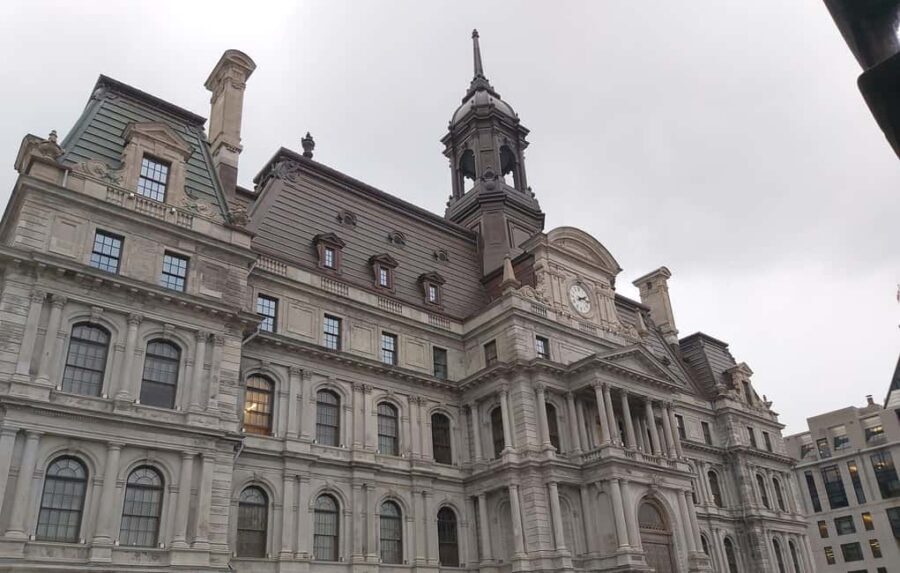
I’d book it if you want a guided walk that turns Old Montreal from pretty streets into an easy-to-follow story. The combination of Place d’Armes (big-picture orientation), Pointe-à-Callière (helpful views), and the included sailors’ chapel (a quieter, memorable stop) makes the experience feel balanced rather than one-note.
I’d hesitate only if you already plan to spend most of your day on your own with audio guides and you don’t want to add any optional costs. If the basilica matters to you, check whether you’ll budget for that $16 per adult add-on.
If you want a smart way to spend a morning or afternoon and come away with real context, this is a solid choice.
FAQ
How long is the Old Montreal walking tour?
The tour lasts 2 hours.
What does the price include?
The price includes the walking tour and a live guide.
Is basilica entry included?
No. Basilica entry is optional and costs $16 per adult.
What languages are available?
The live tour guide is available in English, French, and German.
Is this tour private?
Yes, it’s a private group.
What should I bring?
Wear comfortable shoes and bring weather-appropriate clothing.
Is free cancellation available?
Yes. You can cancel up to 24 hours in advance for a full refund.