REVIEW · MONTREAL
Montreal: Private 2h Walking Tour RESO and Old Montreal
Book on GetYourGuide →Operated by Gustavo Trindade · Bookable on GetYourGuide
Montreal clicks after a two-hour walk. This private tour ties Old Montreal to the RESO underground so you see postcard streets and practical shortcuts in one go.
I like how the route centers on major sights like Notre-Dame Basilica and the Old Port along Saint Paul Street, with photo stops that help you place everything on the map. Because it is only 2 hours on foot, you’ll cover the core but you will not reach places like Saint Joseph’s Oratory or the Biodome without extra transport.
You start at the Montreal Museum of Fine Arts on Rue Sherbrooke O, then move through downtown civic buildings and cultural stops before finishing by the river area at Jacques Cartier Place and Bonsecours Market. Live guides are available in English, French, Portuguese, and Spanish, and the private format makes it easier to ask questions without feeling rushed.
In This Review
- Key things I’d watch for
- Why this 2-hour private walk makes sense in Montreal
- Starting at the MMFA: the downtown spine you’ll understand fast
- McGill and downtown culture: why Place des Arts matters
- Going underground with RESO: a practical Montreal skill
- From Place d’Armes to the Notre-Dame Basilica moment
- The Old Port finish: Jacques Cartier Place, Bonsecours Market, and the river
- What the guide adds (and why Gustavo Trindade comes up so often)
- Price and value: what $87 buys in real terms
- Best time to go, what to wear, and how to enjoy it
- Who this tour suits best
- Should you book this Montreal RESO and Old Montreal tour?
- FAQ
- Where does the tour meet?
- How long is the walking tour?
- Is this a private tour?
- What languages are available for the guide?
- What major stops are included?
- What’s included in the price?
- What’s not included?
- Are alcohol or drugs allowed?
- Can I cancel for free?
Key things I’d watch for
- RESO + Old Montreal in one walking loop: you get the city’s inside passageways and its famous cobblestones.
- Photo stops at big-name places: McGill University, Place Ville Marie, Phillips Square, and more.
- Notre-Dame Basilica is a focal point: you’re not just passing by; it’s part of the story.
- City Hall and the Old Port finish: you end with views toward the Saint Lawrence River area.
- Gustavo Trindade gets praised for tailoring: people highlight his care and good suggestions after the walk.
Why this 2-hour private walk makes sense in Montreal
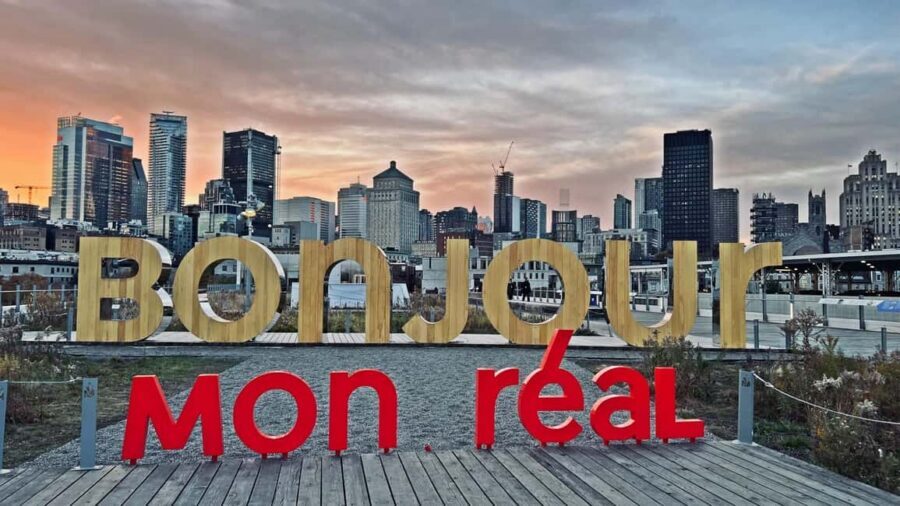
Montreal can feel like two cities at once: the downtown machine of offices, culture, and transit, and then the Old Port vibe with stone streets and church façades. This tour is built to connect those halves quickly, without spending half your time trying to orient yourself.
The biggest win is the mix of landmarks above ground and routes you can use when the weather turns. You pass through the central core, including downtown squares and the downtown cultural corridor, and you also get the RESO underground segment (along with quick connections tied to Metro areas). That means you learn where things actually are, not just what they look like.
One note on format: it’s a private group, but it’s still a walking tour. Comfortable shoes matter. And because time is tight, the experience is more about focus than about checking off every famous sight in Montreal.
Other Old Montreal tours we've reviewed in Montreal

Starting at the MMFA: the downtown spine you’ll understand fast
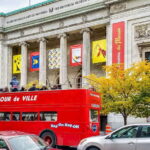
You meet at the Montreal Museum of Fine Arts (MMFA), right by Rue Sherbrooke O. That’s a smart starting point because it puts you on the city’s “main line” between upscale streets, major campuses, and central downtown.
From there, the route is designed around quick photo moments and visual orientation. You’ll be guided along Rue Sherbrooke, known for impressive architecture and upscale shopping. Then the walk continues toward key downtown “anchors,” including areas like Place Ville Marie and Phillips Square, which help you see how Montreal organizes its public spaces.
If you’re the type who likes to stop and re-check your bearings, this format is useful. You’re not wandering; you’re learning the geography. It’s the kind of tour where you leave thinking, Okay, I know where I am—and where to go next.
McGill and downtown culture: why Place des Arts matters
A big part of Montreal’s identity is what happens in and around McGill University and the cultural districts. You get a photo stop there, and it’s not just a name-drop. It helps you understand why Montreal’s downtown feels so “studied,” even when you’re standing on busy sidewalks.
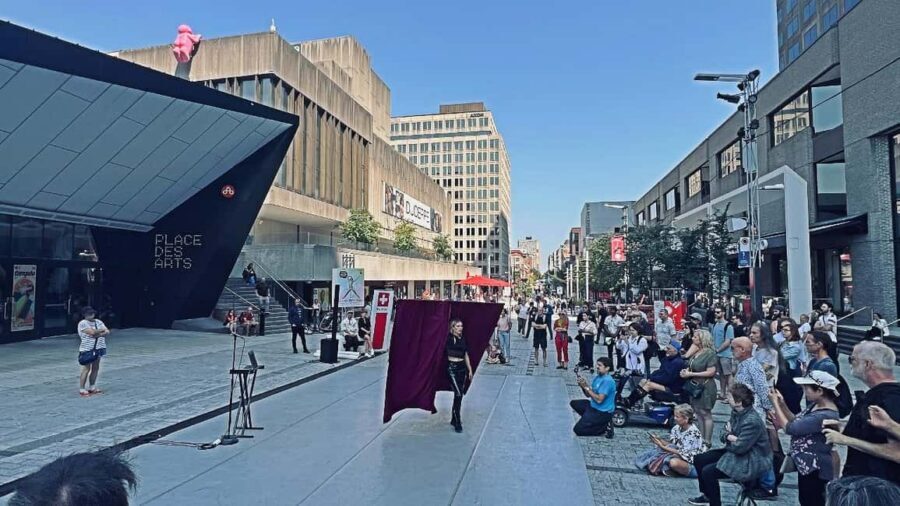
Next come the entertainment-and-arts areas. The route includes Quartier des Spectacles and Place des Arts, Montreal’s cultural hub where music, theater, and the arts live close together. Even if you don’t plan to attend a show, these stops explain why the area feels different from office-heavy blocks: you can sense the audience energy around you.
You’ll also pass by Place d’Armes, which is one of those places where you can feel the connection between the city’s modern core and its older center. If you want to photograph Montreal’s civic style and its stone-and-brick textures, these downtown stops set you up for the Old Montreal contrast.
Going underground with RESO: a practical Montreal skill
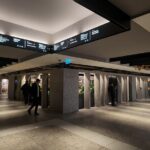
One of the most useful parts of this walk is the Montreal Underground City experience through the RÉSO network. This is not just a detour. It’s a real Montreal advantage, especially in colder months or when you’re trying to keep your energy for sightseeing.
You’ll pass through areas tied to the Underground City and Metro context. The guiding idea here is simple: you learn where the protected pedestrian routes are, so you’re not stuck outside looking for a shortcut when it’s raining or snowing. If you’ve ever regretted choosing a route that was fine in summer but miserable in winter, you’ll appreciate what you learn on this part of the walk.
The underground segment is also a good “reset” for your eyes. You get to step away from street noise and then re-emerge in the downtown/Old Montreal progression with less fatigue. The tour is only two hours, so the underground time is short—but it’s enough to make you feel capable, not dependent.
From Place d’Armes to the Notre-Dame Basilica moment
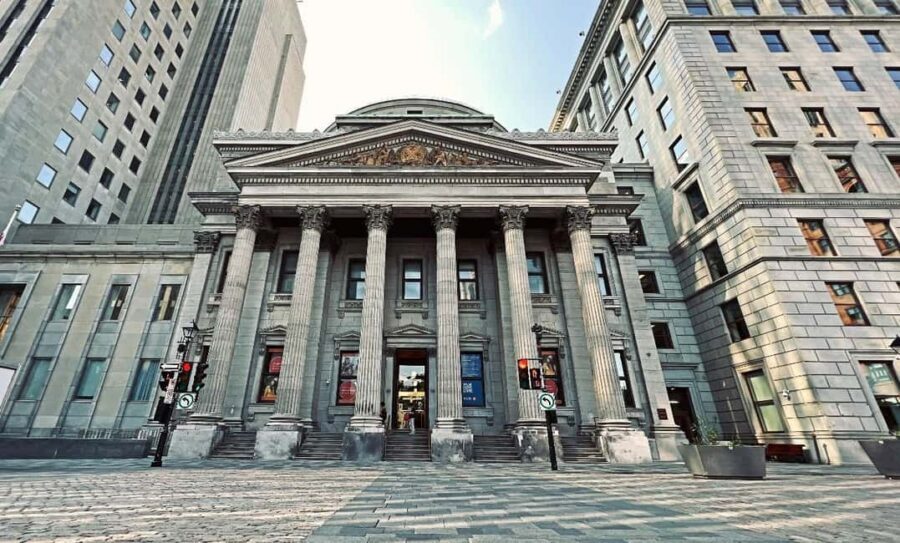
Once you start moving toward Old Montreal, the tone changes fast. You get Place d’Armes and then the big focal point: the Notre-Dame Basilica of Montreal.
This stop matters because it’s a classic visual anchor. The basilica is one of those places people recognize instantly on postcards, and seeing it from the street gives you scale and context you don’t get from photos. It also helps you understand why Old Montreal feels like its own mini-world inside the larger city.
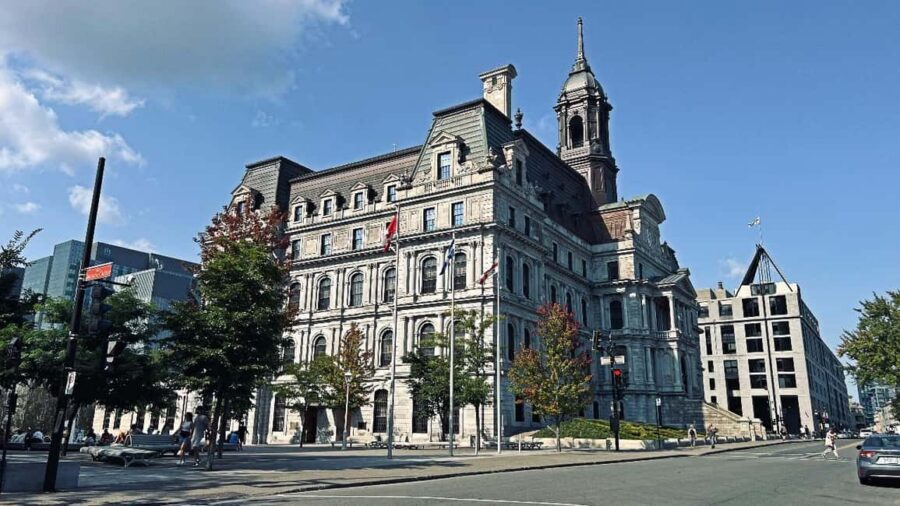
You’ll also pass by civic and landmark-adjacent points that make Old Montreal feel connected, not isolated. Along the way, the walk includes pass-by views tied to Montreal City Hall and other nearby historic/legal/civic areas listed on the route, so you’re not just focused on churches and cafés—you’re also seeing the formal side of the city.
A practical tip here: bring your camera, but also take a few seconds without it. The basilica area works best when you look first, shoot second.
Other RESO Underground City tours in Montreal



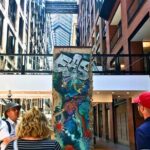
The Old Port finish: Jacques Cartier Place, Bonsecours Market, and the river
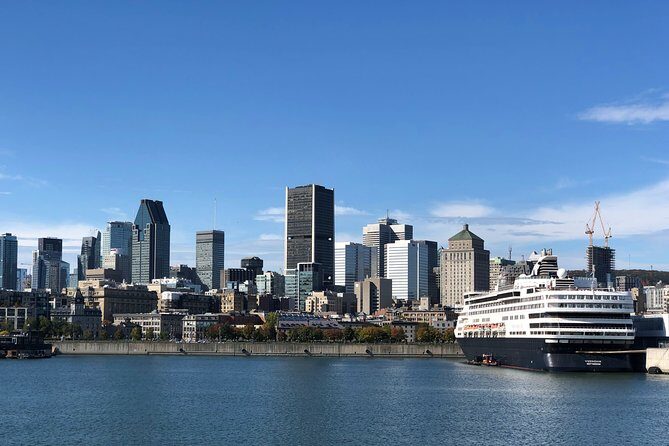
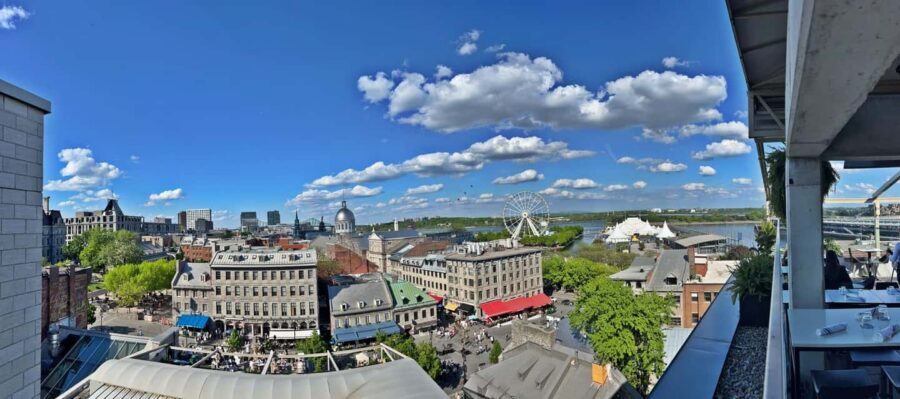
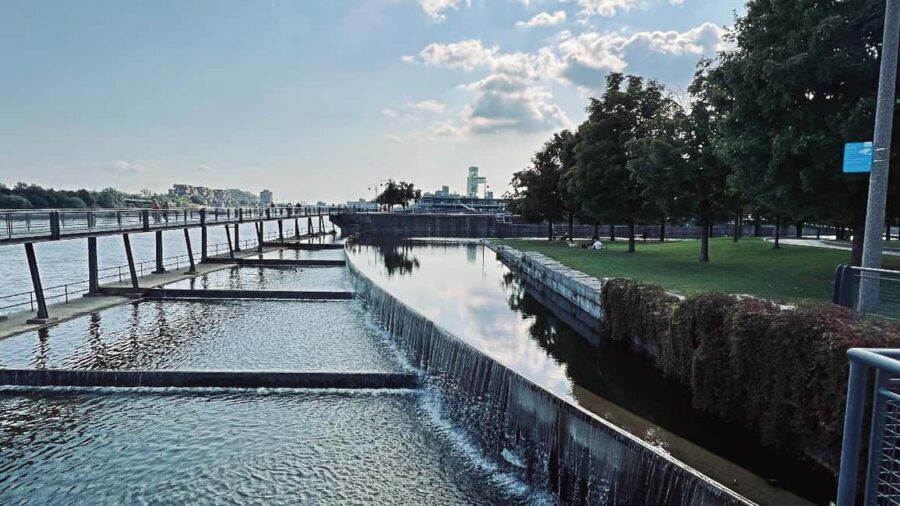
The tour ends around the Old Port area, near Saint Lawrence River views and the historic waterfront atmosphere. Key stops include Bonsecours Market and Jacques Cartier Place, which are both ideal for getting that “I’m actually here” feeling.
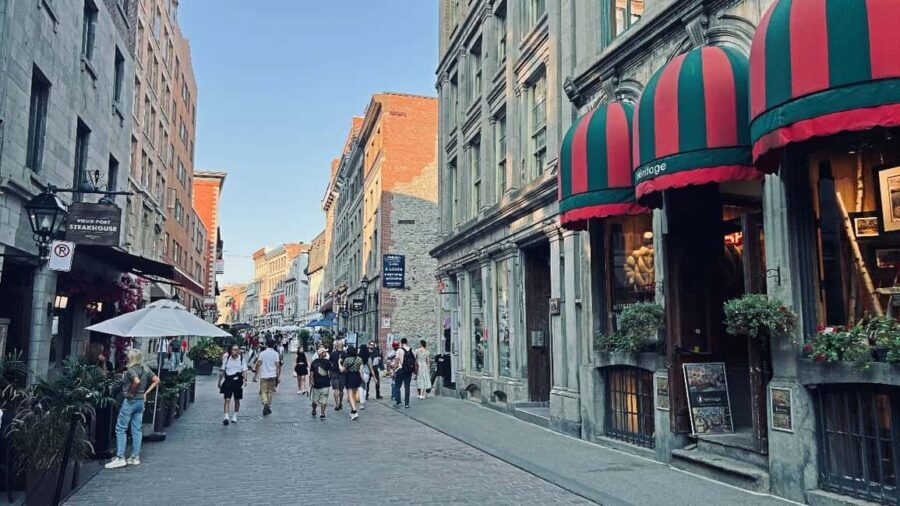
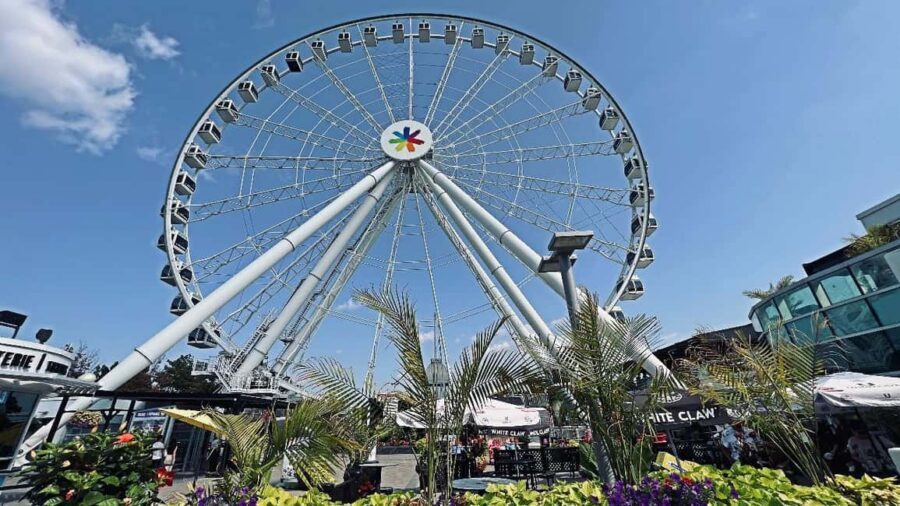
On the final stretch, you’re walking into the part of Montreal that feels older and more layered, with colonial-era energy plus modern city life along Saint Paul Street. You also get pass-by points that connect the downtown-to-water story, including landmark areas like La Grande Roue de Montréal (via view) and spots that line up with Montreal Science Centre and other river-adjacent landmarks.
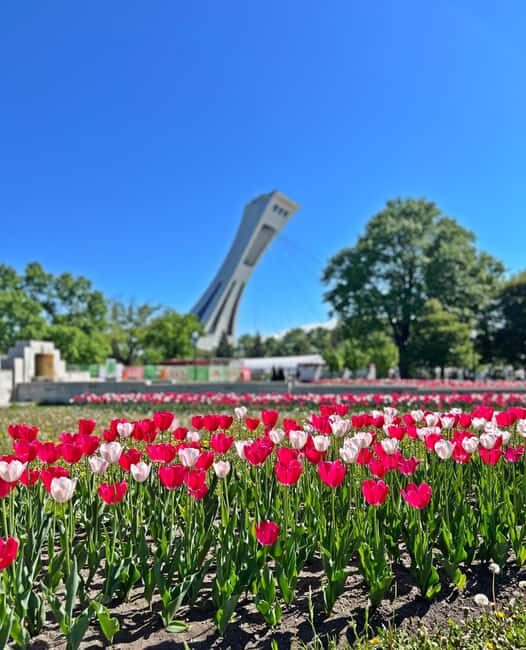
The route includes viewing angles toward features like Mount Royal (from the bottom only), Parc Jean-Drapeau (view only), and the Montreal Biosphere (view only). Since these are “from here you can see it” moments rather than full excursions, they’re perfect for a two-hour format. You get a sense of where the city expands beyond the center, without running out of time.
If you like finishing tours with something you can linger at—river air, market façades, street noise—this ending works. It’s a strong place to switch from guided narration to your own walking plan.
What the guide adds (and why Gustavo Trindade comes up so often)
This walk is led by Gustavo Trindade. What shows through in the feedback is how people feel cared for during the experience—especially the way the guide adjusts to the group.
You’ll hear praise tied to two things:
- Tailoring the tour to your style and interests, so the stops feel intentional rather than automatic.
- Good after-tour recommendations, which is gold when you only have a day or two in town and want to know what to do next.
That “after” part matters more than it sounds. A tour can show you where things are, but the right suggestions help you spend your remaining hours well—whether that means choosing a café near Old Montreal, or deciding how to structure the rest of your day.
Price and value: what $87 buys in real terms
At $87 per person for a 2-hour private walking tour, you’re paying for two main things:
1) A guide who can keep the pace efficient and the stops meaningful
2) A route that compresses Montreal’s downtown-to-Old Montreal geography into a short time
Is it the cheapest way to see the city? No. But it is a practical way to buy back time and reduce the “where do I go next” stress. The inclusion of RESO/underground and the careful selection of downtown anchors plus Old Montreal landmarks is the value engine here. You’re not just buying a walk—you’re buying a guided map you can use later.
If you’re traveling with someone and you want personal attention, it starts to feel more reasonable. If you’re solo and your goal is only quick sightseeing, you might decide other options fit better. But if you want a strong orientation tour—especially one that works in changeable weather—this pricing can make sense.
Best time to go, what to wear, and how to enjoy it
The tour description points to night charm, so if you can schedule it when evening is settling in, you’ll likely get a different feel around downtown streets and the waterfront. That said, this is still a walking tour, so day or night, plan like you’re doing real city walking.
Wear comfortable walking shoes. Bring a water bottle, sunscreen, and check the weather forecast. Also, rain gear is not provided, so if storms are possible, bring what you need.
If you don’t love underground walking, don’t worry—you won’t be underground for hours. But it is part of the experience, and it’s one reason you’ll feel smarter about Montreal transit routes afterward.
Who this tour suits best
This is a great match if:
- It’s your first time in Montreal and you want the downtown + Old Montreal connection explained fast.
- You’re curious about RESO and want a real-world sense of where it takes you.
- You value a guide who can adjust the experience and send you off with useful next steps.
It’s less ideal if your top priority is a long list of far-flung attractions. In a short two-hour walk, you won’t get full time for places like Saint Joseph’s Oratory or the Olympic Stadium area on foot. The best move in that case is to use this tour to learn the center, then plan day trips or longer tours for the outer sights.
Should you book this Montreal RESO and Old Montreal tour?
I’d book it if you want a time-efficient “Montreal orientation” with both modern city structure and Old Montreal charm. The mix of downtown anchors, RESO underground practicality, and the Old Port finish gives you a strong mental map in just two hours.
Skip it only if you already know your way around and you don’t care about underground routes or quick landmark context. In that case, a self-guided walk might be enough. But if you want the route explained, and you like leaving with clearer next steps, this is an easy yes.
FAQ
Where does the tour meet?
The meeting point is the Montreal Museum of Fine Arts (MMFA), at 1380 Rue Sherbrooke O. The guide will be in front of the entrance door of the museum, by the two hearts.
How long is the walking tour?
It lasts 2 hours.
Is this a private tour?
Yes. It’s listed as a private group.
What languages are available for the guide?
The live tour guide is offered in English, French, Portuguese, and Spanish.
What major stops are included?
The route passes points such as Musée des beaux-arts de Montréal, McGill University, Quartier des spectacles, Place des Arts, the Montreal Underground City (RÉSO), Old Port of Montreal, Notre-Dame Basilica, Bonsecours Market, and along the Saint Lawrence River area. You also pass or view spots like Montreal City Hall and La Grande Roue de Montréal.
What’s included in the price?
You get a 2-hour guided walking tour experience with a guide, covering the listed stop points along the route.
What’s not included?
Meals and drinks are not included. Hotel pickup/drop-off is not included, and a Metro pass/transport is not included. A raincoat or umbrella is also not included.
Are alcohol or drugs allowed?
No. Alcohol and drugs are not allowed.
Can I cancel for free?
Yes. Free cancellation is offered up to 24 hours in advance for a full refund.